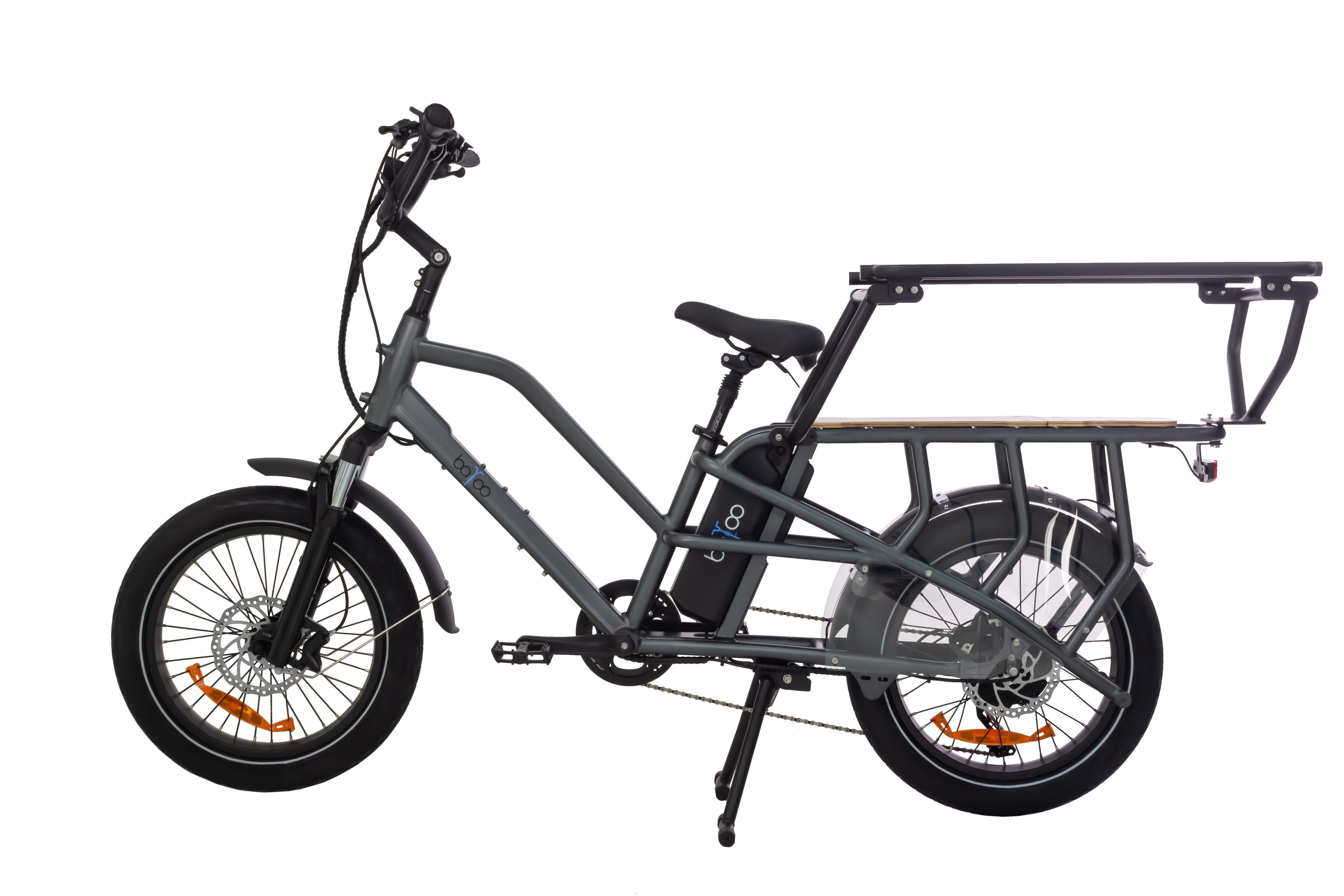
A test ride often changes more than a spec sheet, a comparison, or ten online reviews. On paper, many electric bikes look similar. In reality, sometimes just a few minutes are enough to feel that one model is just right and another is not suitable for you at all. The TCS tips for choosing a city e-bike also remind us that comfort, riding position, and ease of mounting are extremely important. For its part, BatooBike naturally places the test ride at the center of the purchase journey with its free test ride booking page.
The true purpose of a test ride is not just to check if the bike rides well. It's especially about seeing if the bike suits you, for your journeys, with your habits, your build, and your real-world constraints. This is even more true for a cargo bike, a speed bike, or a model intended for daily use in Switzerland. If you're hesitant about a family format, it can also be useful to reread the BatooBike guide on how to choose your electric cargo bike before taking your test ride.
Why a test ride changes everything
Two bikes can have similar range, comparable motors, and a reassuring product sheet, yet provide very different sensations once on the road. Trek's e-bike test ride guide explains this logic well: even before talking about performance, you need to feel the position, the maneuverability, and the quality of the assistance. This is exactly what no product page can truly convey.
A test ride also allows you to check things that are difficult to spot when cold: ease of starting, hand position, motor behavior at low speed, braking, balance when stopped, or the perceived weight of the bike when maneuvering it on foot. This is precisely what transforms a theoretical choice into a real practical choice.
The 10 points to absolutely test
During a test ride, the most common mistake is to ride for two minutes and then focus solely on the pushing sensation of the motor. In reality, you need to test the whole package.
| Point to test | What to observe | Why it's important |
|---|---|---|
| Position | back, arms, neck, saddle height | an uncomfortable bike tires you out quickly |
| Mounting | ease of getting on and off | very important in the city and at stops |
| Start | smoothness of assistance at the first pedal stroke | quickly reveals the character of the motor |
| Braking | power, progression, confidence | key point for safety |
| Maneuverability | turns, U-turns, low speed | essential for urban use |
| Acceleration | behavior after a light or an incline | useful for daily use |
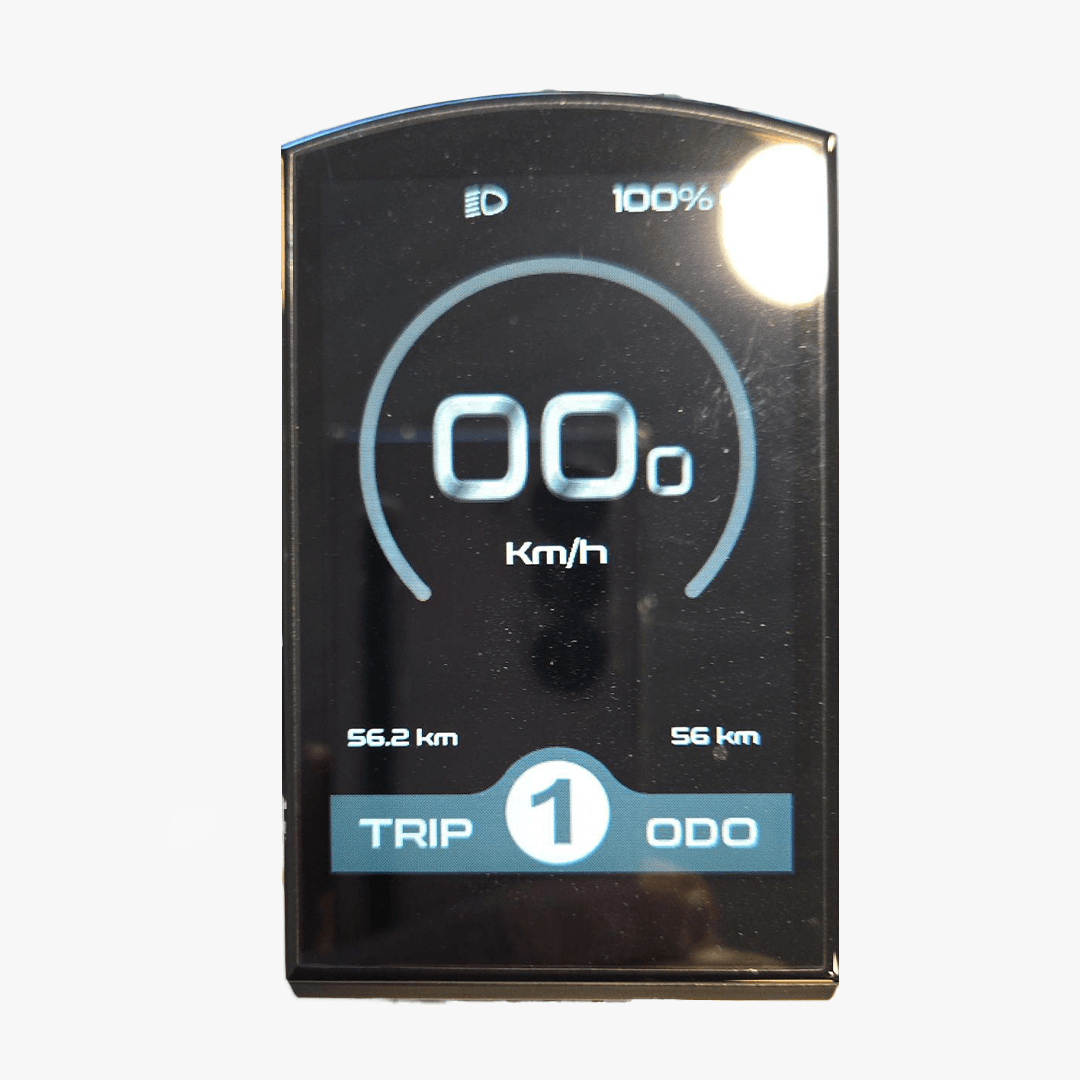
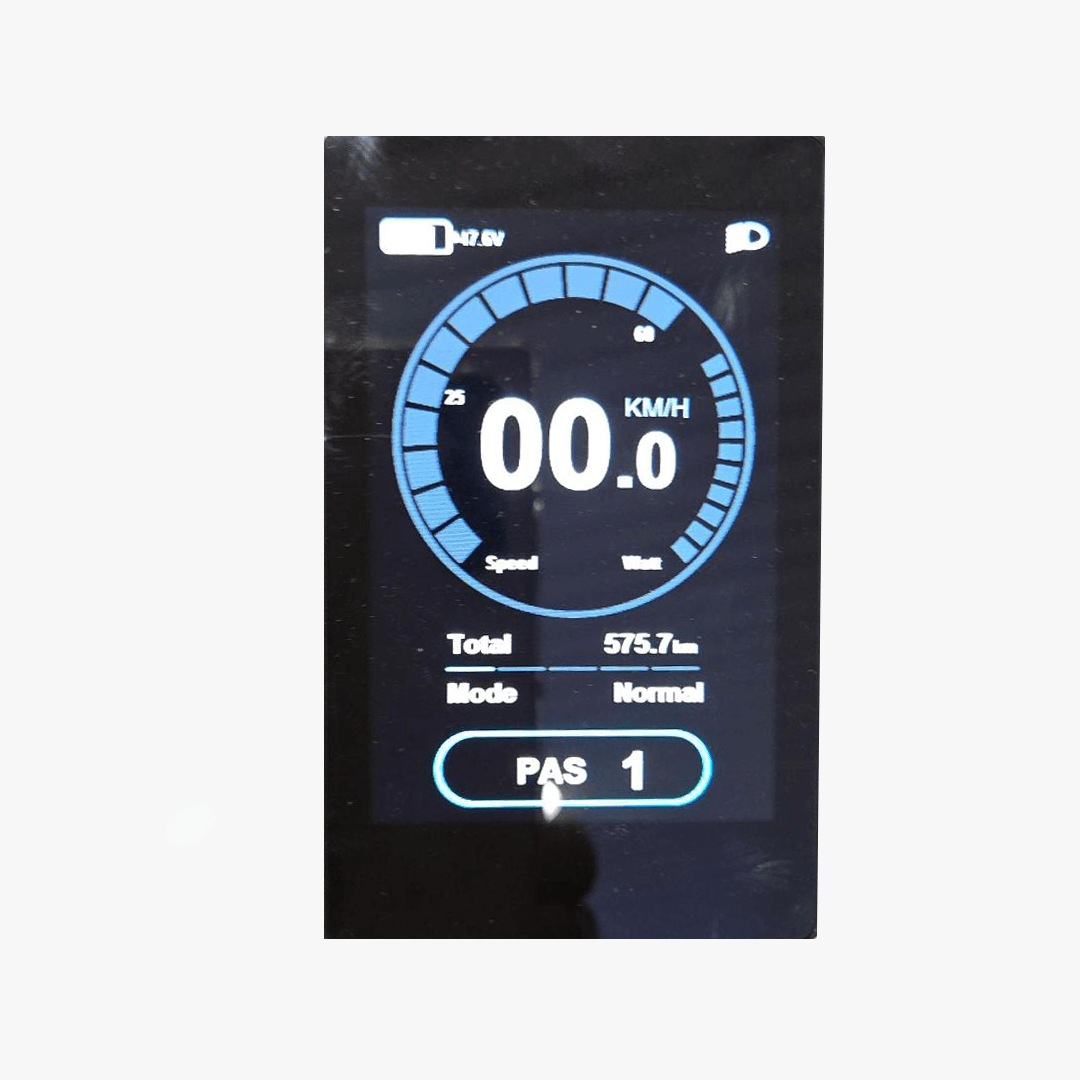
| Mode changes | simplicity and readability of controls | matters a lot day-to-day |
| Noise and fluidity | quiet or noisy motor, natural or unnatural assistance | changes the pleasure of use |
| Overall comfort | saddle, grips, rigidity, vibrations | important for repeated journeys |
| Maneuvering on foot | perceived weight, carrying, ease of pushing | decisive in the garage or bike room |
The most important thing is not to be solely impressed by the "wow" effect of the first start. A bike can seem very lively at first and yet be less pleasant after 20 minutes. Conversely, a more discreet model can prove to be more consistent, more stable, and more comfortable in the long run.
What you feel in 5 min vs 30 min
A very short test ride is often enough to spot obvious flaws: awkward position, frame too large, motor too abrupt, unnatural handlebars, uncomfortable saddle, or bike too heavy when stopped. In a few hundred meters, you can already feel whether the bike inspires confidence or not.
However, a slightly longer test ride reveals something else. It's beyond the first few minutes that you better perceive pressure points, wrist fatigue, position consistency, the quality of repeated braking, and the bike's behavior in various situations. For an important purchase, aiming for 20 to 30 minutes on a real route is generally much more informative than a simple ride in front of the store.
Test ride in the city, uphill, loaded
The best test ride is always the one that resembles your real life. If you'll mostly be riding in the city, you need to test starts, slowdowns, U-turns, traffic lights, and repeated stops. If you live in a hilly area, an uphill climb should be part of the test ride. If you're undecided about a cargo bike, you need to check maneuverability with weight, bulk, and stability at low speeds.
For a cargo bike intended for school runs or errands, don't just test riding it empty. If possible, ask to simulate a load or come with what you usually transport. And if you're looking for a more compact format for urban use, a model like the Colibri V2.0 deserves a concrete test ride to judge if its size, position, and maneuverability truly match your daily life.
Questions to ask the seller
A good test ride also involves asking the right questions. Don't hesitate to ask for concrete answers, not just a sales pitch.
Here are the most useful questions:
-
What size or adjustment really suits me?
-
What realistic range can I expect on my commute?
-
Does the bike need a first check after purchase?
-
What maintenance should I plan for in the first few months?
-
Is the software system up to date?
-
What is the after-sales service policy if a noise or defect appears after a few days?
-
Can I try a second model on the same day?
The Bosch eBike Dealer Service also highlights the importance of after-sales follow-up and a check by a specialist. Asking these types of questions during the test ride often allows you to immediately see if the salesperson truly supports the user or if they are content with just selling.
Compare several models
Yes, comparing two models on the same day is often an excellent idea. It's even one of the best ways to avoid an overly emotional purchase. If you test one bike today and another next week, you'll mainly retain a general impression. If you try them consecutively, you'll compare the position, motor, braking, and comfort much better.
The best method is to keep the same mini-route for each bike and note your impressions immediately after. One model may seem more impressive at first due to more lively assistance, but prove less pleasant after ten or fifteen minutes. Conversely, a more understated bike may offer better comfort and become the best long-term choice.
Printable Mini Checklist
Before the test ride:
-
come with your usual shoes
-
bring your helmet
-
prepare a realistic route if possible
-
note your priorities: comfort, motor, cargo, climbing, braking
During the test ride:
-
check the position from the first few minutes
-
test at least one climb or acceleration
-
brake several times
-
make a sharp U-turn
-
try the bike at low speed
-
also maneuver it on foot
After the test ride:
-
note three strong points
-
note three doubts
-
ask about after-sales service and maintenance conditions
-
compare with another model if necessary
This very simple logic helps transform a "feeling-based" test ride into a real purchasing decision.
Conclusion
Properly preparing for an electric bike test ride means avoiding a purchase based solely on a product sheet or initial enthusiasm. The real test is not about feeling if the bike accelerates hard. It's about seeing if you're comfortable on it, if you brake with confidence, if you really like the motor, if the controls are simple, and if the bike remains pleasant after various situations.
A good test ride should therefore resemble your real life. City riding if you ride in the city. Uphill if you have hills. Loaded if you carry children or bags. And if you compare several models, do it in a structured way. This is often the moment that saves time, money, and avoids many regrets after the purchase.
Final FAQ
What should be checked during an electric bike test ride?
Above all, you need to check the position, comfort, ease of mounting, motor smoothness, braking, low-speed maneuverability, control readability, and perceived weight when on foot.
How long should a good test ride last?
A few minutes are enough to spot obvious flaws, but a 20 to 30-minute test ride on a real route is much more useful for judging overall comfort and consistency.
What flaws can be spotted from the first test?
You can often quickly spot an incorrect size, an uncomfortable position, an overly abrupt motor, a bike that is not very maneuverable, unconvincing braking, or an inconvenient weight when stopped.
What to test on a cargo bike with children?
You need to test low-speed stability, bulk, maneuverability, starts, turns, braking, and, if possible, a load similar to your actual use.
Can you compare two models on the same day?
Yes, and it is often the best method. Testing two models consecutively helps to compare position, motor, maneuverability, and comfort much more clearly.