A speed bike is not ridden like a simple city bike. At 45 km/h, speed changes the perception of the road, braking distance, exposure to wind, rain, and cold, but also legal requirements. In Switzerland, a speed bike is treated as a fast moped, with specific obligations such as a helmet, left mirror, speedometer, bell, and lights on continuously, even during the day. This is precisely why good equipment is not a bonus: it is part of the bike, just like the brakes or tires. To set the framework, it is useful to reread the Swiss speed bike regulations, the official FOPH regulations for fast mopeds, and the BPA recommendations on bicycle helmets.
When riding all year round, you need to think in three levels of priority: what is mandatory, what truly improves safety, and what makes the journey bearable on a daily basis when it rains, it's dark, or it's cold in the morning. The logic is not to buy the entire accessory catalog at once, but to build equipment that is consistent with your actual journeys.
Essentials
Even before talking about comfort or winter, it is necessary to distinguish between the legal minimum and the truly intelligent minimum. In Switzerland, a speed bike must be equipped with at least a left-hand rearview mirror, a speedometer, a bell, a white light at the front, a red light at the rear, and headlights that are also on during the day. A helmet is mandatory for the rider, and the yellow license plate is part of the normal use of a 45 km/h e-bike.
In practice, here is the core equipment for a speed bike used all year round:
| Equipment | Mandatory | Why it's important |
|---|---|---|
| Helmet | Yes | Basic protection at high speed |
| Left mirror | Yes | Monitoring traffic behind you |
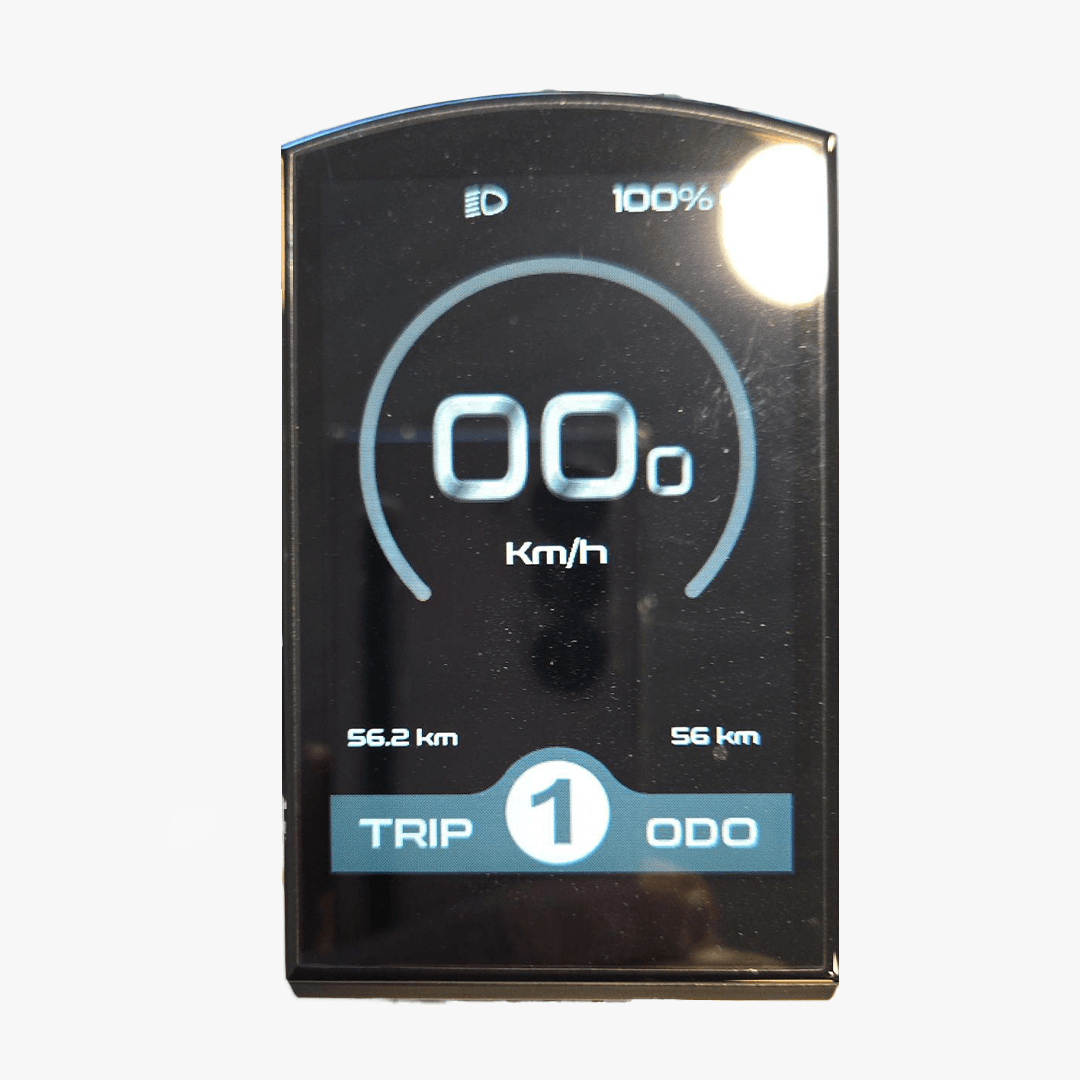
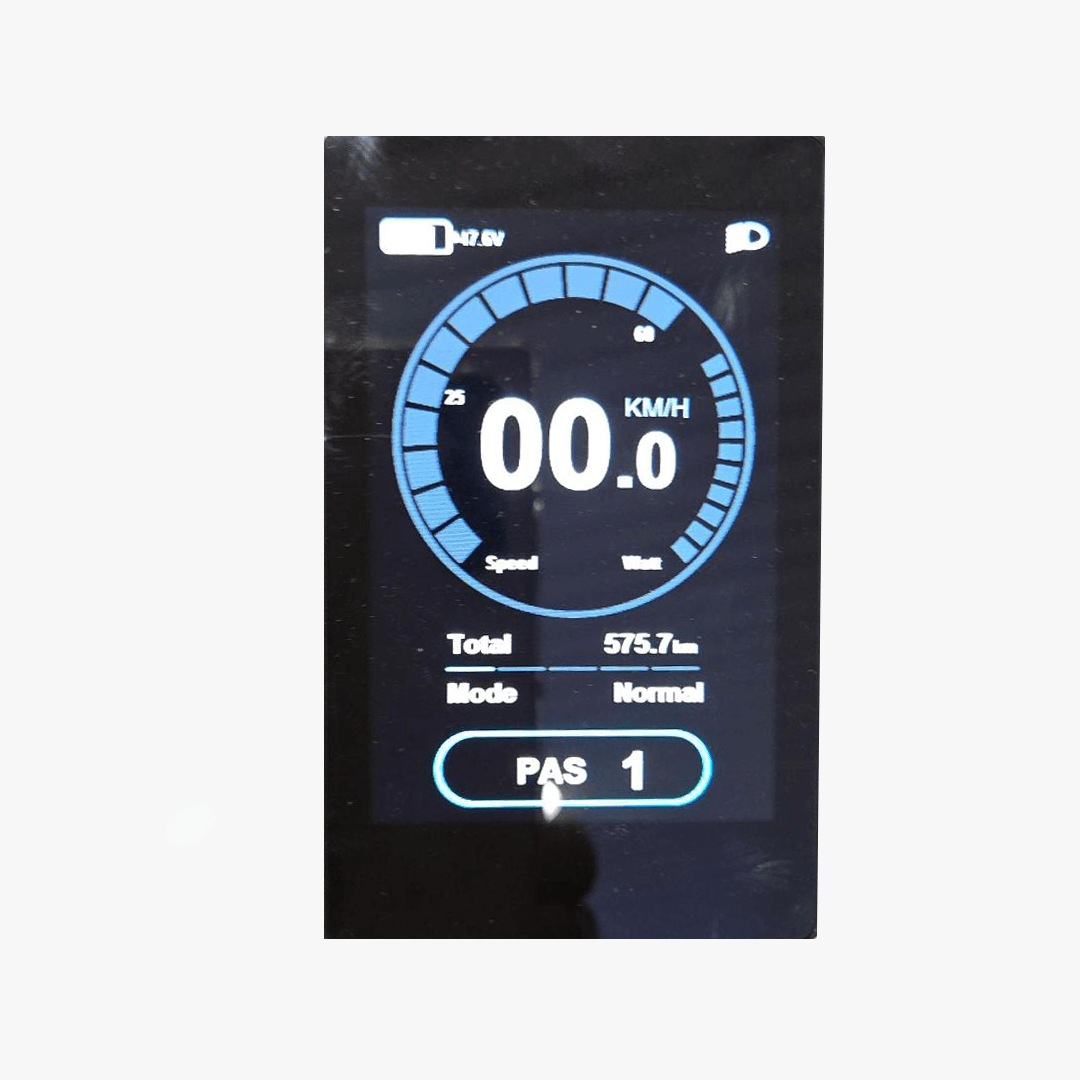
| Speedometer | Yes | Adherence to speed limits and pace control |
| Bell | Yes | Clear signal in the city and on shared paths |
| White front light + red rear light | Yes | Permanent visibility, including during the day |
| Full-finger gloves | No, but highly recommended | Hand protection and better grip |
| Effective mudguards | No, but very useful | Comfort, cleanliness, visibility |
| Serious anti-theft device | No, but essential for daily use | Protection for an expensive bike |
What should be remembered is that the bare legal minimum is not always enough to make a speed bike enjoyable to ride all year round. For regular use, certain accessories quickly become essential, even if they are not on the list of obligations.
Safety equipment

The helmet remains the first real decision. The legal minimum in Switzerland is a compliant bicycle helmet, but for a speed bike, it is more appropriate to aim for a higher level of protection. More and more users are looking at helmets designed for fast bikes, with better coverage and sometimes rotational protection technologies. At 45 km/h, this is not a luxury.
Next come gloves. They are not legally required, but they are among the smartest accessories for a speed bike. Hands are often the first to hit the ground in a fall, and full-finger gloves also improve lever control when it rains or is cold. For daily use, they should almost be part of the basic kit.
Visibility should also be treated as safety equipment, not as a detail. Visible colors, reflective elements, and impeccable lighting really change how other users perceive you. This is even more important if you ride early in the morning, in winter, or in bad weather. For this point, the TCS tips for cycling in rain and cold weather remain very useful.
Comfort equipment
What makes a speed bike enjoyable for twelve months is not just the battery or the motor. It is also the quality of the comfort equipment. At 45 km/h, the relative wind is stronger than on a classic bicycle. A flapping jacket, poorly protected wrists, or an unstable bag quickly become annoying on a regular commute.
The most useful everyday accessories are often the least spectacular:
-
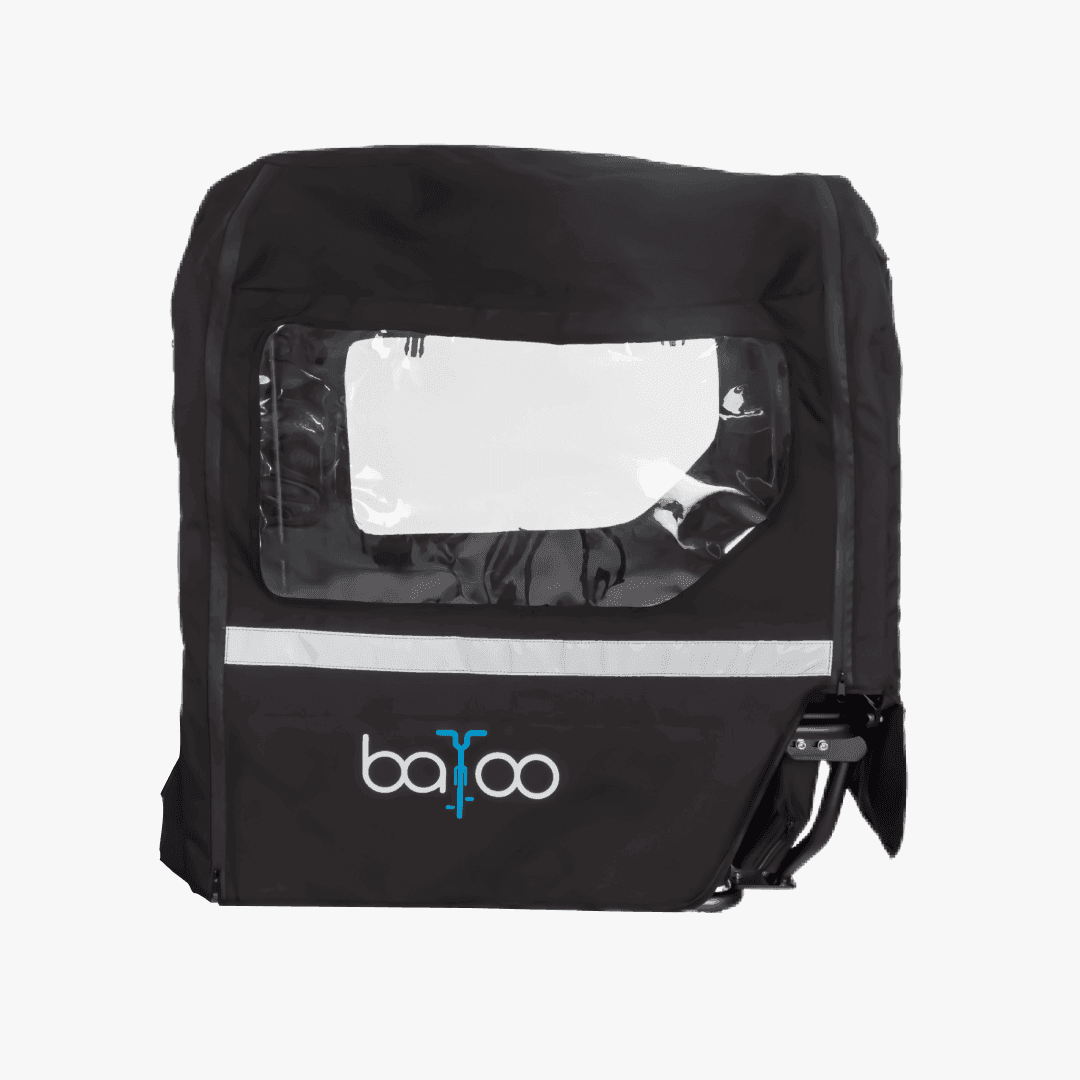
really covering mudguards
-
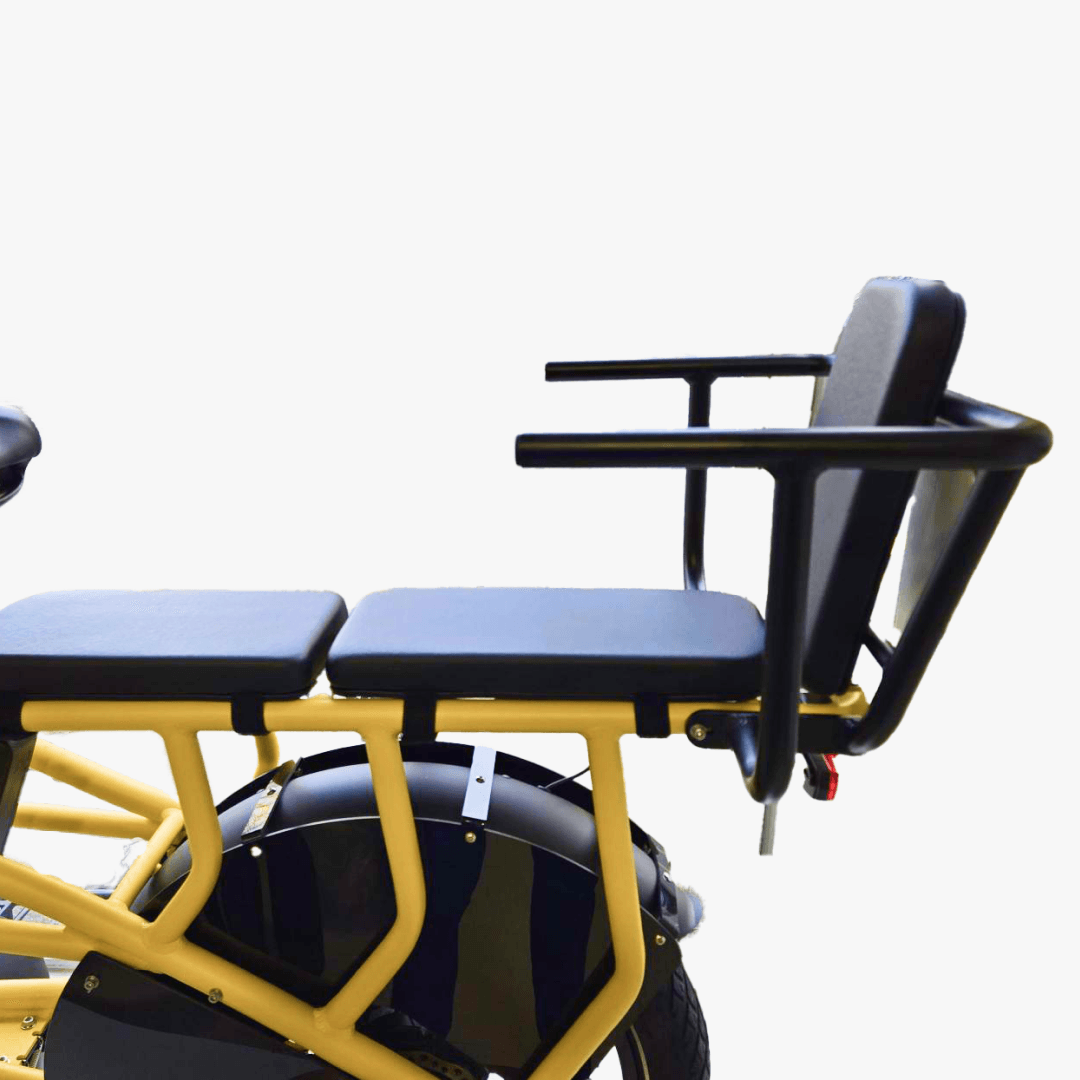
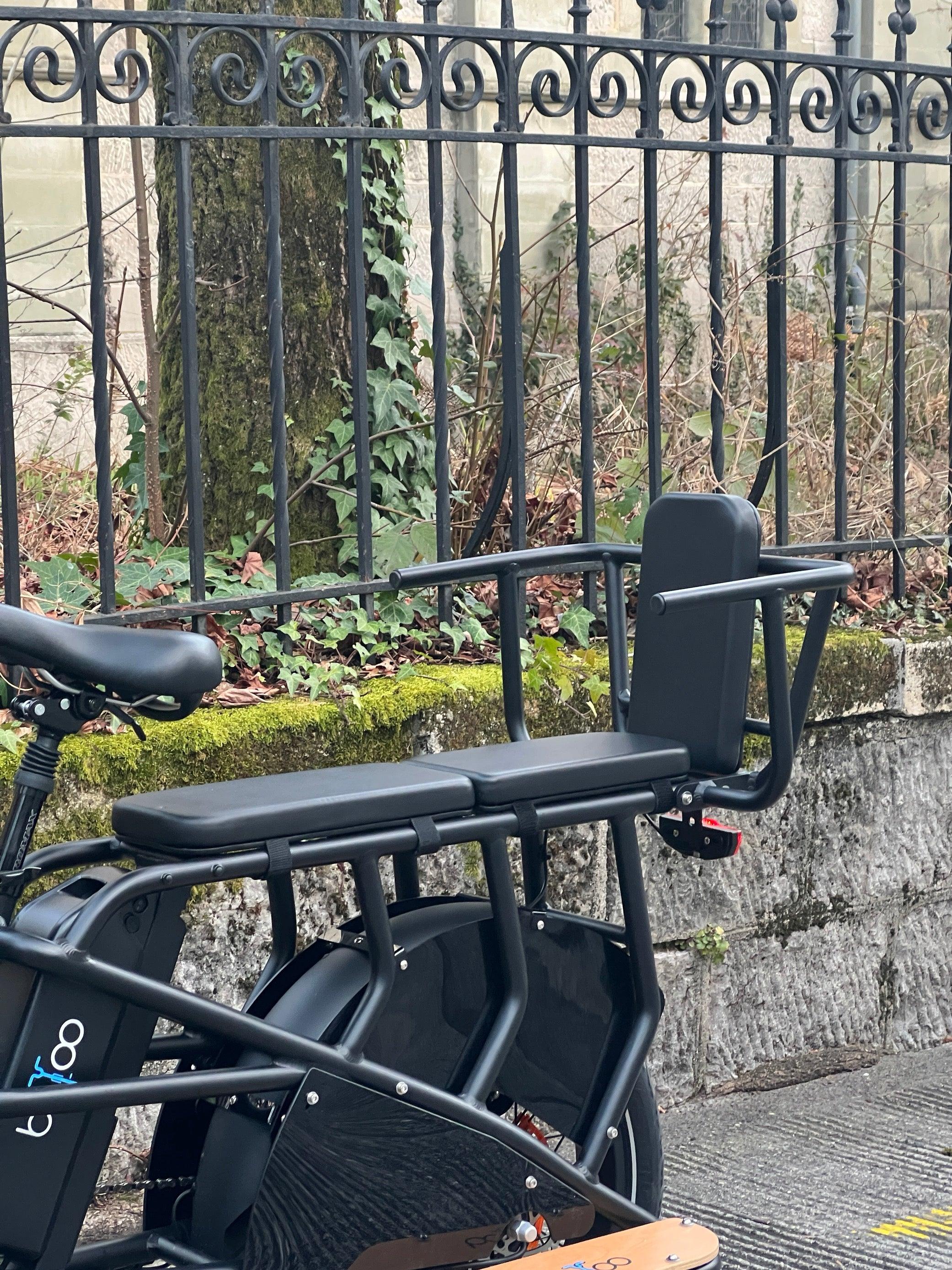
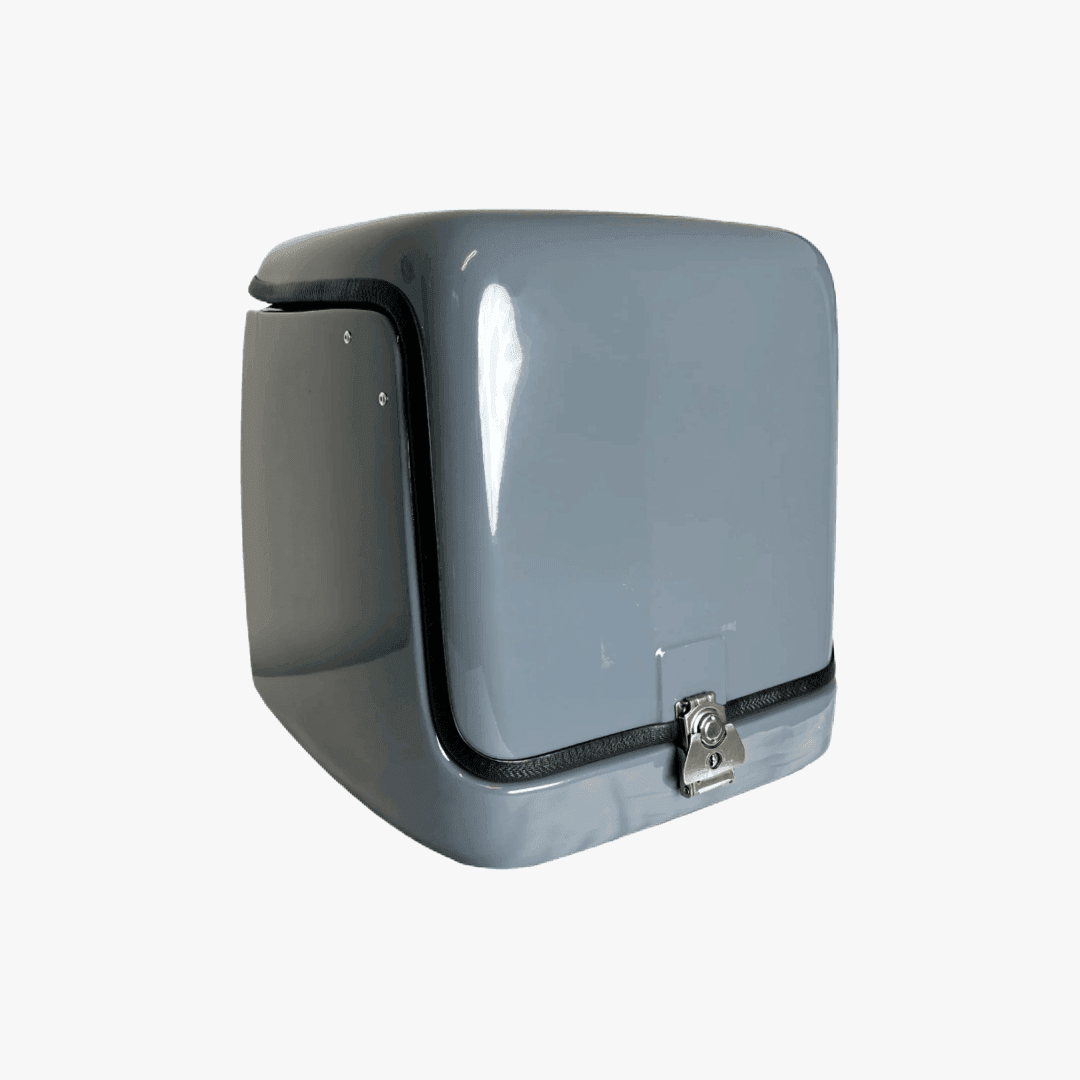
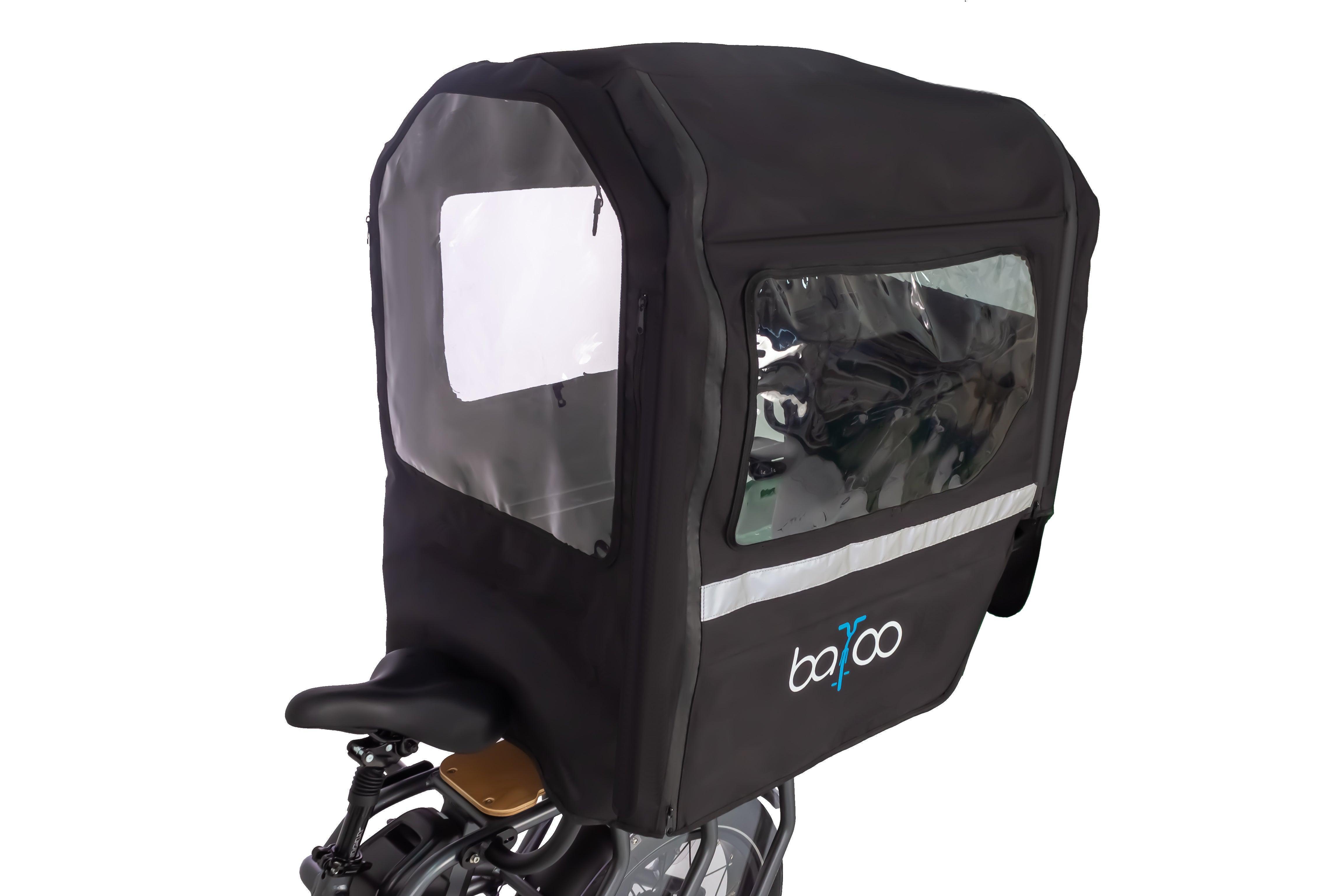
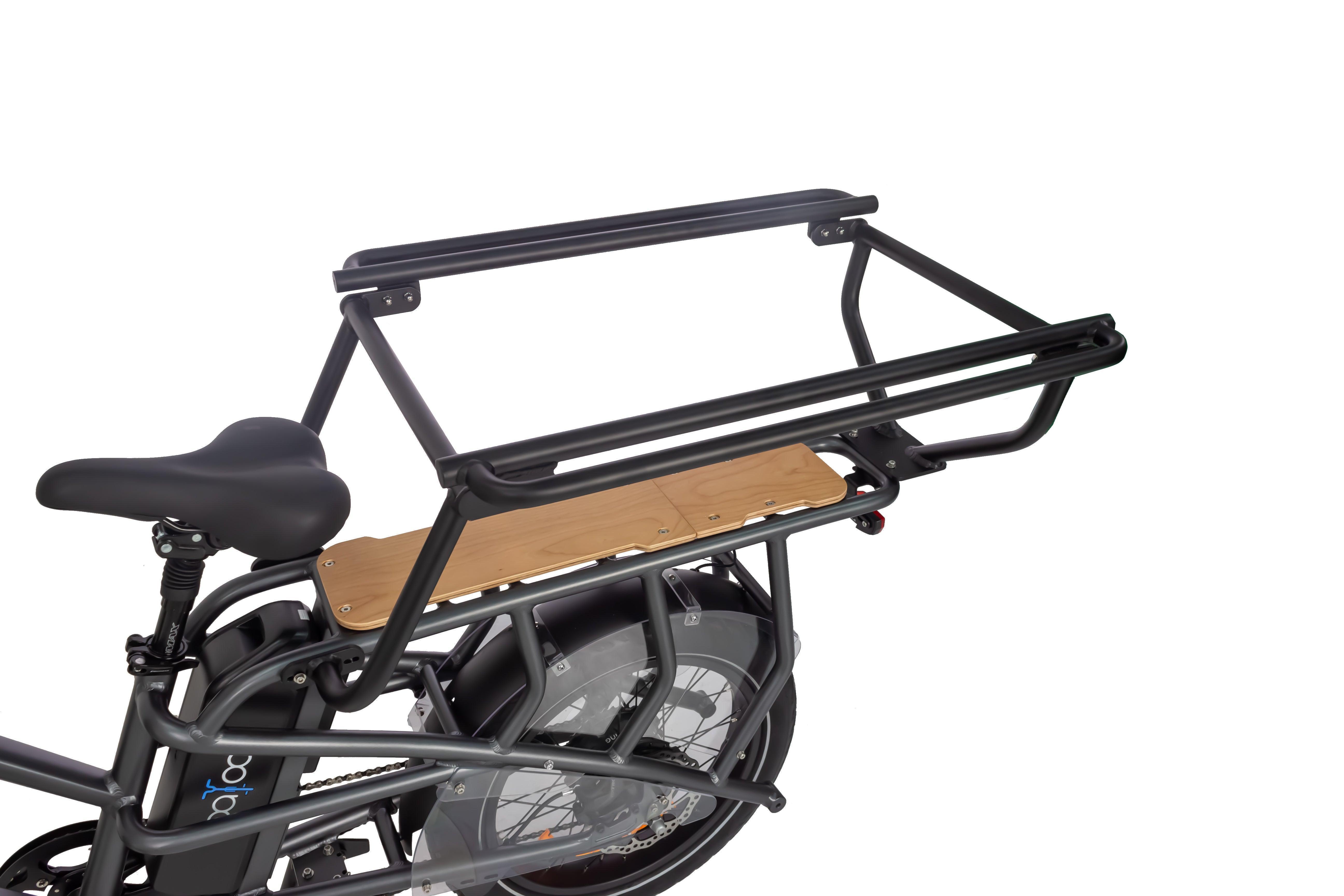
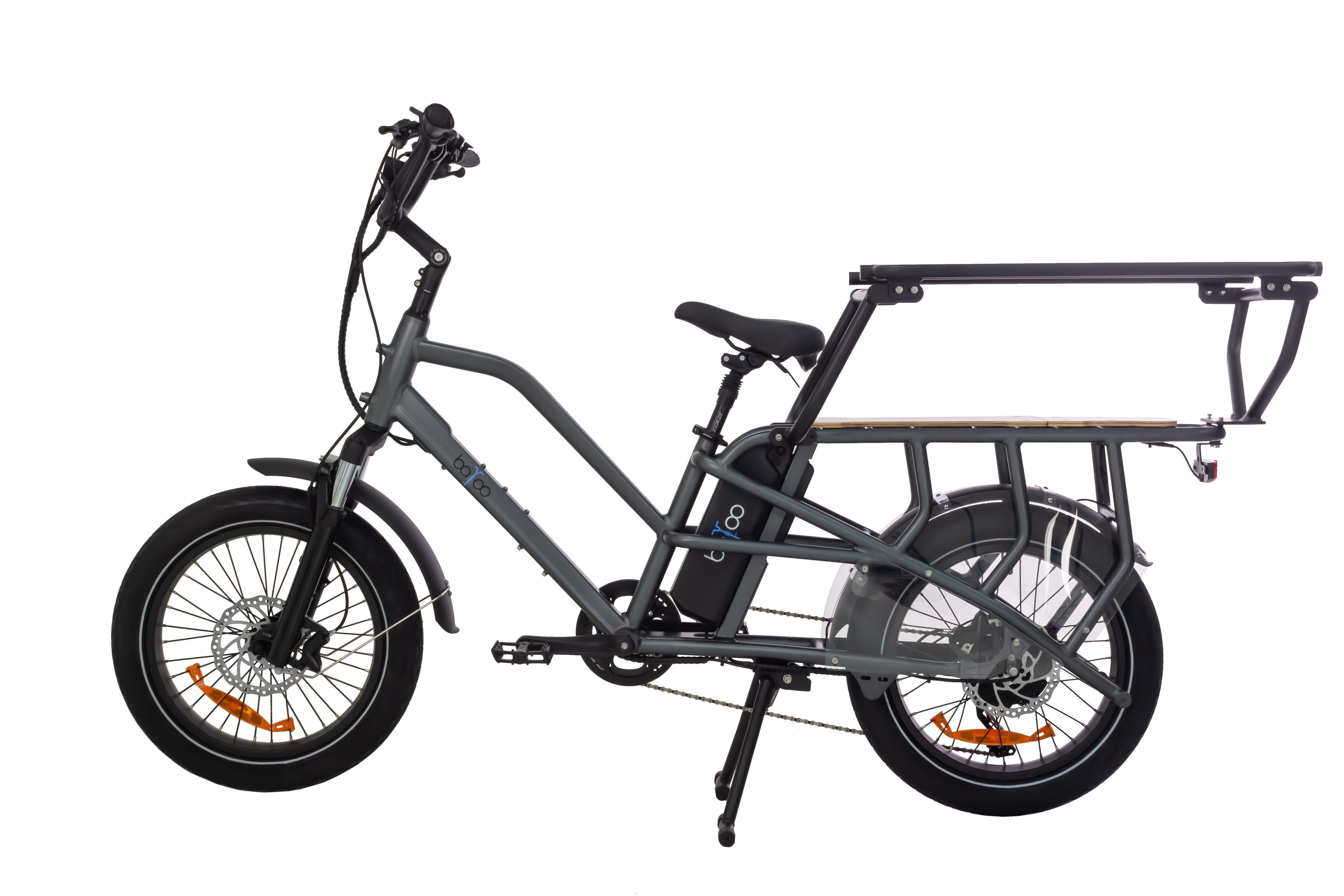
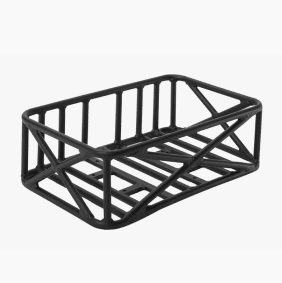
a stable pannier or carrying system
-
season-appropriate gloves
-
clear glasses or a visor depending on the weather
-
a good anti-theft device for stops at work, the train station, or in town
On this point, the logic is simple: anything that reduces discomfort, fatigue, or minor irritations during the journey increases your chances of actually using the bike all year round. And to know if a speed bike truly suits your daily use, the comparison speed bike or 25 km/h electric bike can also help put the level of equipment into perspective.
Rain and winter equipment
It is in autumn and winter that you see if the equipment has been well thought out. Riding a speed bike in the rain or dry cold requires a little more than a simple windbreaker jacket. You need to protect your body, maintain good mobility, and remain visible.
For a speed bike used all year round, this basic setup works very well:
| Season / weather | Most useful equipment |
|---|---|
| Moderate rain | waterproof jacket, mudguards, gloves with grip |
| Dry cold | breathable base layer, warm layer, winter gloves |
| Rain + cold | warm waterproof jacket, over-trousers, shoe covers, waterproof gloves |
| Daily commute | light change of clothes, bag cover, reflective elements |
| Night or low visibility | reliable lighting, reflective strips, visible colors |
In winter, the classic pitfall is to overdress at the start and then get too hot after ten minutes. The most effective approach is often the layering principle: a breathable base, an insulating mid-layer if necessary, then a protective outer layer against wind or rain. On a speed bike, this works much better than a single thick garment.
And if you often ride in the rain, the BatooBike article on electric bikes in the rain complements this logic very well with good braking, visibility, and maintenance habits.
Commuter accessories
A regular user doesn't need to buy everything at once, but they should have a coherent kit. For genuine home-to-work use, the accessories that change the experience the most are those that simplify the routine: reliable lighting, quick-to-don rain gear, practical storage, a serious anti-theft device, and possibly a second pair of gloves left at the office or in a bag.
For a commuter, the most useful are often:
-
a well-ventilated but protective helmet
-
summer + winter gloves
-
a visible rain jacket
-
compact rain trousers
-
a carrying solution that prevents a soaked bag on your back
-
a robust anti-theft device
-
possibly a change of clothes at work
It's often these details that allow you to ride all year instead of leaving the bike in the garage from November onwards. A well-equipped speed bike then becomes a true daily vehicle, not just a fast bike you only use when conditions are perfect.
Prioritize by budget
Not everyone wants to turn their speed bike into an accessory catalog from day one. The smartest approach is therefore to prioritize.
| Budget level | Buy first |
|---|---|
| Tight budget | well-chosen helmet, full-finger gloves, impeccable lighting, anti-theft device |
| Intermediate budget | complete rain kit, stable pannier, efficient mudguards |
| Annual comfort budget | second pair of gloves, glasses or visor, change of clothes, dedicated winter accessories |
This hierarchy follows the actual order of importance: first safety, then regularity of use, then long-term comfort. Legal obligations come first, intelligent protections immediately after, and comfort accessories gain their full value when the speed bike becomes a true weekday companion.
Conclusion
To ride a speed bike all year round, you don't necessarily need a lot of equipment. You mainly need the right equipment. The realistic minimum consists of a few things: a helmet consistent with the speed, impeccable visibility, serious gloves, proper rain gear, and an anti-theft device that is not merely symbolic. From there, you can already ride often, for long periods, and in good conditions.
The rest depends on your usage. A year-round commuter will not equip themselves in the same way as someone who only rides on nice days. But in all cases, the best logic remains the same: prioritize safety, then the comfort that will allow you to continue using the bike in January as well as in June. Good equipment does not just make the speed bike safer. It makes it sustainably usable.
Final FAQ
What equipment is needed for a speed bike?
The strict minimum includes a helmet, left mirror, speedometer, bell, and compliant front/rear lighting that is always on. In actual use, you should add at least full-finger gloves, a good anti-theft device, and rain protection if you ride often.
What accessories are most useful for daily use?
The most useful are often effective mudguards, season-appropriate gloves, a visible rain jacket, a practical pannier, and a serious anti-theft device. These are what truly change the daily experience for a commuter.
How to ride a speed bike in winter?
The most effective approach is to think in layers: breathable, insulating, protective. You also need appropriate gloves, good visibility, waterproof clothing if necessary, and a simple solution to stay comfortable without overheating.
What clothes to choose for a commute?
For a commute, you need clothes that are easy to put on, visible, and truly adapted to the weather: a waterproof jacket, a breathable layer, gloves, possibly over-trousers, and protected shoes. The right clothing is what keeps you visible and functional without arriving soaked or overheated.
What equipment really improves safety?
A well-fitting helmet, gloves, lighting, reflective elements, and compliance with mandatory equipment are what most concretely improve safety. For a speed bike, a more protective helmet and excellent visibility are particularly appropriate.