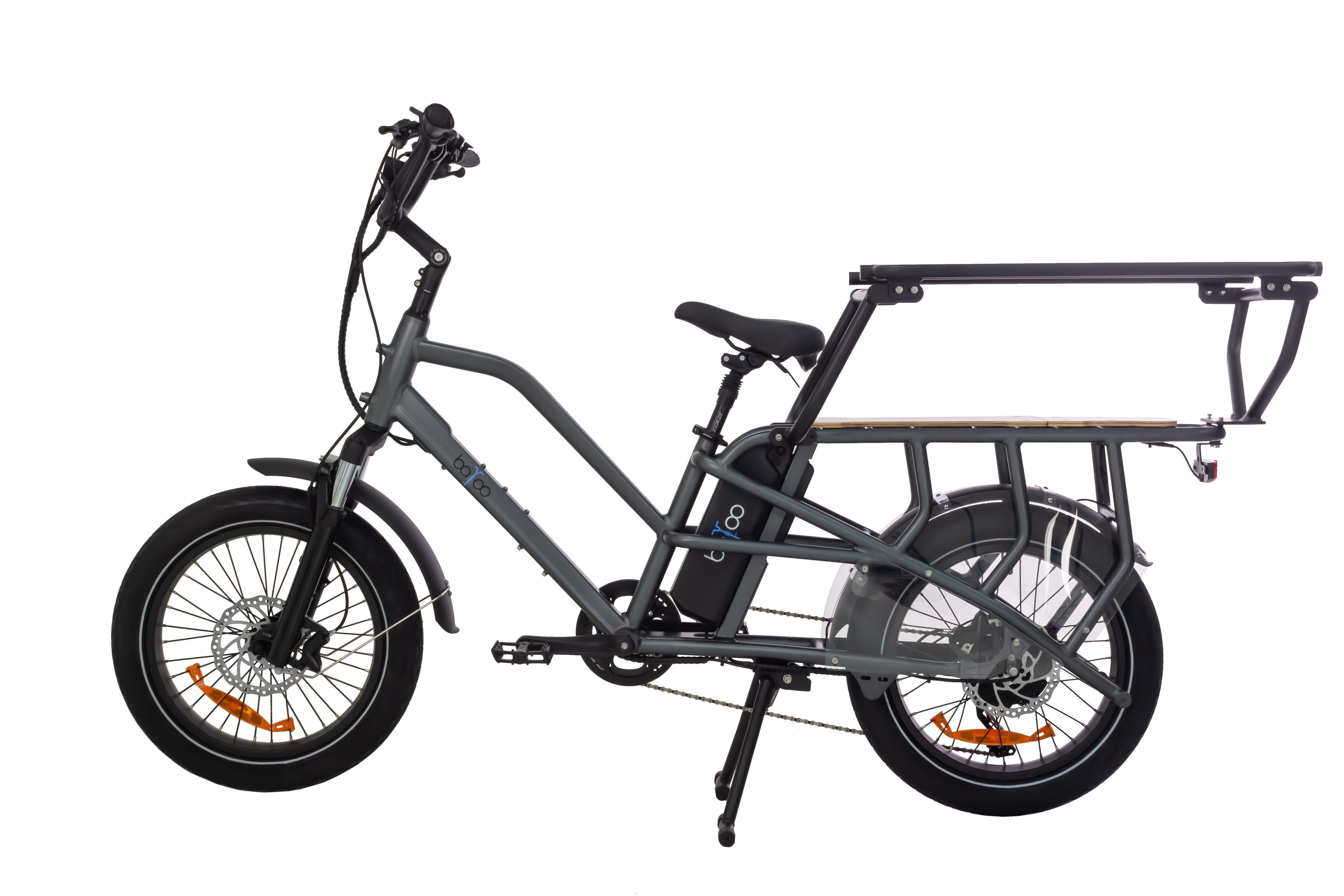
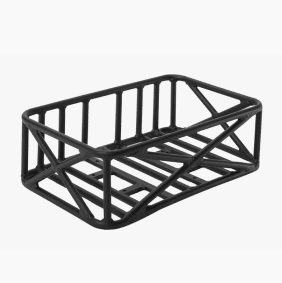
A speed bike can be fast, powerful, and comfortable, but that’s not always enough to make it a true commuting bike. To use it every day between home and work, you also need to be able to carry your belongings, brave the rain, park without stress, and arrive at the office in good condition.
Good accessories, therefore, don't just personalize the bike. They genuinely transform the daily experience. A good pair of panniers means you don't have to cycle with a heavy bag on your back. Effective mudguards allow you to continue after a downpour. A serious anti-theft lock simplifies stops in the city. A compact rain suit means you don't have to give up as soon as the weather changes.
The goal is not to buy the entire catalog on day one. You should start with elements that improve safety, then add accessories that make the journey more practical and comfortable. To discover electric mobility solutions and equipment offered in Switzerland, you can start by exploring BatooBike.
Truly useful accessories
A useful accessory is equipment that solves a regular problem. If you arrive every morning with a wet back because of your bag, panniers become useful. If you waste time securing your bike, a better anti-theft lock becomes a priority. If rain prevents you from riding, mudguards and waterproof clothing will be more valuable than an extra electronic accessory.
For commuting, needs generally fall into five categories:
- safety
- carrying belongings
- comfort
- weather protection
- breakdown and routine maintenance
Here's an initial overview:
| Need | Priority accessories |
|---|---|
| Riding safely | Helmet, lights, mirror, visible clothing |
| Parking at work | Robust anti-theft lock, secondary protection, optional tracker |
| Carrying belongings | Panniers, basket, waterproof bag |
| Riding in the rain | Mudguards, jacket, over-trousers, shoe covers |
| Improving comfort | Gloves, glasses, suitable saddle, ergonomic grips |
| Managing unexpected events | Pump, repair kit, multi-tool |
| Charging at the office | Compatible charger or authorized second charger |
The BatooBike guide on essential equipment for riding a speed bike all year round also helps distinguish between legal minimums and accessories that become truly useful in daily use.
Safety first
Before panniers, comfort, or connected accessories, you need to check that your speed bike is properly equipped for riding in Switzerland. A helmet is mandatory on a fast electric bike. The bike must also have the lighting and rearview mirror required for this category.
Even if an item is already supplied with the bike, you should check that it matches your usage. A small light may be enough to comply, but become limited if you ride on a dark road every morning. A poorly adjusted mirror will be present without being truly useful.
The first elements to check are:
- well-adjusted helmet
- sufficiently powerful front light
- visible rear light
- correctly positioned rearview mirror
- reflective elements
- functional bell
- tires adapted to speed
- brakes in perfect condition
At 45 km/h, visibility and braking become particularly important. You arrive faster than some motorists or pedestrians anticipate. Visible equipment and preventive riding reduce this discrepancy.
Which helmet to choose?

For a speed bike, the helmet should not be chosen solely based on its appearance. You need to check the level of protection, size, ventilation, and fit.
A good commuting helmet should remain comfortable for several tens of minutes, not move when you turn your head, and allow for wearing glasses or a thin cold protection if necessary.
The most useful criteria are:
- truly appropriate size
- precise adjustment at the back
- comfortable chin strap
- good head coverage
- sufficient ventilation
- compatibility with glasses or visor
- optional reflective elements
For fast and regular use, it is wise to look at helmets specifically designed for fast electric bikes, especially models that meet the NTA 8776 standard.
Lighting: seeing and being seen
A speed bike used for commuting often rides early in the morning, late in the day, or during winter. The lighting should therefore not only allow others to spot you. It should also help you read the road.
A good front light should allow you to see:
- holes
- gravel
- leaves
- road markings
- obstacles
- changes in road surface
The rear light must remain visible despite rain, a pannier, or a long coat. After installing accessories, check that they do not obstruct the lighting.
Simple details also improve visibility: light-colored clothing, reflective strips on panniers, visible elements on ankles, and an easily noticeable helmet.
Anti-theft: essential for commuting
A speed bike often represents a significant investment. Leaving it for several hours in front of an office or a station with a light anti-theft lock is therefore not consistent.
For daily use, the ideal is to combine solid mechanical protection with a good fixed point. A U-lock or a robust chain can serve as primary protection. A frame lock, a second chain, or a tracker can complete the system.
The BatooBike high-security padlock, for example, offers a robust solution for attaching the bike to a fixed support. However, you must always check that its length and format correspond to the frame of your speed bike and the type of support used.
Here are the most logical combinations:
| Parking | Recommended protection |
|---|---|
| Very short stop | Solid main anti-theft lock |
| Several hours at the office | U-lock or chain + fixed point |
| Station or very busy area | Two different types of anti-theft locks |
| Shared garage | Robust chain + anchor |
| High-end bike | Double protection + optional tracker |
| Overnight parking | Enclosed or secure space preferred |
The BatooBike article on choosing an anti-theft device for a high-end electric bike details the differences between U-locks, chains, fixed anchors, and trackers.
Practical priority for work
Commuting requires carrying more than just a phone. Sometimes you need to bring a computer, a charger, clothes, a meal, shoes, and some personal belongings.
Riding with a backpack is still possible, but it can become uncomfortable on a long journey. At the speed of a speed bike, your back quickly heats up, the weight pulls on your shoulders, and rain can reach the contents.
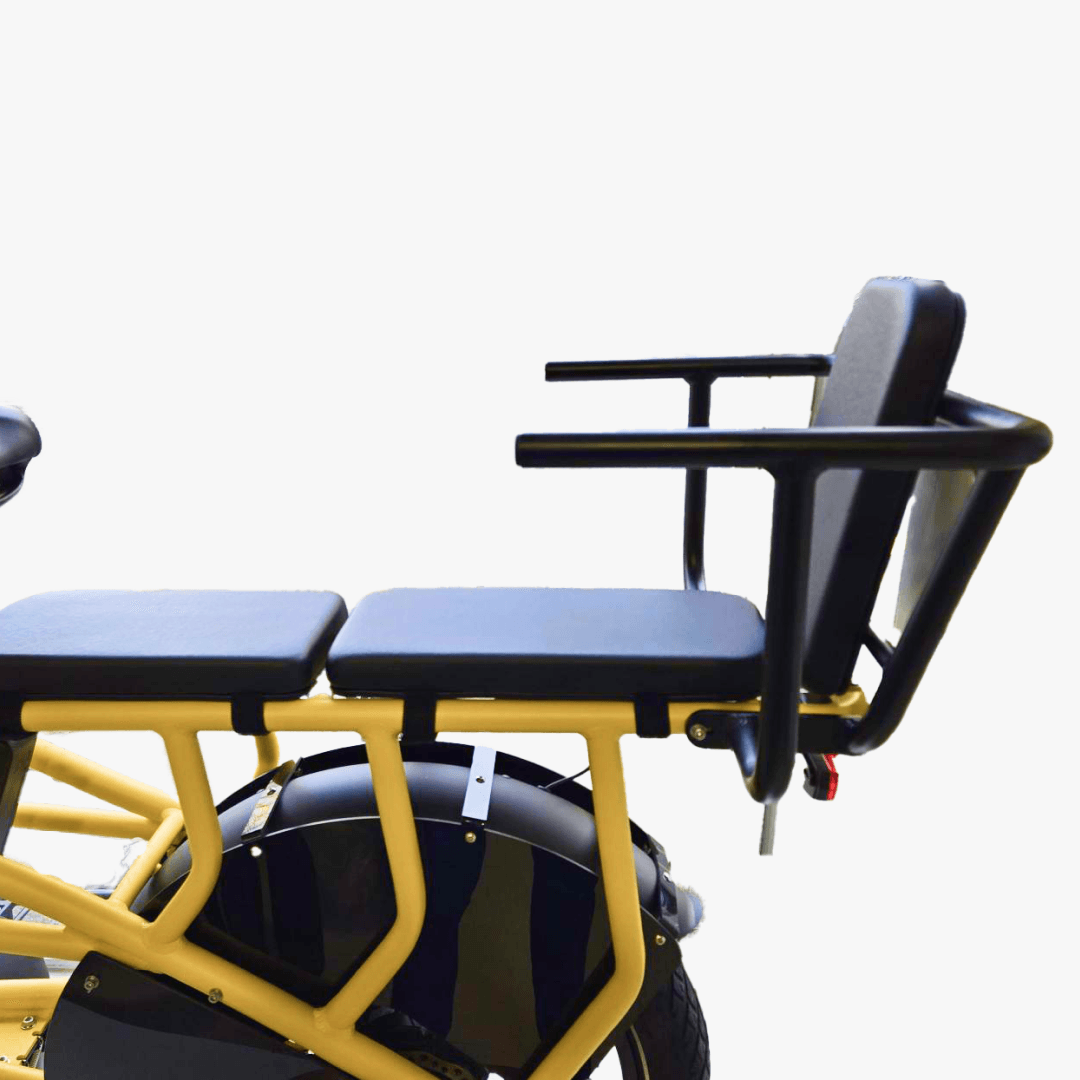
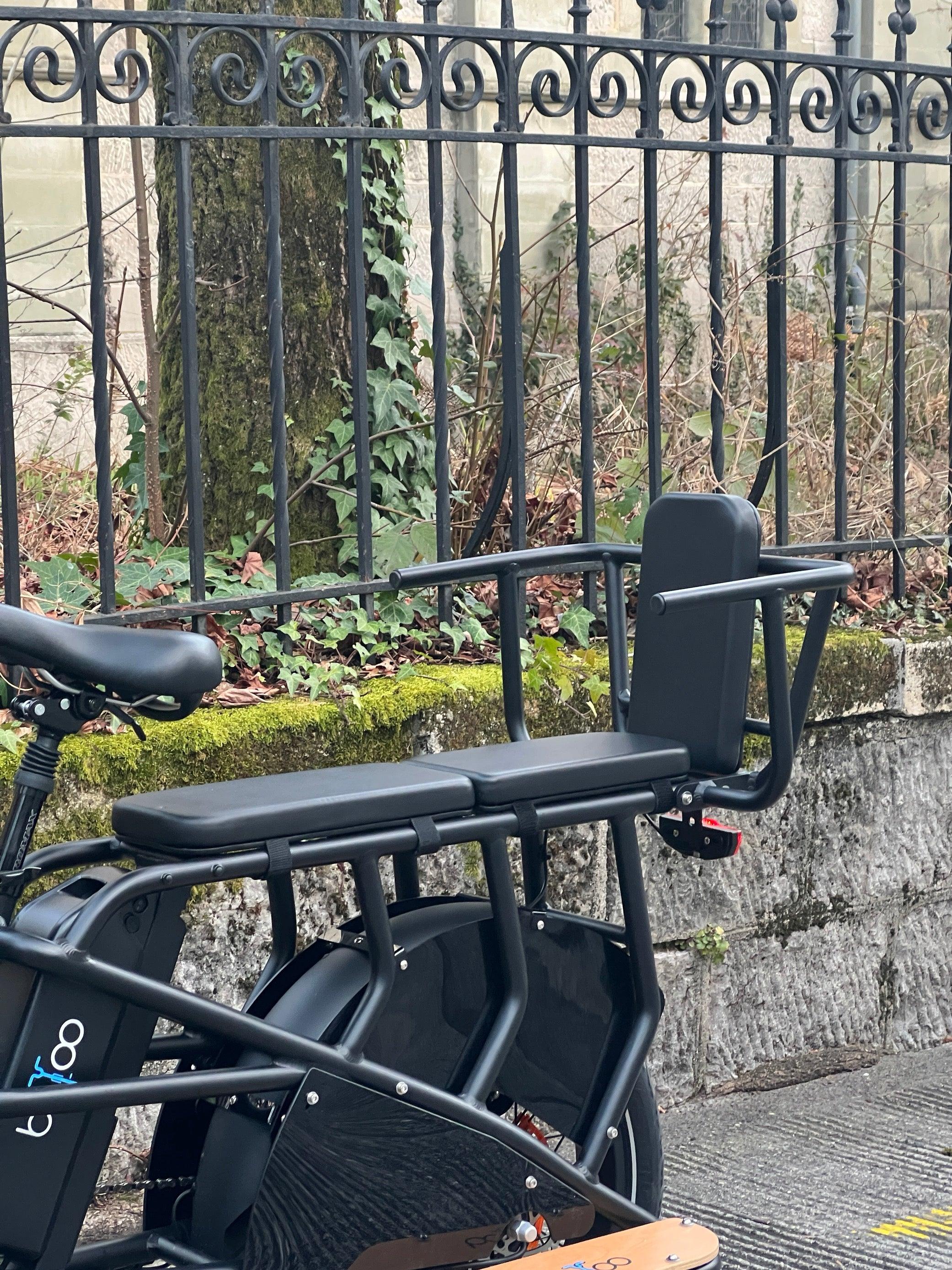
Panniers allow you to transfer the load to the bike. They improve comfort and facilitate organization at work.
The criteria to consider are:
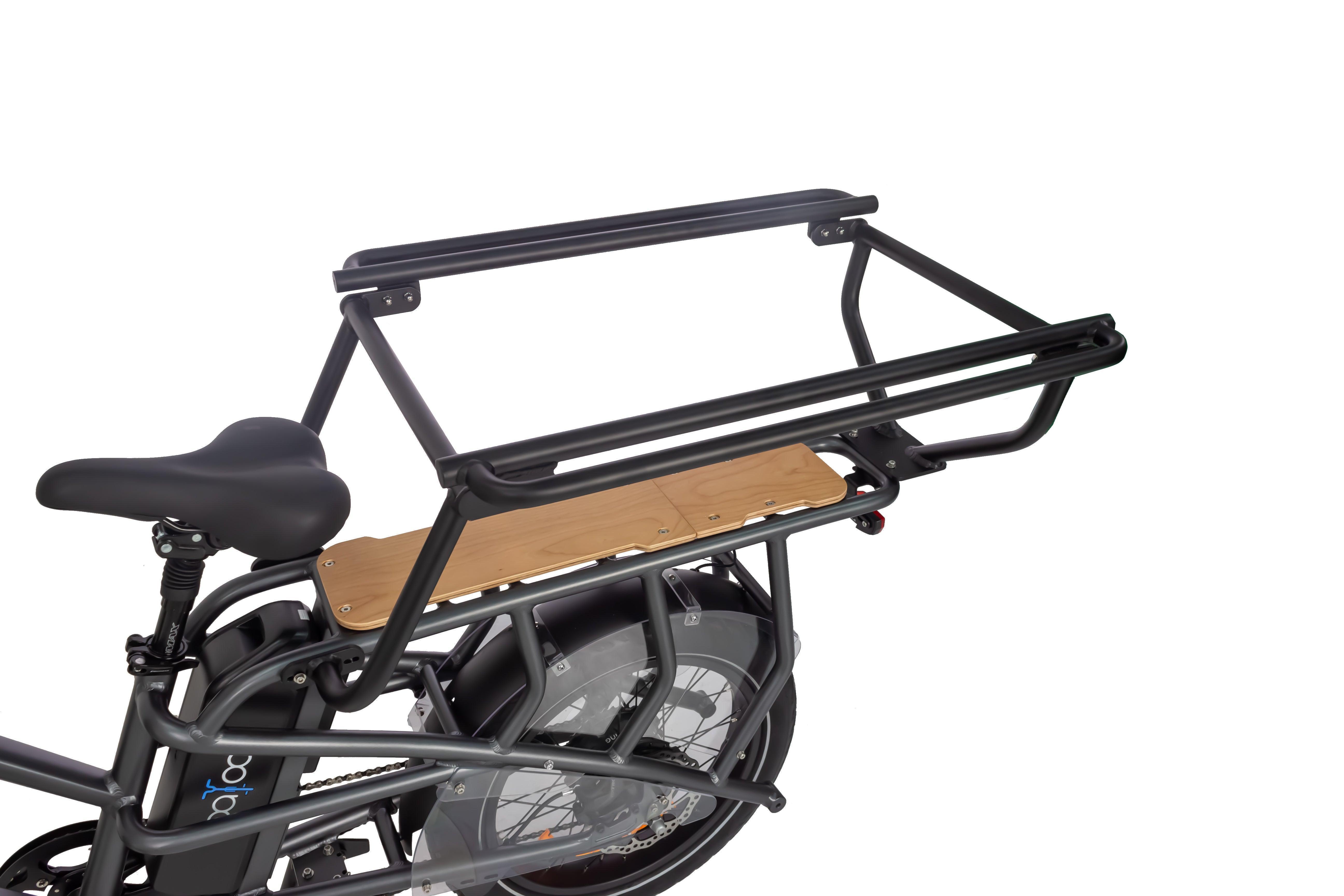
- compatibility with the luggage rack
- stable attachment at high speed
- rain resistance
- simple closure
- sufficient capacity
- reflective elements
- ability to quickly remove the pannier
- space suitable for a laptop
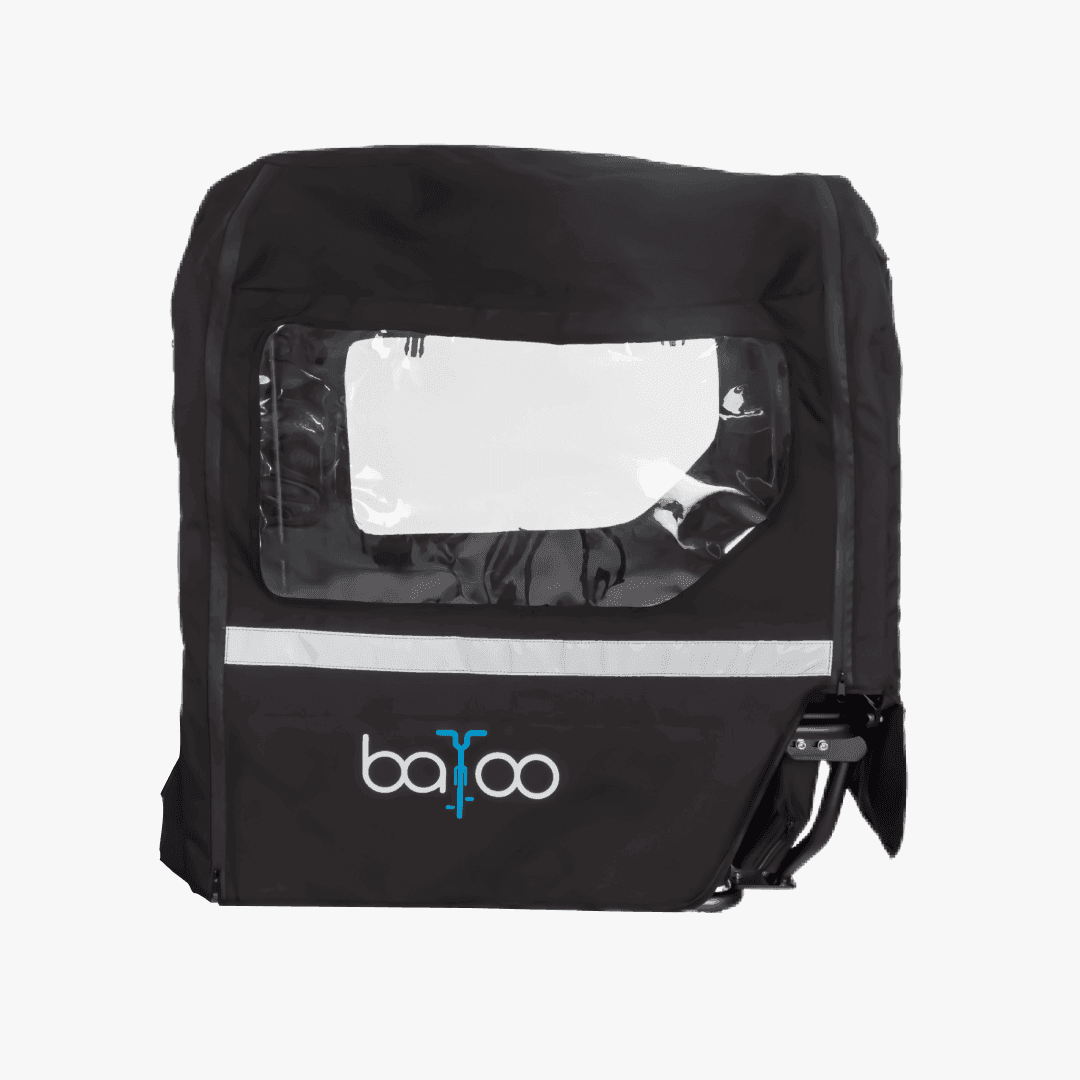
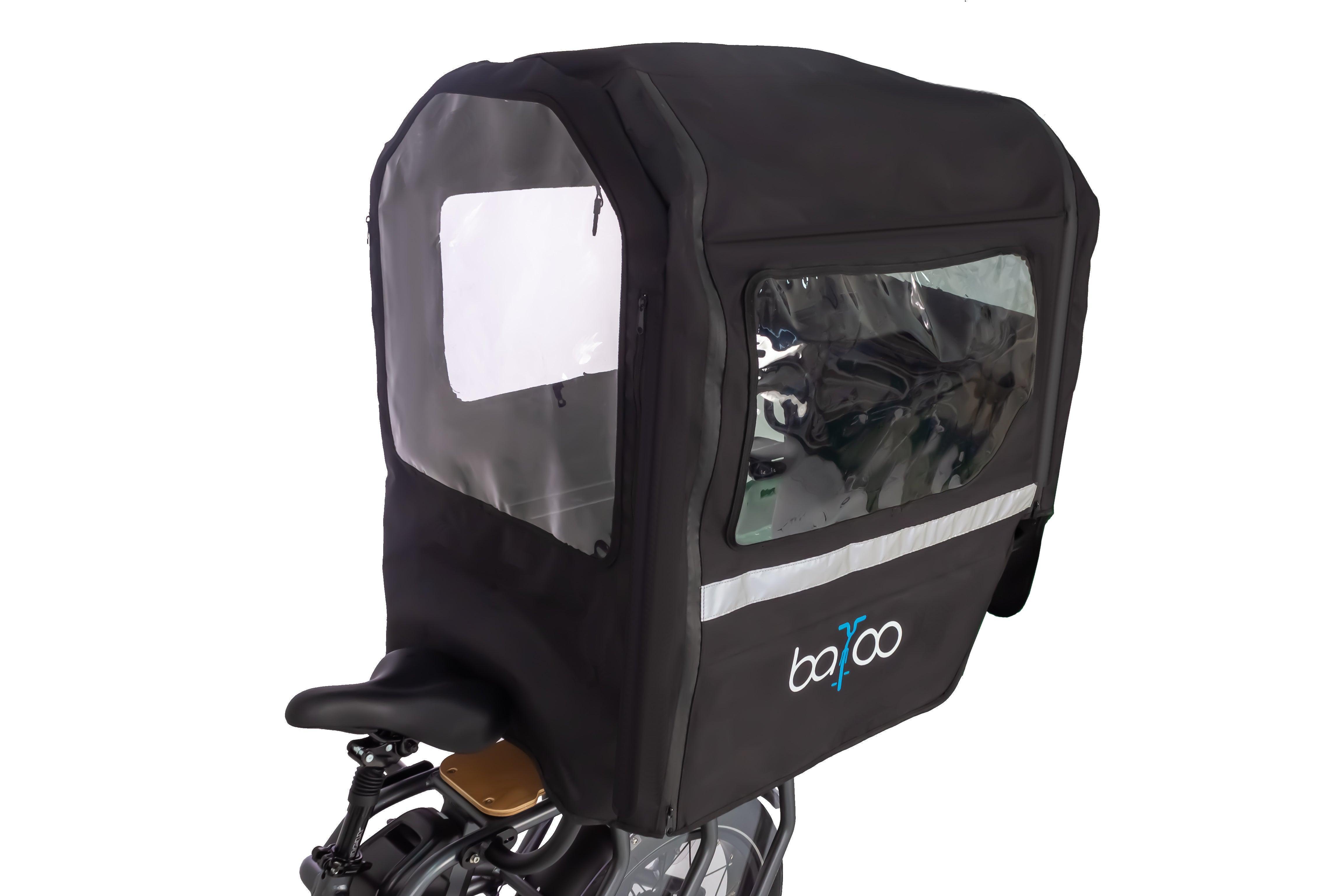
The BatooBike side panniers are designed to protect belongings from bad weather and facilitate daily transport. Before purchasing, however, you should check the compatibility of the attachment with the speed bike's luggage rack.
Single pannier or pair of panniers?
A single pannier may be sufficient for a laptop, a meal, and some clothes. It is quick to install and limits the volume transported.
A pair of panniers becomes more interesting if you regularly carry:
- change of clothes
- groceries on the way back
- professional equipment
- shoes
- rain gear
- charger and accessories
- belongings for several activities
You just need to distribute the weight correctly. A very heavy pannier on only one side can make the bike less pleasant to handle at low speed.
For a fast journey, panniers must be properly closed and securely attached. A loose attachment or a free strap can become bothersome, especially near the wheel.
The charger at the office
For a short or medium commute, it is not always necessary to recharge at work. But for a long daily commute, charging at the office can avoid investing in a larger battery or a dual battery.
Two solutions are possible:
- carrying the charger every day
- leaving a second compatible charger at the office
The second option is more comfortable, but it requires the employer's agreement and a suitable space. You must use a charger validated for the battery, avoid dubious generic models, and not improvise a charge in a passageway.
The BatooBike guide on charging an electric bike at the office or at home explains the precautions regarding outlets, removable batteries, and charging habits.
Comfort priority
A commuting speed bike must remain comfortable after several tens of minutes, not just during a short test ride. Wind, vibrations, and posture become more noticeable as the distance increases.
The most useful comfort accessories are often:
- gloves adapted to the season
- transparent or lightly tinted glasses
- ergonomic grips
- saddle adapted to your position
- suspension seat post if compatible
- well-adjusted rearview mirror
- stable luggage rack
- correctly positioned phone holder
However, you should avoid buying a saddle or grips solely based on general opinions. Comfort depends on your posture, morphology, and the geometry of the bike.
Before replacing components, first check the adjustments: saddle height, setback, handlebar position, and grip angle. Good adjustment can resolve discomfort without additional purchases.
Gloves: comfort and control
Gloves are useful all year round. In summer, they improve grip and reduce irritation. In winter, they protect against cold and allow for precision on the brakes.
For commuting, it is often useful to have two pairs:
- a light pair for mild temperatures
- a warm and waterproof pair for winter
Gloves that are too thick can hinder the use of controls. Gloves that are too thin quickly become uncomfortable at high speeds. The right model should allow you to brake and change assistance mode effortlessly.
Glasses or visor
At the speed of a speed bike, eyes are exposed to wind, dust, insects, and rain. Adapted glasses can therefore improve comfort and concentration.
For a morning or winter commute, clear lenses are often more versatile. For very bright days, a tinted pair can be useful. Avoid overly dark lenses if you return after sunset.
Weather priority
A true commuting bike must remain usable when the weather is not perfect. Rain accessories are therefore essential to increase the number of actual riding days.
Mudguards come first. They protect clothes, shoes, the bike, and sometimes people riding behind you. On a speed bike, they must be long and rigid enough to remain stable at high speeds.
The most useful weather kit generally includes:
- full-coverage mudguards
- breathable waterproof jacket
- compact over-trousers
- waterproof gloves
- shoe covers
- waterproof panniers
- clear glasses
- compact cloth
For daily commutes, it's better to have rain gear that's easy to put on than very technical equipment left at home because it's too bulky.
The BatooBike guide on speed biking in the rain also explains how to adjust speed, braking, and checks after the ride.
Mudguards
Mudguards that are too short do not adequately protect shoes and the back. They can also spray water onto the drivetrain or luggage rack.
Before purchasing, check:
- wheel size
- tire width
- available mounting points
- compatibility with the frame
- clearance around the tires
- presence of mud flaps if any
On a speed bike, compatibility is essential. A poorly attached accessory can vibrate or touch the tire at high speeds. Therefore, it's better to have the installation validated at a workshop if in doubt.
Winter equipment
When temperatures drop, the wind chill becomes particularly significant on a speed bike. Extremities must be protected without losing mobility.
The most useful winter kit includes:
- breathable base layer
- windproof jacket
- warm gloves
- neck warmer
- suitable socks
- shoe covers
- impeccable lighting
- reflective elements
It is often preferable to layer several thin layers rather than wearing a single very thick garment. This allows for better temperature management during the ride.
To continue riding during the cold months, the BatooBike guide on speed biking in winter complements this list with advice on battery, tires, and maintenance.
The small repair kit
For regular commuting, a small repair kit allows you to handle the simplest problems without carrying a complete workshop.
It can contain:
- mini-pump
- tire levers
- compatible inner tube if necessary
- multi-tool
- patches
- small cloth
- thin gloves
- a few reusable ties
- assistance or workshop contact details
Before working on a speed bike, however, you must know your limits. Repairs related to the motor, battery, hydraulic brakes, or electronics should be entrusted to a professional.
Phone holder and navigation
A phone holder can be useful for navigation, but it should not become a distraction. The phone must be securely attached, quickly readable, and configured before departure.
Avoid:
- typing an address while riding
- reading messages
- manipulating the screen in traffic
- installing a holder that obstructs controls
- using an unstable system on rough roads
For regular commutes, it's often simpler to memorize the route and only use your phone for changes or important alerts.
How to prioritize your purchases?
Buying everything at once is not necessary. The best method is to observe the problems you encounter during the first few weeks, then invest in accessories that genuinely solve them.
Here's a simple hierarchy:
| Level | Priority Accessories |
|---|---|
| Level 1: Safety | Helmet, compliant lighting, rearview mirror, anti-theft device |
| Level 2: Commuting | Panniers, mudguards, repair kit |
| Level 3: Weather | Rain jacket, gloves, rain over-trousers, shoe covers |
| Level 4: Comfort | Glasses, grips, saddle or suspension seatpost |
| Level 5: Optimization | Second charger, tracker, connected accessories |
To discover the equipment currently available, you can browse the BatooBike accessories collection.
Where to start with a limited budget?
With a limited budget, start with what protects the cyclist and the bike.
The recommended order is:
- A properly fitted helmet
- A serious anti-theft device
- Reliable lighting and good visibility
- Mudguards if the bike doesn't have them
- A pannier to avoid carrying a bag on your back
- A compact rain jacket
- A small repair kit
Once you have this base, you can gradually improve comfort with seasonal gloves, glasses, a second pannier, or a charger left at work.
The goal is not to make the bike more complex. On the contrary, it's about simplifying each step: leaving, transporting, parking, charging, and returning.
Example configuration based on usage
| Profile | Recommended Configuration |
|---|---|
| Urban commute of 10 km/day | Anti-theft device, small pannier, mudguards, rain jacket |
| Commute of 20 to 30 km/day | Pair of panniers, rain kit, gloves, glasses |
| Long commute | Waterproof panniers, second charger, repair kit |
| Parking at the train station | Two anti-theft devices, optional tracker, removable accessories removed |
| Year-round use | Mudguards, rain gear, winter equipment, reinforced lighting |
| Transporting a laptop | Waterproof pannier with internal protection |
| Tight budget | Safety first, then carrying and rain gear |
Accessory Maintenance
Accessories also need a minimum of maintenance. Mudguard and rack screws can loosen with vibrations. Pannier attachments can wear out. Reflective clothing becomes less visible when dirty.
Every month, check:
- Mudguard fasteners
- Rack tightening
- Condition of pannier hooks
- Lighting functionality
- Rearview mirror adjustment
- Condition of the anti-theft device
- Cleanliness of reflective elements
- Contents of the repair kit
If you ride daily, the BatooBike guide on speed bike maintenance helps build a routine for brakes, tires, drivetrain, and battery.
Conclusion
Transforming a speed bike into a true commuting bike doesn't necessarily require many accessories. It's mainly about choosing those that meet your daily needs.
Safety comes first: helmet, lighting, rearview mirror, and anti-theft device. Then come accessories that make the commute practical, such as panniers and mudguards. Finally, rain, winter, and comfort equipment allow you to continue riding regularly, even when conditions are less pleasant.
The best equipment is what you will actually use. An easy-to-remove pannier, a rain jacket always available, and a simple-to-handle anti-theft device will often be more valuable than a sophisticated accessory rarely used.
Start by observing your commute, your parking, and what you carry. Then equip your bike by priority. To discover available accessories, you can consult BatooBike, browse accessories for daily commutes, compare side panniers and enhance protection with the high-security padlock.
Final FAQ
What accessories are essential for a speed bike?
Essential accessories include a well-fitted helmet, compliant lighting, a rearview mirror, a robust anti-theft device, and mudguards for daily use. Panniers and rain gear quickly become indispensable for commuting.
Which panniers should I choose for commuting to work?
Prioritize stable, rain-resistant panniers that are easy to remove and compatible with your rack. To carry a laptop, add internal protection and ensure the hooks remain securely attached at high speeds.
Which anti-theft device is best?
A U-lock or a robust chain securing the frame to a fixed point is a good start. For a high-end speed bike or long-term parking, two different types of anti-theft devices and an optional tracker offer additional protection.
What accessories improve comfort?
Gloves, glasses, panniers, ergonomic grips, a suitable saddle, and possibly a suspension seatpost can improve comfort. However, you should first check your riding position and bike settings.
Where to start with a limited budget?
Start with a helmet, anti-theft device, lighting, and mudguards. Then add a pannier and a rain jacket. Comfort or connected accessories can wait until actual needs arise.