A comfortable cargo bike makes you want to use it for school, errands, and the various trips that crop up during the day. But comfort isn't just about a thick saddle or a suspension fork. It depends on your position, how easy the bike is to control, and how the components work together.
Before buying, compare three concrete elements: brakes that are easy to modulate, tires adapted to your load, and suspension consistent with your routes. Then verify the result during a test ride.
Brakes: look for controls that are easy to master
When stopped, hold the levers as you would while riding. Can you reach them without moving your hands too much? Does their position allow you to brake while maintaining a good grip on the handlebars? Ask the advisor what adjustments are possible for your hand size.
During the test ride, start at a low speed in an open area. Observe whether the braking is progressive and if you can slow down without jerky movements. Repeat the process under the conditions supervised by the professional before considering a representative load.
The technical specifications may mention hydraulic brakes and the number of pistons. This information helps compare components, but it is not enough to determine stopping distance. The final choice must take into account the entire system, its condition, the adjustment, and your level of skill.
Tires: proper pressure changes the experience
Look at the dimensions, intended use, and limits printed on the tires. On a cargo bike, the load can vary between riding solo and returning with passengers or groceries. Ask the salesperson for the recommended pressures for your usual configurations.
The manufacturer Schwalbe notes that pressure, dimensions, and compatibility are among the essential checks. There is no universal value that applies to all cargo bikes. Follow the indications from the tire, rim, and bike manufacturer; do not arbitrarily reduce the pressure to get a softer feel.
To honestly compare two models, have their tires checked before the test ride. An improper setting can distort your impression. Also, plan to have a pump with a pressure gauge accessible at home: this small piece of equipment makes checks easier when the bike is used daily.
Suspension: look at your roads and your position
A suspension fork is worth testing on the small irregularities you actually encounter. Choose a representative route with the advisor, without looking for large obstacles. Check if your hands remain relaxed and if the steering remains easy to guide.
Ask what adjustments are offered on the model and which ones must be done in the workshop. Do not assume that a fork has a lockout or a specific adjustment without checking. Also, ask the salesperson about maintenance and wear parts.
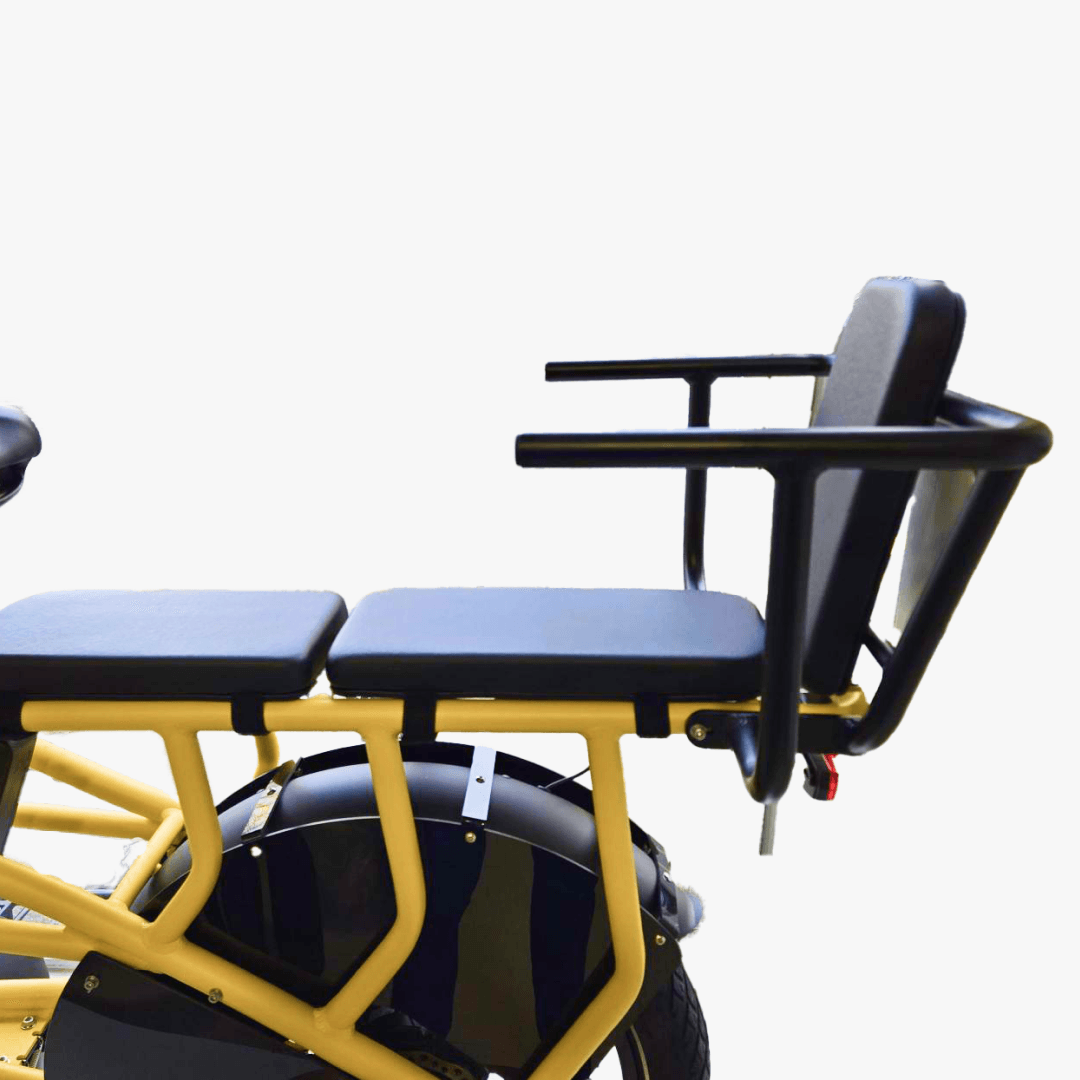
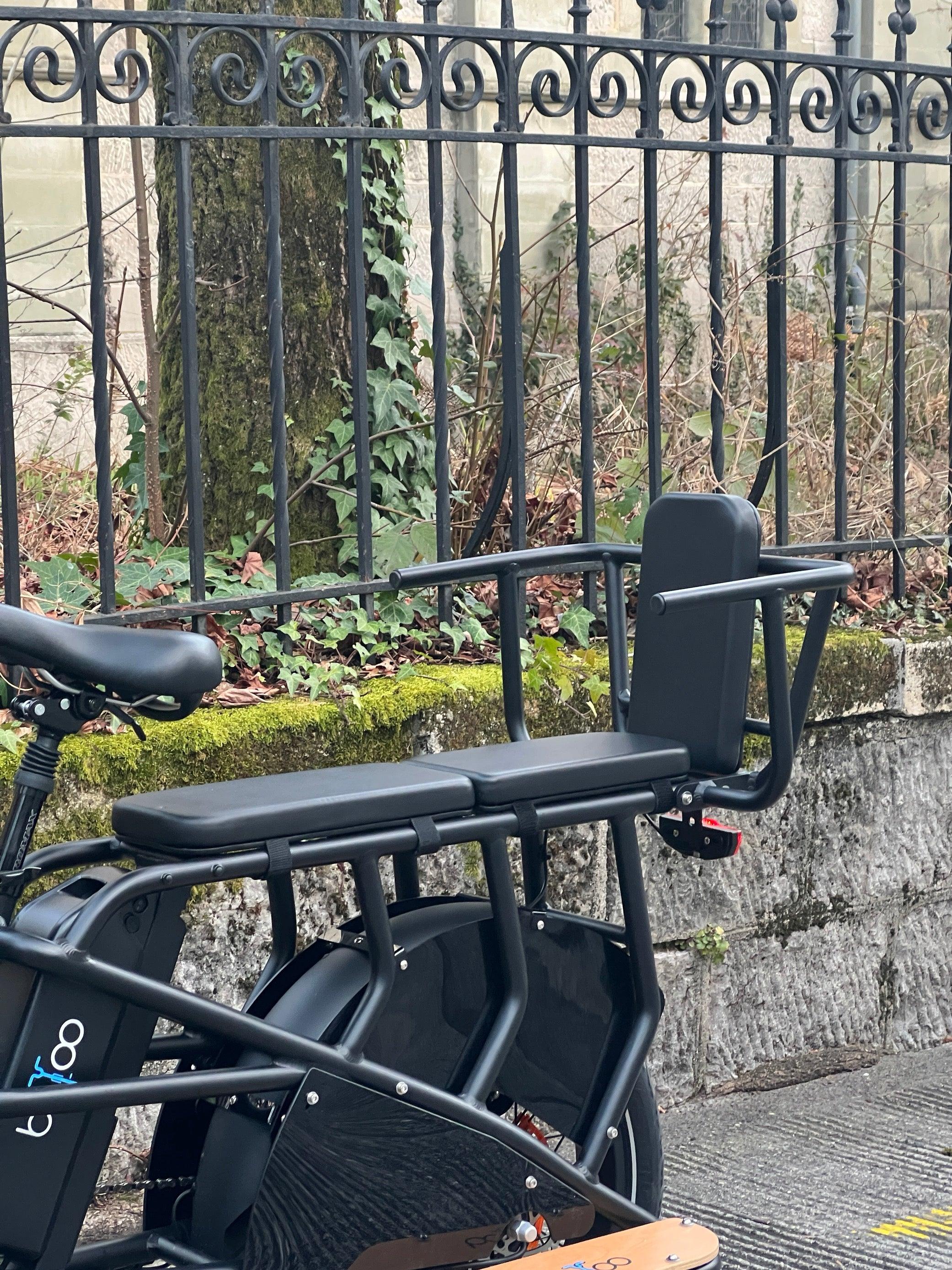
A front suspension alone does not evaluate the comfort at the back. For transporting passengers, separately examine compatible seats, supports, and available space. The comfort of the rider and that of the passengers must be verified in their own configuration.
Position and handling count just as much
Make sure the saddle height and handlebar position suit your body type. You must be able to look ahead, use the controls, and stop with confidence. If two people share the bike, each must perform their own test ride.
Also test starting, turning, walking the bike, and parking. Imagine your building entrance and the spot where you load your groceries. A bike that is pleasant on a straight line may be less practical in your storage area: it is better to find out before buying.
A useful test ride to choose your equipment
Come with your usual shoes and describe the roads you travel, the planned passengers, and storage constraints. Proceed gradually: bike without load, adjustments, calm route, then a test ride adapted to your needs with the professional's agreement. Our family cargo bike test ride checklist helps prepare for important points.
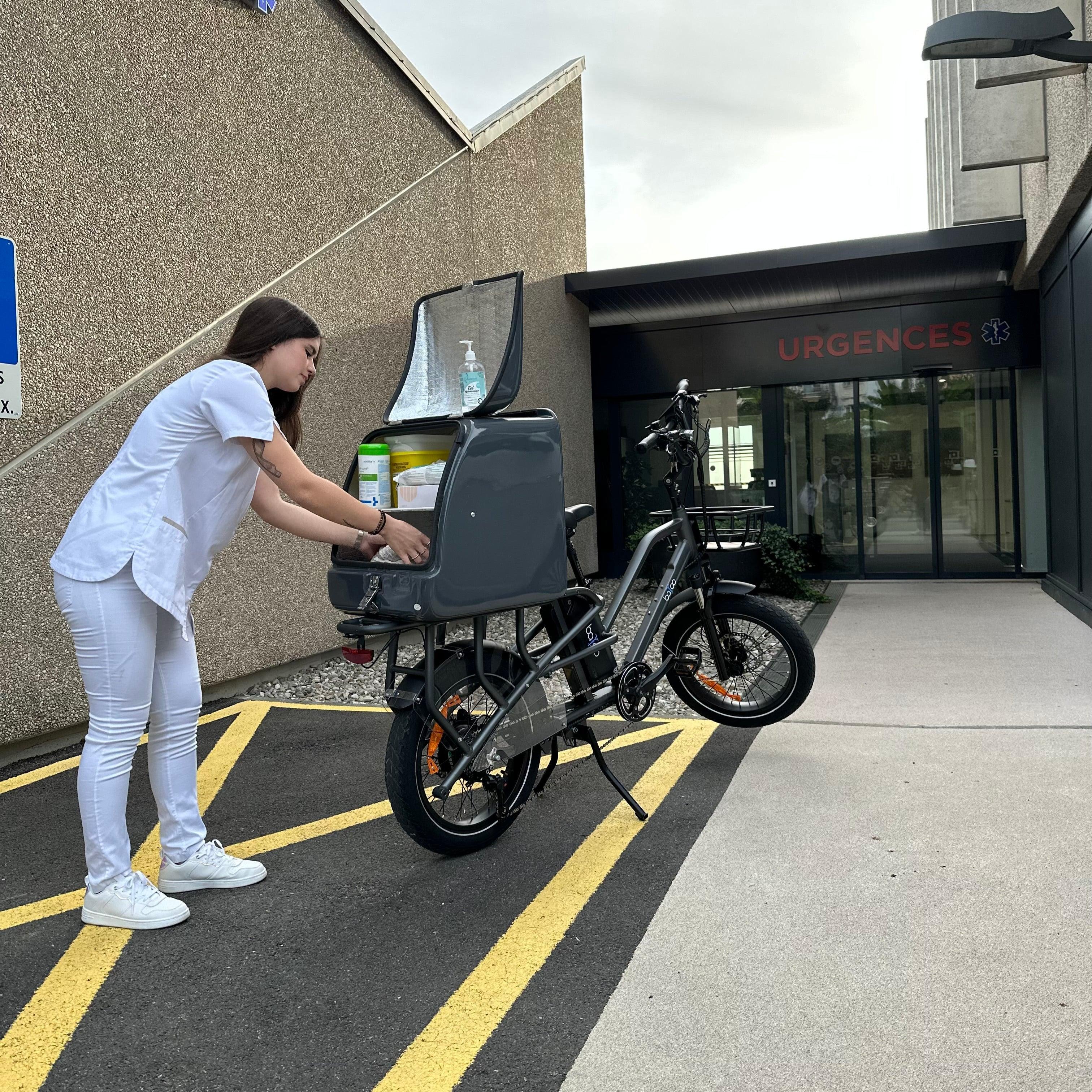
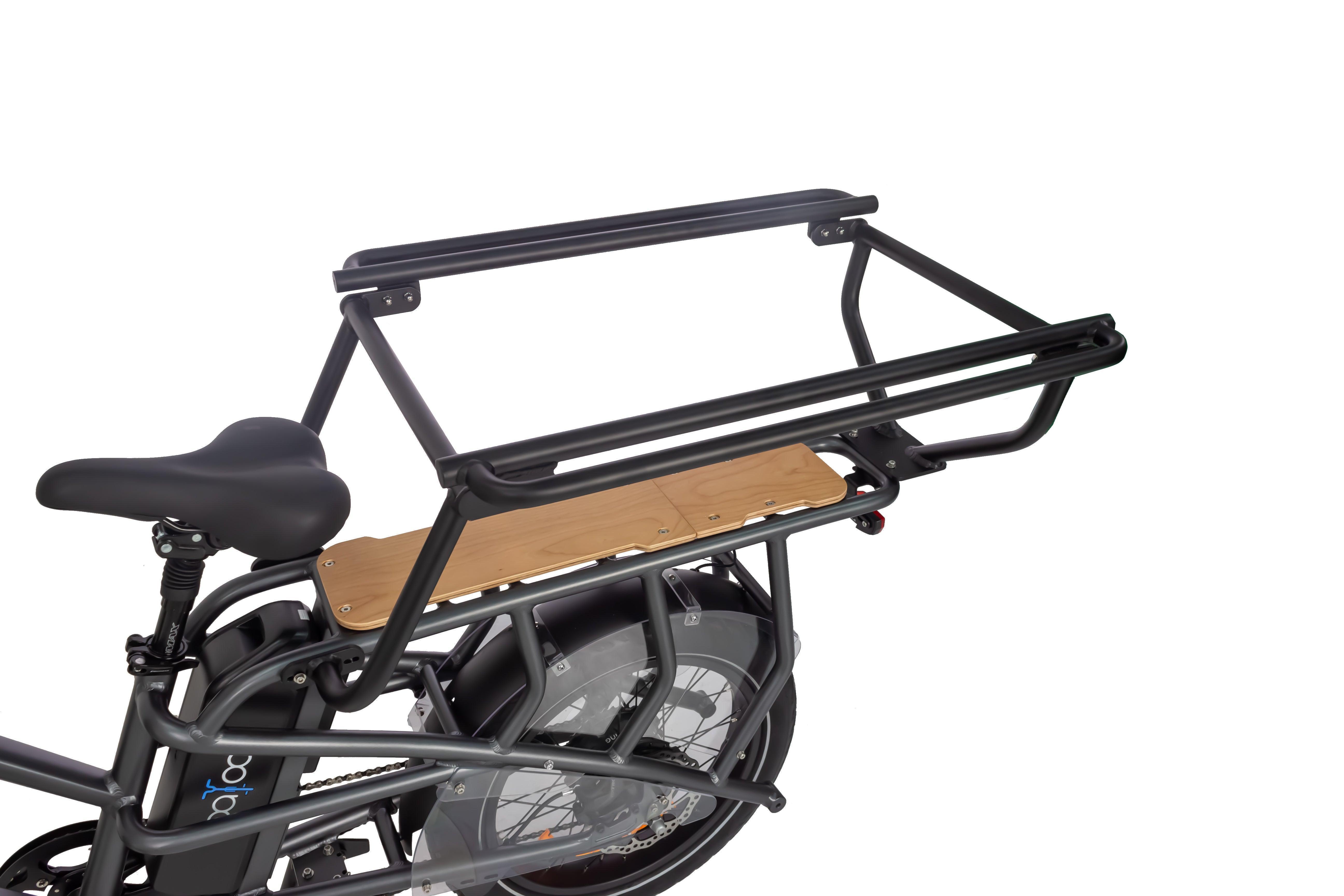
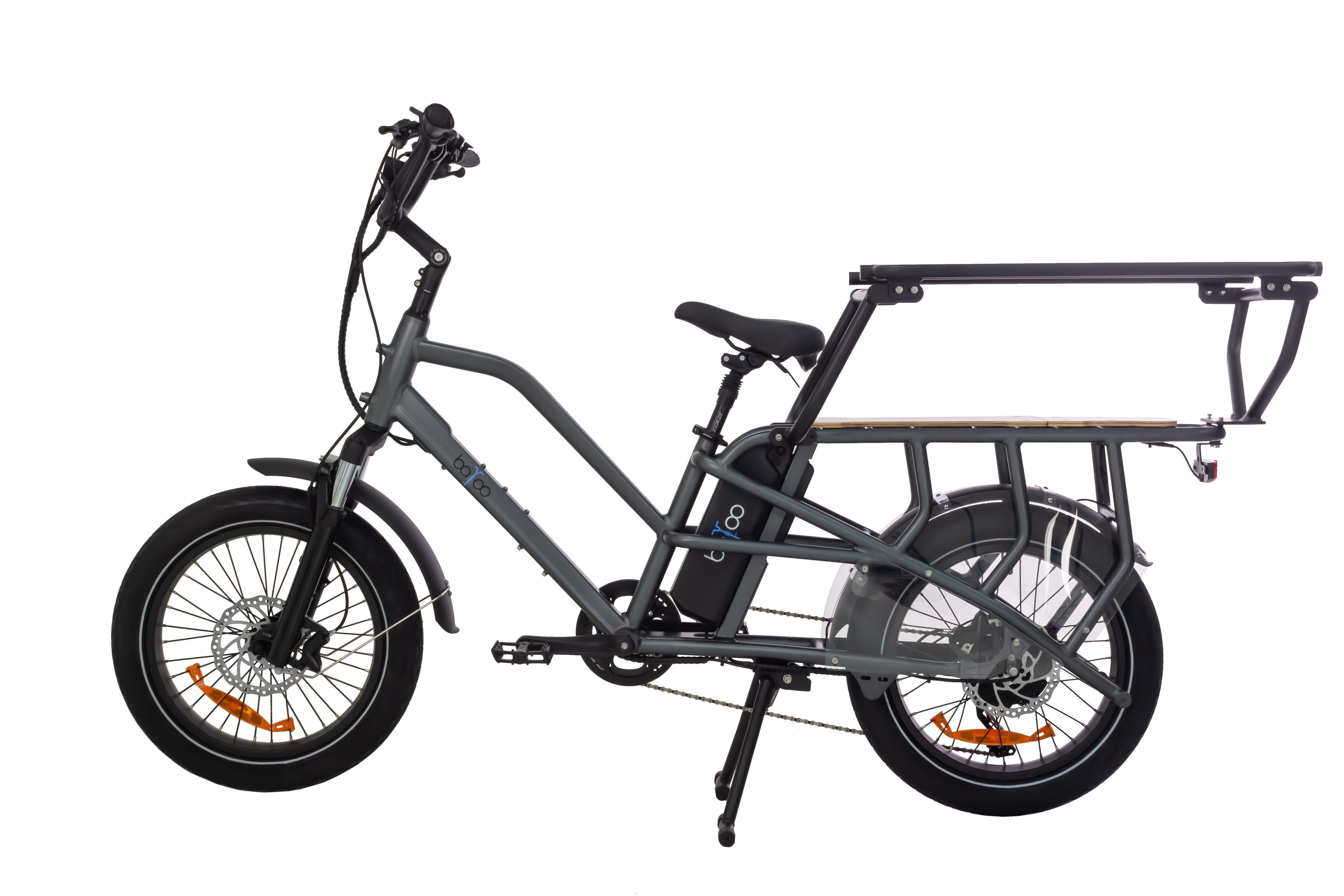
This low-step electric cargo bike combines four-piston hydraulic brakes, 20 × 3-inch tires, and a front suspension fork. To see if this setup suits you, book a test ride and ask for a configuration adapted to your use. Then consult our tips for maintaining an electric cargo bike and keeping a good ride quality over time.
Frequently Asked Questions
Do large tires guarantee a more comfortable bike?
No. Their design, pressure, load, and the bike as a whole count. Compare the feeling after checking the settings.
Is suspension mandatory for city riding?
This choice depends on the roads, your preferences, and the bike. Test the model on a representative route rather than deciding on this feature alone.
How to compare the comfort of two cargo bikes?
Use a similar route, have the position adjusted and tires checked, then evaluate braking, slow-speed handling, and parking. Note your impressions immediately at the end of each test ride.