Two electric bikes can show similar power and provide very different sensations. For your daily commutes, the way the assistance kicks in counts just as much as the numbers on the spec sheet. The torque sensor is one of the components that explains this difference.
If you are looking for a bike to get to work, cross the city, or come home with a few groceries, here are the right questions to ask before buying. The goal: choose an assistance system that you find easy to modulate.
What is a torque sensor for?
The torque sensor measures the effort applied to the crankset. The system uses this information to adapt the motor's assistance: when you push harder, it can provide more assistance, within the limits of the selected mode and the system. This response aims to support your pedaling.
A cadence sensor primarily detects the rotation of the pedals. On a simple system, the assistance then depends mainly on the chosen support level. The actual behavior also depends on the software, the motor, and the settings. The manufacturer's documentation on assistance sensors explains this distinction.
What does this change on a daily basis?
Imagine your usual commute: starting from home, several traffic lights, an uphill street, then a quiet stretch. You don't need the same help at every moment. A torque sensor can make these transitions intuitive, since your effort directly contributes to controlling the assistance.
The desired benefit is not to always ride faster. It is to maintain a feeling of control, especially when you want to set off calmly or ride alongside someone who is going slower. Pleasant assistance should allow you to keep your trajectory without constantly watching the screen.
Torque sensor and motor torque: two different pieces of information
The sensor indicates how the bike detects your effort. Motor torque, expressed in newton-meters, describes a characteristic of the drive system. The presence of the former therefore does not allow one to deduce the value of the latter.
Do not choose based solely on the number of watts or the mention of a "torque sensor." Also ask how the assistance behaves at start-up, how it is adjusted, and what transmission is on the bike. When going uphill, the available gear ratio and your cadence remain important elements.
A short test protocol to compare two bikes
To form your own opinion, choose an open area and start with a moderate level of assistance. Then compare the bikes in conditions as similar as possible.
- Start several times. Does the initial support feel progressive and predictable to you?
- Vary your effort. Push gently, then a little harder, while keeping a simple path.
- Ride slowly. Check that you can maintain a comfortable pace without constantly correcting your speed.
- Try an accessible slope. Assess the effort required with the settings recommended by the seller.
- Stop and restart. Check access to the controls and the ease of resuming your trip.
Note your preference immediately after each test: smoothness, ease of modulation, and general comfort. A difference you clearly feel is more useful for your purchase than an abstract promise of performance.
What equipment should you look at besides the sensor?
For regular use, also examine the transmission, battery access, brakes, and your position. A bike that is pleasant to pedal must also be simple to charge and store. Think about your complete daily routine, including the trip between the bike storage area and the street.
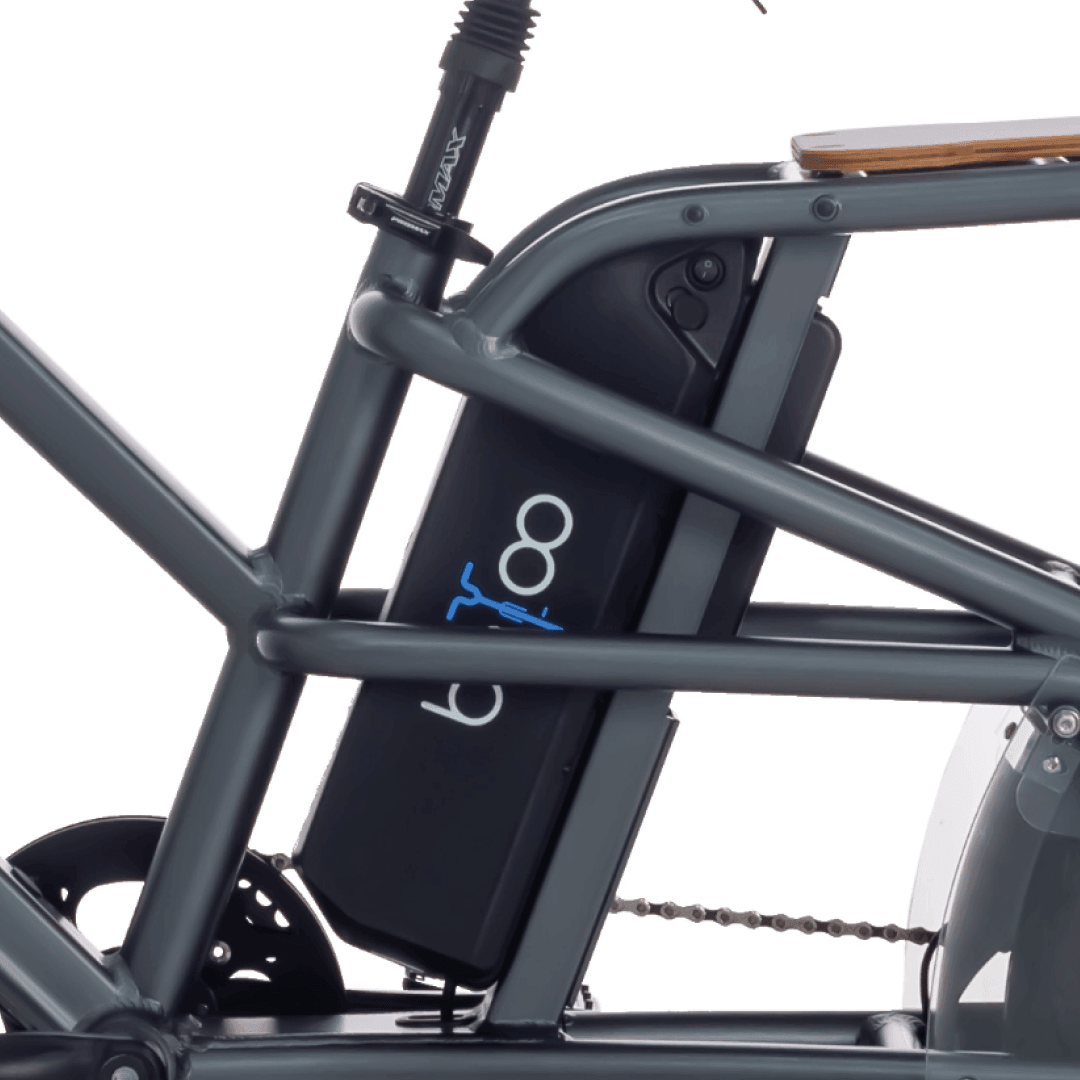
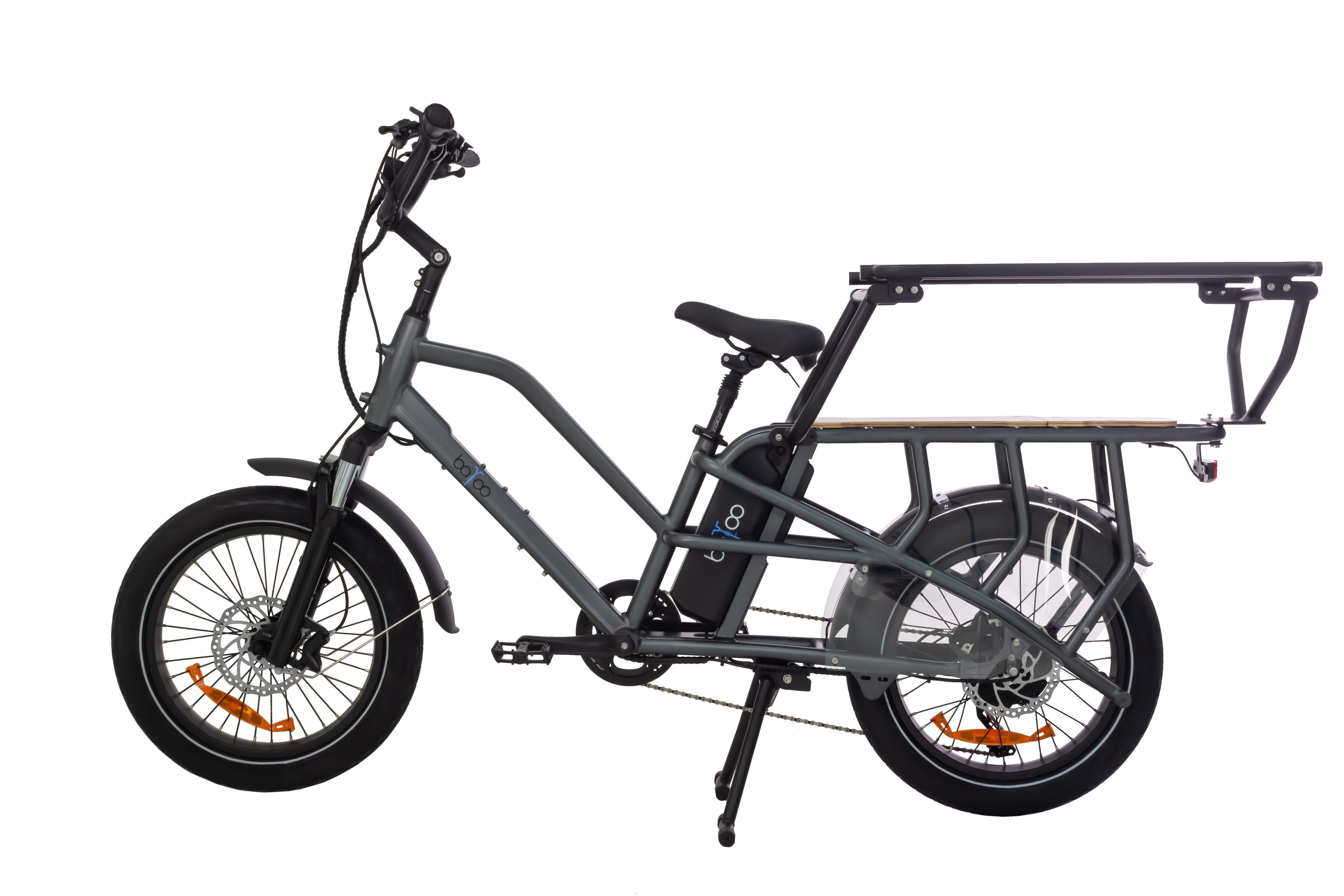
Among the models offered on this site, this urban electric bike with a torque sensor combines a rear hub motor, a carbon belt, and a 672 Wh removable battery. These are concrete elements to compare during a test; they do not, on their own, determine your actual range.
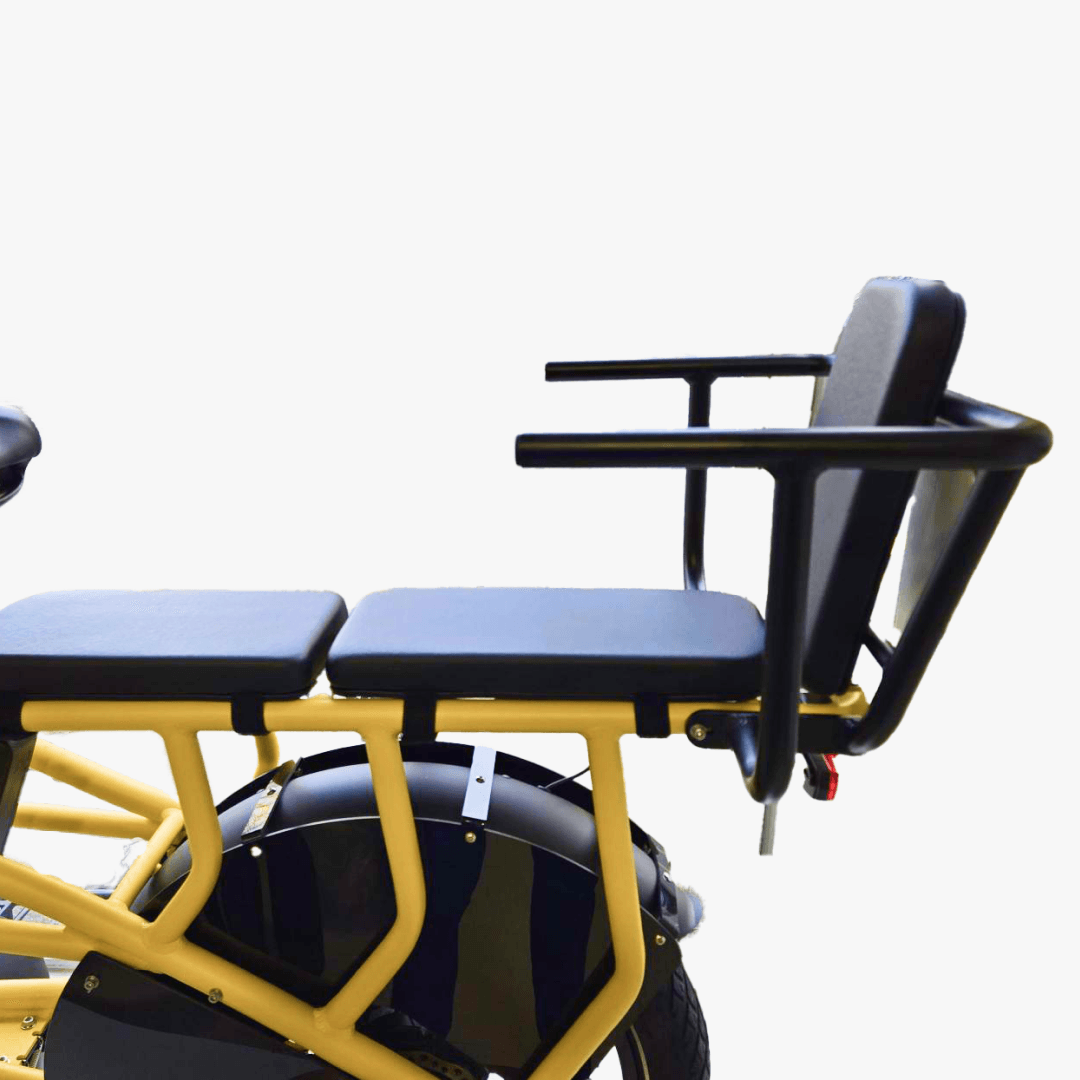
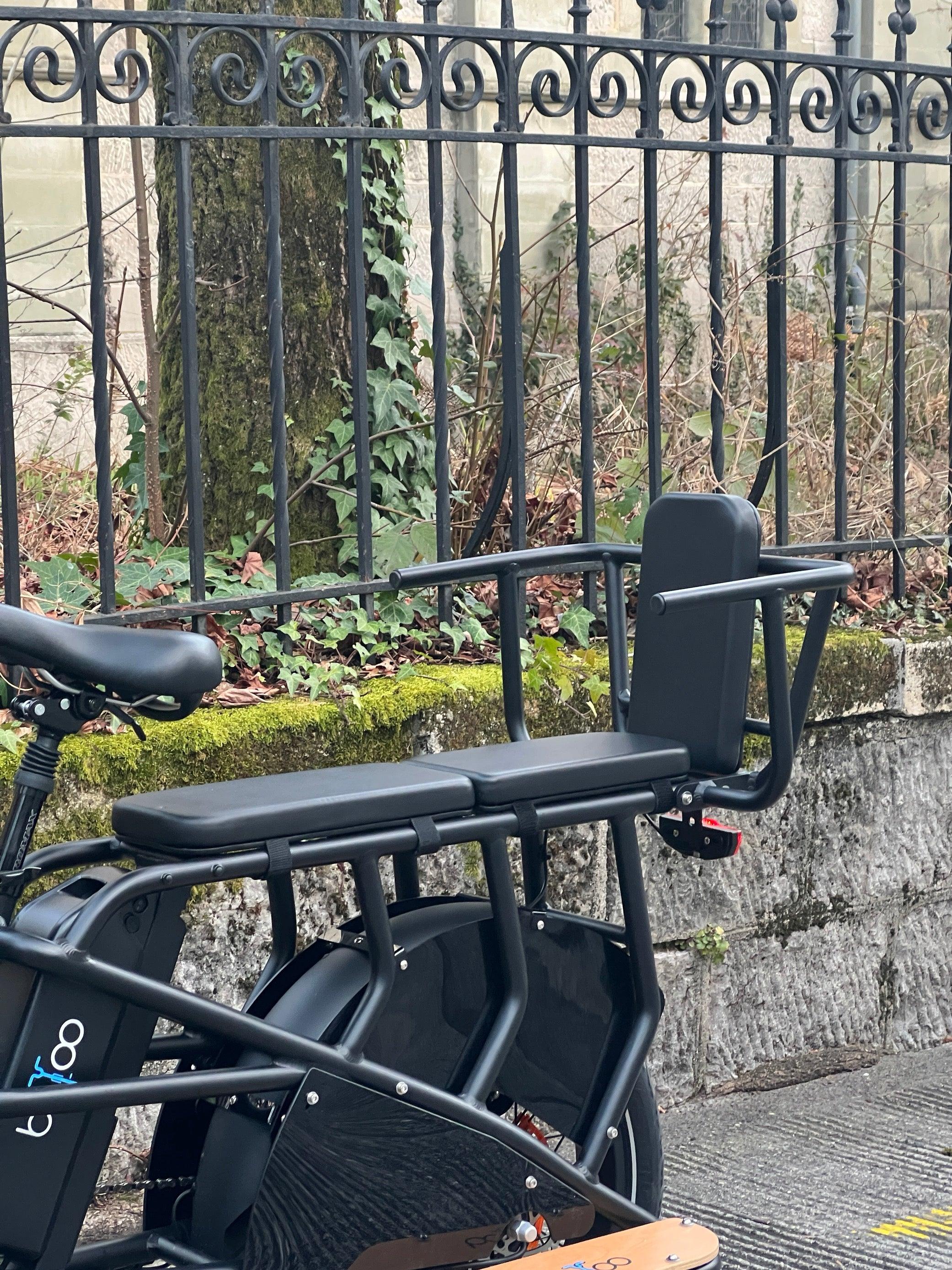
If you regularly carry children or heavy loads, also start with our comparison of cargo bike formats. The need for transport may weigh more heavily in your choice than the type of sensor.
Frequently Asked Questions
Does a torque sensor eliminate the need to pedal?
No: it serves to measure your effort to control the pedal assistance. Any other assistance function depends on the model and should be used according to its manual.
Does it guarantee better range?
No. The distance depends in particular on the route, the load, the battery, and the level of assistance. Compare bikes on your own routes rather than based on the sensor alone.
Is it essential for all cyclists?
Not necessarily. The sensations sought vary. The best criterion remains assistance that you understand and master easily. Discover the urban bike's configuration and test options to see if it suits you.