The light turns green in the middle of a hill. Your groceries are secured to the bike, the street continues upward, and you need to restart smoothly. For this very practical moment, the power listed on a product sheet isn't enough to help you choose.
An electric bike suitable for your hilly commute must combine a relevant motor system, an appropriate transmission, and easy-to-use controls. A test ride allows you to verify how these elements work together with your effort and your load.
Describe your hill before comparing motors
A short ramp near your home and a long daily climb do not present exactly the same challenge. Note the spots where you stop, their surface, and what you are carrying on the way back. The total weight counts, as does the frequency of restarts.
Show this route to the salesperson. A photo or a map can help explain your needs, but above all, ask to replicate a similar situation during the test ride. An empty demo on flat ground will tell you little about your primary usage.
Power, torque, and transmission: reading the figures together
Power is expressed in watts, torque in newton-meters. Maximum torque is particularly relevant for acceleration and hills, but it is not a promise of power available at all times. Operation depends on the system and its conditions of use, as explained in the technical documentation on motor torque.
The figures for motors with different architectures are not enough to predict an identical feel. Also look at the transmission: with gears, the chosen ratio determines the effort required to turn the pedals. The number of gears alone does not describe the full range of ratios.
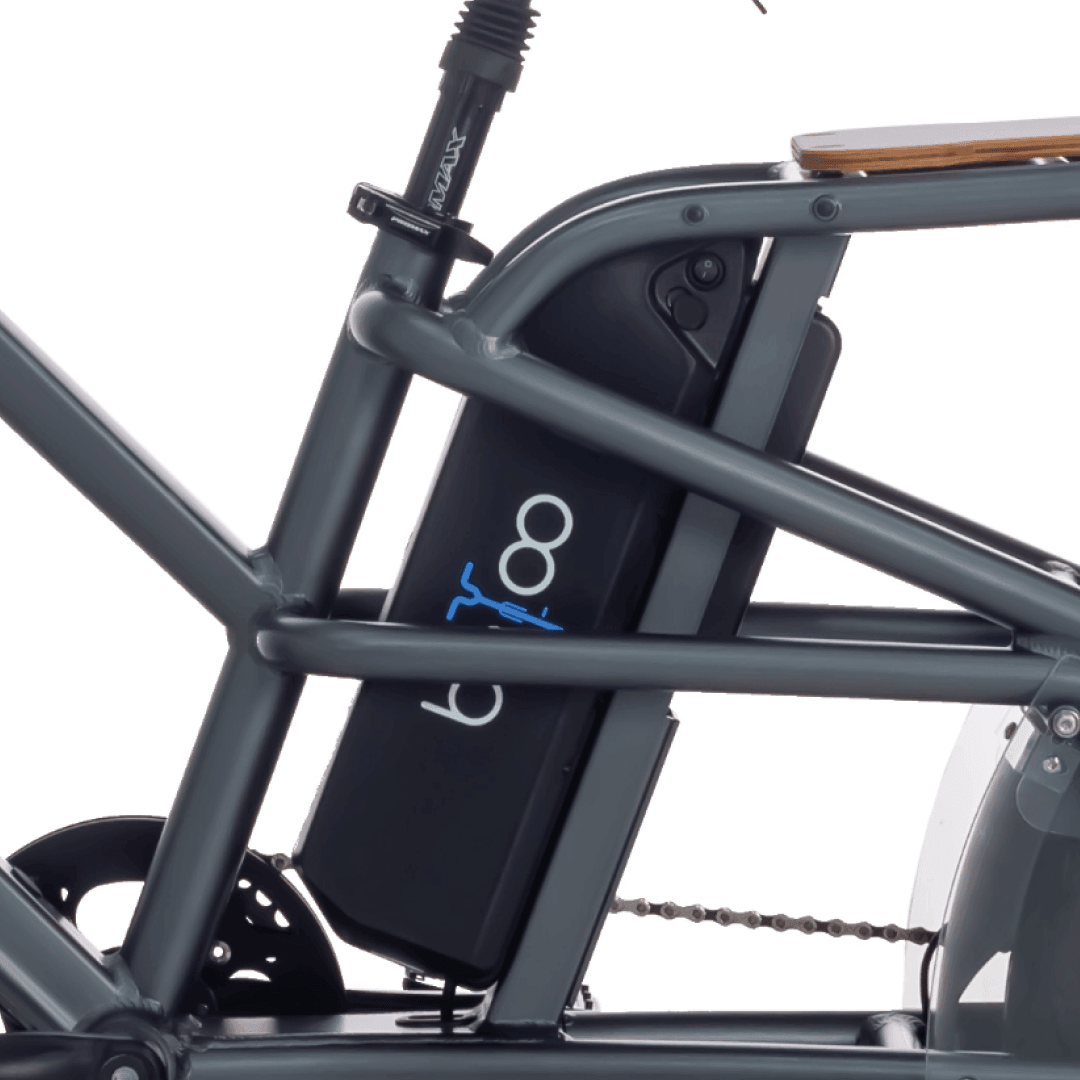
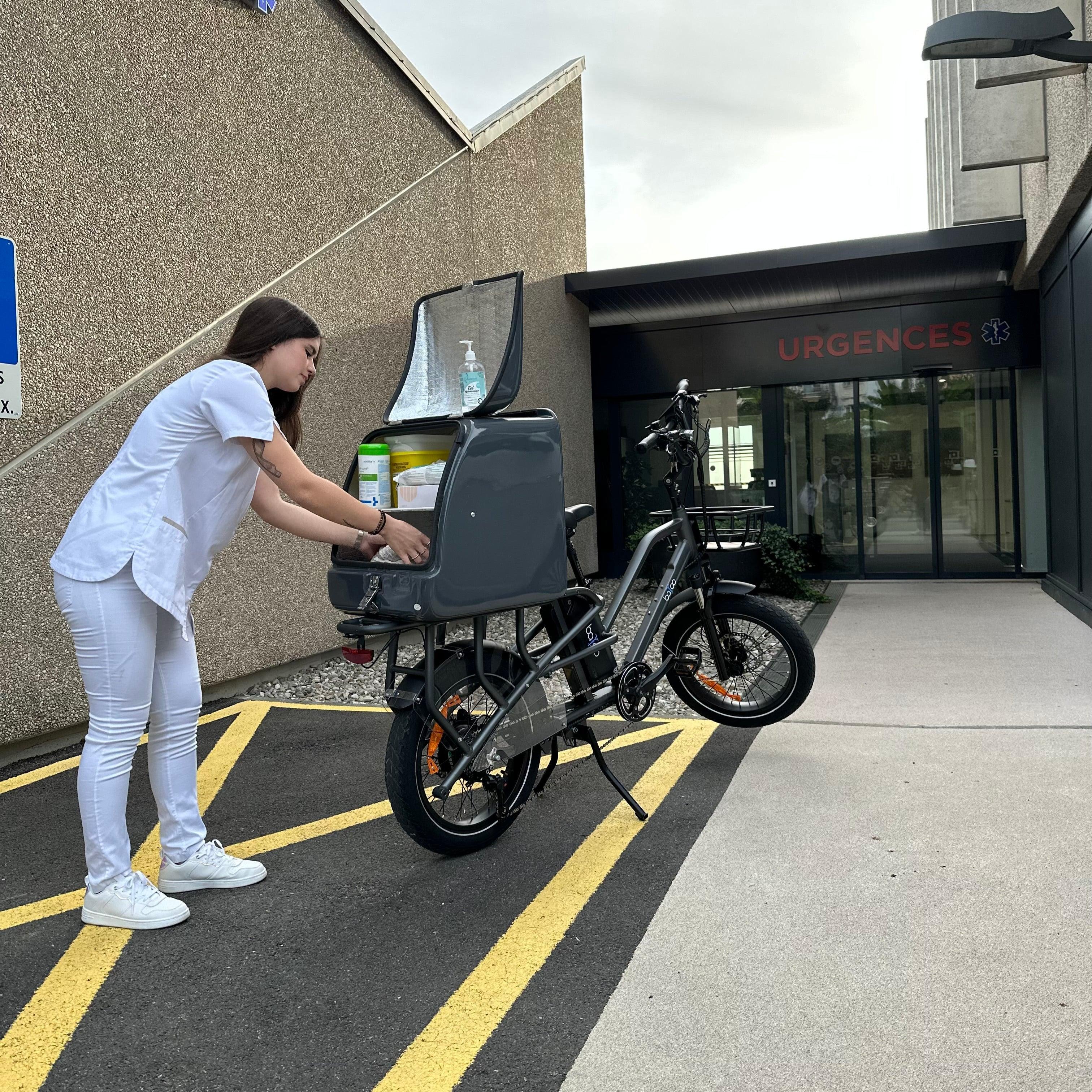
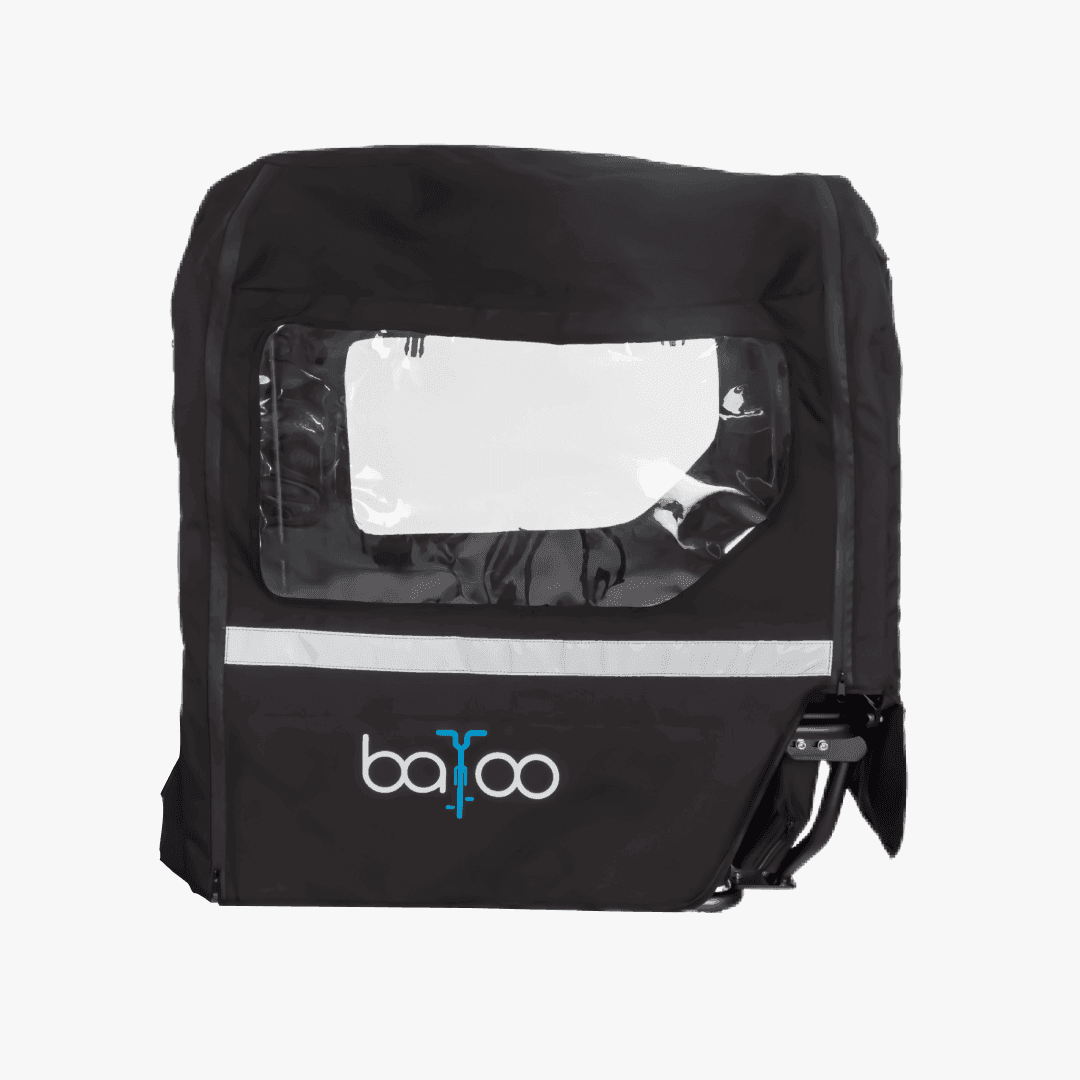
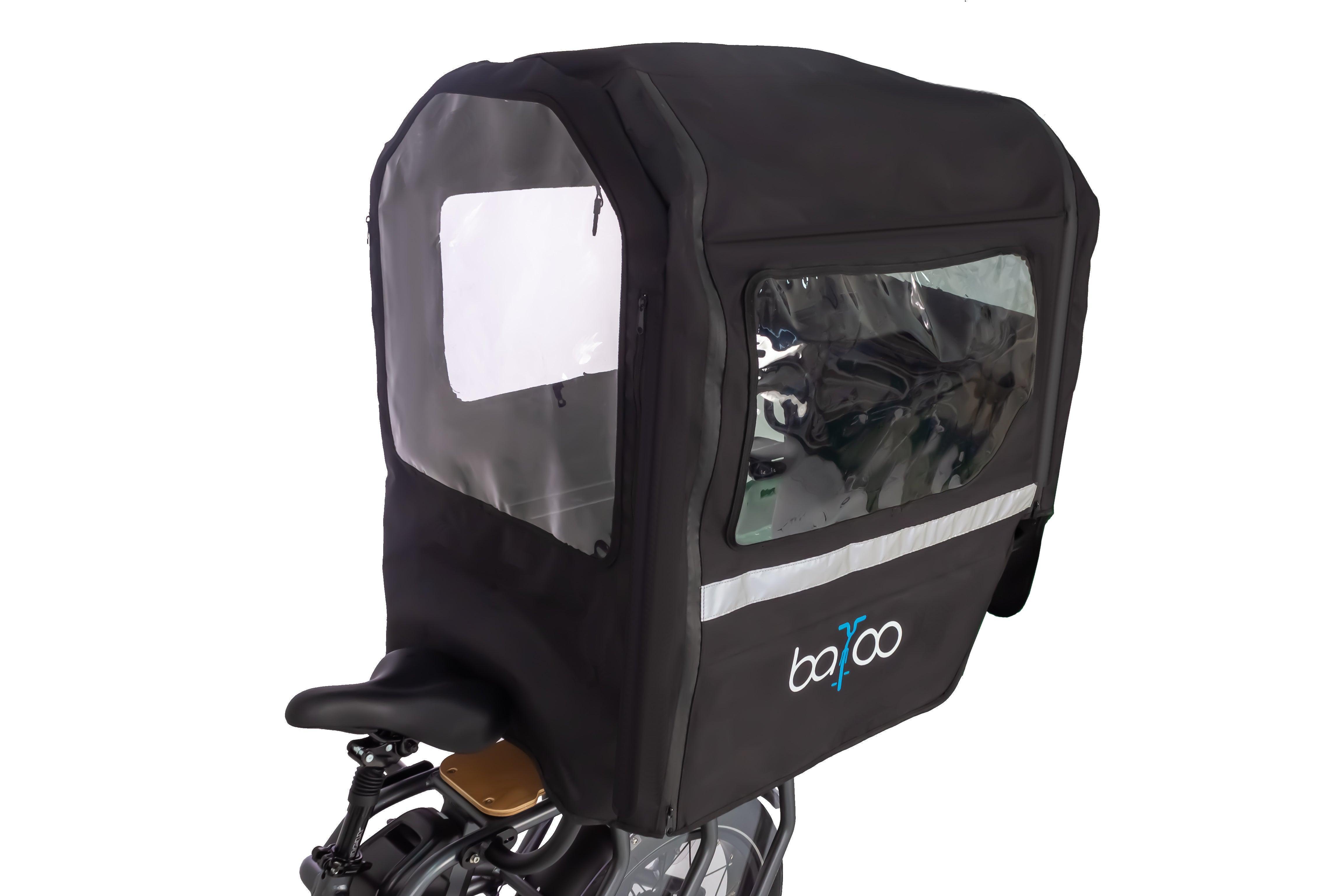
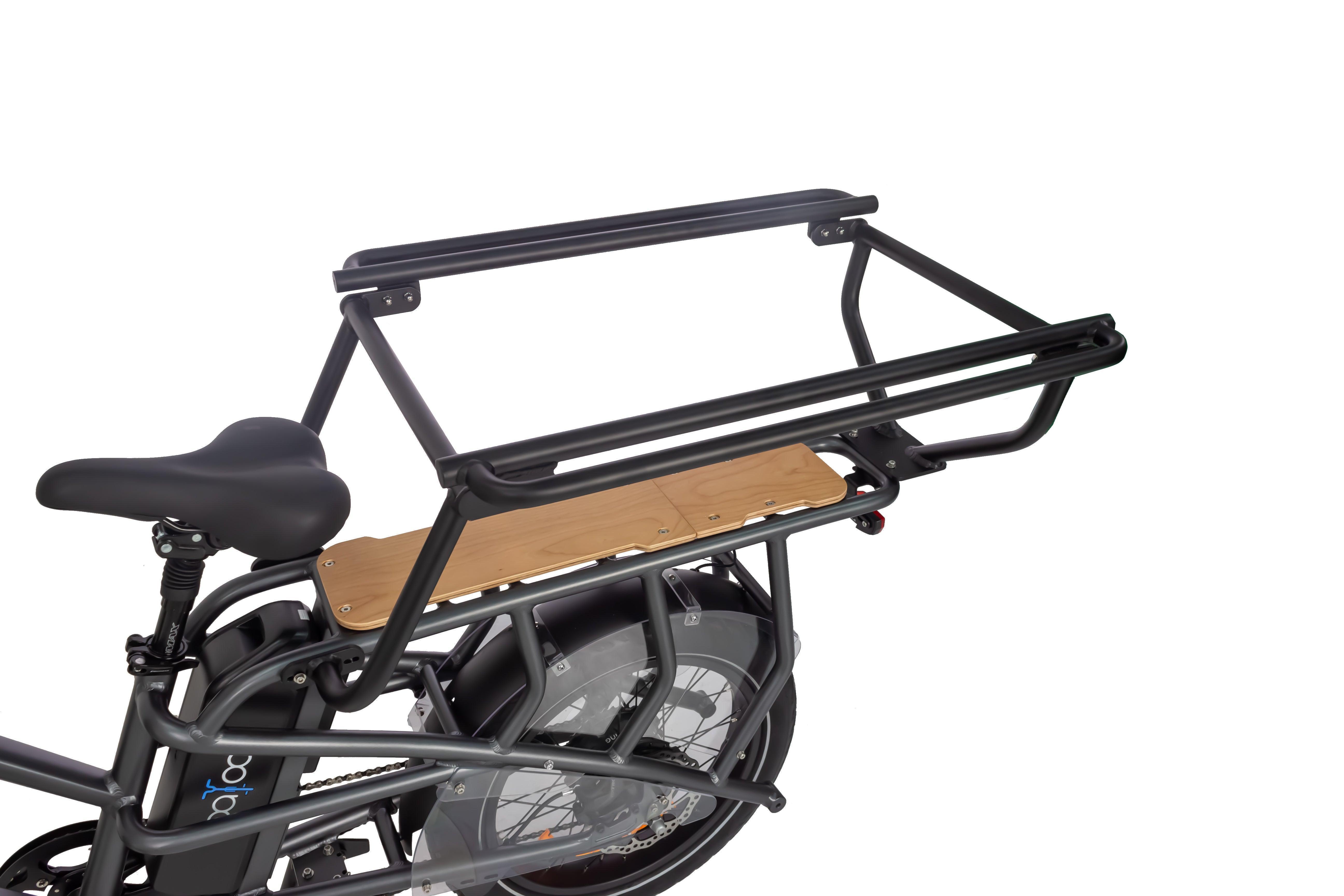
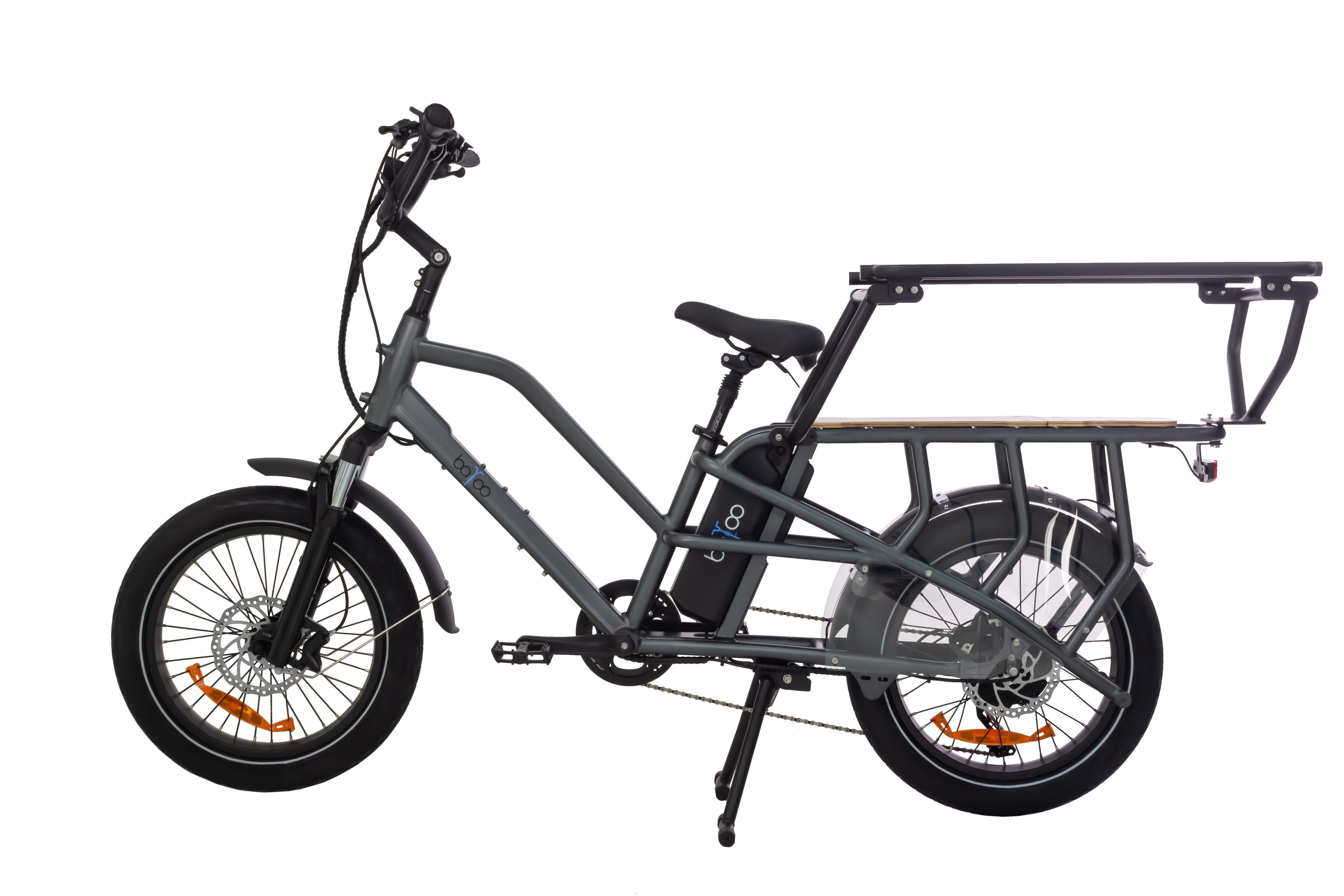
As a configuration to consider, this electric cargo bike for daily commutes features a 500W nominal motor, 85 Nm of torque, and a ten-speed transmission. Have its suitability for your route and expected load confirmed during a test ride.
Starting should be easy to control
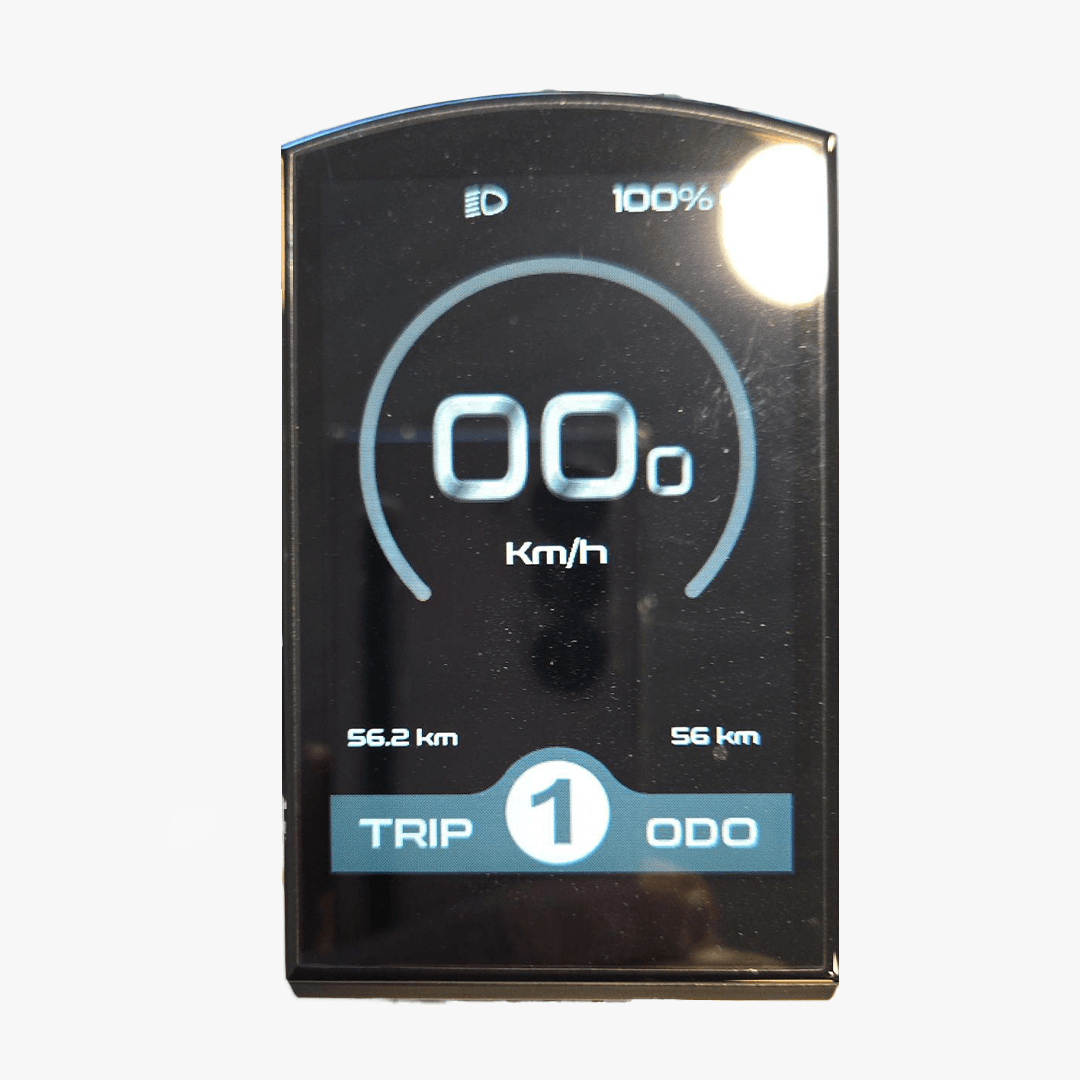
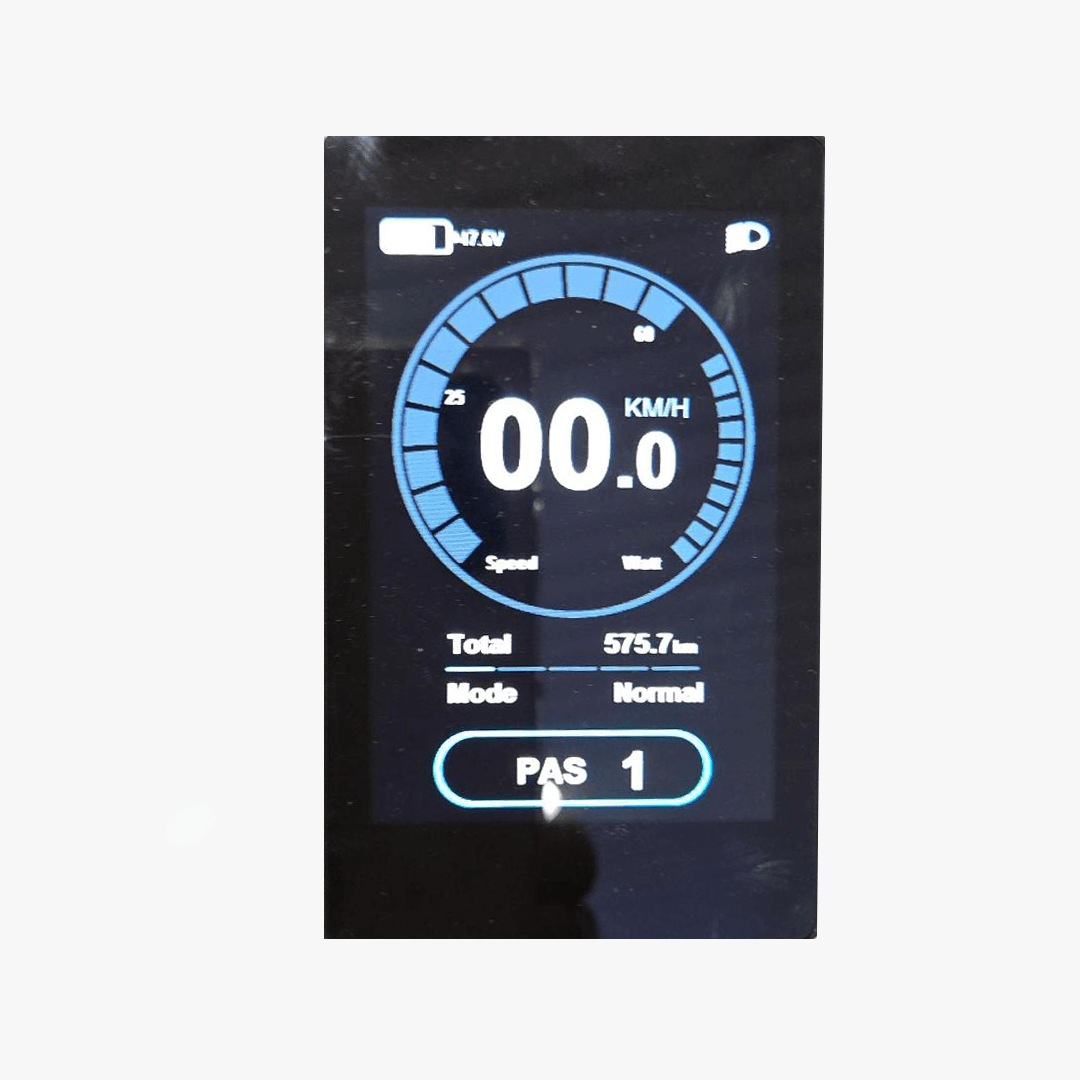
An assist that feels energetic is not automatically the one you will be most comfortable with. Evaluate the progressivity, the starting position, and the access to the brakes. You must understand how the bike reacts before adding traffic constraints.
If the model offers a start-assist function, have its activation and shutdown explained to you in detail. Walk assist, pedal assist, and other motor controls do not necessarily have the same usage. Check the manual for the model you are testing; do not transpose habits from another bike.
Proper preparation also counts
On a derailleur bike, anticipate an easy gear before stopping, following the transmission's usage instructions. Trying to shift gears when everything is already stationary can complicate restarting.
Before leaving, also check that your bags are secured and that the tire pressure is appropriate for the load. The handlebars and controls must remain free. For this point, our guide on electric cargo bike tire pressure explains how to start with the manufacturer's recommendations.
A four-step test method
- Empty, in an open area: learn the controls and repeat a few stops and starts.
- On an accessible slope: test the recommended settings with the professional's guidance.
- With a representative load: use a secured load, within the limits of the bike and accessories, then compare how it feels.
- On the full route: also check braking, U-turns, and storage upon return.
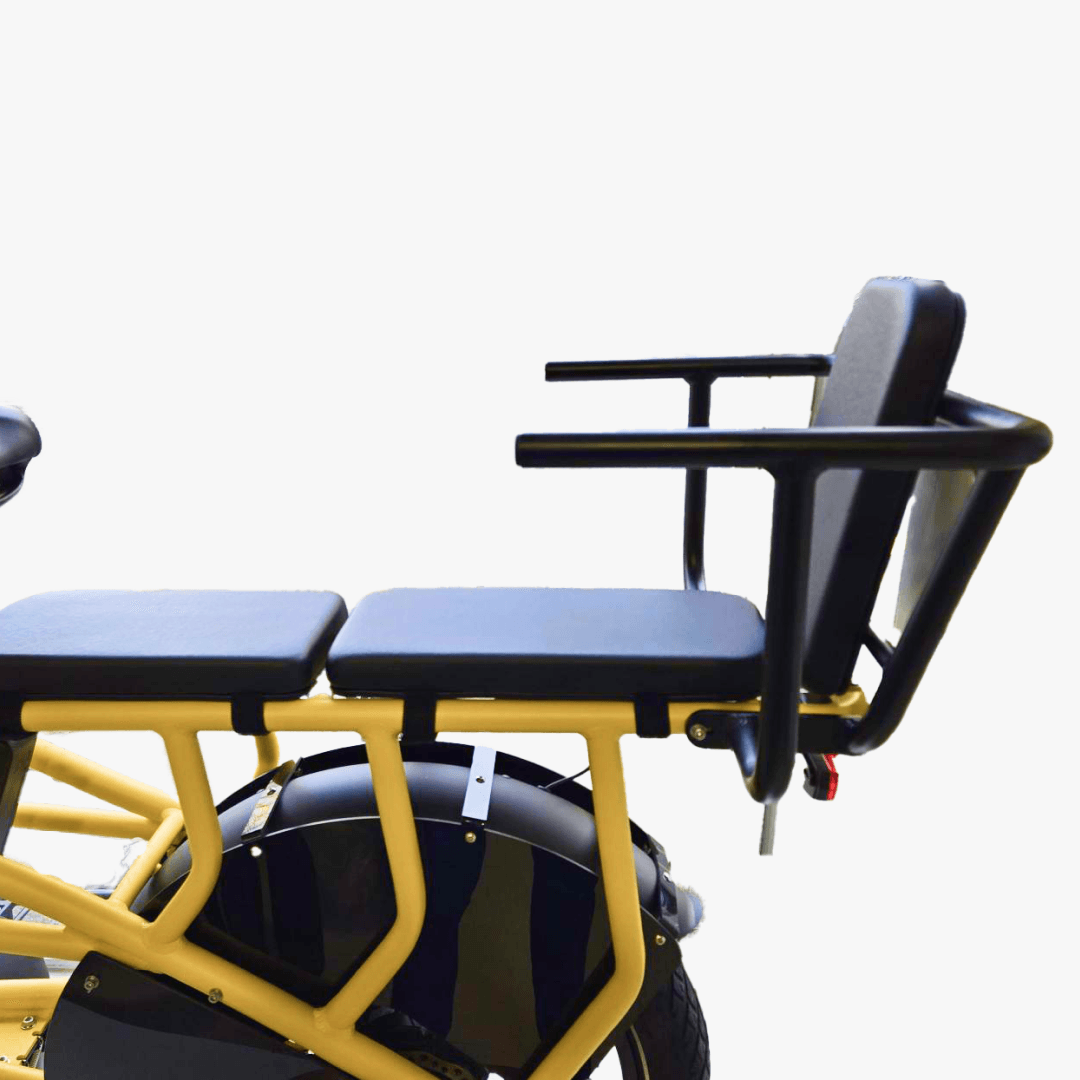
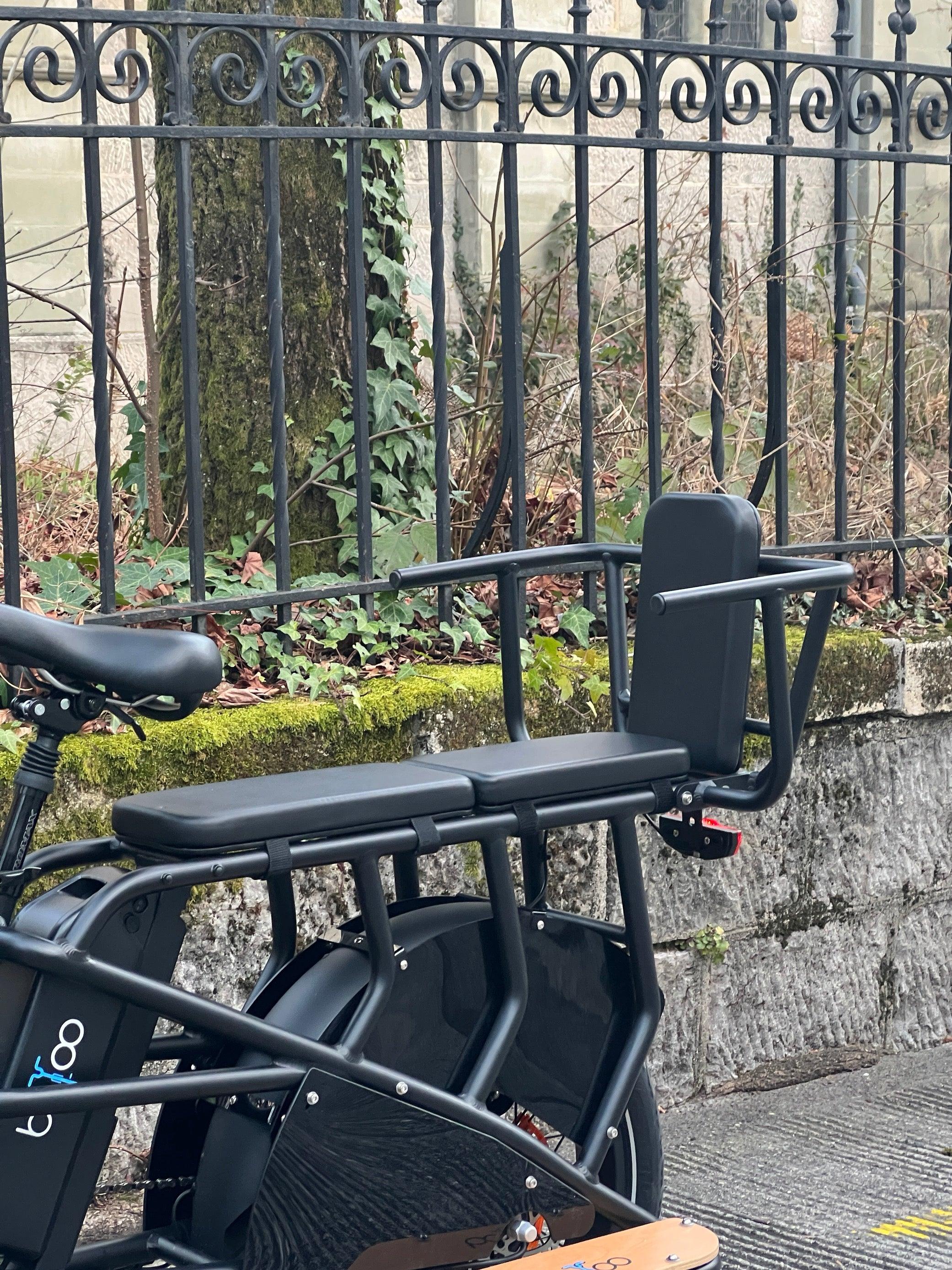
Do not immediately use children as a test load. First find your bearings with the professional, then validate passenger equipment before using them. If you cannot master a start, stop the exercise and review the conditions.
Think about the battery and the return trip
Your purchasing needs go beyond the first start. Plan for the length of the trip, the elevation change, and the ability to recharge. A battery capacity does not equate to a guaranteed distance for every cyclist.
Our article on the range of a loaded cargo bike helps put the advertised capacity into a real-world context. Ask for a conservative estimate for your route and keep an appropriate margin.
Frequently asked questions
Does a more powerful motor solve all difficult starts?
No. The transmission, settings, load, traction, and handling also influence the start. Compare the complete bike in your own situation.
Should you always select maximum assist?
Not systematically. Follow the manual and look for a setting that you can control. The test ride is for finding the right level of support, without unexpected acceleration.
How should I choose if my neighborhood is very hilly?
Present your route and your usual load before booking an electric cargo bike test ride. Check starts and descents: both are part of your daily routine.