One person takes the children in the morning, the other picks up the bike for errands or the trip home. Sharing a cargo bike can simplify household organization, provided everyone feels comfortable behind the handlebars.
Here, "sharing between two" means using the same bike in turns. The choice must take into account both body types, everyone’s routes, and the ease of resetting the proper adjustments. Here are the points to check before purchasing.
Start with the needs of both cyclists
Note down distances, loads, and parking situations separately. The person who uses the bike most often isn't necessarily the one who will face the most difficult maneuver. A narrow access point or starting on a hill can become the real deciding factor.
Provide the seller with the heights of both cyclists, but do not stop at these figures. Leg length, arm reach, experience, and position preferences also matter. Each person must be able to verify access to the controls and handling at low speeds.
Also decide where the bike will be handed off from one person to the other. If the swap happens near a school or at the train station, imagine the actual handling, with bags and the time available. This little bit of preparation often reveals the equipment you will need.
The saddle: easily regaining a personal position
During the test ride, request an individualized adjustment for each cyclist. Verify that everyone pedals comfortably and knows how to stop with control. Do not settle for a "middle" setting that doesn't fit anyone correctly.
Then observe how to switch from one position to the other. An accessible lever or clamp can facilitate shared use, but always ask about the specific procedure for that model. Some adjustments can be made quickly; others require a tool or professional assistance.
Keep a measurable reference point for each person, according to the method validated by the seller. Respect the insertion and adjustment limits. Before heading off, check that the saddle is properly immobilized; a height mark is no substitute for this verification.
Handlebars and controls: check more than just height
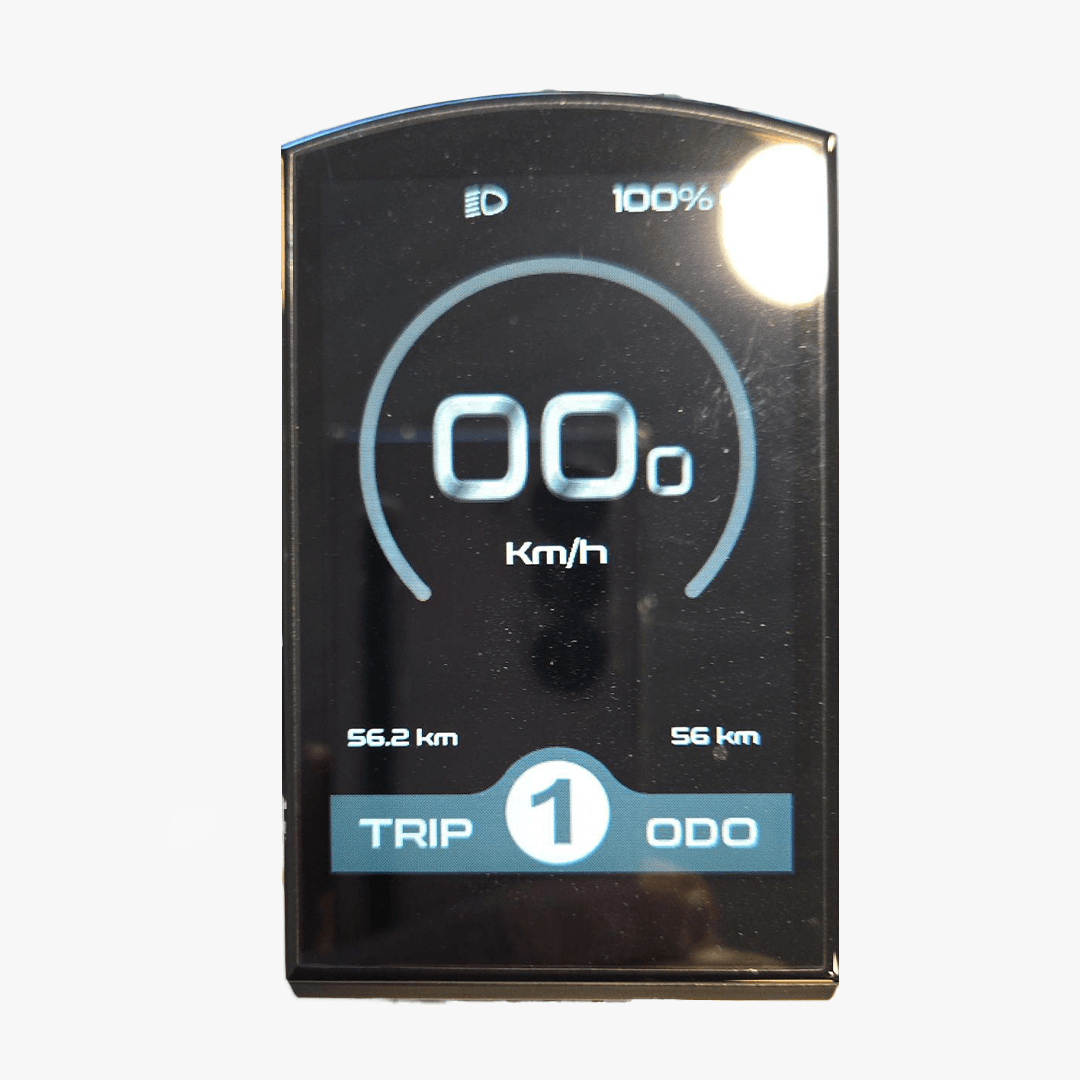
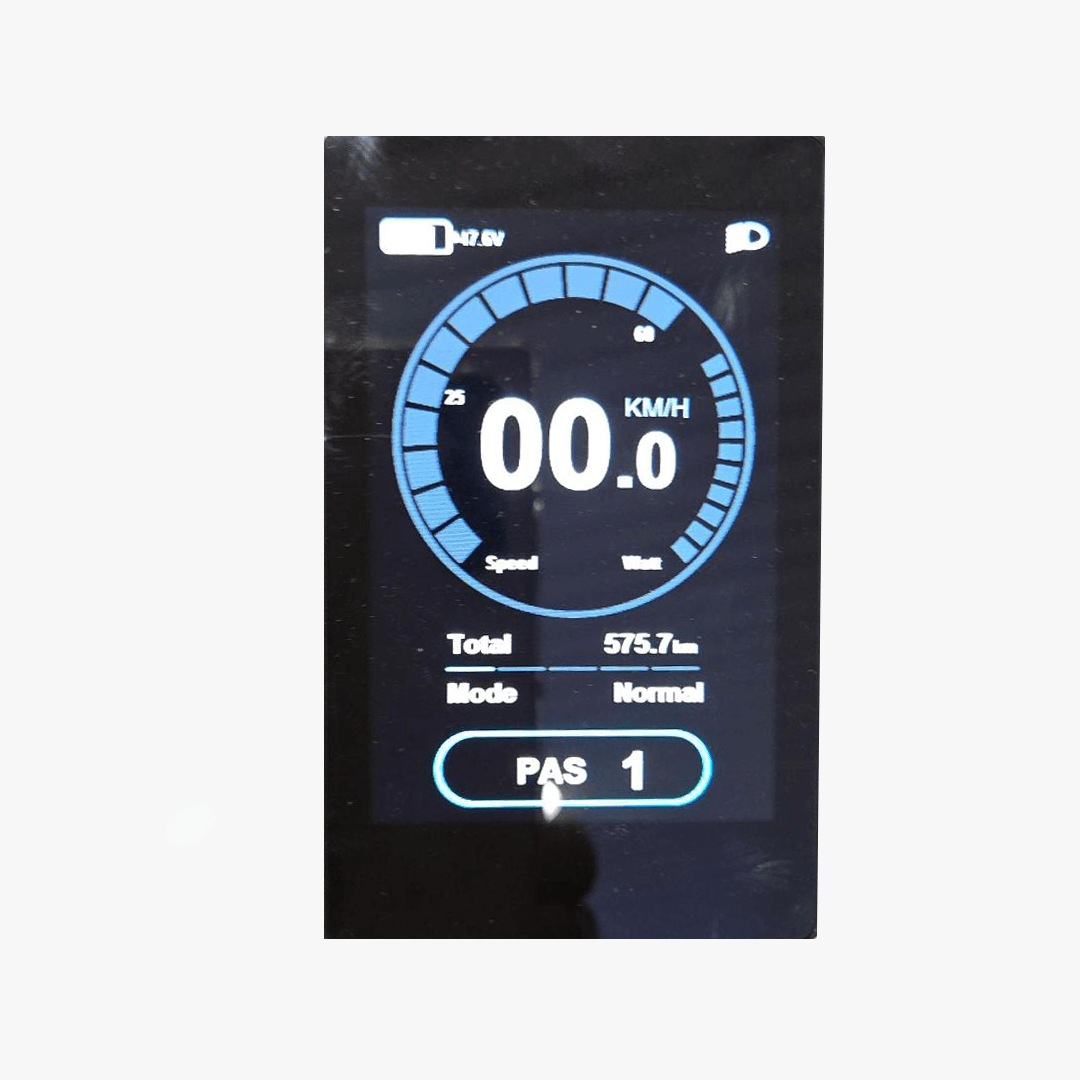
Both people must be able to reach the brakes and use the controls with a good grip. Also test shifting gears and selecting the level of assistance without rushing.
Ask which handlebar adjustments are intended for frequent use and which should remain fixed after assembly. Do not loosen the stem at every rider change without a procedure specifically designed for it. A common setting may be suitable, but it must be validated by a test ride by both people.
If your preferences differ, note exactly what is bothering you: arm reach, lever access, back position, or confidence when stopped. These observations are more useful to the advisor than a general impression that the bike is "too big."
Test the maneuvers each will actually perform
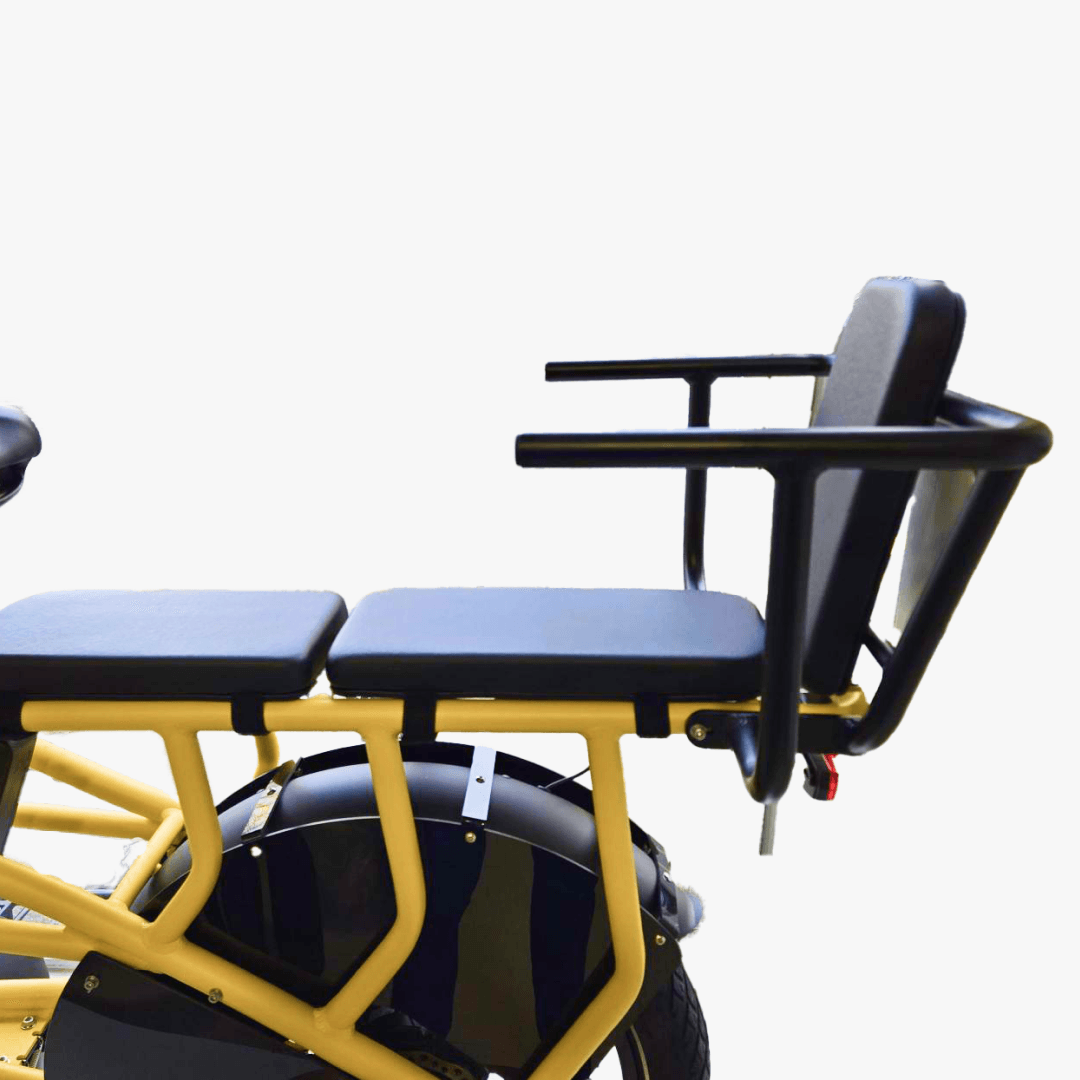
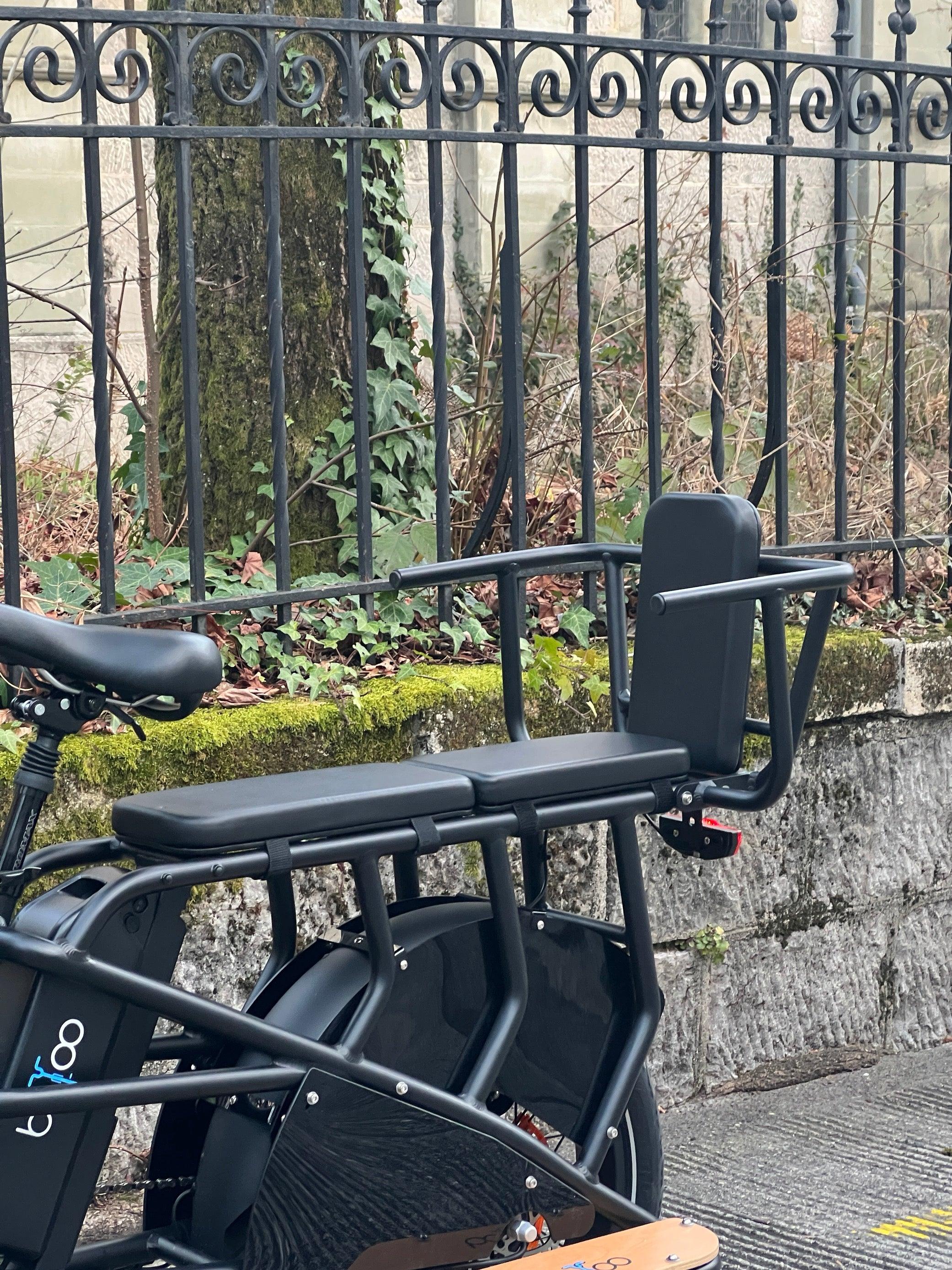
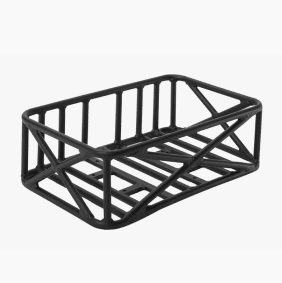
Start without a load, in a quiet area. Each cyclist should try starting, stopping, making a wide turn, doing a U-turn, and walking the bike. Test the kickstand according to the seller's instructions and examine the storage provided for your accessories.
Only then, discuss a test ride with a representative load, supervised by the professional. Respect the limits of the bike and each piece of equipment. The fact that one cyclist easily masters the cargo bike does not automatically validate the other person's comfort level.
Our guide to preparing for a family cargo bike test ride helps you organize this comparison. Each of you should take a few notes before comparing your impressions.
Prepare a simple routine between uses
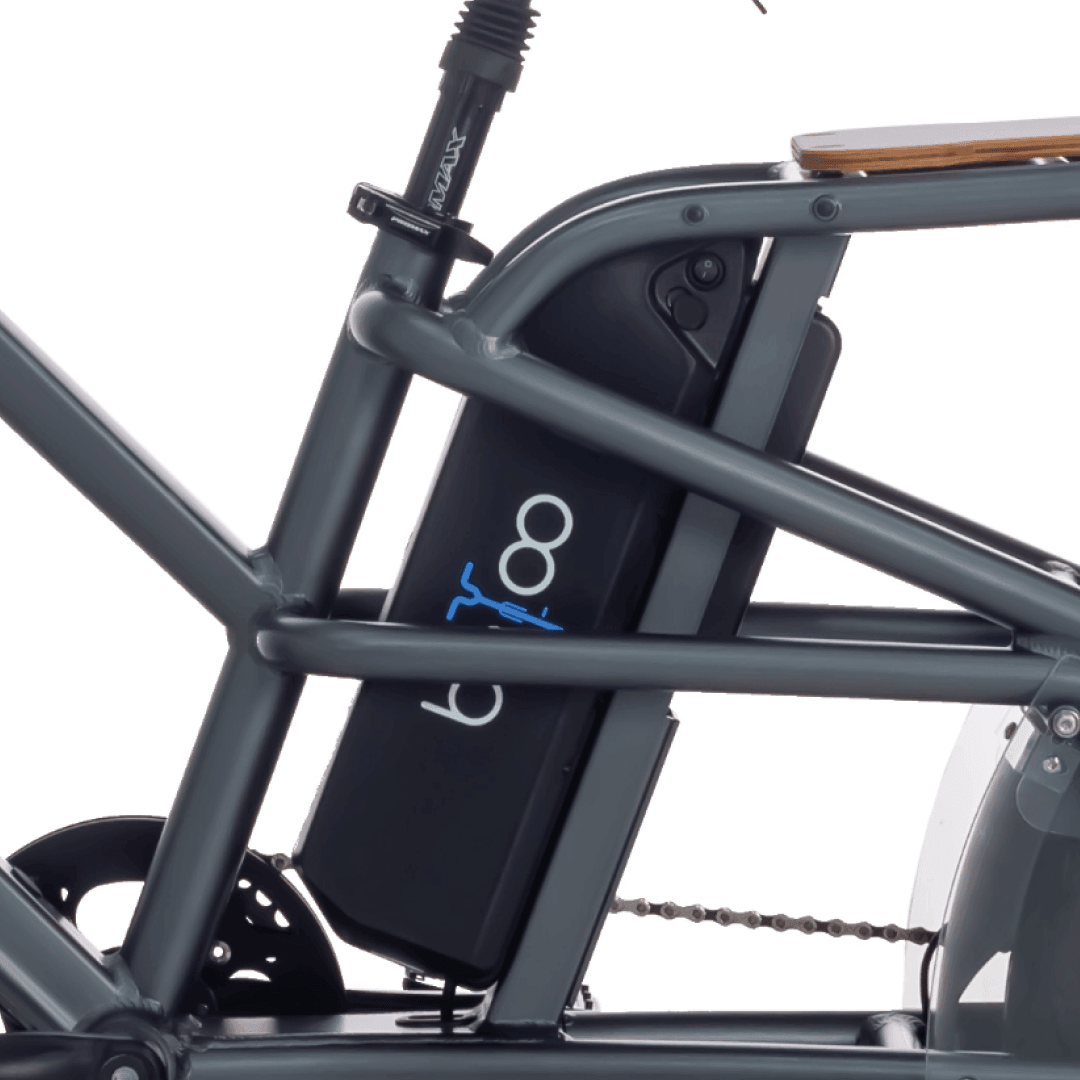
When handing off the bike, check four items together: saddle position, battery level, load security, and brake function. Also adjust the mirrors if the bike has them. The accessories should match the next trip, not just the previous one.
Agree on a place for keys, the lock, and the charger. If the bike has connected features, clarify authorized access and alert management when the other person is riding. These practical details avoid hesitation when the day is busy.
For maintenance, decide who tracks the checks and appointments, using our cargo bike maintenance checklist.
Compare a suitable model, then test it together
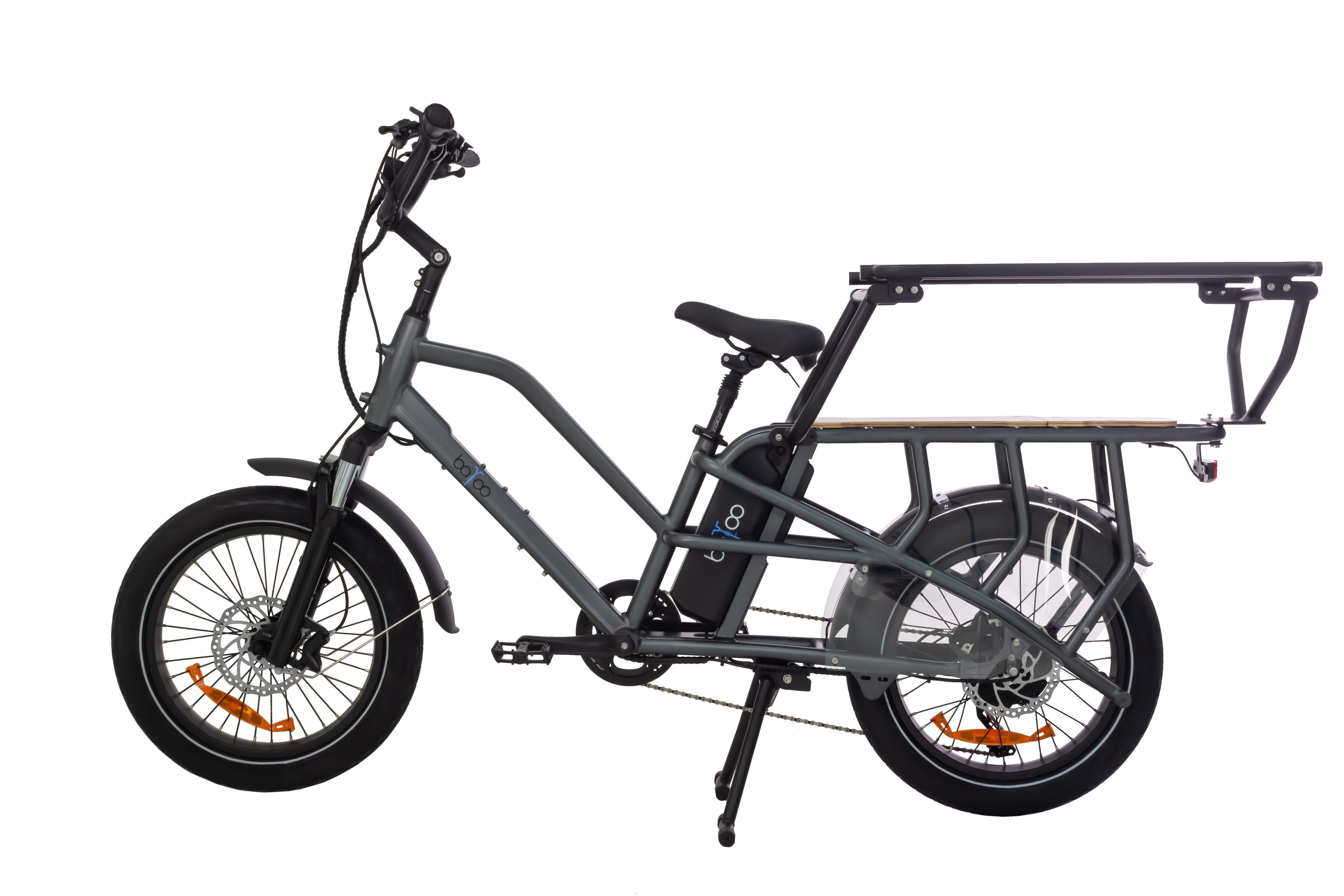
This low-step, adjustable-position cargo bike states a height range of 1.50m to 1.85m, with a telescopic seatpost and adjustable handlebars. These indications allow for an initial selection; they must be confirmed by both of your personal feelings.
Book a joint test ride and indicate at the time of booking that the bike will be shared. You will be able to verify both positions and leave with a configuration chosen based on your organization.
Frequently asked questions
Can two people of different heights share a cargo bike?
Yes, if the adjustment range and geometry suit both. An individual test ride for each person remains essential to confirm this.
Is it necessary to modify the handlebars each time it is used?
Not necessarily. First, look for a position that suits both, then follow the adjustment options provided by the manufacturer.
Which person should test the bike before purchase?
Both. Each must test the controls, stops, and maneuvers they will perform regularly, with the appropriate adjustments.