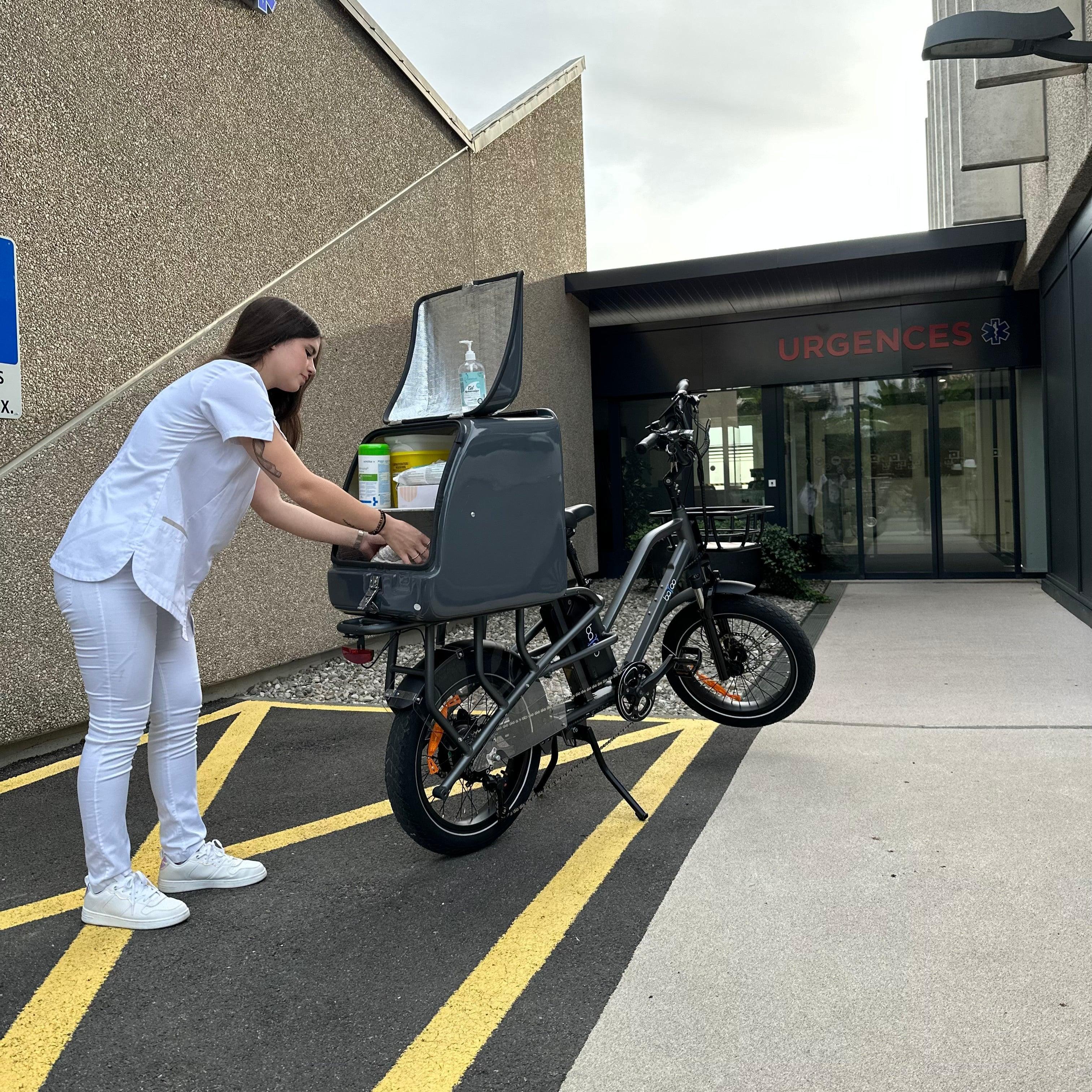
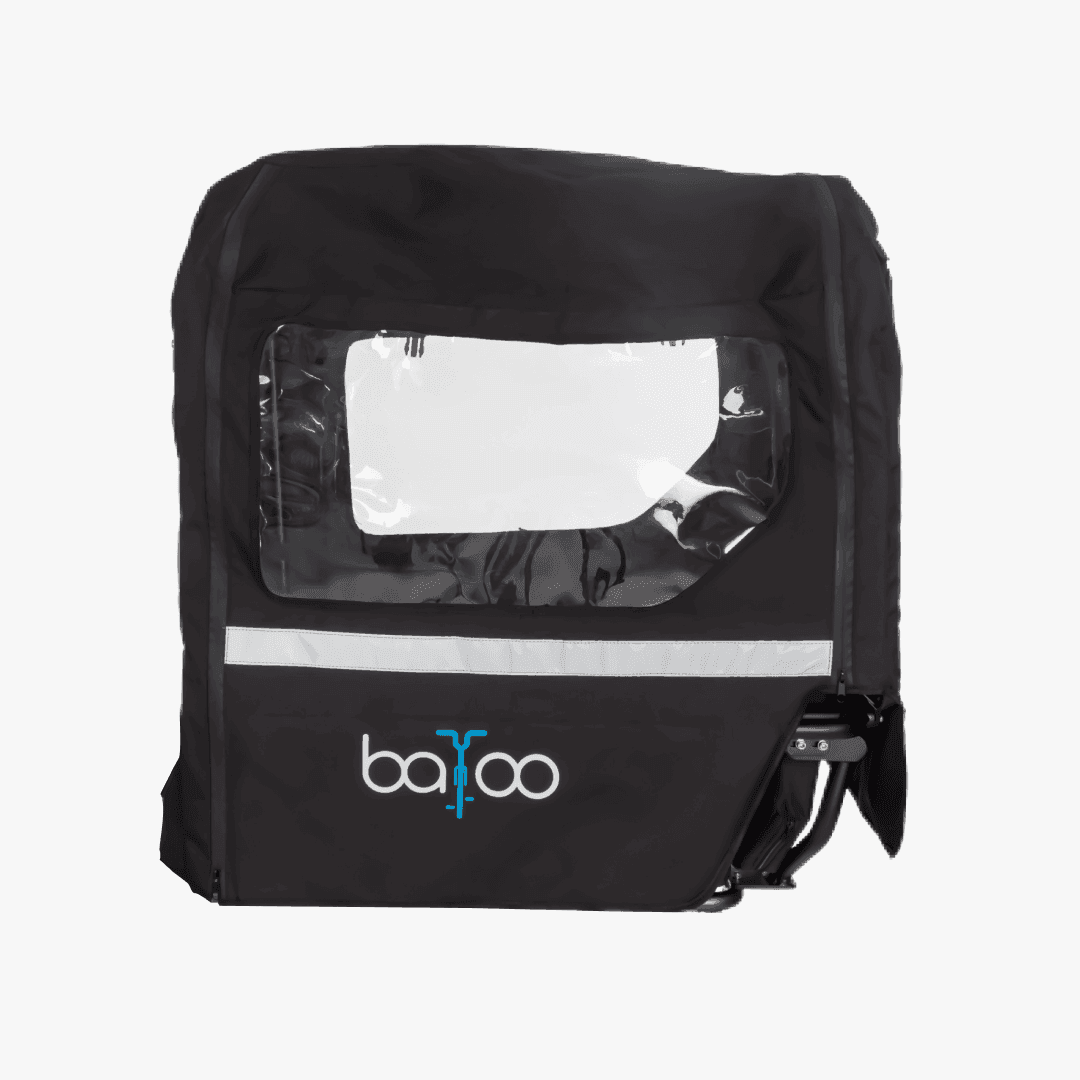
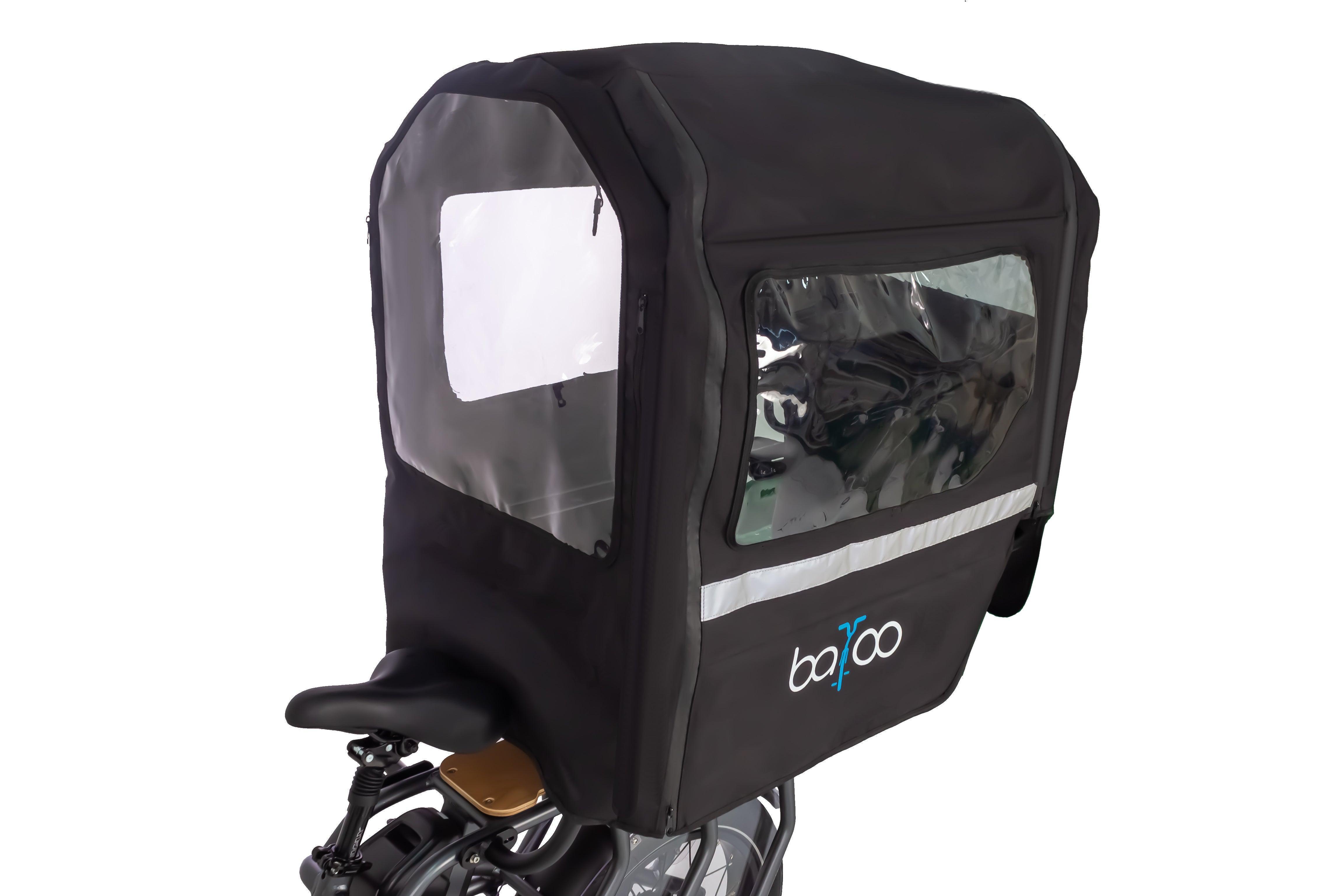
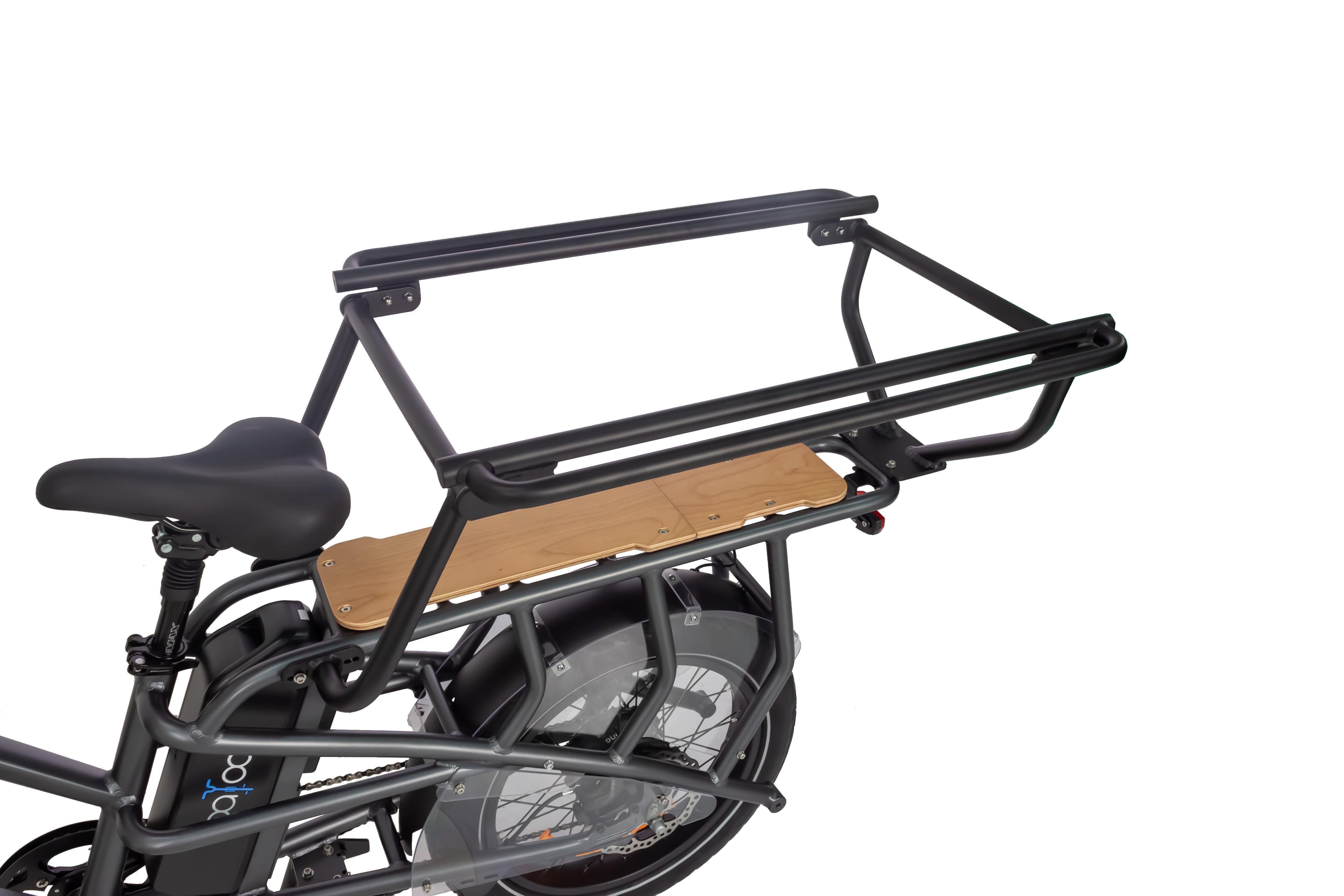
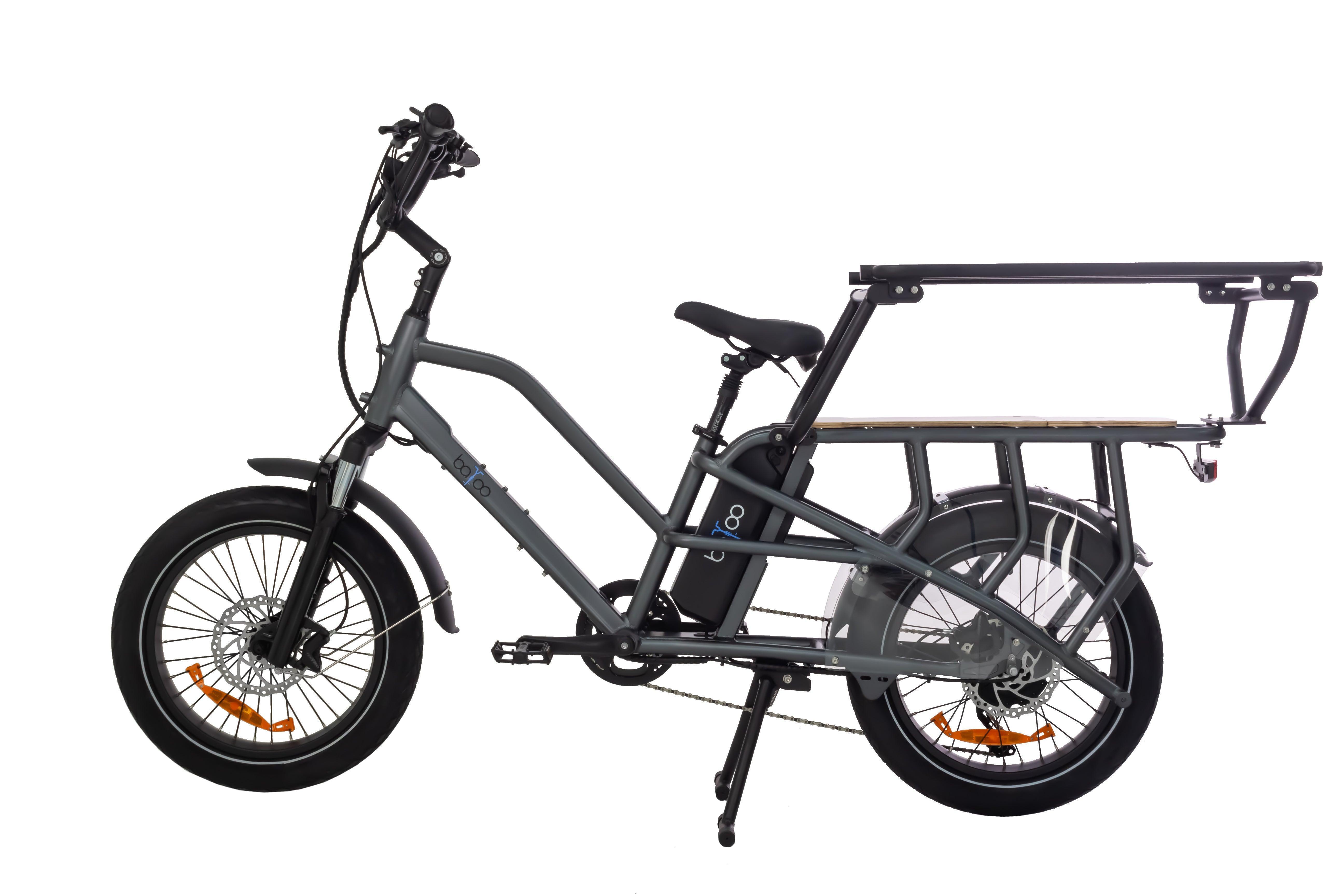
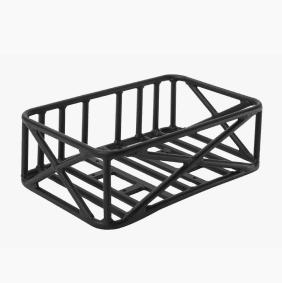
For small deliveries, choose the box together with the cargo bike, based on your parcels and the stops on your route. Capacity alone is not enough: confirm the mounting, permitted load, and how the loaded bike handles.
Before ordering, check:
- the actual size and weight of the goods;
- box and mounting compatibility alongside the load limits;
- access to parcels, rain protection, and manoeuvres at each stop.
This guide helps you choose the bike, box, and accessories without confusing available volume with transportable weight.
Describe the goods before choosing the box
Measure the items you transport often: the longest parcel, the tallest plant, the bags that must remain upright. Add protective packaging and the space required to grasp or remove the products. An external box dimension does not guarantee the same internal dimension; ask for the one that counts for your goods.
Also consider the frequency of opening. If you are delivering to several addresses close together, check that the lid and lock are easy to operate, even while wearing gloves. A box that is too large for your standard shipments can add unnecessary bulk; a box that is too small will force you to improvise external attachments.
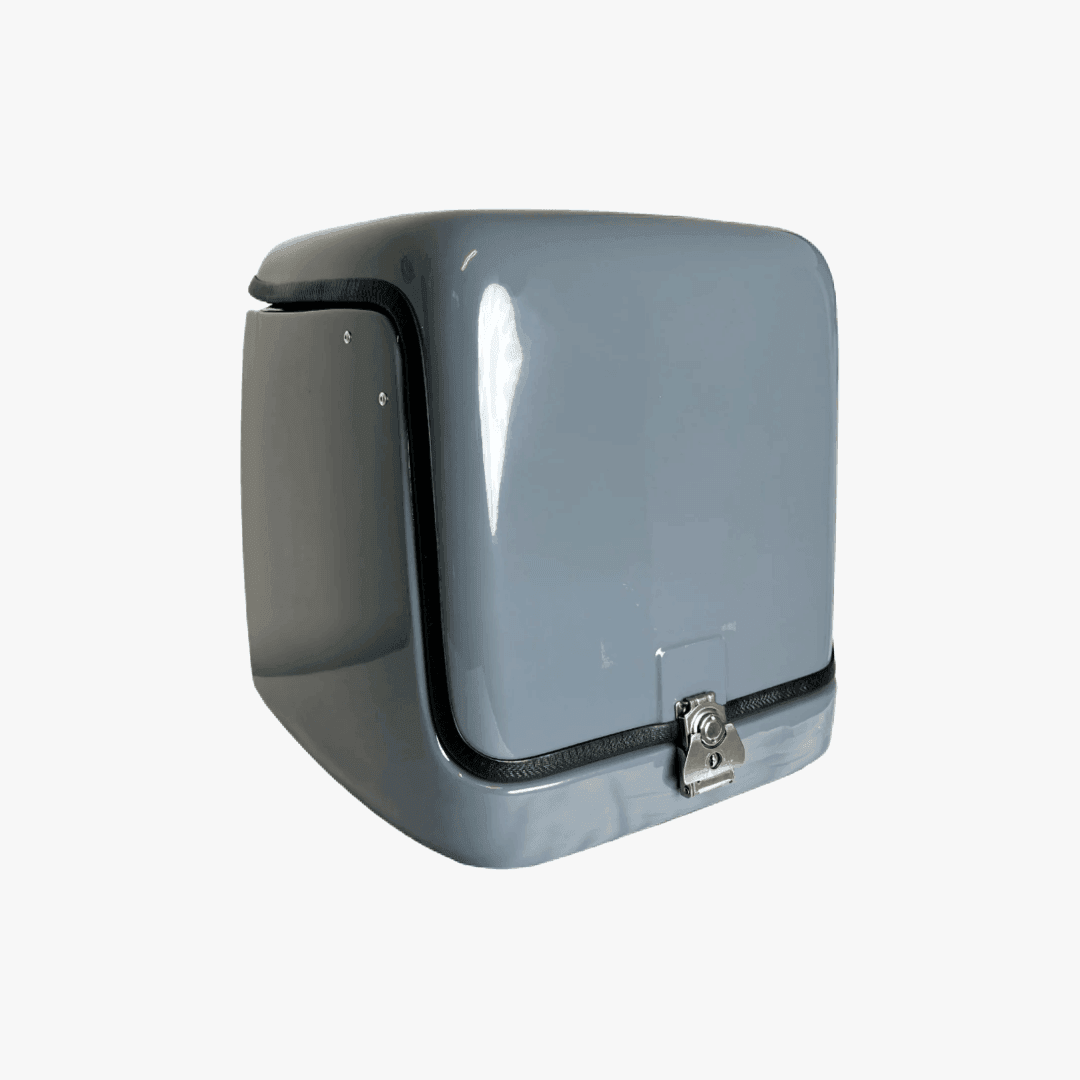
The product page for this enclosed transport box presents two sizes. Use their advertised dimensions as a starting point, then ask for the internal dimensions, the weight of the box, its maximum allowed load, and the mounting method before choosing.
Have the mounting confirmed for the specific bike
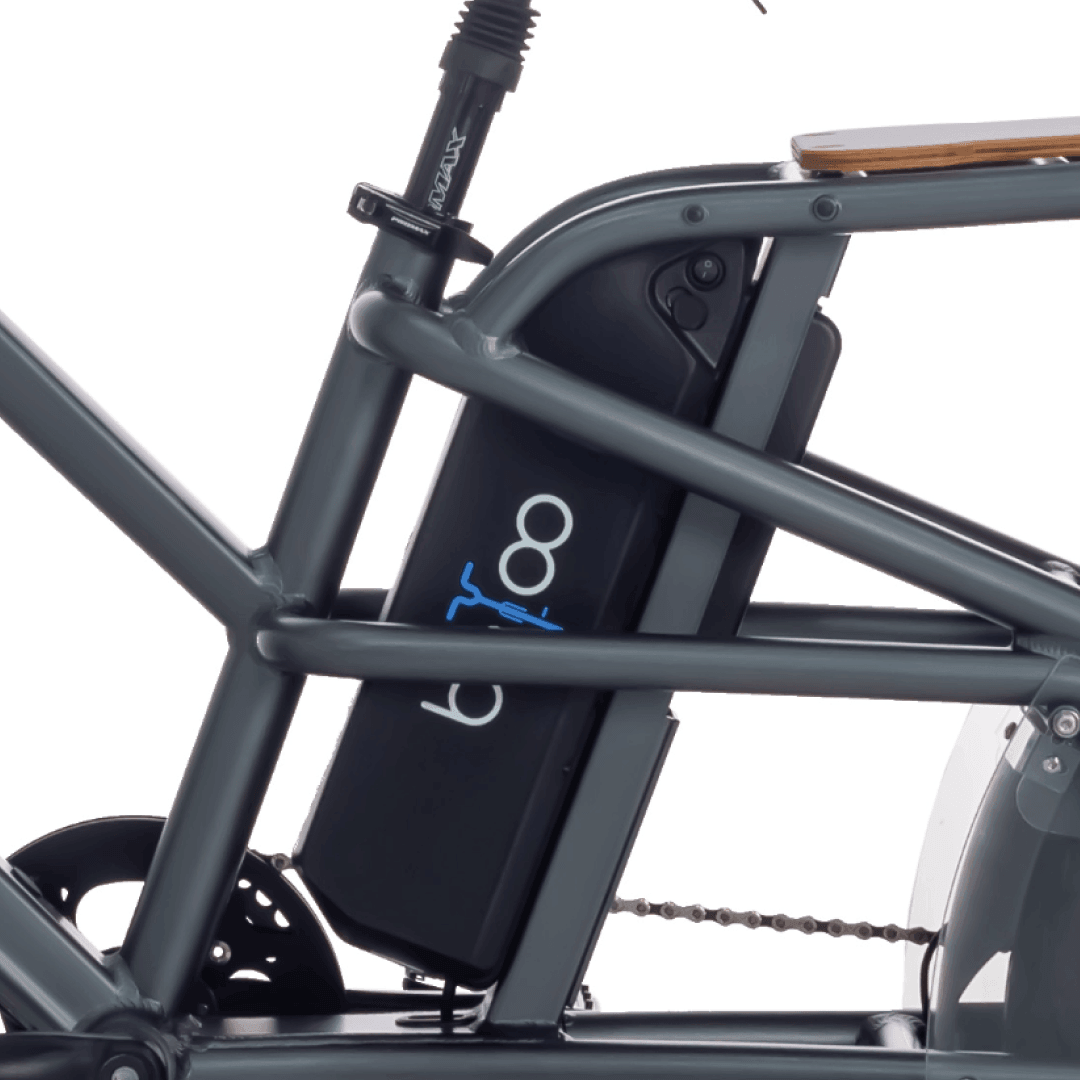
A box intended for deliveries must not simply "sit" on a luggage rack. Verify the provided mounting points, compatibility with the exact version of the bike, other installed accessories, and access to the battery. Request written confirmation of the complete configuration, ideally with the box mounted during a test ride.
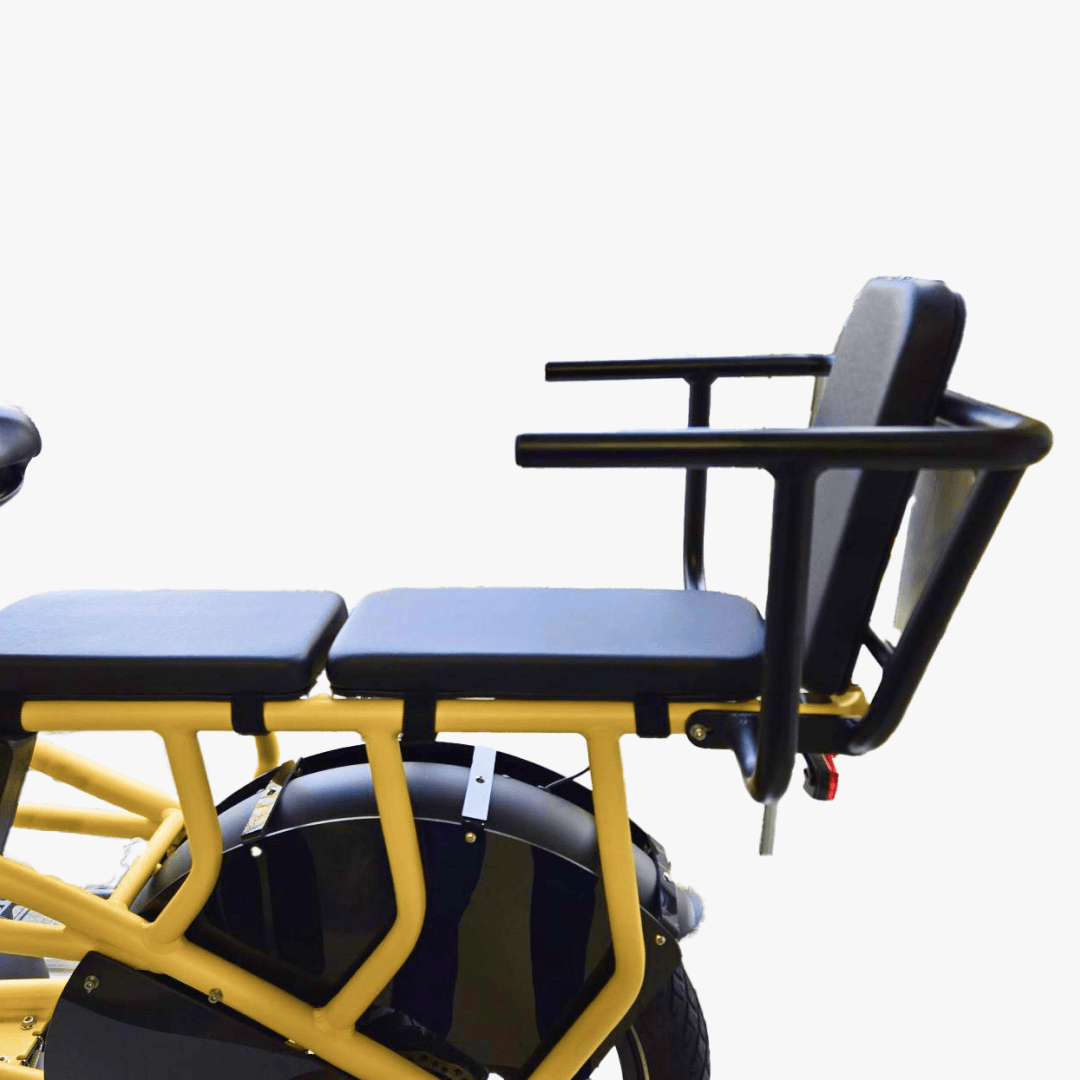
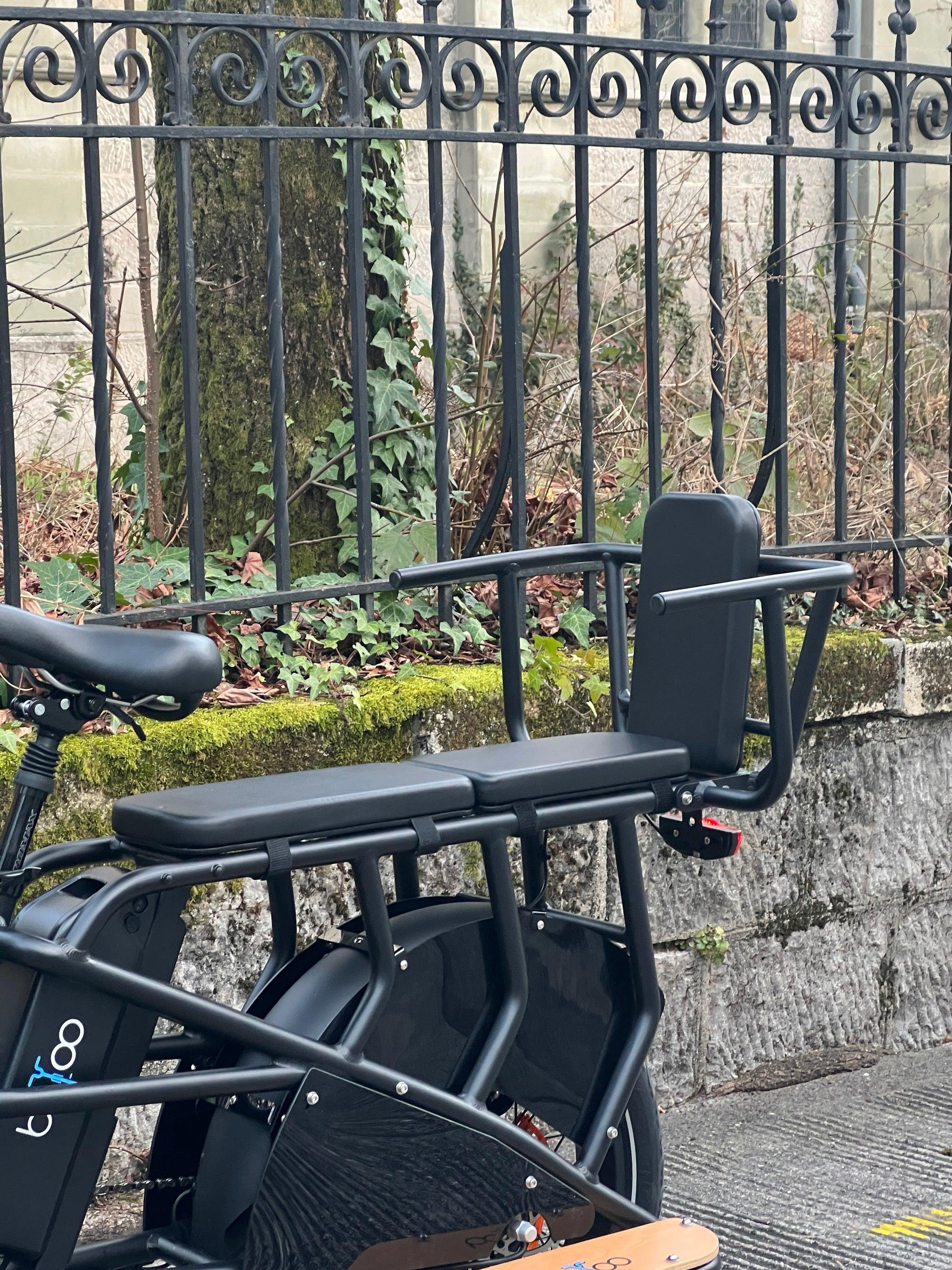
The product page for this electric cargo bike advertises a payload of up to 160 kg. This figure is not sufficient to establish the load allowed in a specific box or on a particular rack: the bike manual, the luggage rack capacity, the fasteners, and the box may impose distinct limits. Always respect the most restrictive one and ask how the manufacturer defines the payload.
Distribute the load to keep the bike predictable
Prepare a test route with your usual weight, rather than the maximum imagined. Place the heaviest items as low and as close as possible to the location intended by the manufacturer, then secure them so they do not shift during braking. Ensure that the box or its contents do not obscure the lights, reflectors, or the cyclist's visibility.