An electric bike can make daily commuting more pleasant. But when you live in an apartment, the journey doesn't end at the front door: there is sometimes a heavy door, a few steps, or a narrow elevator to navigate. These last few meters deserve as much attention as battery range or road comfort.
Before buying, examine the path between the street and the place where you plan to store the bike. The goal is simple: find a solution that you will want to use every day, even when coming home with groceries.
Measure the entire path, not just the final spot
Start by walking through your building as if you were already accompanied by the bike. Note doors, thresholds, tight turns, and areas where you need to reverse to change direction.
- At the entrance: measure the actual available width when the door is open and observe how it closes.
- In the hallways: check the space for turning, especially when a second door follows immediately after the first.
- In the elevator: note the opening, depth, and the space needed to stand next to the bike.
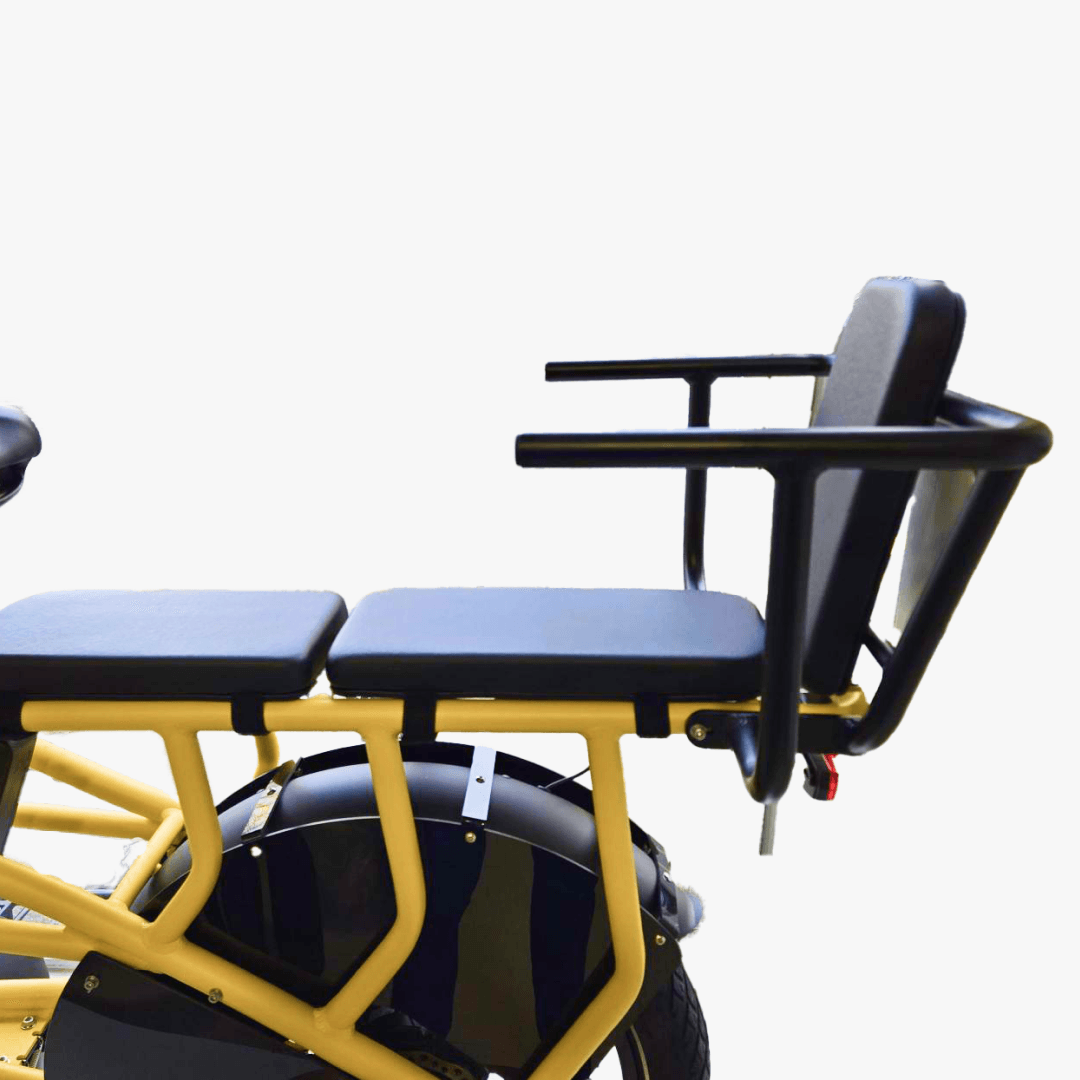
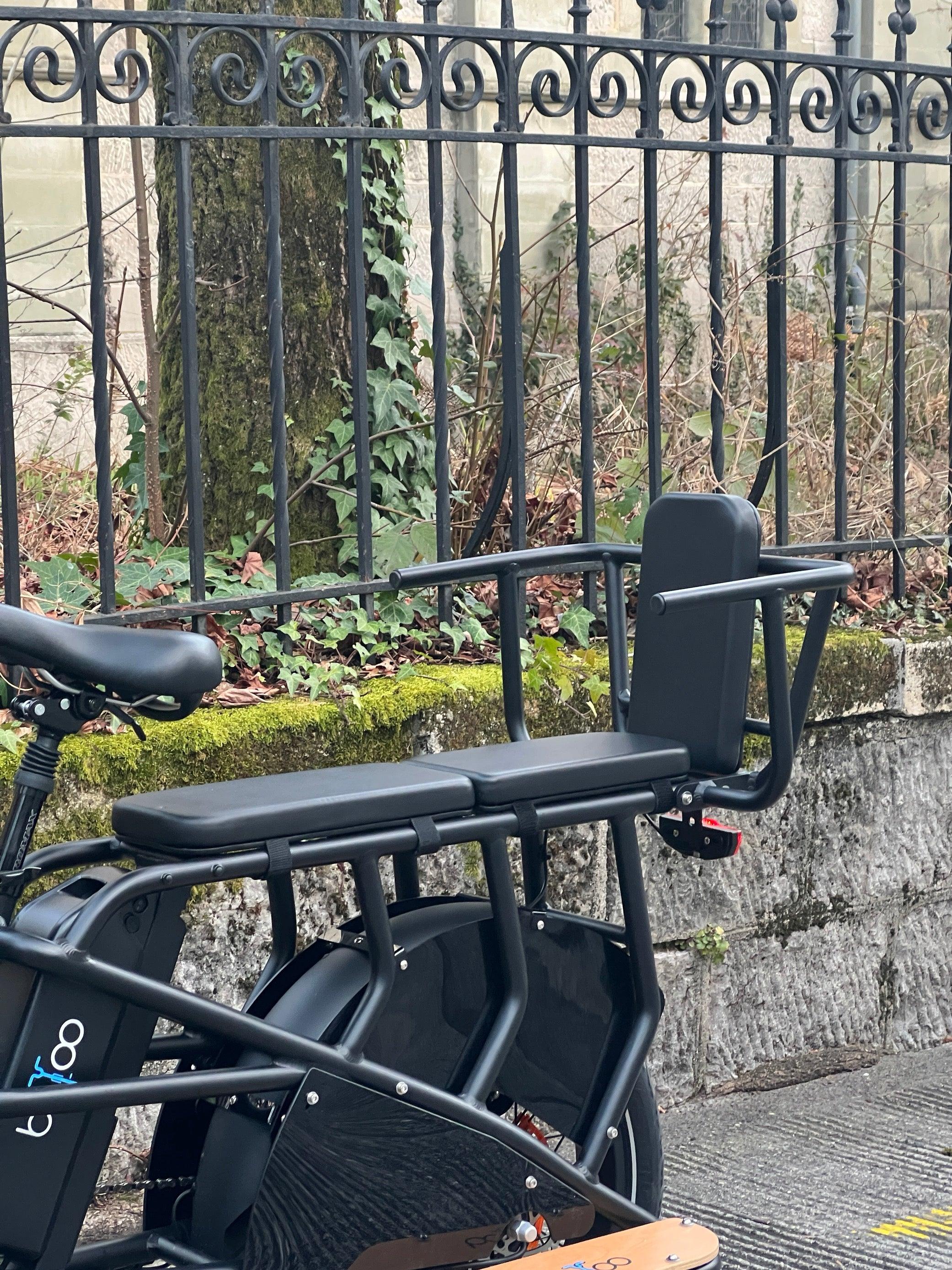
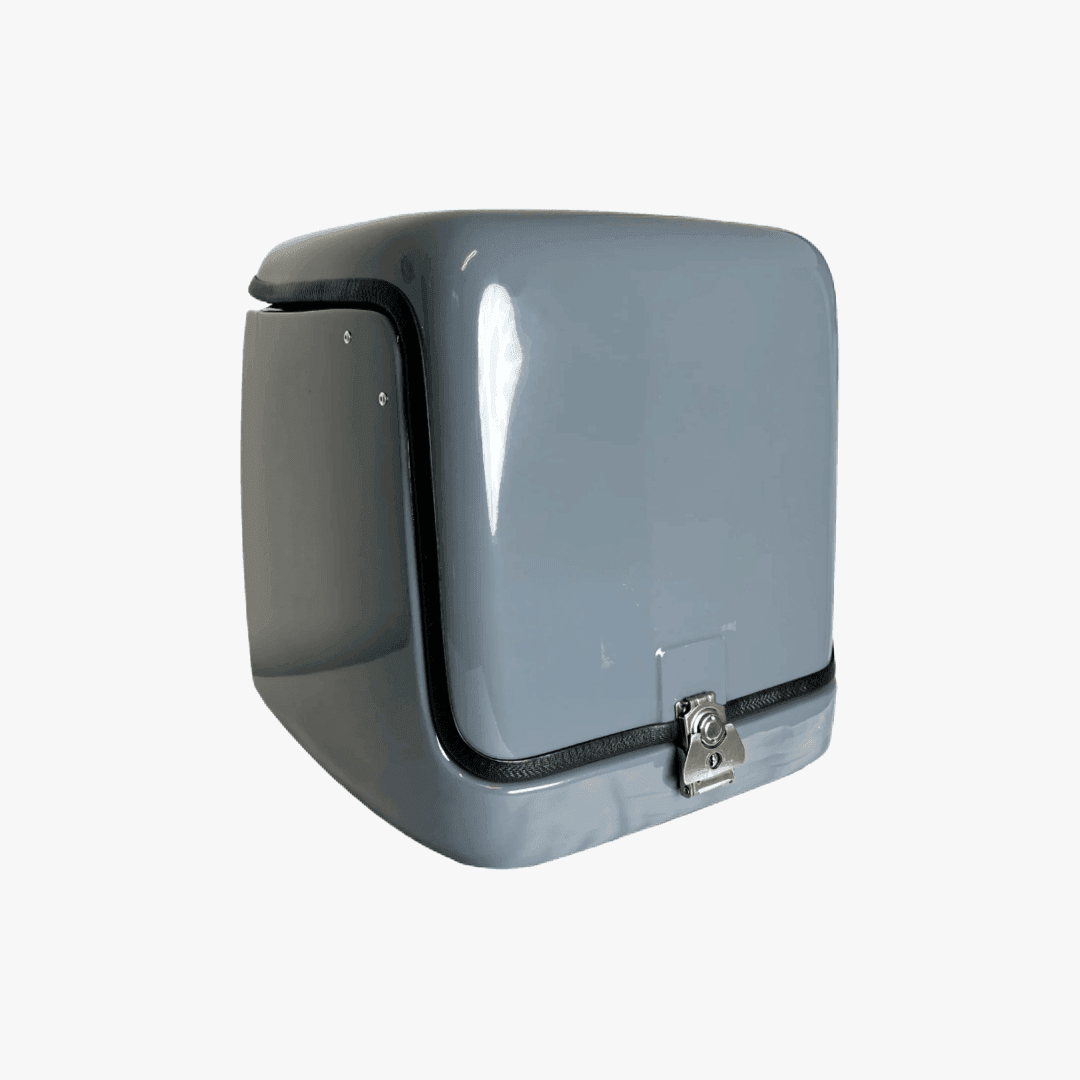
- At the storage spot: account for the space taken up by the handlebars, pedals, and any accessories you will actually use.
Compare these measurements to the dimensions of the fully equipped bike. A total length is not enough to describe the maneuver required in a corner. If the passage seems tight, ask for a real-world test before ordering.
Evaluate handling rather than searching for an ideal weight
The advertised weight is a starting point. Ask what it includes: battery, rack, or other equipment. Compare models in a configuration as close as possible to the one you will use.
On site, focus on the movements: pushing at a slow pace, reversing, turning around, and holding the bike while opening a door. A bike that is pleasant to ride may prove less practical in a narrow hallway.
If your access includes stairs, describe them to the retailer: number of steps, width, and landings. Do not assume that electric assist solves the difficulty of carrying it. If you have to lift the bike, have the appropriate grip points checked and assess the feasibility without putting yourself in a difficult position. A ground-floor accessible spot can completely change your choice.
Understand the benefits of a removable battery
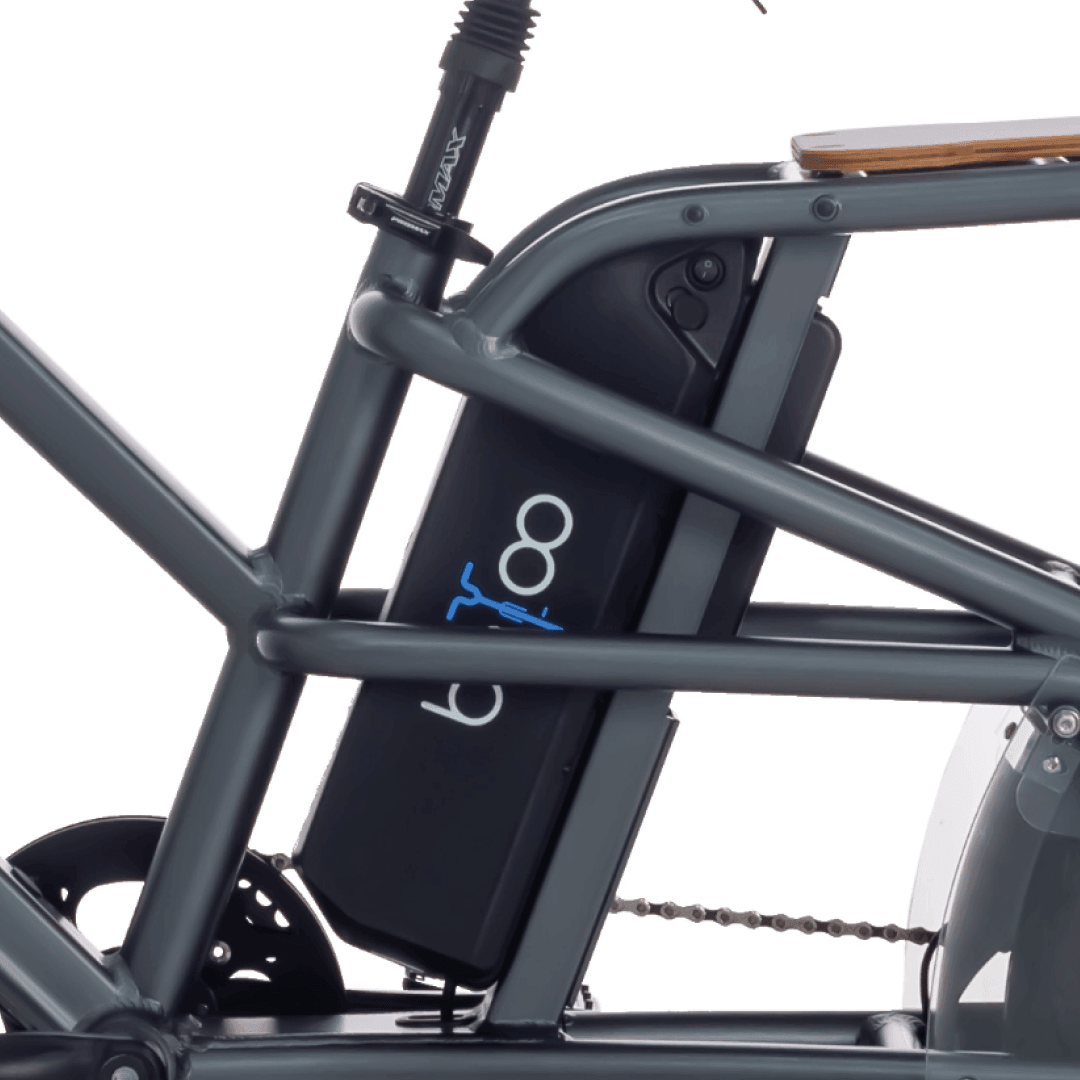
A removable battery allows you, when the manufacturer provides for it, to transport it separately from the bike. This can be useful if the bike stays in a storage room and charging takes place elsewhere. Follow the manual for removal, replacement, and charging.
Check the process during the test ride: access to the lock, direction of removal, and the space required once the bike is stored. A removable battery, however, does not eliminate the remaining weight of the bike or its bulk.
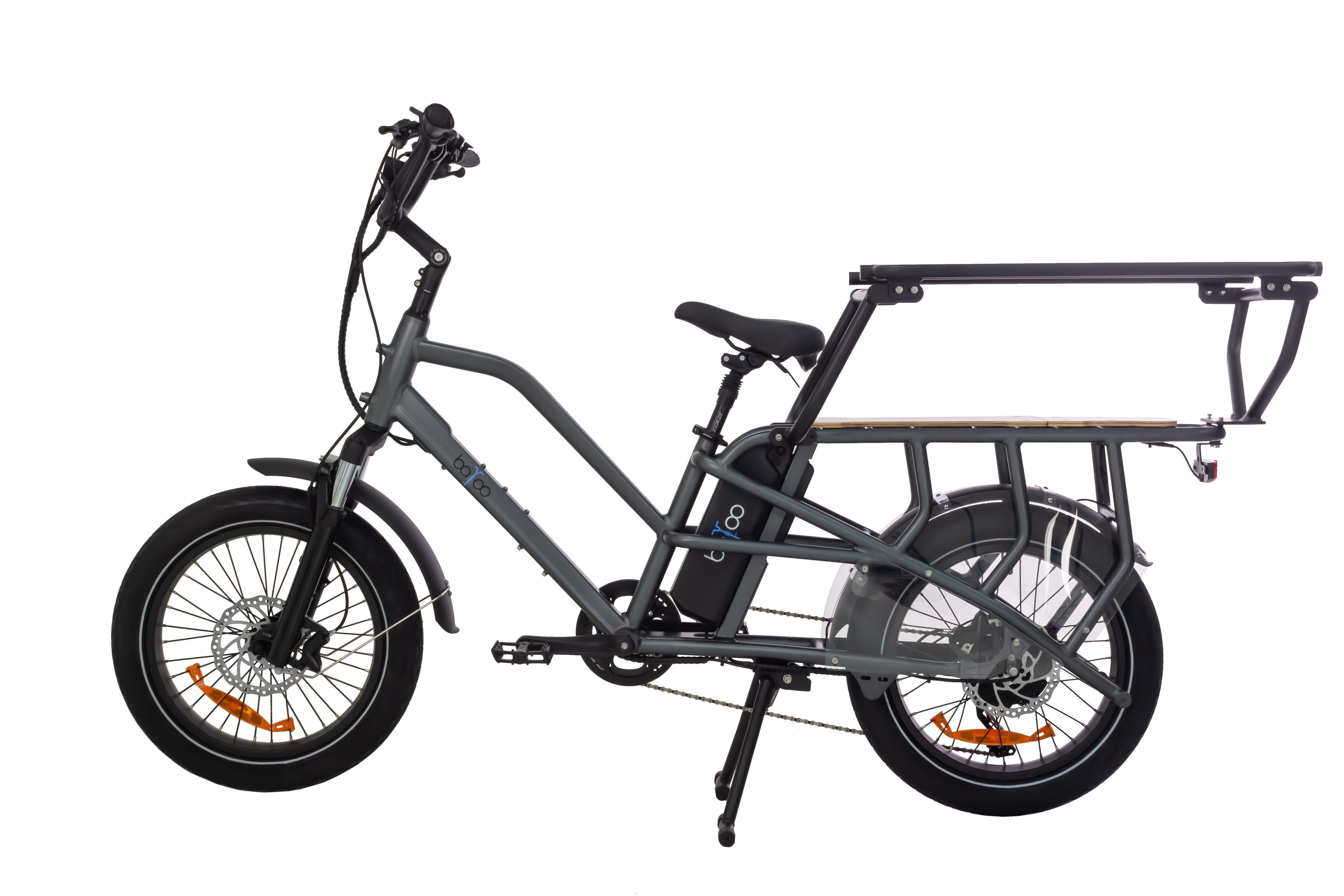
The product page for this electric bike for daily commutes indicates a removable battery. To find out if it is suitable for your home, also ask for its weight in your chosen configuration and its exact dimensions.
Organize storage that can be used every day
Choose a spot from which you can take the bike out without moving several objects. Also imagine returning with a bag, a wet coat, or items to put away: constraints are often clearer in this scenario than by simply looking at a floor plan.
In a shared area, inquire with the building management about available spots and terms of use. Keep walkways clear and identify how to lock the bike to a suitable fixed point.
A wall or vertical mount should only be considered after verifying its load capacity, compatibility with the bike, and mounting requirements. You must also be able to install the bike on it without difficulty. Do not assume that a model can be stored vertically without confirmation from the manufacturer.
Prepare a test ride with the right questions
Bring your measurements and a few photos of the access route. These will help explain a constraint that a simple mention of "second-floor apartment" does not describe.
Ask to perform standard maneuvers in an appropriate space: pushing the bike, making sharp turns, and parking it. Have the handling of the battery and the truly compatible equipment demonstrated to you. If a walk-assist function is important to you, check its presence and operation on the exact model.
Your choice can then be based on two complementary tests: the road test and the storage access. A suitable bike must be right for you in both situations.
Frequently asked questions
Can you buy an electric bike without having a garage?
Yes, provided you have a suitable storage solution and accessible entry. A bike room or an accessible room may be suitable depending on its characteristics. Verify your solution before choosing the model.
What weight should you aim for to carry a bike upstairs?
There is no practical threshold that applies to everyone. The stairs, available grips, and your own comfort level also matter. Ask for a supervised test and look for another solution if the movement seems difficult to repeat.
What should you communicate before buying online?
The measurements of the passage, any steps, the size of the elevator, and the desired accessories. Consult the specifications of this urban electric bike, then have missing information and trial options confirmed before ordering.