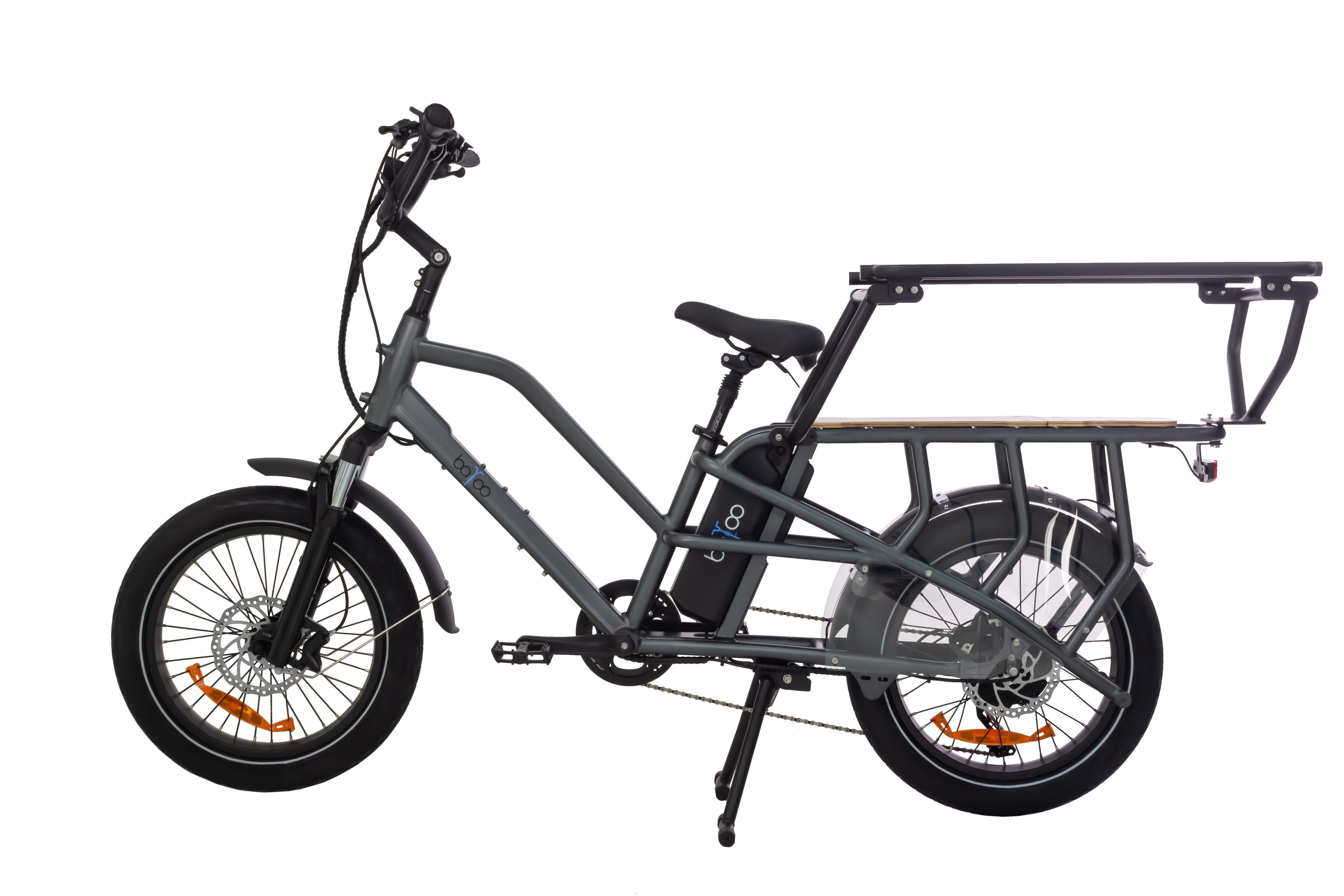
Quick answer: the weight that can be carried depends on the definition of payload or total weight given in the manual, and then on the specific limits of the seats, luggage rack, and other equipment. To determine your actual capacity, add up your usual load and check each of these limits.
A cargo bike can handle school runs, grocery shopping, and family outings. However, "four seats" and "payload" do not answer the same question. Here is a calculation sheet to prepare before buying, which should then be confirmed for the exact configuration of the bike.
Identify three types of limits in the documentation
Start by photographing or noting down the data from the spec sheet and the manual corresponding to the chosen version. You need to distinguish between:
- The total authorized weight: the limit for the entire loaded unit, if the manufacturer publishes this value.
- The payload: the mass that can be added according to the manufacturer’s precise definition. It may be presented differently from one brand to another.
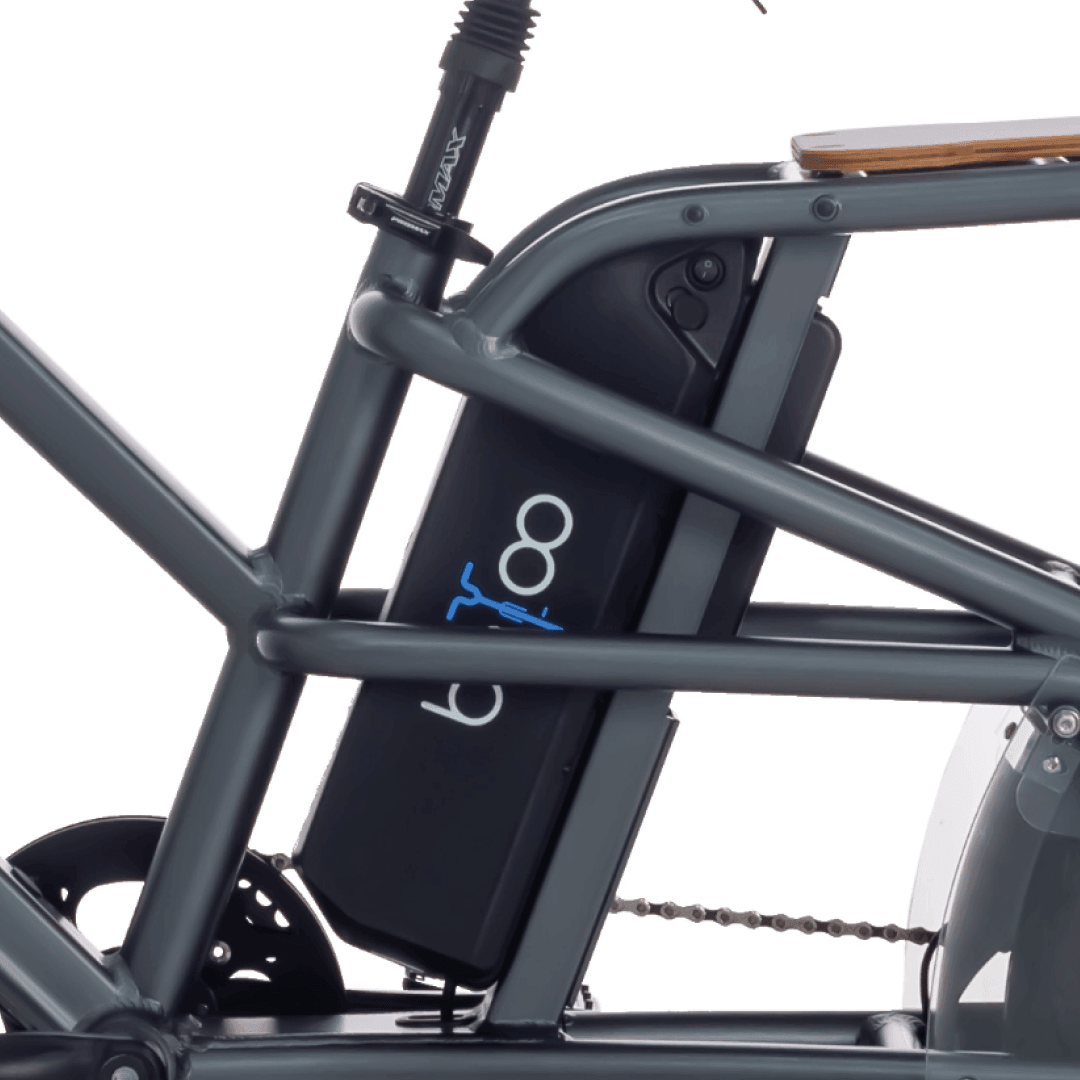
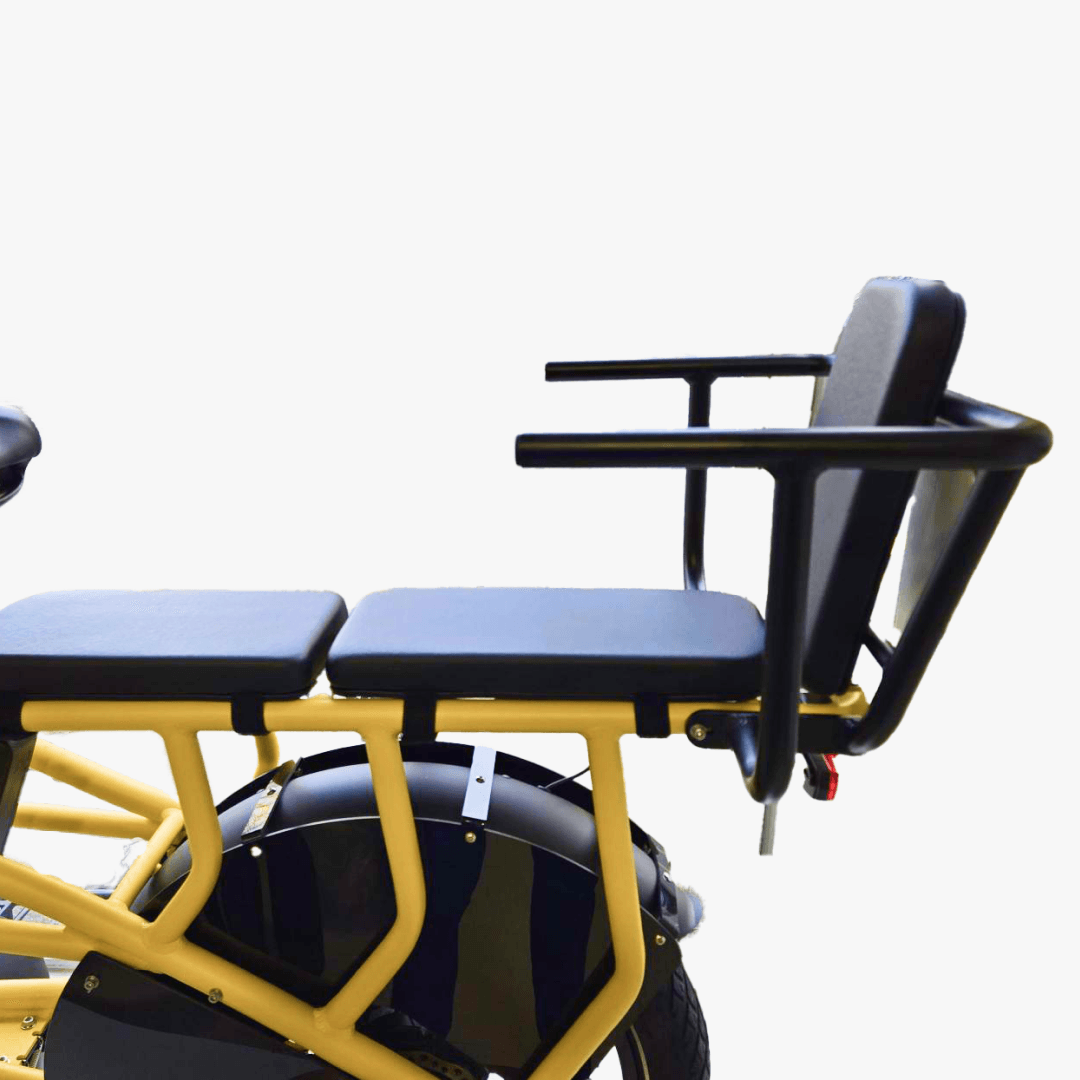
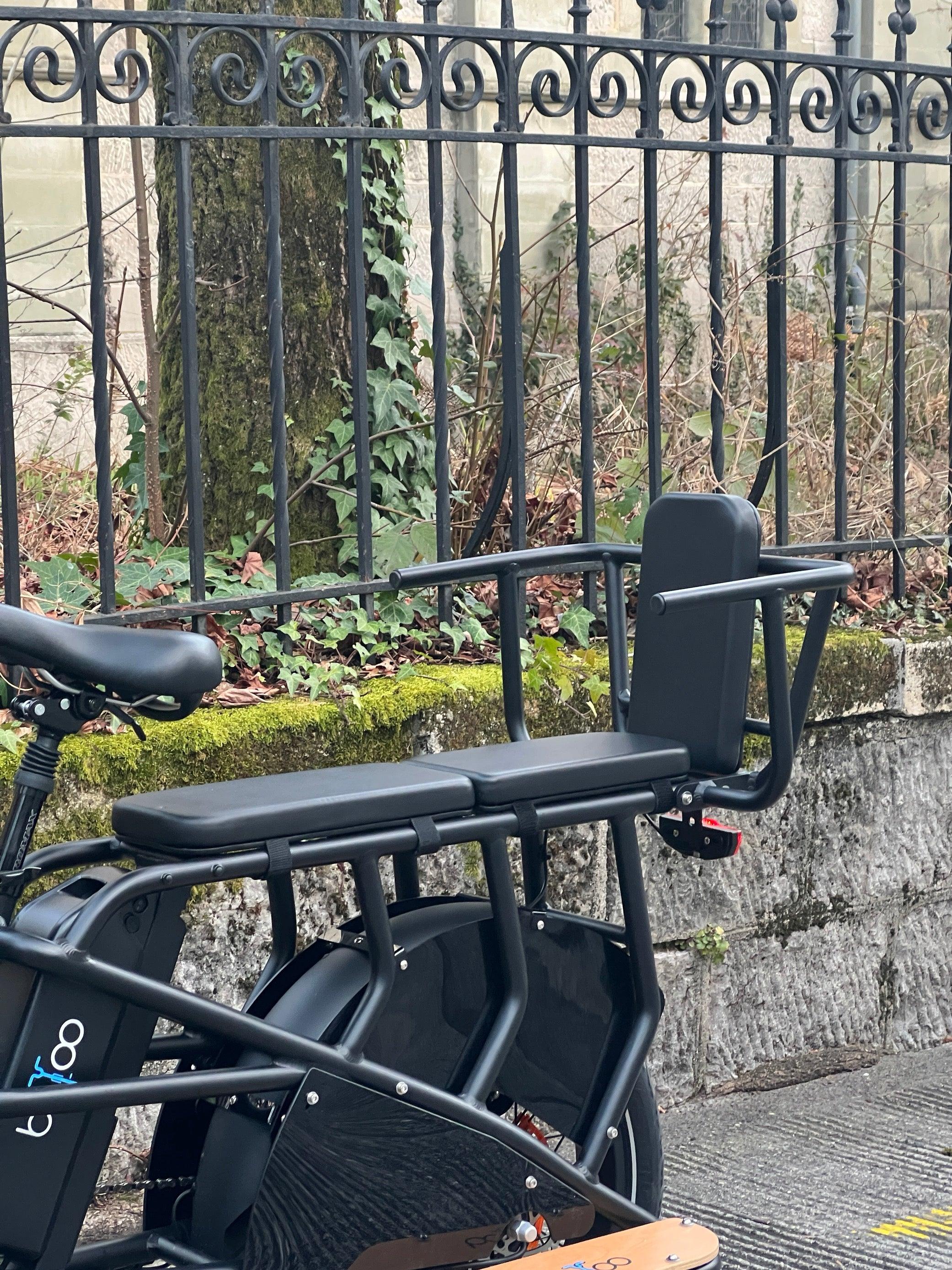
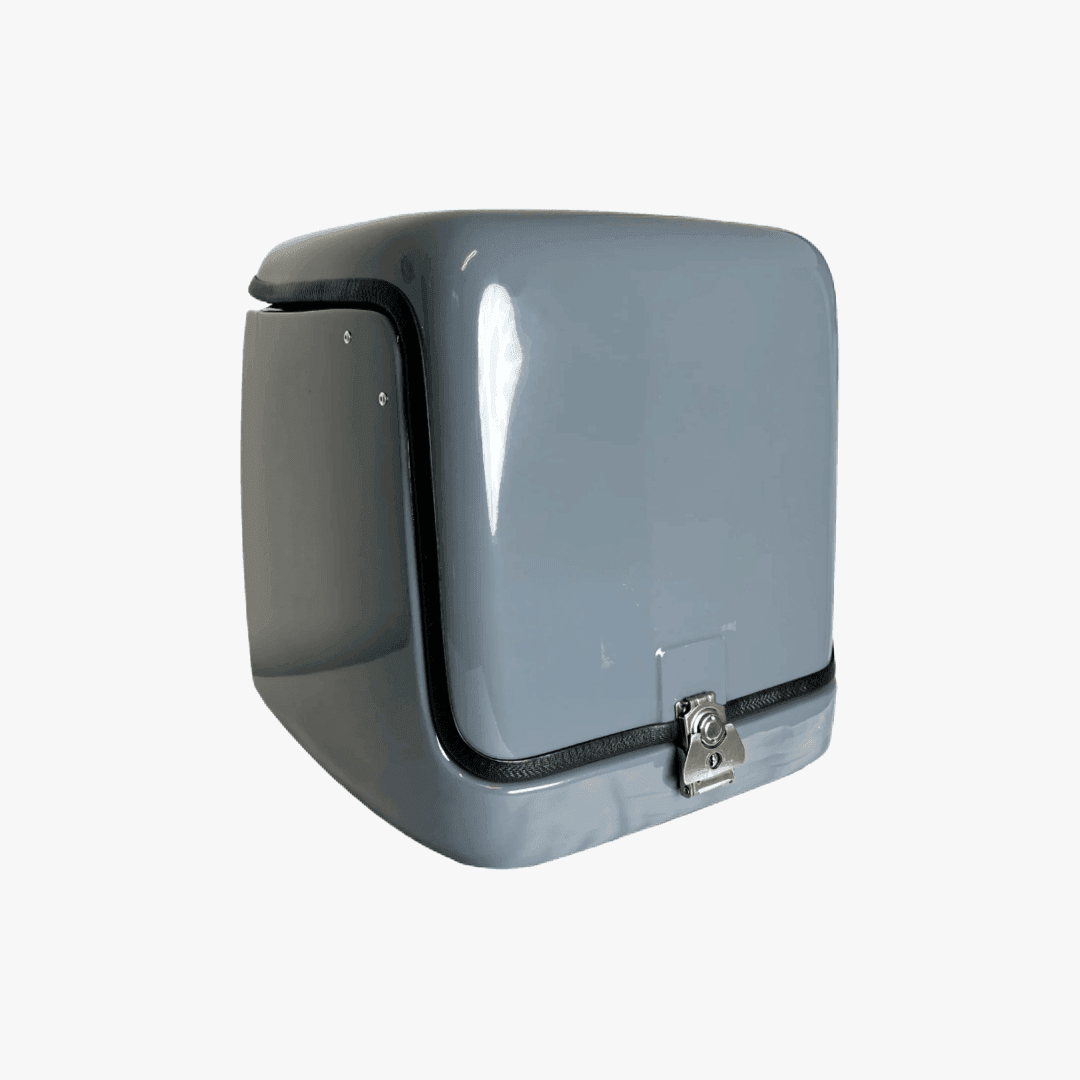
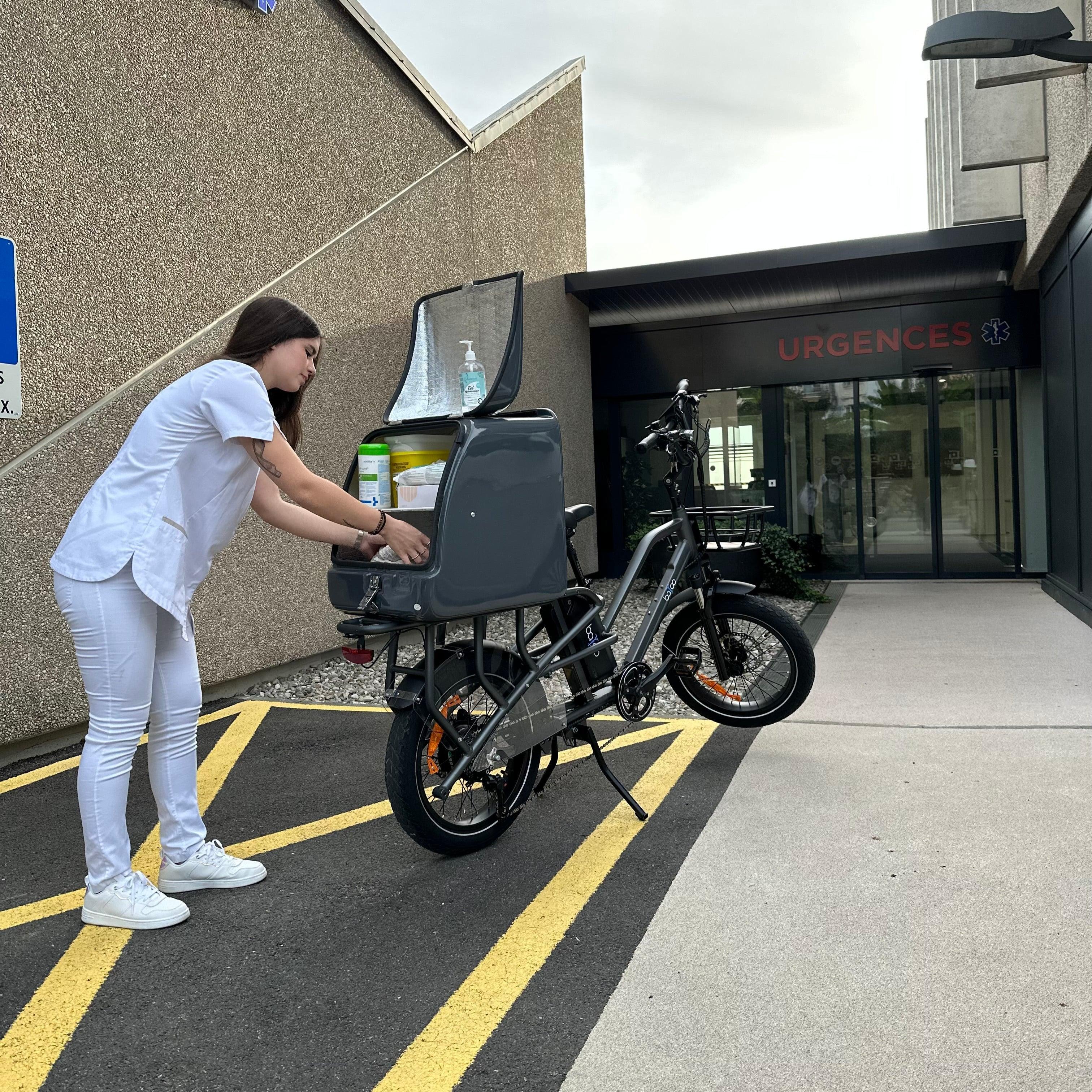
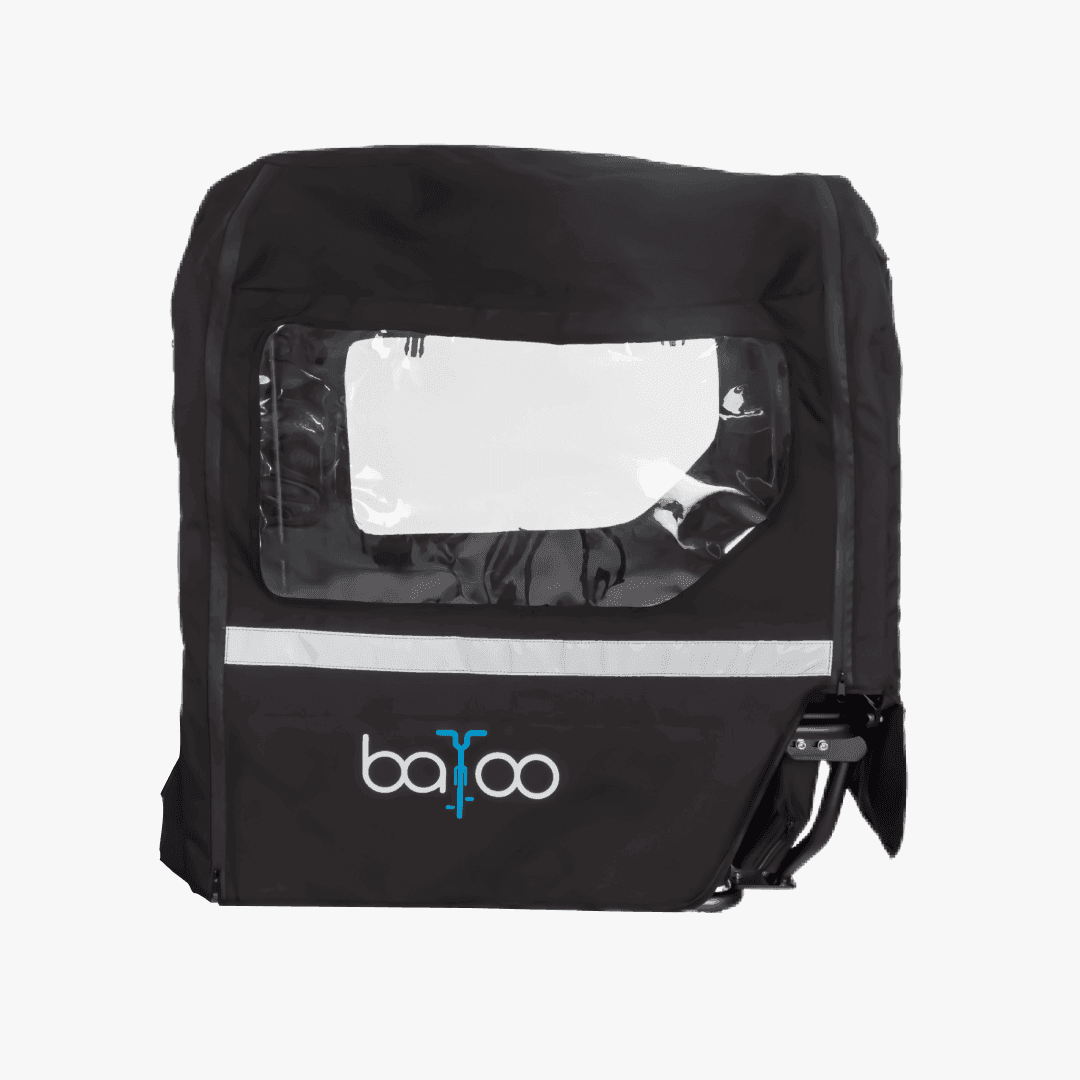
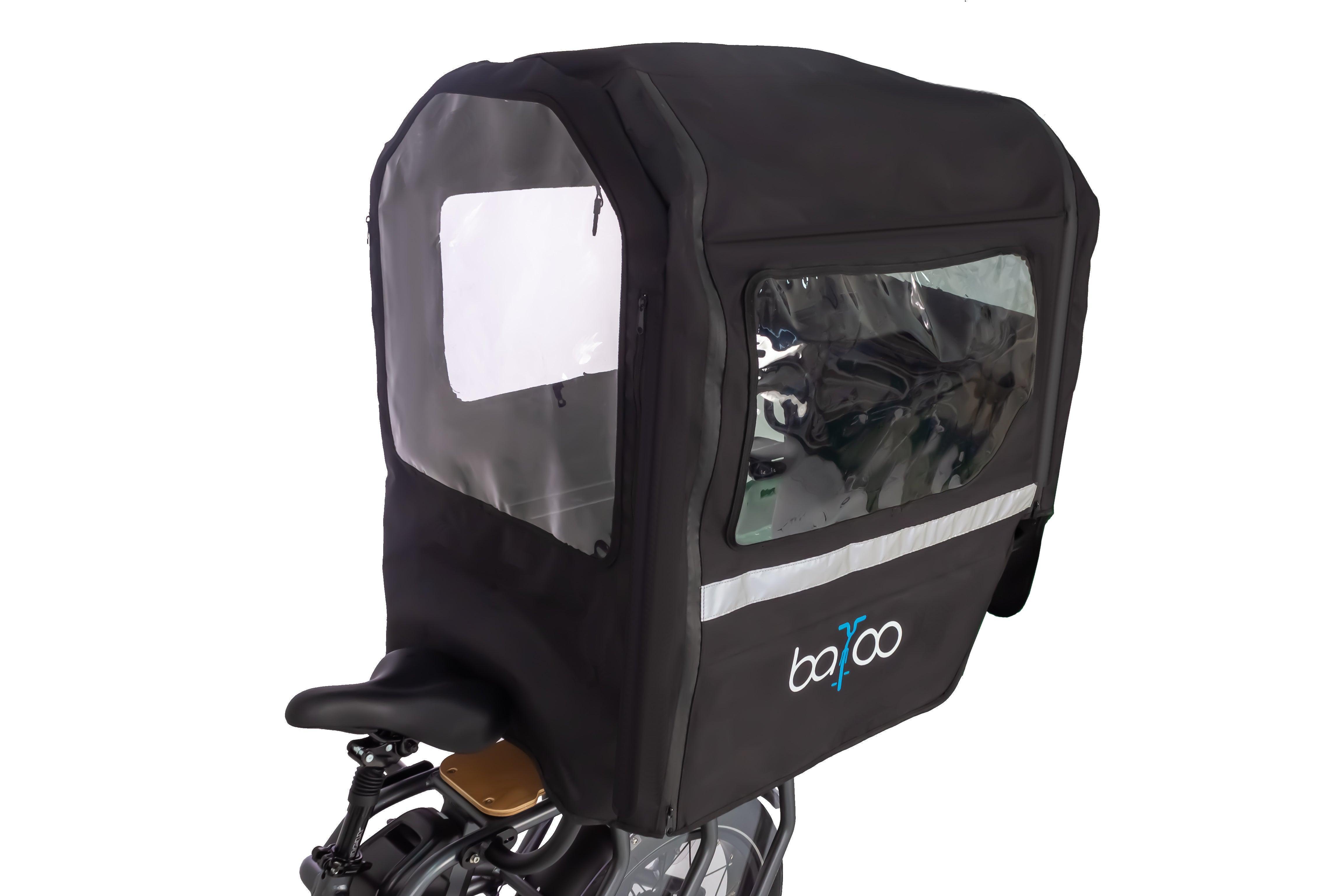
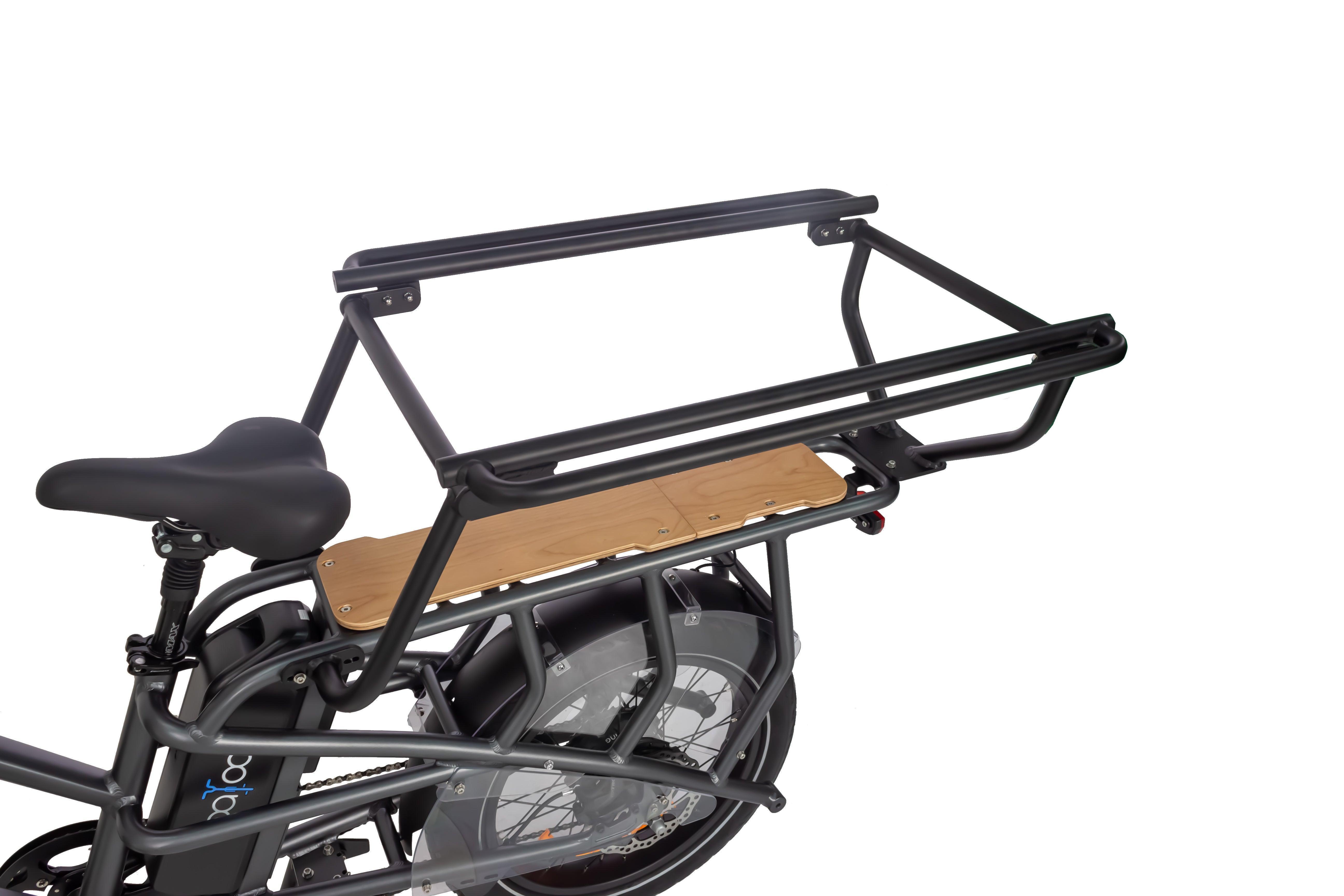
- Local limits: the capacity of the luggage rack, a front mount, a seat, or other accessories. These are not interchangeable.
Also note the weight of the bike in the selected configuration: the battery, a potential second battery, and mounted accessories can change the total. In case of uncertainty, do not mix the figures from two versions or two manuals.
Choose the right calculation
If the manual provides a total authorized weight that includes the bike, the rider, the passengers, the accessories, and the luggage, add these items together and compare the sum to the limit. The difference represents a margin for the total, not an authorization to load any given spot.
If the spec sheet provides a payload, ask which elements are already included. Add only the items that the definition requires you to count. Do not automatically subtract the weight of the bike: this would sometimes be subtracting it a second time.
In both cases, the overall calculation is only the first step. A setup must also respect the limits of each piece of equipment and the authorized passenger configurations.
Test the calculation with a hypothetical example
Educational example, unrelated to any model sold here: let's assume a manual sets the total authorized weight at 200 kg and counts all the following items.
- Bike with battery: 35 kg.
- Equipped rider: 80 kg.
- Two passengers: 40 kg in total.
- Accessories not included in the 35 kg: 8 kg.
- School bags and groceries: 12 kg.
The sum is 175 kg. This leaves 25 kg before reaching the hypothetical total limit. However, if a seat, mount, or luggage rack reaches its own limit, it is impossible to add weight to it, even if the total remains under 200 kg. Also, verify that each passenger occupies an authorized seat with the planned equipment.
Fill out your sheet before asking for advice
Prepare two scenarios: an ordinary day and the busiest day you actually intend to have. For each, note:
- the weight of the rider with their belongings;
- the number of passengers and their current weight;
- the references and weight of seats, guards, panniers, and other accessories;
- the weight of school bags, groceries, or other objects once packed;
- the intended location for each person and object;
- the documentary limit against which you are comparing each subtotal.
This last column is essential. A correct sum is not enough if you ignore where the objects will be placed. Also, consider a realistic future situation: children grow, while the number of seats remains the same.
Have the exact configuration confirmed
You can start with the spec sheet of this family electric cargo bike to list the desired equipment. Then, ask the seller to confirm in writing what is included in the stated payload, the limits of each mount, and the compatibility of the chosen seats. The product sheet alone is not enough to distribute weight across all locations.
During the test ride, use only an authorized load and observe starts, stops, turns, and parking. The calculation verifies the limits; the test ride shows whether this configuration suits your daily life.
Frequently asked questions
Does the payload include the rider?
The answer depends on the definition published for the specific bike. Check it in the manual or ask the seller before doing any subtraction.
Can all remaining load be placed on the luggage rack?
No. The luggage rack may have its own limit, lower than the margin calculated for the complete bike. Both must be respected.
What if the spec sheet and the manual do not give the same figures?
Ask which version of the bike and which accessories each document describes. Get the discrepancy clarified before using the higher value for your transport project.