Choosing between a speed bike and a 25 km/h electric bike might seem simple on paper, but in reality, it all depends on your use case. In Switzerland, the two are not at all in the same category for daily use. The 25 km/h electric bike remains the simplest solution for the city, mixed commutes, and versatile use, whereas the 45 km/h speed bike becomes particularly relevant when the absolute priority is to save time over significant distances. To set the foundation, this speed bike vs. 25 km/h electric bike comparison already helps to understand the most important differences.
The right question is therefore not "which bike is best?", but rather "which bike is most consistent with my actual journeys?". A speed bike is faster, but also more restrictive. A 25 km/h electric bike is less spectacular, but often more logical for the majority of daily uses. If you mainly ride in the city, with many stops, and you're looking for an easy-to-live-with bike, the 25 km/h often remains the best choice.
Essential Differences
The most obvious difference is the assistance speed. A classic e-bike cuts off its assistance at 25 km/h. A speed bike, on the other hand, continues up to 45 km/h. But the real difference doesn't stop there. In Switzerland, the speed bike is legally more regulated: yellow plate, insurance, M permit, mandatory helmet, speedometer, and, depending on the case, a rearview mirror. The 25 km/h e-bike remains much closer to a classic bicycle in its use and obligations. The Swiss rules on electric bikes from TCS and the specific rules from ASTRA demonstrate this very well.
In short, the 25 km/h e-bike is designed for simplicity, versatility, and urban or peri-urban daily life. The speed bike, on the other hand, is designed for people who want to cover more distance in less time, especially on longer commuting routes. If you want to delve deeper into this point, the guide on the difference between a 25 km/h e-bike and a 45 km/h speed bike quickly shows what really changes in daily life.
Speed and Real Usage
On a clear road, the speed bike maintains a clear advantage. It becomes very interesting for people who regularly ride on medium or long-distance journeys and want to reduce their travel time.
But in real life, everything depends on the route. In a dense city, with many traffic lights, stops, pedestrians, and slowdowns, the advantage of the speed bike significantly diminishes. The smoother your journey, the more interesting the speed bike becomes. The more stop-and-go it is, the more sense the 25 km/h e-bike makes. This is also what emerges from the TCS S-Pedelec test, which shows that the speed bike primarily gains its advantage on fairly smooth commuting routes.
Costs and Maintenance
Budget-wise, the 25 km/h e-bike is generally easier to afford. It requires fewer administrative constraints and its overall initial cost is often lower. If your priority is budget, simplicity, and daily use, it often retains a clear advantage.
The speed bike often costs more to buy and especially to use, because you have to add registration, insurance, and mandatory equipment. You also have to accept a more demanding usage logic, closer to a fast moped than a simple electric bike. For many people, this is not a problem. But if you are looking for a bike that is easy to park, easy to insure, and easy to live with, the 25 km/h e-bike remains more comfortable.
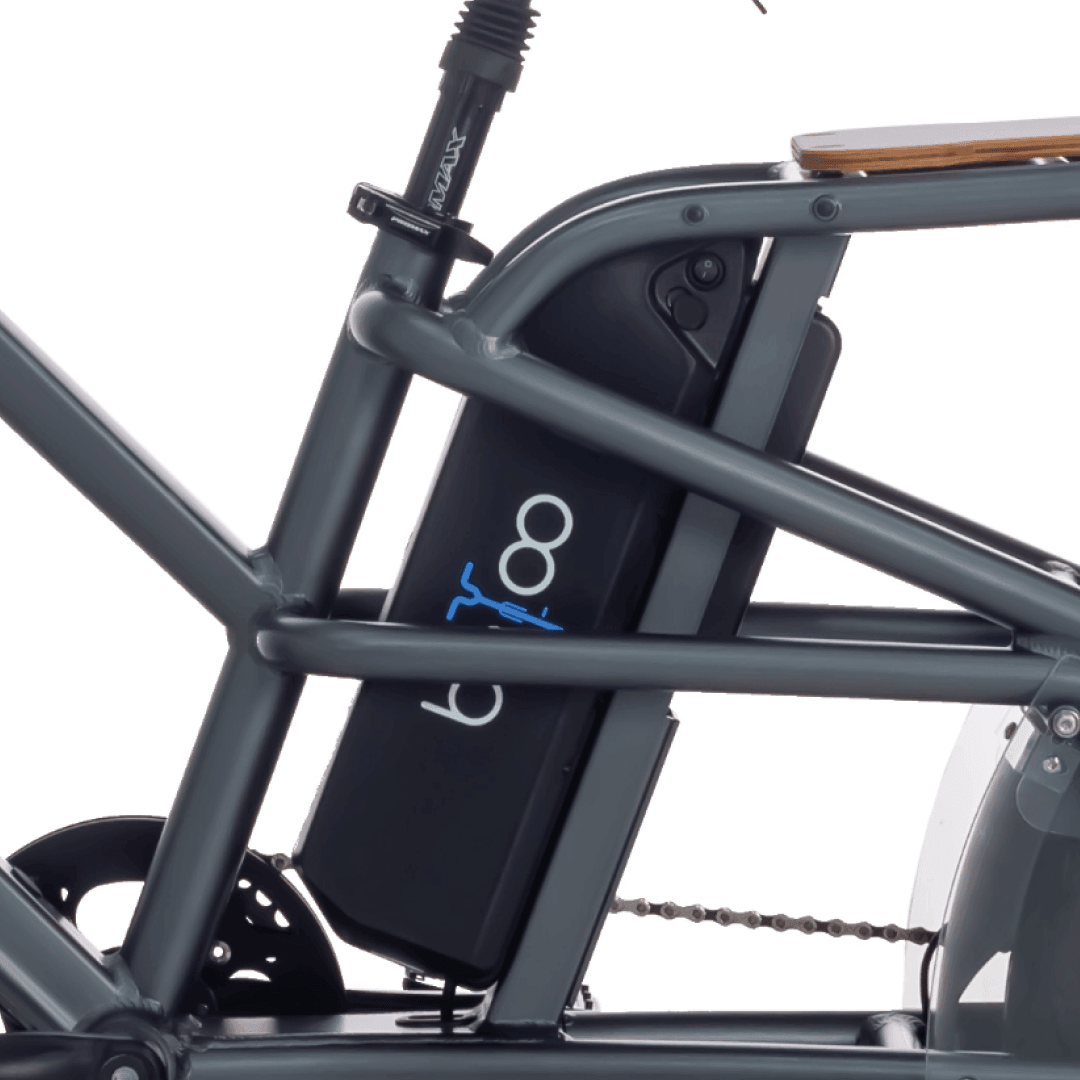
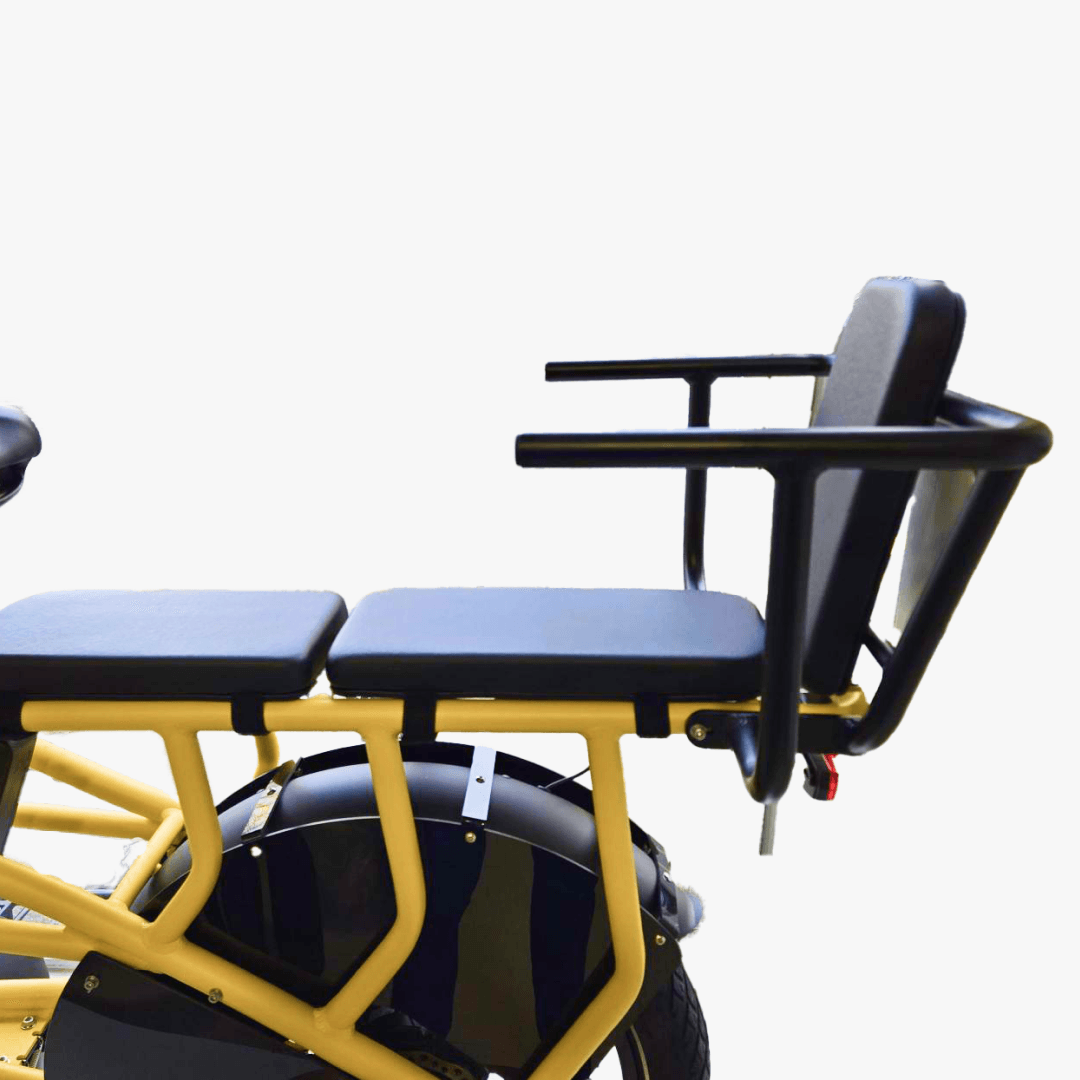
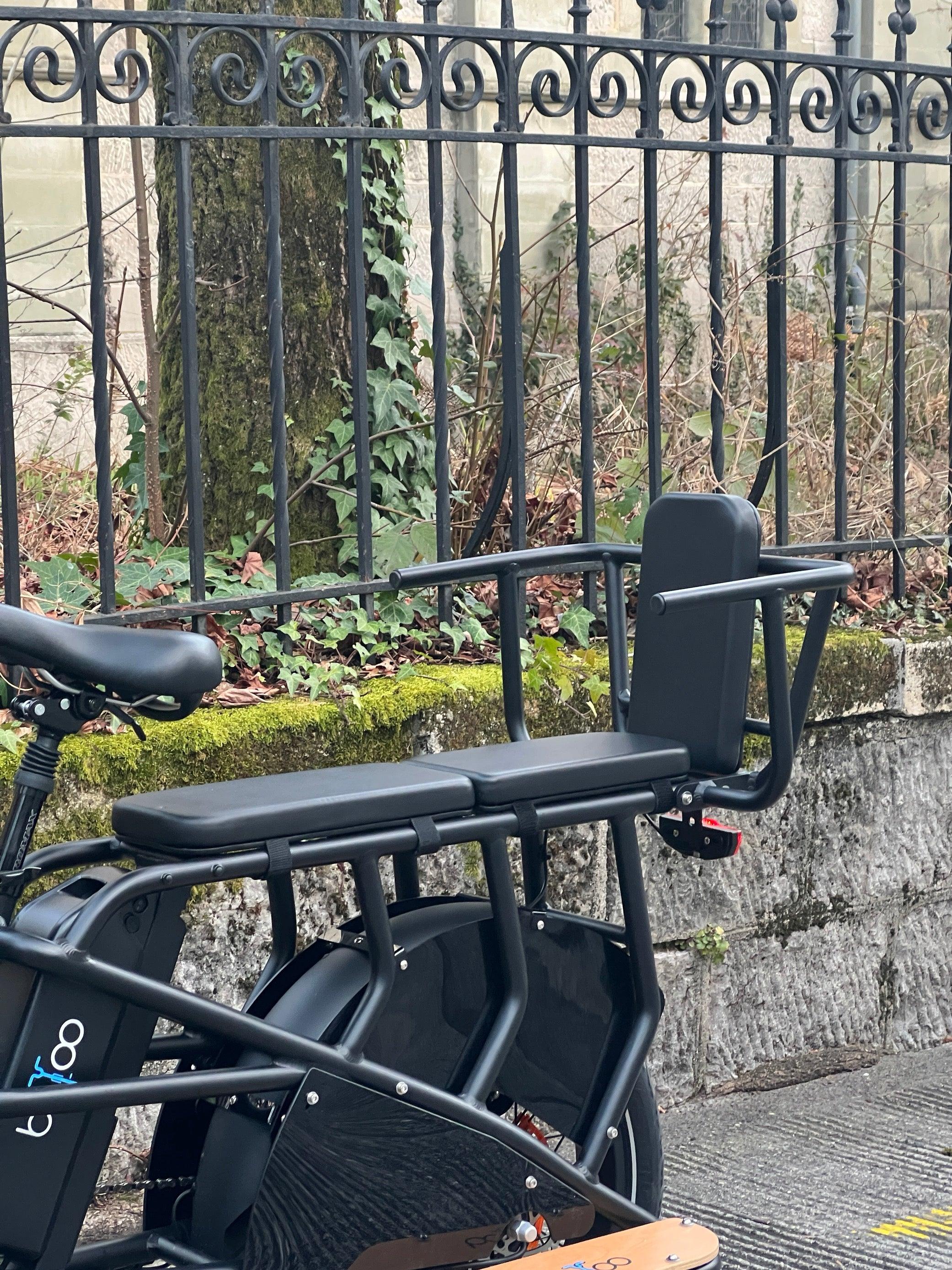
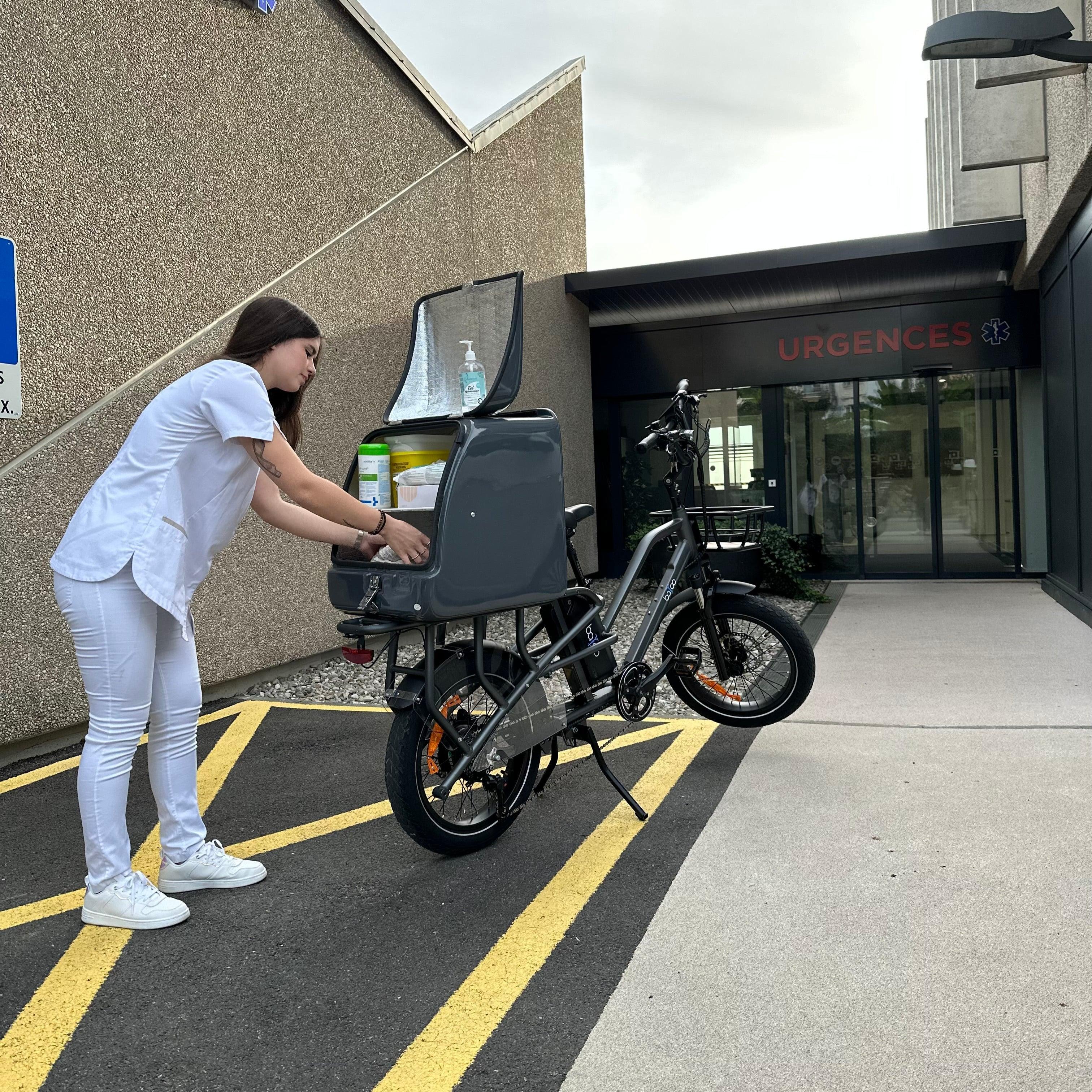
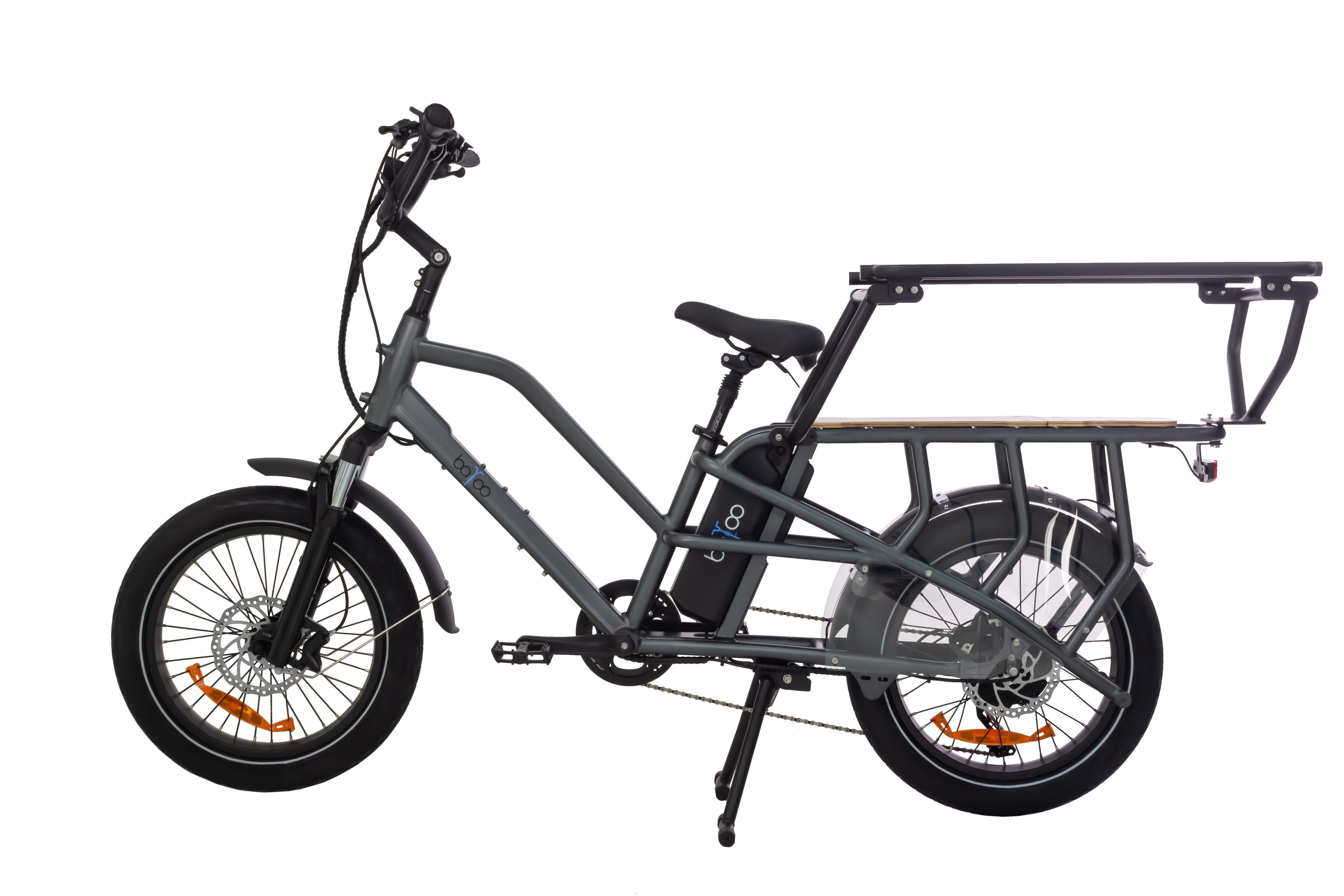
You also need to think about what you expect from the bike on a daily basis. If your use is more urban, more utilitarian, sometimes involving transporting children, bags, or groceries, a model like the Colibri by Batoo Bike can represent an interesting alternative to a pure speed bike, especially if your priority is not solely maximum speed.
Regulations and Constraints
This is often where the choice is made. In Switzerland, a 25 km/h e-bike does not require registration. From the age of 16, it no longer requires an M permit either. On the other hand, the 45 km/h speed bike requires a license plate, at least an M permit, a mandatory helmet, and a speedometer.
This does not mean that the speed bike is a bad option. It simply means that it is aimed at users willing to accept a stricter framework because they derive a real benefit from it on their journeys. For some commuters, this compromise is entirely logical. For others, a 25 km/h bike already meets most needs, especially if the main goal is to ride easily every day without too much hassle.
Which Bike Based on Distance and Terrain
Distance remains one of the best decision criteria. If you mainly travel 5 to 15 km, in the city or in the immediate vicinity, the 25 km/h e-bike is often largely sufficient. For mixed commutes, simple daily use, and versatile purposes, it already covers many needs.
If your journeys are more like commutes of 15 to 30 km, with smooth sections, clear roads, and a clear desire to save time, the speed bike becomes much more consistent.
Terrain also matters. On a hilly route, a good, well-motorized 25 km/h e-bike can already offer excellent comfort. The speed bike retains an advantage over longer distances and on fast sections, but you should always consider your actual route, not just the advertised maximum speed.
Choice-Aid Table
| Criterion | 25 km/h Electric Bike | 45 km/h Speed Bike |
|---|---|---|
| Assistance Speed | Up to 25 km/h | Up to 45 km/h |
| Ideal Use | City, mixed commutes, simple daily use | Commuting, longer journeys, open roads |
| License | Category M only between 14 and 16 years old | Category M mandatory from 14 years old |
| License Plate / Registration | No | Yes |
| Helmet | Recommended depending on use | Mandatory |
| Speedometer | Not required in the standard category | Mandatory |
| Overall Budget | Easier to manage | Higher with insurance and registration |
| Daily Comfort | Very practical, flexible, easy to manage | Very good if the journey truly justifies the speed |
| Typical Profile | Urban or versatile user | Commuter who wants to save time |
Conclusion
If you are looking for the simplest, most versatile, and most logical bike for the majority of urban or mixed journeys in Switzerland, the 25 km/h e-bike remains the best choice for many people. It requires fewer constraints, less paperwork, and is already amply sufficient for work, shopping, outings, and regular commutes.
The speed bike only truly becomes interesting when your usage changes scale: more kilometers, more regularity, more need for useful speed. If you are a commuter, often ride on open sections, and accept Swiss regulations, then it can clearly save time and become an excellent investment for your usage.
If you are still hesitant, the most honest answer is often this: choose the bike that matches your actual journey, not the one that impresses the most on the spec sheet.
Final FAQ
What is the difference between a speed bike and a 25 km/h e-bike?
The main difference is the assistance speed, but also the legal framework. The 25 km/h e-bike remains close to a classic bicycle, whereas the 45 km/h speed bike is more regulated with a license plate, permit, mandatory helmet, and specific equipment.
Is a speed bike useful for everyone?
No. It is primarily useful for people who make real, regular, fairly long, and smooth journeys to take advantage of assistance up to 45 km/h. For very urban or very short use, a 25 km/h e-bike is often amply sufficient.
Which model to choose for the city?
For pure city use, the 25 km/h often remains the most logical. It is simpler to use, more flexible, and better suited for frequent stops, bike paths, and mixed journeys.
Which is the most cost-effective in the long term?
In most cases, the 25 km/h e-bike is more cost-effective if your use is urban, versatile, and frequent, as it costs less to manage. The speed bike becomes cost-effective primarily if you genuinely exploit its time-saving benefits on longer commuting routes.
Which is the most comfortable for daily use?
For simple, flexible, and informal daily life, the 25 km/h e-bike is often more comfortable. For a commuter who covers more kilometers and wants a faster pace, the speed bike can become more comfortable in its actual use, precisely because it reduces travel time.