An electric bike that refuses to turn on can quickly lead you to believe there's a major breakdown. However, the problem often stems from something simpler than you might imagine: a poorly connected battery, a disengaged display, a low battery, dirty connectors, or a component that needs a real diagnosis.
The idea is not to randomly dismantle the bike, but to proceed in the correct order. Start with the simplest and safest checks. If the bike remains completely unresponsive after that, then it makes more sense to visit a workshop.
First checks if your electric bike no longer turns on
Before thinking the worst, perform this basic mini-check:
-
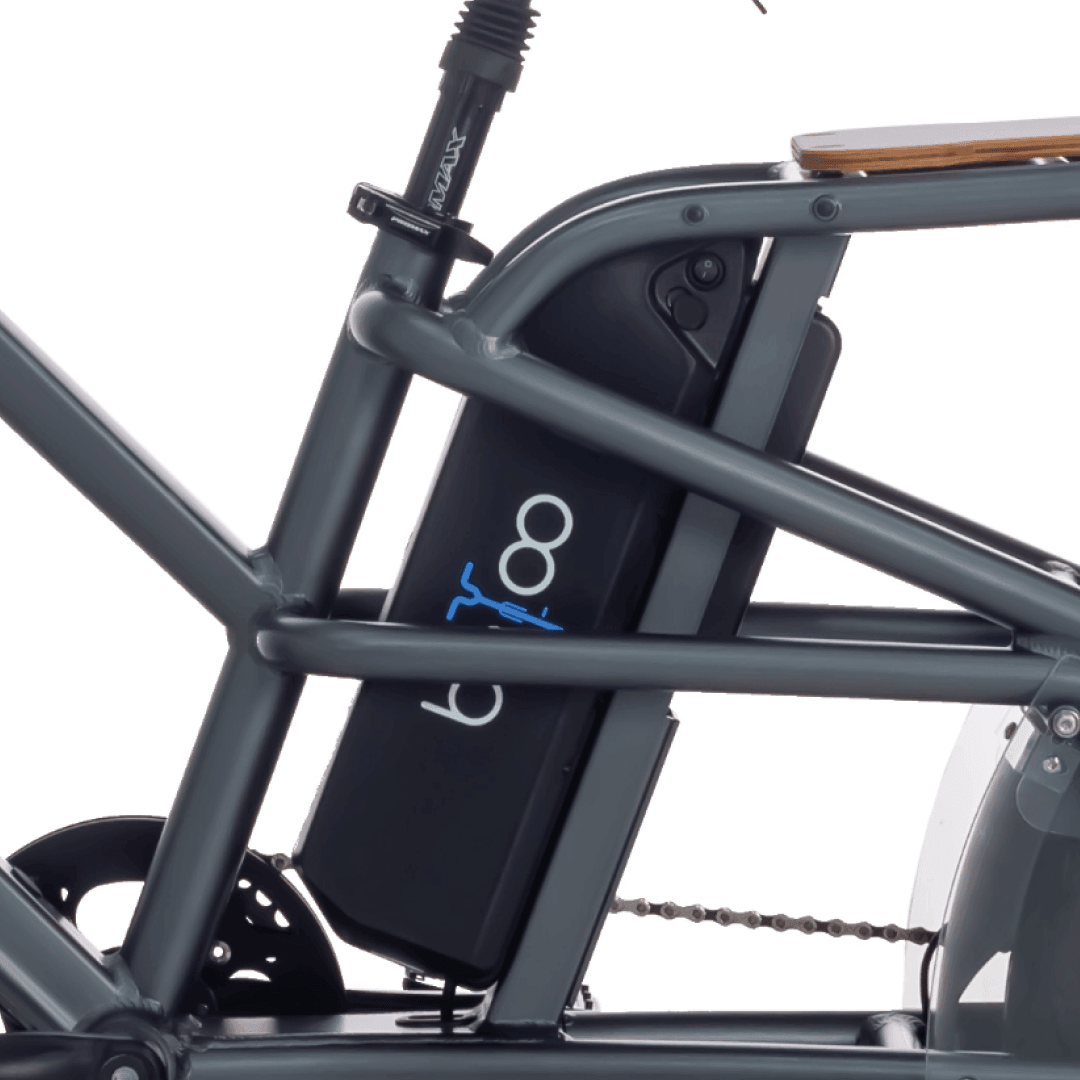
ensure the battery is securely locked and in place
-
plug in the original charger and let it charge for a sufficient amount of time
-
observe if the battery indicator lights react
-
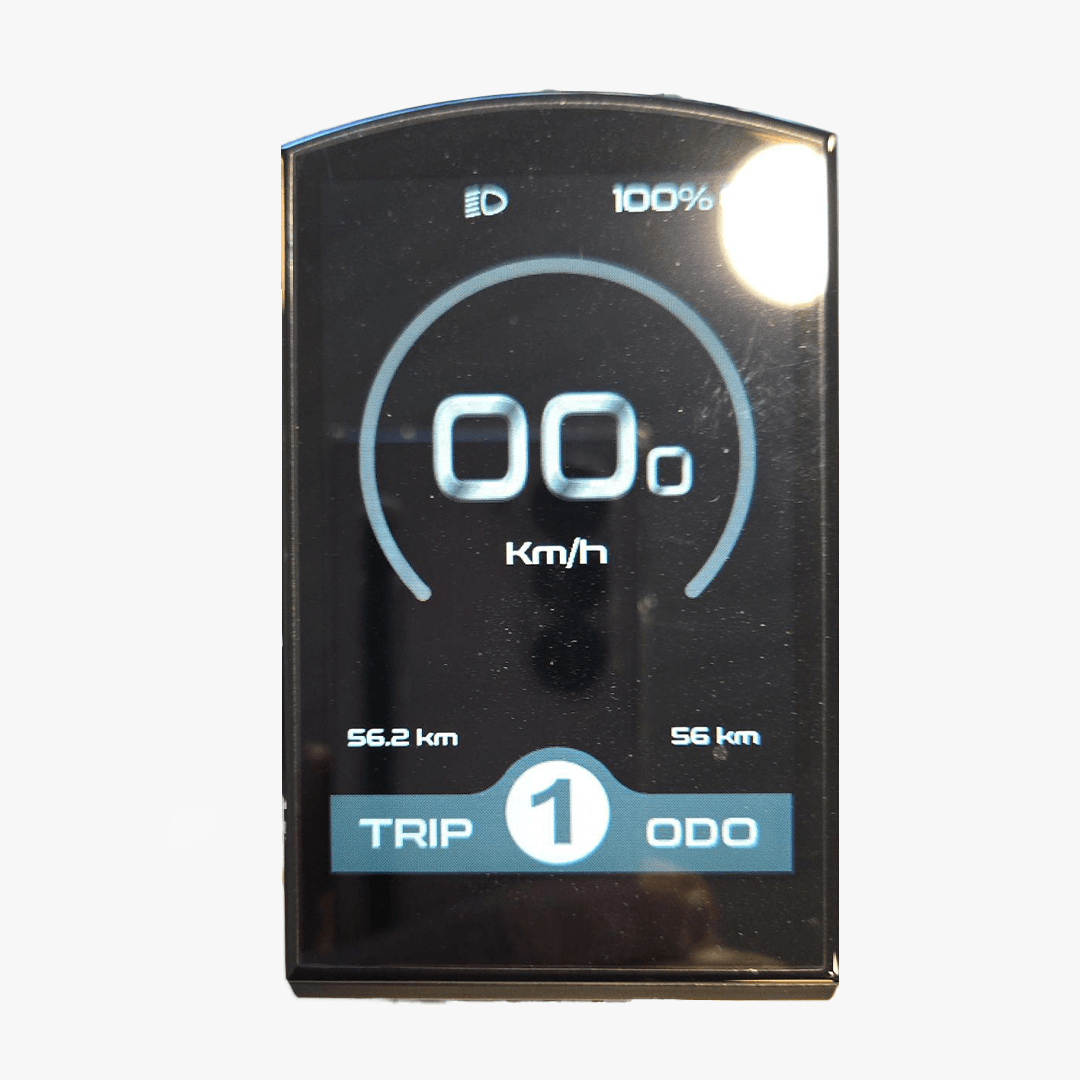
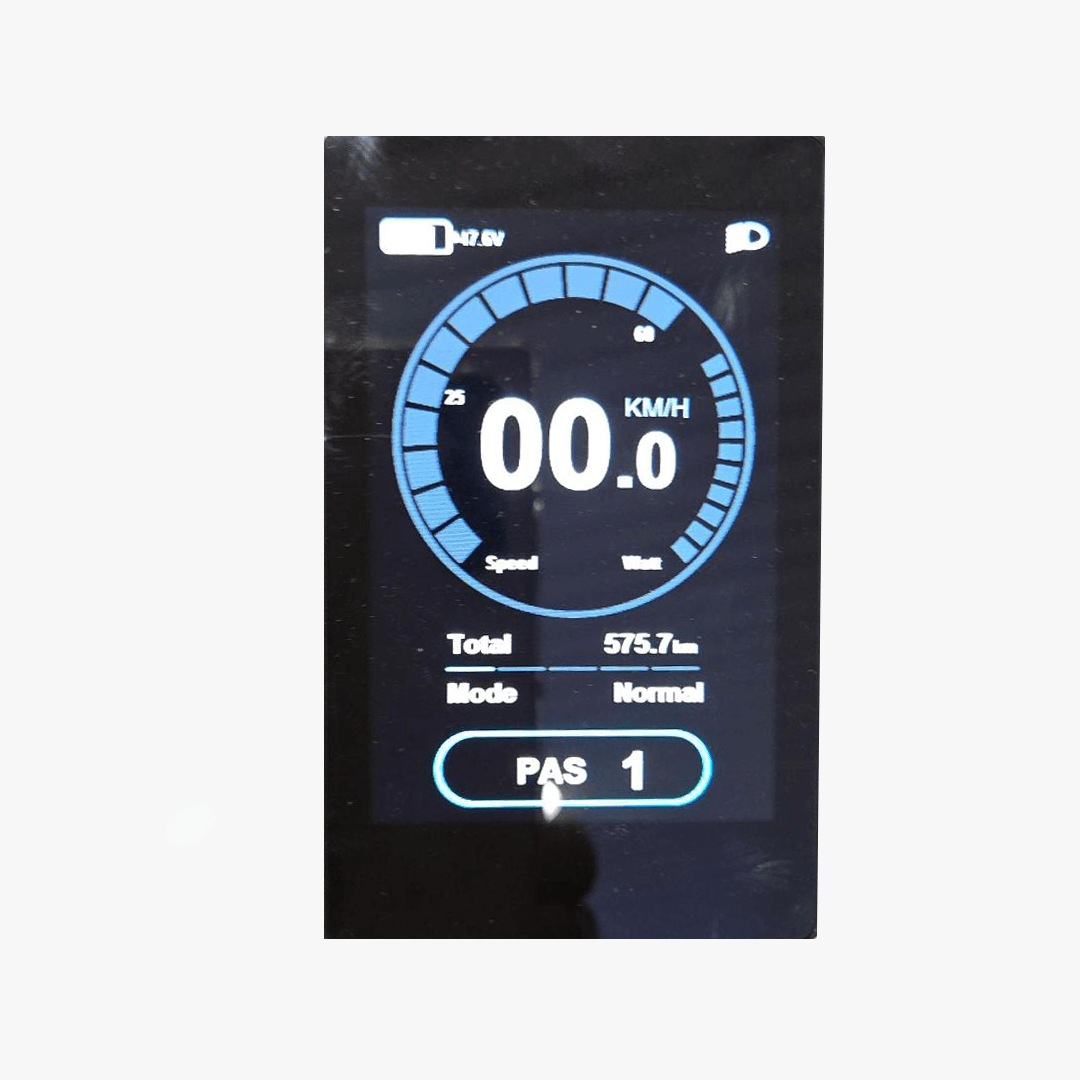
if your bike has a removable display, remove it and then reinsert it correctly
-
try to turn on the bike from the battery if your system allows it
-
check if an error code briefly appears on the screen
On some Bosch systems, if the bike doesn't turn on via the display, you should try turning it on directly via the battery. Bosch also states that the display can then recharge itself from the bike's battery. This can be sufficient when the problem is mainly with the display and not the motor or the main battery.
If the battery doesn't respond at all, even to the button, Bosch indicates a simple procedure for some models: remove the battery, hold down the power button for 15 seconds, let it rest for at least an hour, then reconnect it to the charger and fully charge it if charging resumes. This is not a universal rule for all brands, but it's a good example that a completely unresponsive battery is not always immediately "dead."
If your problem appeared just after recharging, also check that you are using a compatible and in good condition charger. BatooBike recommends using a charger from the battery's brand or at least a compatible model, with a standard recharging time often around 4 to 6 hours depending on capacity.
Identify the cause of the breakdown: battery, display, or another component?
To go faster, it's often most useful to start from the exact symptom.
| Symptom | Possible Cause | First Logical Action |
|---|---|---|
| Nothing turns on at all | Empty battery, poorly connected, faulty battery | Recharge, remove/reinsert battery, test battery button |
| Battery reacts but screen remains black | Display poorly connected, internal display battery empty, display connector issue | Remove/reinsert display, try turning on via battery |
| Bike turns on then turns off | Loose connection, worn battery, humidity, dirty connector | Check connection, dry, inspect contacts |
| An error code appears | Communication fault, battery voltage, motor, or sensor | Note the code and consult the manual or a workshop |
| Nothing after washing or rain | Humidity in connectors or sensitive component | Let dry, avoid any forced restart, have it checked if needed |
This table summarizes the basic checks recommended for the battery and display, as well as the diagnostic best practices highlighted by BatooBike regarding error codes and connectors.
When the electric bike's display no longer turns on, the fault is not necessarily with the motor. A display can have its own charging logic, and if it's not charging, you first need to check that the bike's main battery is charged. On some systems, the display recharges directly when it's inserted and the bike is turned on.
Conversely, if the battery shows abnormal signs such as a complete absence of indicator lights, unusual heat, inconsistent charging, or erratic behavior, it should be considered suspect. BatooBike reminds us that serious signs to take seriously include abnormal heat, swelling, an unusual smell, noises, and abnormal charging.
Possible causes of an electric bike not turning on
In most cases, we find a few classic causes:
-
very discharged or aging battery
-
poorly connected battery or display
-
dirty, oxidized, or poorly connected contacts
-
faulty display or remote control
-
humidity after rain, washing, or unsuitable storage
-
error code or internal system fault
The battery obviously remains the number one suspect. Over time, its capacity gradually decreases, and a bike that seemed to be "sort of" working may eventually fail to start properly, especially after a long period without recharging, in cold weather, or with unsuitable storage. BatooBike reminds us that a gradual decrease in range is often the first sign of an aging lithium battery.
Humidity also needs to be considered. Do not clean the battery with a direct jet or a high-pressure cleaner, precisely to protect the electronic components. After washing or heavy exposure to rain, a contact problem or a damp component can be enough to prevent it from turning on.
The famous fuse often comes up in searches, but caution is advised. Not all electric bikes have a user-accessible fuse, and the location varies by brand and model. The right approach is not to dismantle it randomly, but to check your bike or battery manual. Nakamura manuals, for example, recommend entrusting inspection, maintenance, and repair to a certified technician, and some display manuals refer you directly to the store when an error code appears.
Solutions to try yourself before getting it repaired
Here are reasonable steps to try at home, without resorting to risky dismantling:
-
Perform a full recharge with the original charger
A battery that is simply too low can prevent normal startup. Allow it enough time to achieve a stable charge. BatooBike reminds us that a standard cycle often takes several hours depending on the battery. -
Remove and then correctly reinsert the battery and display
This is one of the first pieces of advice given when the bike no longer turns on. A poor connection is sometimes enough to completely cut off the power supply. -
Gently clean accessible contact points
Use a dry or slightly damp cloth according to the manufacturer's recommendations, never a powerful jet. The terminals can be cleaned occasionally, but always with caution. -
Allow to dry if the bike has been exposed to water or has just been washed
A hot restart after exposure to humidity is not always a good idea. If the problem appeared just after washing, it's better to let the bike dry and avoid any aggressive manipulation. -
Consult bike resources before improvising
If you ride a BatooBike e-bike, the guides on how to charge your electric bike, the electric bike lithium battery, and electric bike error codes can already rule out many simple causes.
However, there's a clear line not to cross: do not open the battery. The battery case must not be opened by the user, as this poses safety risks and can void the warranty. The same logic applies to a controller, motor, or wiring harness if you don't have the appropriate qualifications and tools.
Calling a professional: when and who to contact
If your bike remains completely off after basic checks, if an error code reappears, if the battery heats up abnormally, or if the problem appeared after high humidity, it's better to stop home attempts and go to a workshop. BatooBike also recommends an approved workshop as soon as an internal motor error persists or a breakdown recurs despite basic actions.
For a Nakamura bike, the user manual advises entrusting inspection, maintenance, and repair to an approved technician. Intersport also has dedicated workshops for bike repair and maintenance, including specific packages for electric bikes.
For a Bosch system, a specialized dealer can also perform a thorough battery check and a more in-depth diagnosis. The actual capacity of the battery can be measured by a specialist with a dedicated tool, which is useful when the breakdown seems related to a worn-out battery but you want to be sure.
If your bike is still under warranty, it's even more important not to tinker blindly. At BatooBike, for example, the warranty covers manufacturing defects on electrical and mechanical components, as well as the battery in some cases, and warranty work is carried out by approved partners.
In summary, an electric bike that no longer turns on does not automatically mean a dead battery or motor. Very often, you first need to check the power supply, the display, visible connections, and the battery's condition. If the problem persists after this initial series of checks, the best decision is to go to a competent workshop, not to force a risky disassembly.
Final FAQ
Why won't my electric bike turn on at all?
The most frequent causes are a battery that is too low, poorly connected, a disengaged display, a loose connection, or an electronic fault detected by the system. The first recommended steps are to check the battery, display, and charge before concluding a major breakdown.
How do I check if the battery is causing the breakdown?
Check if the indicator lights respond, plug in the original charger, let the battery charge sufficiently, then test again. If the battery remains completely unresponsive, some systems provide for a long press on the button and then a rest period before a new charge.
What should I do if my electric bike's display remains black?
Remove and then correctly reinsert the display, then try to turn on the bike via the battery if the system allows it. On some systems, the display may also need to recharge via the bike's main battery.
Is there a fuse to check when the e-bike no longer turns on?
Sometimes yes, but it is not a universal check. The existence of an accessible fuse depends on the model. It is best to follow the manufacturer's manual and avoid any haphazard disassembly, especially if the bike is still under warranty.
Who can repair an electric bike that no longer turns on?
A qualified bike workshop, an authorized dealer of the brand, or a workshop from the manufacturer's network. For Nakamura, the manual recommends an approved technician, and Intersport offers bike workshops. For Bosch, a specialist can also test the battery and perform a complete diagnosis.
Can I open the battery myself?
No, it is not advisable. The battery case must not be opened by the user, for safety reasons, risk of short circuit, and warranty.
When should I stop attempting home repairs?
As soon as there is abnormal heat, unusual odor, swelling, significant humidity, a recurring error code, or a persistent breakdown despite basic checks. At this stage, it is better to entrust the bike to a professional.