The topic of bicycle theft in Switzerland is once again making headlines. An investigation published mid-March 2026 by Tamedia particularly caught attention: journalists equipped a bicycle with trackers, left it unsupervised, and then watched it get stolen in a matter of minutes. This type of report highlighted a reality that many cyclists already know: today, a bicycle, and even more so an electric bicycle, quickly attracts covetousness.
This concern is not exaggerated. In 2024, AXA Switzerland recorded nearly 9,000 bicycle thefts, both traditional and electric, for a record loss of 22 million francs. The insurer also specifies that an electric bicycle theft costs on average 3,100 CHF, indicating that more expensive and better equipped models have become prime targets.
Even if the situation has slightly improved since then, the problem remains major. AXA still reported in March 2026 that in Switzerland, one in 91 insured households was a victim of bicycle theft the previous year. Regional differences remain significant, with Basel-Stadt among the most affected areas.
Why electric bicycles are increasingly targeted
The bicycle is no longer just a simple means of transport. In Switzerland, many cyclists invest in more powerful, more comfortable, and better-equipped electric bicycles. As a result, their value increases, and so does their attractiveness to thieves. Between the battery, accessories, carrying capacity, and sometimes even professional use, a cargo bike or an e-bike now represents significant capital.
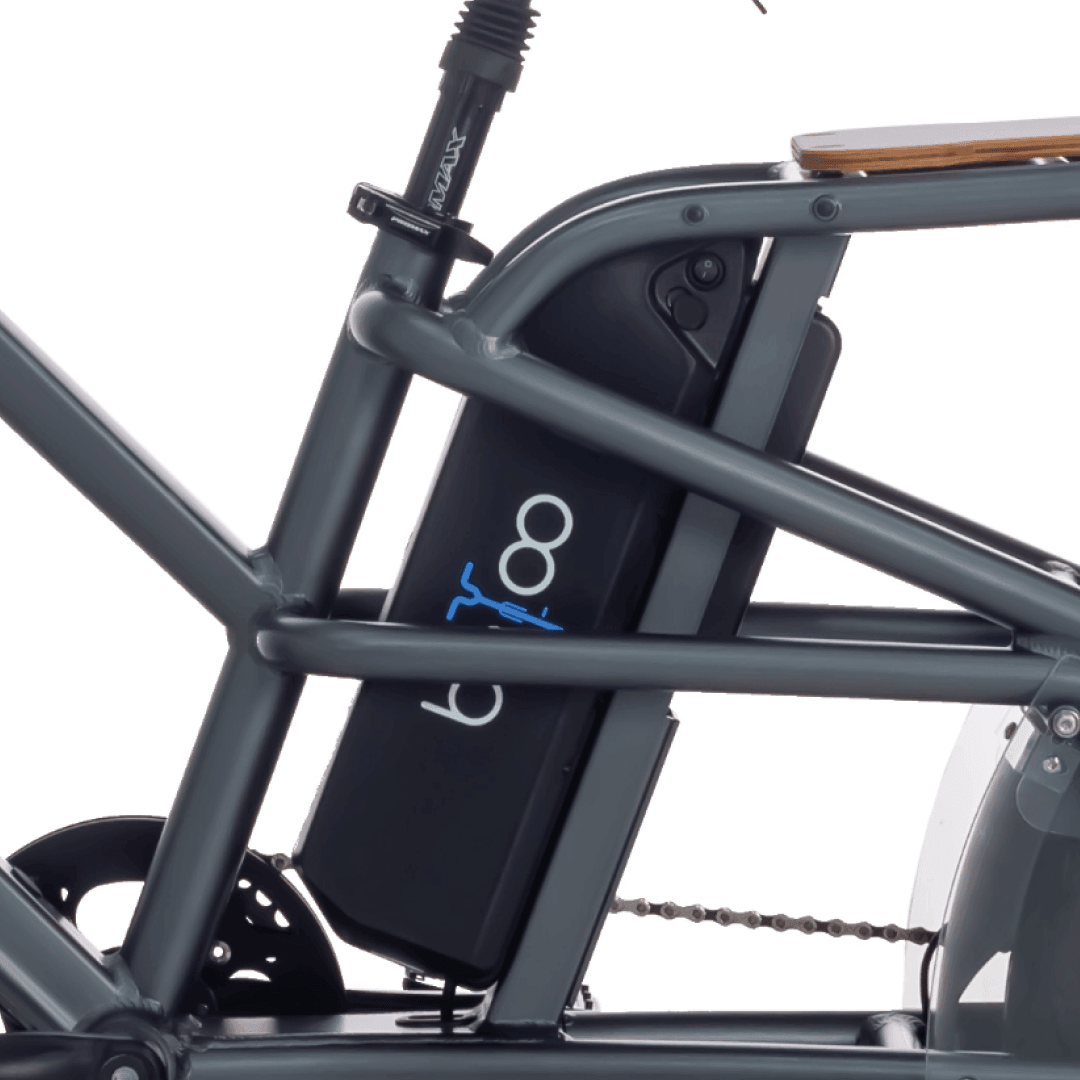
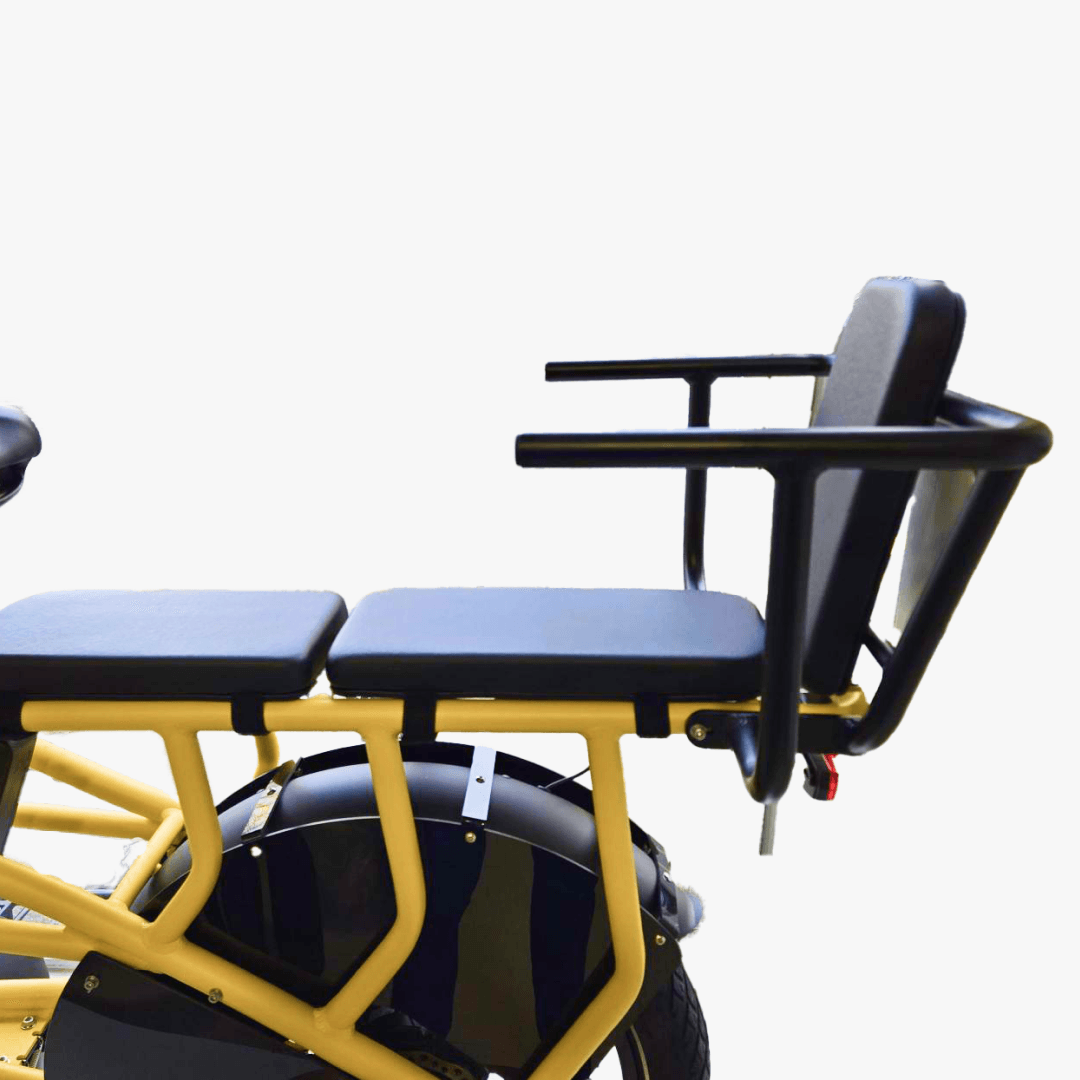
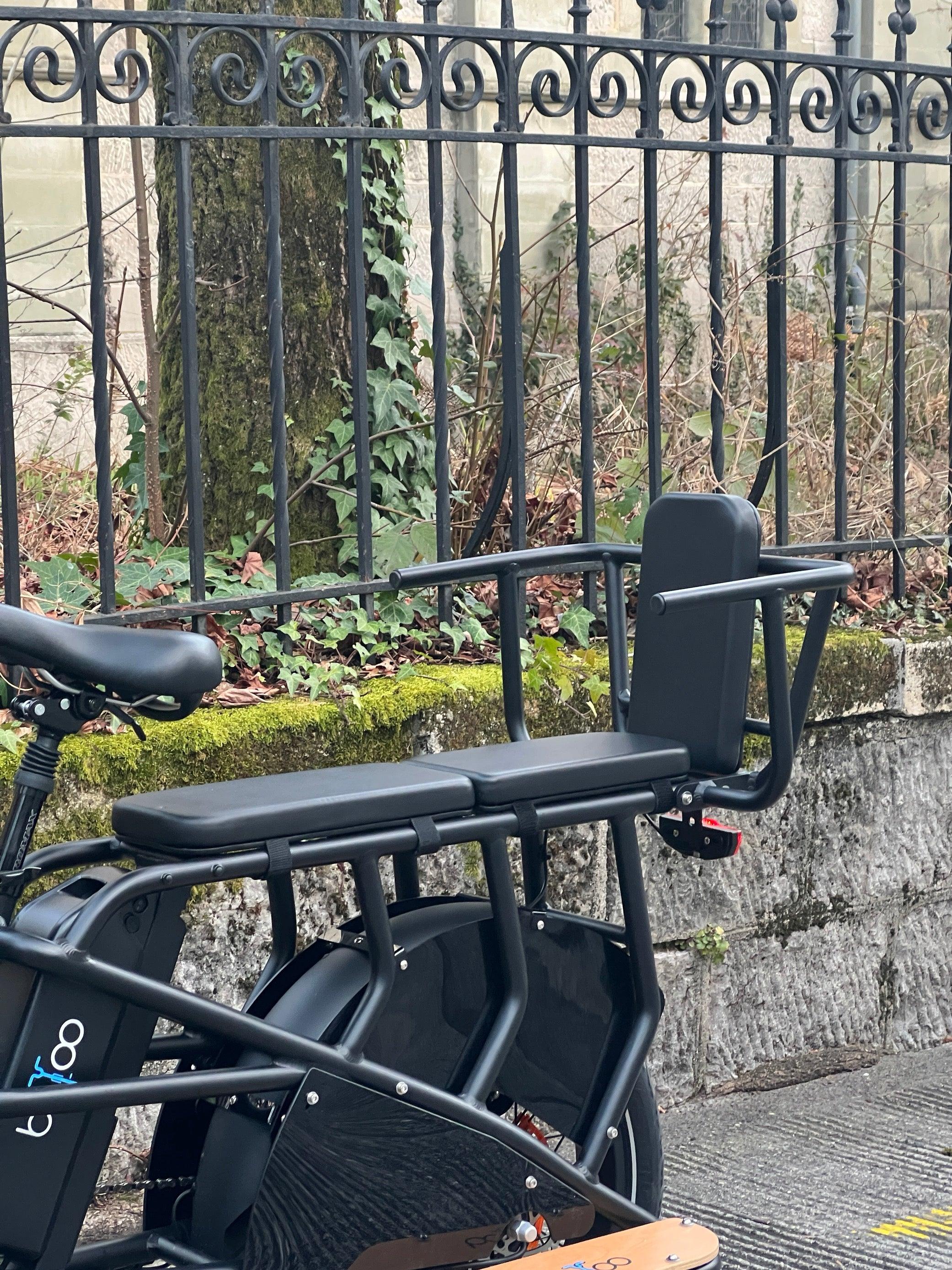
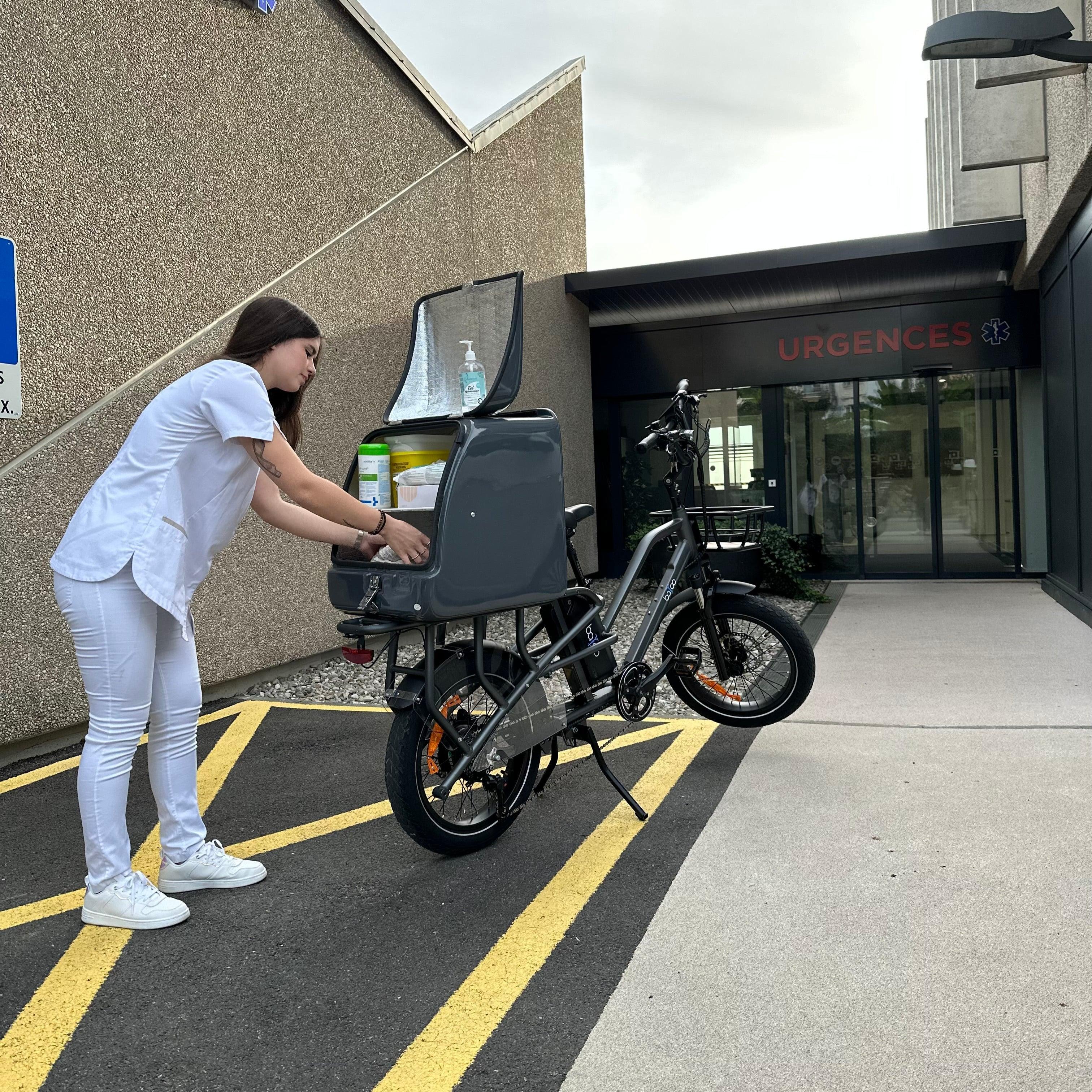
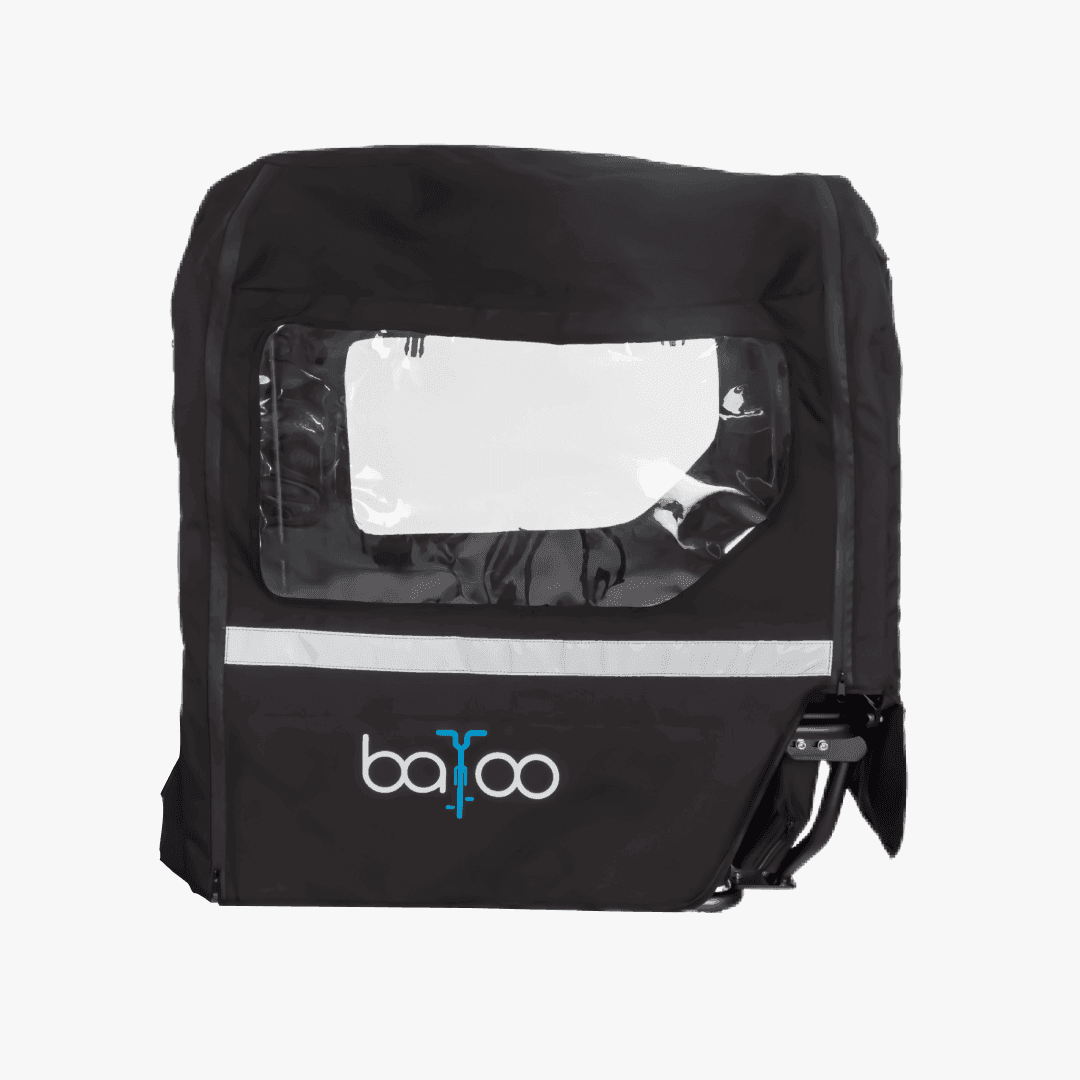
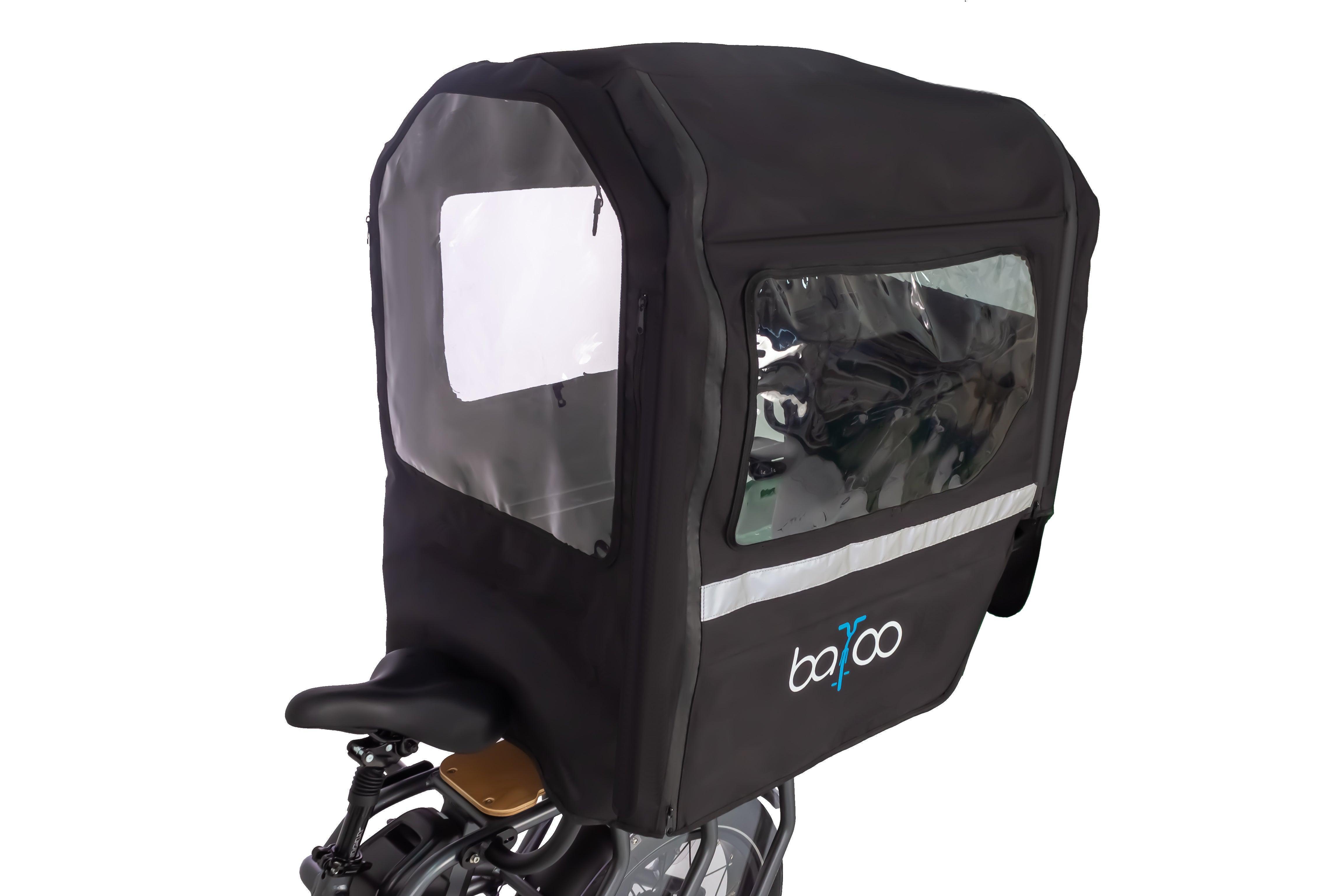
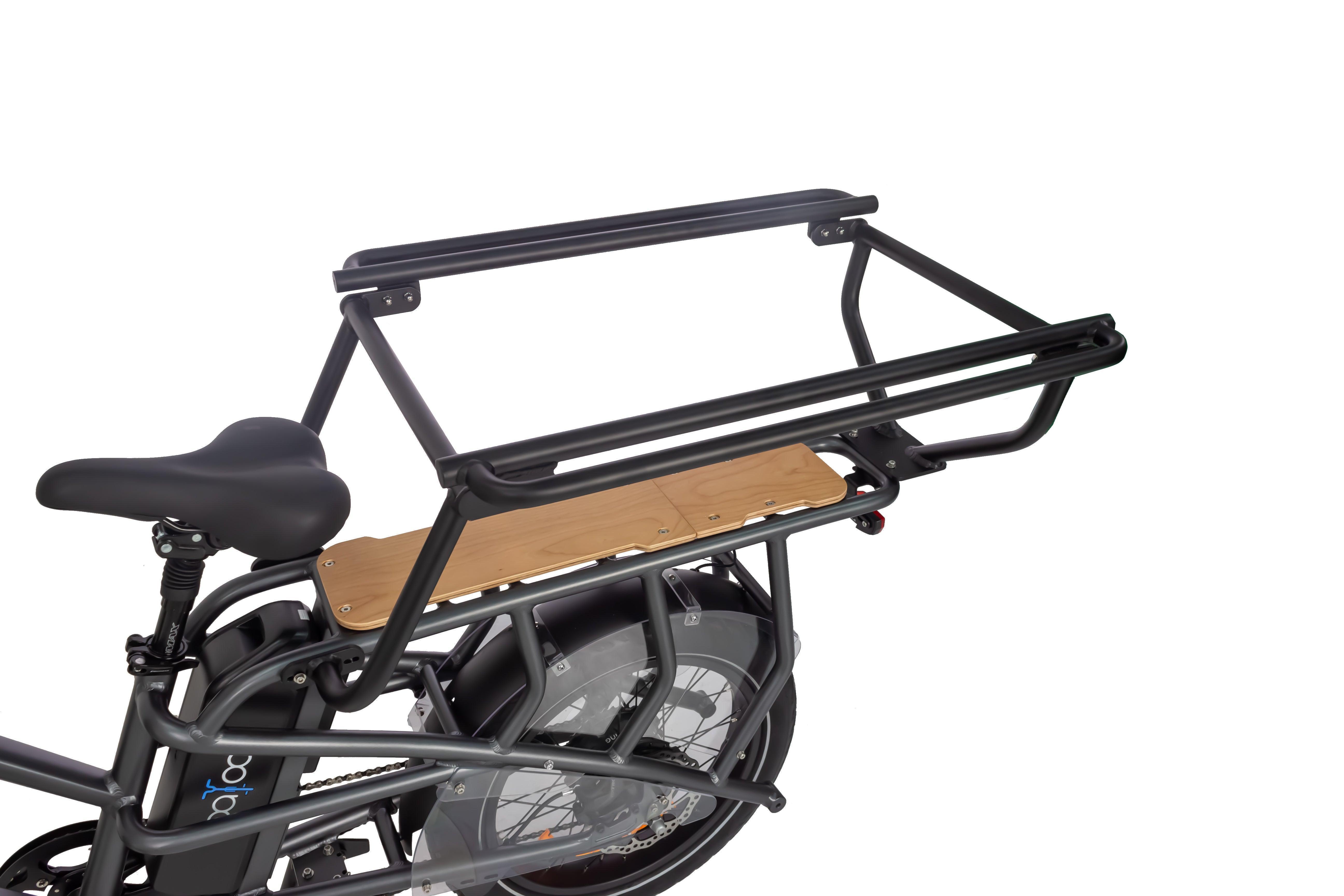
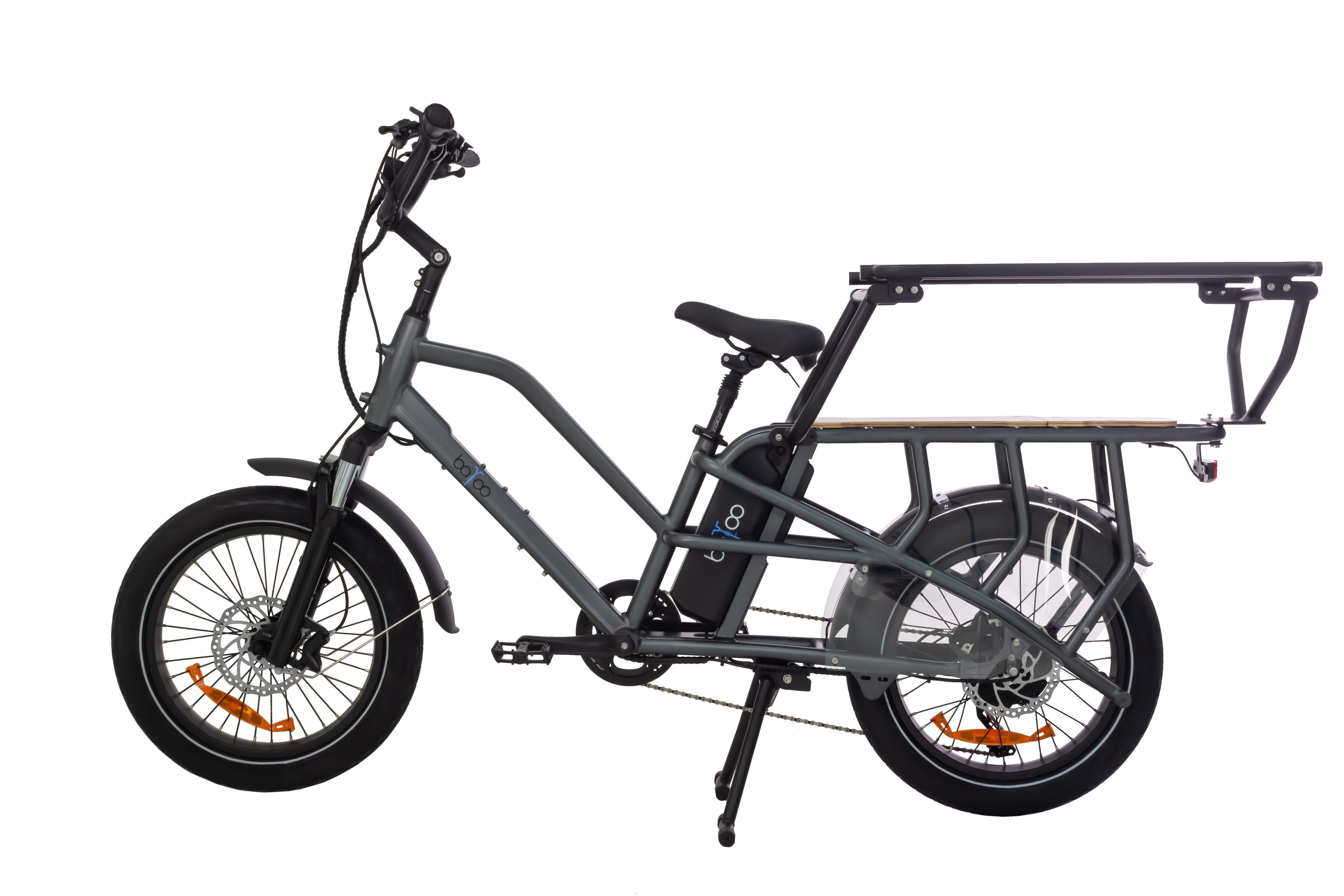
This is even truer for models designed for intensive daily use. At BatooBike, for example, The Colibri is presented as a cargo bike designed and assembled in Lausanne, with a 500W 85 Nm motor, a 720 Wh battery, and a payload of up to 160 kg. For this type of bicycle, the issue of security is no longer limited to comfort or performance; it also becomes a matter of protecting the investment.
A good lock is still essential, but it is not always enough
The first step remains obvious: use a serious anti-theft device and attach the frame to a fixed point. AXA recommends parking the bike in a locked or supervised area when possible, then securing the frame to a robust support with a quality anti-theft device. The insurer also reminds that it is useful to keep the brand, exact model, and frame number, and to report the theft promptly to the police.
In this vein, BatooBike also offers a high-security lock, presented as a robust hardened steel anti-theft device, designed to better resist cutting attempts. This is an essential foundation, especially for an electric cargo bike used in the city, at work, or for family commutes.
But current reality shows that purely mechanical protection is not always sufficient. When theft is fast, organized, or opportunistic, the ability to locate the bike or react quickly can make all the difference.
The logical evolution: from protected bike to connected bike
This is precisely where new generations of bikes have a role to play. Today, security is no longer solely dependent on a lock, but also on connectivity. The integration of IoT technologies into new bike versions opens the door to a more modern approach: bike tracking, better traceability, faster localization, and greater peace of mind in everyday life.
At BatooBike, this evolution is heading in the right direction. The idea is not just to sell a high-performance electric bicycle, but also to offer a more reassuring mobility solution for Swiss users. In a context where bicycle theft regularly makes headlines, integrating tracking functions becomes a real, tangible advantage.
For individuals and professionals alike, this approach makes sense. A cargo bike used to transport children, run errands, or carry out delivery activities cannot be considered a simple bicycle. It is an everyday tool, sometimes even a work tool. Adding a layer of smart security is therefore a logical next step.
How to concretely reduce the risk of theft

The best strategy remains to combine several levels of protection:
Choosing a good anti-theft device, attaching the frame to a fixed point, avoiding overly isolated areas, keeping the exact references of the bike, checking your insurance coverage, and, when possible, opting for tracking or geolocation solutions.
On its own content, BatooBike also reminds that in Switzerland, relevant insurance depends on the type of bike and its use, and that household insurance can sometimes cover certain risks such as theft, vandalism, or fire for e-bikes up to 25 km/h.
Why this topic is important for BatooBike
The buzz around bicycle thefts in Switzerland is not an isolated piece of news. It is also a strong signal for brands and cyclists. Today, a good bicycle must be powerful, comfortable, and practical, but also designed to limit the risks associated with theft.
This is why BatooBike has its place in this discussion. With its universe focused on daily electric mobility, its protective accessories, and its new IoT-oriented developments, the brand addresses a very real concern of Swiss users.
Discover BatooBike, explore Le Colibri, or directly book a free test ride to see how a modern cargo bike can meet real mobility, comfort, and security needs.
FAQ: Bicycle theft in Switzerland, security, insurance, and tracking
Why is bicycle theft a real problem in Switzerland?
Yes, it's a real issue. AXA Switzerland indicates that in 2025 it paid out approximately 21 million francs for 9,000 stolen bicycles, with an average claim cost close to 2,350 CHF, a record level. AXA also specifies that in Switzerland, one in 91 insured households was affected by bicycle theft during the year.
Are electric bicycles more targeted by thieves?
Very often, yes. Electric bicycles are more expensive and attract thieves more, especially when they are new, powerful, or well-equipped. AXA also highlights that the increase in the average value of claims is explained in particular by the increase in bicycle prices and the growing share of electric-assist models.
What type of anti-theft device should be chosen to protect an electric bicycle?
For an electric or cargo bike, you should opt for a solid anti-theft device suitable for the value of the bike. The TCS recommends that an anti-theft device should represent approximately 5% of the bike's value, and reminds that for an expensive electric bike, a simple frame lock is not enough: a lock that allows the bike to be attached to a fixed point is also necessary. For example, you can discover the BatooBike high-security lock.
Where should you secure your bike to reduce the risk of theft?
Ideally, the frame should be attached to a sturdy fixed point, in a visible, busy, or locked area if possible. AXA specifically recommends parking the bike in a secure location and securing it properly, as an unattached or poorly attached bike remains an easy target.
Does insurance cover bicycle theft in Switzerland?
It depends on the contract. The TCS explains that to be covered against simple theft outside the home, a specific guarantee often needs to be added to household insurance. The TCS also specifies that standard coverage is sometimes limited, and that fast e-bikes up to 45 km/h are not always covered as a standard household item.
What should you do if your bike has been stolen?
You need to act quickly: record the bike's information, keep the invoice if you have it, note the frame number, file a complaint, then report the claim to the insurance company if you are covered. The more complete the information, the simpler the process. This is also why it's useful to keep a clear record of your model, especially for a valuable bike like BatooBike's Le Colibri.
Is a tracking system or IoT solution useful against theft?
Yes, it can add real value. A mechanical anti-theft device remains essential, but a tracking system adds an extra layer of security, especially for quickly finding a moved or stolen bike. In a context where thefts remain frequent and costly in Switzerland, the integration of connected features into new generations of bikes is definitely a step in the right direction. Users who want a more reassuring bike for daily use can discover the world of BatooBike and its models designed for modern urban use.
Why protect a cargo bike or high-value bike even more?
Because a cargo bike or a premium electric bike often represents a significant investment. The more expensive the bike, the higher the financial risk in case of theft. The TCS emphasizes the importance of adapting the level of protection to the bike's value, notably with a serious anti-theft device and careful parking. For this type of use, it is logical to combine anti-theft, insurance, and possibly tracking.
Can a well-secured bike still be stolen?
Yes, unfortunately no system offers zero risk. However, good protection significantly reduces opportunities. By combining a good lock, smart parking, appropriate insurance, and connected solutions, you significantly decrease the risk and increase your chances of reaction in case of a problem.
How to choose an electric bike that also focuses on security?
You need to consider several factors: the quality of the frame, the overall value of the bike, available accessories, ease of parking, and potential connected features. If you are looking for an electric cargo bike designed for daily use in Switzerland, you can visit BatooBike, discover Le Colibri or book a test ride.