On a technical specification sheet, you quickly come across figures like 36V, 48V, 10Ah, 16Ah… and you wonder what difference they really make in everyday use. Does more voltage mean more range? Is amperage more important? And how do you compare two batteries without making a mistake?
The goal here is simple: to give you a clear method for understanding autonomy, without unnecessary jargon, and with concrete benchmarks.
Voltage and amperage: what do they actually mean?
Voltage and amperage are a bit like "pressure" and "flow rate." Voltage (V) represents the available electrical voltage, and amperage (A) represents the current flowing at a given moment. This pair determines the power that the system can deliver: Power (W) = Voltage (V) × Current (A) .
This point is important because it also explains what happens at the end of the battery: when the voltage drops, the system has to draw more current to provide the same power… and at a certain point, it can no longer increase it sufficiently. As a result, the maximum power decreases.
Does voltage affect battery life?
Voltage primarily affects how power is delivered (and therefore the perceived "responsiveness" depending on the system). However, battery life depends first and foremost on the total energy stored in the battery.
That's why we recommend thinking in terms of Wh (Watt-hours) : it's the actual "volume of energy" available, and it's the most reliable indicator for comparing two batteries, regardless of their voltage.
How to calculate the watt-hours (Wh) of a battery?

The formula to remember is very simple:
Wh = V × Ah
A direct example: a 36v 10ah battery capacity corresponds to 36 × 10 = 360 Wh (on paper). This figure gives you a basis for comparison, even though the actual range then depends on your weight, the terrain, the wind, the assistance mode, the tire pressure, etc.
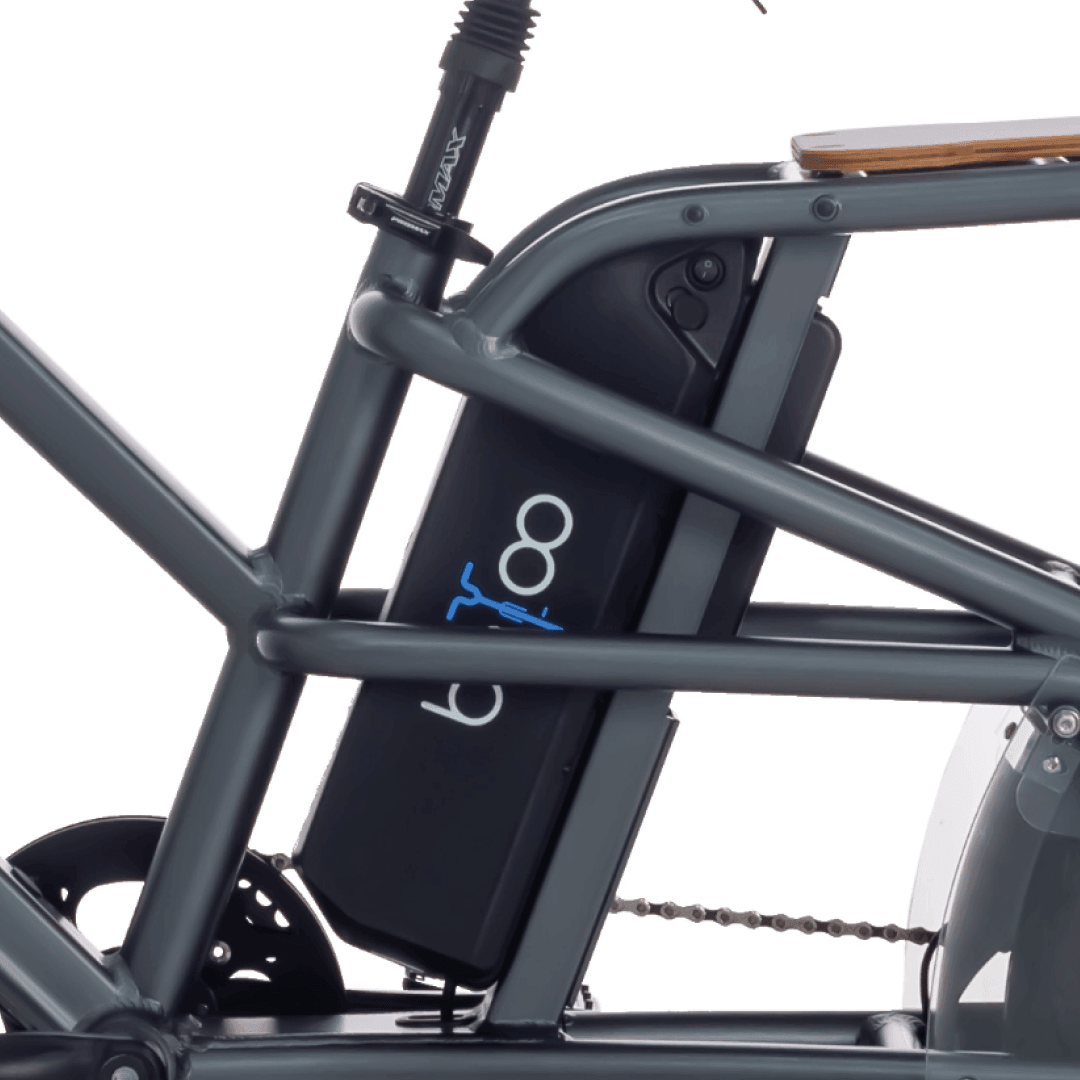
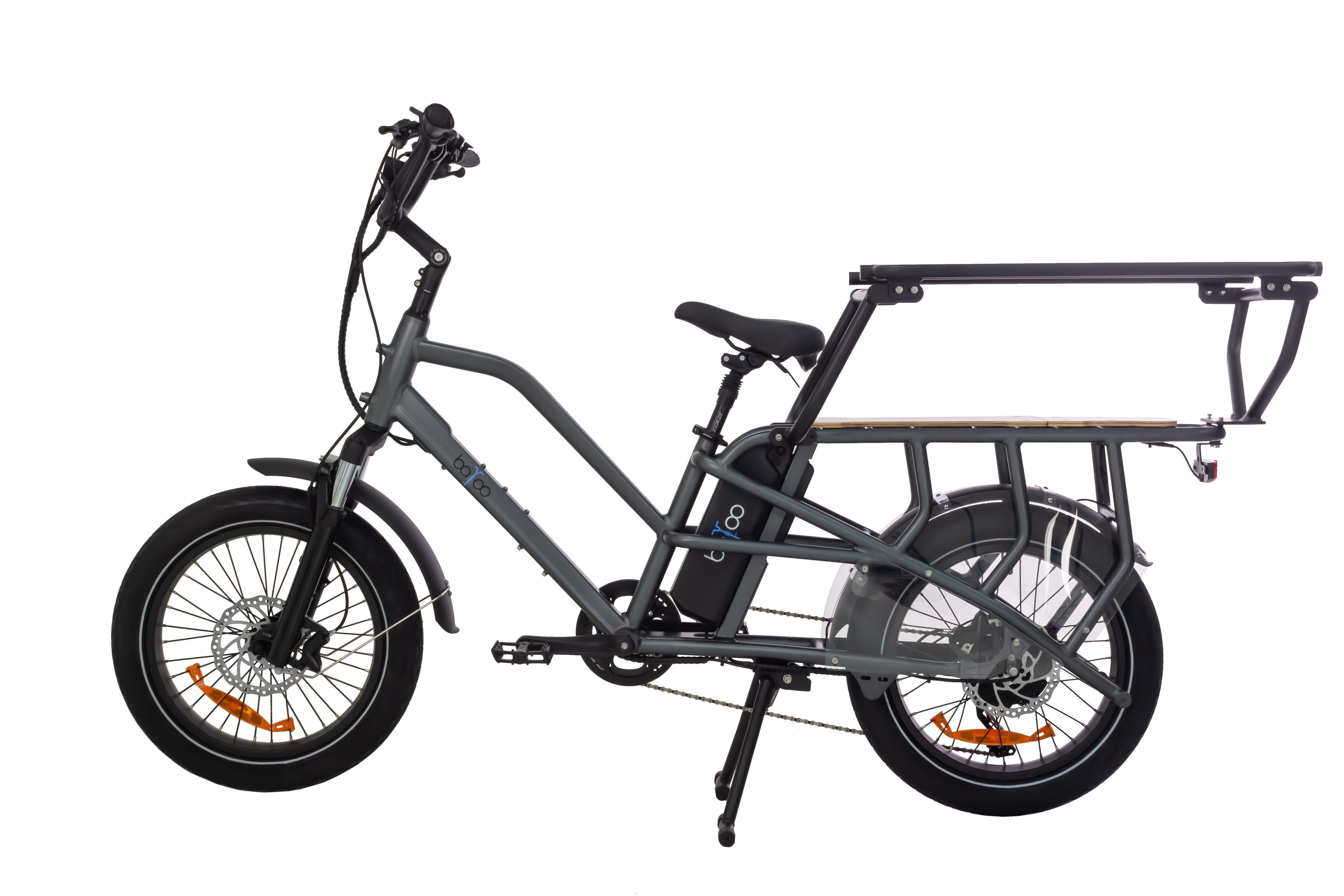
To see how a brand displays this data, look at a product sheet that clearly indicates V, Ah and Wh, such as the bike voltage of the NCM Venice (48V 13Ah battery, 624Wh) or the 36v 10ah battery range of the NCM Milano Plus (48V / 16Ah battery, 768Wh).
Why can two batteries of the same voltage have different battery life?
This is a very common misconception: two batteries can have the same voltage (for example, 36V), but different Ah ratings (10Ah vs. 15Ah). And since Wh = V × Ah , the battery with the higher Ah rating will have more Wh… therefore more stored energy, and thus generally a longer driving range.
Even with the same watt-hour rating, the range can still vary because the actual range also depends on usage: assistance level, temperature, battery condition, motor efficiency, tires, and load carried. Voltage alone is not enough to predict the distance.
Charger: does it need the same voltage and amperage as the battery?
Regarding voltage , the rule is strict: the charger must be compatible and its charging voltage must match the battery. Manufacturers emphasize this point because incompatibility can lead to serious risks (including overheating, fire, or explosion).
Regarding amperage, the simple idea is this: the amperage indicated on a charger corresponds to what it can deliver. A "more powerful" charger (more amps) can reduce charging time only if the battery and its management system can handle it. In practice, the best approach is to use a charger recommended/compatible by the manufacturer.
FAQ
What is the difference between the voltage and amperage of an electric bike battery?
Voltage and amperage describe two different things: the available voltage (V) and the current flowing (A). Together, they determine the power: W = V × A.
Does the battery voltage affect the range of the electric bike?
Voltage primarily influences how power is delivered. Battery range is best compared to the total stored energy, i.e., watt-hours ( Wh ). And when the voltage drops while driving, the system must increase the current to maintain the same power output, up to its limits.
How to calculate the watt-hours (Wh) of an electric bike battery?
The formula is Wh = V × Ah . For example, a 36v 10ah battery capacity gives 36 × 10 = 360Wh (theoretical basis for comparison).
Why can two batteries of the same voltage have different battery life?
Because they can have different Ah (and therefore different Wh). And even with similar Wh values, the actual range varies with the assistance level, terrain, load, temperature, and riding style.
Does an electric bike charger need to have the same voltage and amperage as the battery?
The voltage must be compatible : an unsuitable charging voltage can create a danger (fire/explosion).
In terms of amperage, a charger can be more or less “fast”, but you must stick to one that is compatible/recommended by the manufacturer.