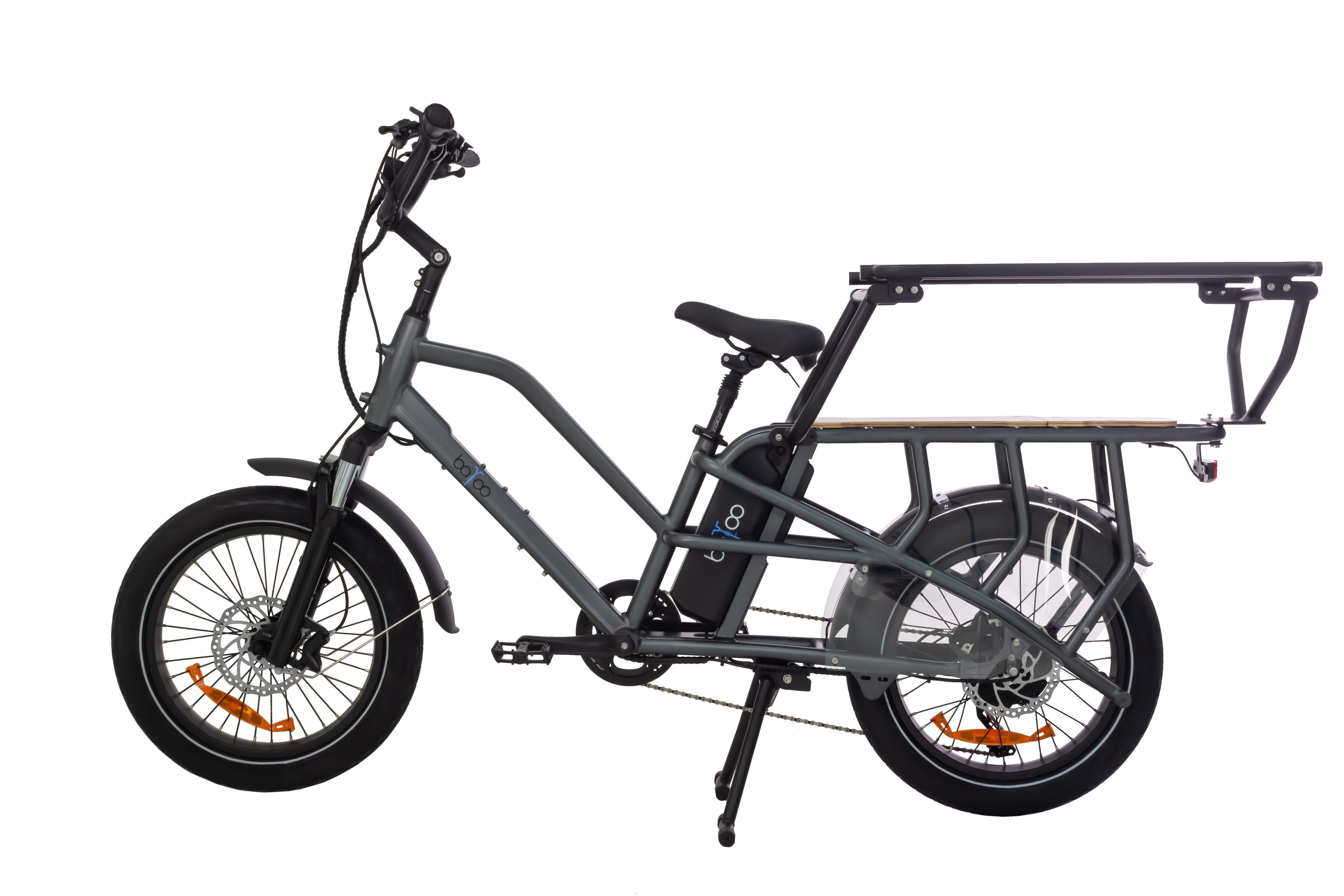
When buying a speed bike, speed is often the primary consideration. Yet, in reality, the true question is often elsewhere: will the battery truly last me through the week? For daily use, range matters almost more than maximum speed, because it determines whether you ride with peace of mind, if you need to recharge every day, and if your bike remains pleasant to use in cold weather, wind, or uphill climbs. To establish a solid foundation, the BatooBike guide on speed bike batteries and motors already helps to understand what truly matters for daily use.
The good news is that you can accurately estimate your needs without becoming a battery expert. You just need to understand a few simple basics: Wh capacity, your actual distance, terrain, weather, carried weight, and your assistance level. To go further, articles on electric bike range and lithium batteries for electric bikes complement the topic very well.
What truly influences range
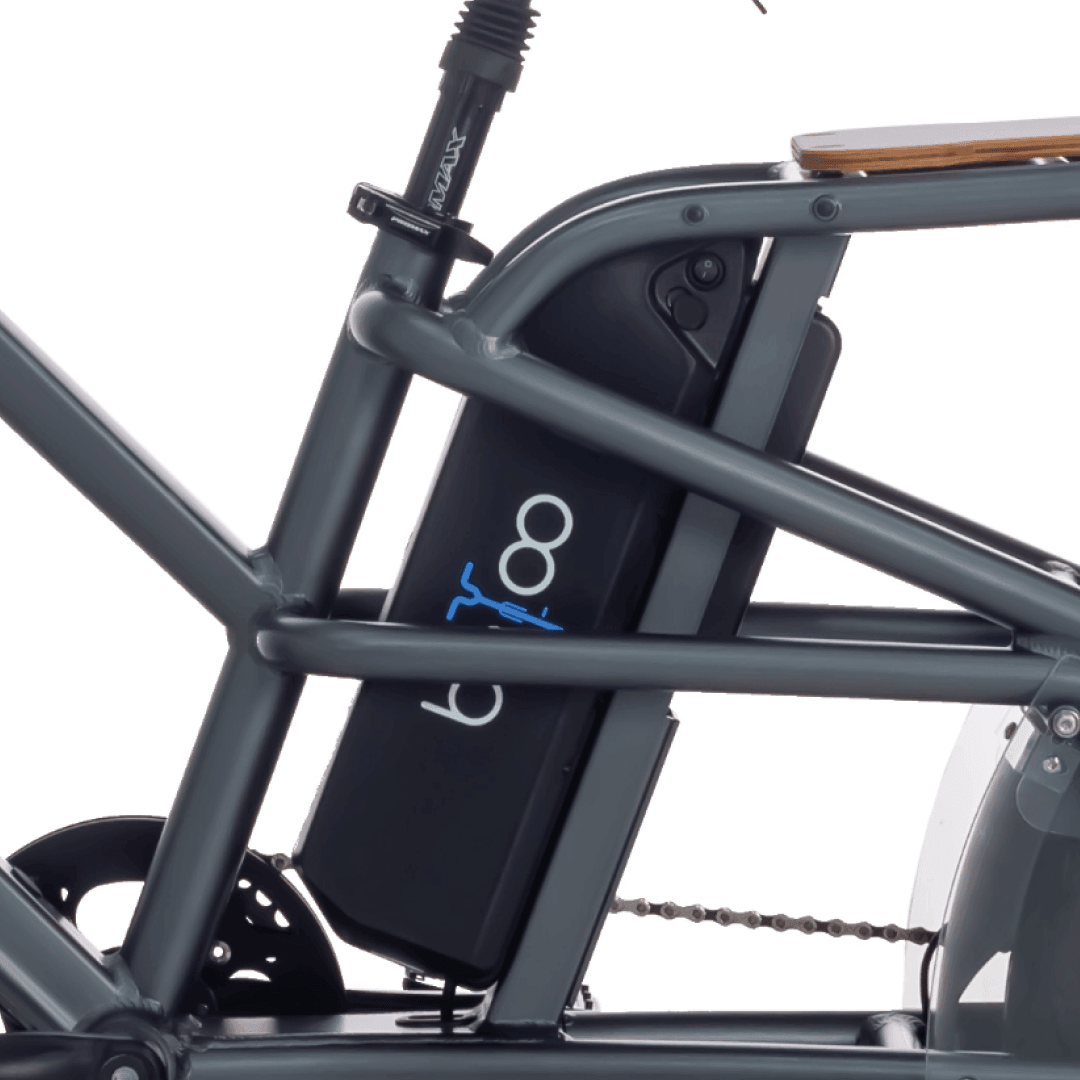
A speed bike's range primarily depends on the battery's capacity. This is the Wh figure that indicates the available energy reserve. The higher the Wh number, the more energy the battery stores, and the more leeway you have, all else being equal.
However, with identical capacity, two cyclists can achieve very different results. The most common factors are total weight, elevation, temperature, wind, tire pressure, assistance level, and riding style. Bosch also points out that consistent riding, good tire pressure, and smooth pedaling directly influence actual range.
In other words, a battery advertised for many kilometers on paper may seem much less generous in winter, on a hilly route, with a bag, anti-theft device, computer, and high assistance. This is why, with a speed bike, it is always better to think in terms of a realistic margin rather than the most flattering figure.
Actual distance depending on use
On a speed bike, the actual range primarily depends on your weekly routine. For a short urban commute, the needs are not the same as for someone who rides 20 to 30 km daily with fast sections and varied terrain.
BatooBike offers very useful capacity benchmarks to simplify your choice:
| Usage Profile | Typical Distance | Recommended Battery Capacity |
|---|---|---|
| Short city trips | 10 to 25 km/day | 500 to 625 Wh |
| Regular commuting | 25 to 50 km/day | 625 to 800 Wh |
| Long trips / hilly terrain | 50 to 80 km/day | 800 to 1000 Wh |
| "Zero range stress" use | 70 to 120 km/day | 1000 Wh and more, or dual battery |
These benchmarks are intentionally practical, not theoretical. They assume that daily use varies with weather, terrain, and assistance level. In the same vein, the TCS test on S-Pedelecs clearly shows that these bikes make perfect sense for regular commutes, where range becomes a true comfort criterion.
To get a quick estimate, a simple rule is often to start with the Wh capacity and then maintain a safety margin. On a speed bike, this margin is even more crucial, because riding faster, with more assistance, and sometimes more load, naturally reduces the actual range.
Impact of terrain and weather
Elevation is one of the biggest drains on battery range. On a hilly route, the motor works harder, especially if you try to maintain a sustained pace. This doesn't mean a speed bike isn't suitable for hills, but simply that a hilly journey will consume more than a flat journey of the same distance.
Weather also plays a more significant role than one might think. Cold temporarily reduces battery performance, headwinds force the motor to work harder, and rain or winter often lead to riding with higher assistance to maintain a comfortable pace. Bosch clearly states that low temperatures can reduce perceived range.
In practice, two 30 km journeys are therefore not equivalent. A flat, easy, and temperate round trip may seem easy for a mid-range battery. The same daily volume, with hills, wind, and low temperatures, may warrant a significantly more generous choice. To refine your estimate, the Bosch Range Assistant remains a very useful tool, as it allows you to adjust terrain, assistance, weight, and riding conditions.
Choosing the right battery

In most cases, the right choice is not to pick the largest possible battery, but the battery that is consistent with your actual weekly usage.
For simple daily use, around 10 to 25 km per day, a 500 to 625 Wh battery may suffice. For a regular commuter traveling between 25 and 50 km per day, the comfort zone is often between 625 and 800 Wh. And for long trips, hilly terrain, or sustained winter use, aiming for 800 to 1000 Wh becomes much more logical.
The right approach is therefore to choose according to your most frequent need, then add a safety margin. If you travel 35 km per day, but with hilly terrain and year-round use, a battery that barely makes it on paper risks tiring you out very quickly. Conversely, if you mainly do 15 km daily in the city, there's no need to oversize excessively. The most important thing is to avoid a bike that forces you to monitor the remaining percentage by mid-week.
When to consider a dual battery
A dual battery isn't just for long-distance travelers. It's a real solution for those who make long journeys without the possibility of recharging at the office, frequently ride with high assistance, carry weight, or want to maintain a comfortable range even in winter.
In practice, you are often a good candidate for a dual battery if:
-
you ride more than 50 km per day
-
you encounter hilly terrain almost every day
-
you ride year-round, including winter
-
you want to avoid daily recharging
-
you often carry a bag, laptop, equipment, or additional load
Bosch also offers DualBattery configurations designed for demanding uses, with a much more comfortable energy reserve for long journeys.
If you're hesitating between a single large battery and a true dual configuration, the decision often depends as much on your psychological comfort as on the distance. Some people prefer a single, well-sized battery. Others want true peace of mind throughout the week. As soon as usage becomes long, fast, and regular, a dual battery ceases to be a luxury.
How to preserve daily range
The first rule is to ride a little more smoothly. Abrupt accelerations, frequent stops and starts, and always riding at maximum assistance levels are costly in terms of battery power. Smoother riding helps a lot.
The second rule is basic maintenance. Properly inflated tires, a correctly maintained drivetrain, and charging the battery under optimal conditions make a bigger difference than you might think. You should also avoid bad storage habits, especially if the bike remains unused for several days.
Finally, recharging should be thought of as a habit, not an emergency. If you use your speed bike every day, it's better to anticipate recharges according to your actual rhythm. The BatooBike guide on how to charge your electric bike is very useful for establishing a simple and suitable routine.
Conclusion
The ideal range of a speed bike for daily use cannot be summarized by a single figure. It depends on your actual distance, terrain, cold, wind, carried load, and riding style. In practice, a 625 to 800 Wh battery already covers many regular commutes very well, while 800 to 1000 Wh or a dual battery become much more logical when combining long distances, elevation, and sustained annual use.
The most important thing is to choose a battery that matches your actual week, not your best-case weather scenario. A properly sized speed bike should simplify your life, not force you to calculate every kilometer. And if you're still hesitant, it's better to aim for a little too comfortable than too little. On a bike used every day, this margin is felt very quickly.
Final FAQ
How many kilometers does a speed bike actually cover?
There isn't a universal figure. The actual range depends on the Wh capacity, terrain, cold, wind, carried weight, and assistance level. In practice, a 500 to 625 Wh battery may suffice for 10 to 25 km per day, while 625 to 800 Wh becomes more comfortable for 25 to 50 km daily.
Does elevation significantly reduce range?
Yes, clearly. Hilly terrain is one of the major factors that reduce range. The more climbs there are, the more the motor is used, especially if you want to maintain a sustained pace.
Which battery to choose for a long journey?
For long or hilly daily use, the most suitable range is often between 800 and 1000 Wh. If you are looking for very stress-free use, with winter, heavy loads, and little recharging margin, a dual battery may also become logical.
Do I need a second battery?
Not always. But it becomes very relevant if you ride more than 50 km a day, all year round, with hilly terrain or without easy recharging options at work.
How to optimize daily range?
Ride more smoothly, maintain good tire pressure, use the right gears, avoid unnecessary accelerations, and take care of the battery. Cold, under-inflation, and poorly managed charging can reduce range more than one might imagine.