Choosing a cargo bike isn't just about comparing spec sheets. It's about choosing a format that will work every day with your children, your shopping, your neighborhood, your cellar, your garage, and your budget. This is precisely why this choice is so crucial. A cargo bike that looks great on paper can become a nuisance if it's too wide for your bike storage area, too long for your parking space, or simply less suited to your routine than a more compact model. To lay the right groundwork, it's helpful to reread the BatooBike guide on how to choose the right electric cargo bike.
To simplify, there are three main categories. The longtail remains the closest to a classic bicycle. The two-wheeled cargo bike (biporteur) still has two wheels but adds a box at the front. The three-wheeled cargo bike (triporteur) adds a third wheel for increased stability and capacity. All three formats can be excellent, but not for the same daily life.
Why this choice is crucial
The right cargo bike isn't necessarily the biggest or the most impressive. It's the one you'll want to use on Monday morning when you have to drop off a child, continue to work, and then come home with bags. The real criterion, therefore, isn't just "how much can this bike carry?", but rather "does it fit my real life?".
A family with one child, little space, and a lot of city living doesn't have the same needs as a family with three children, a garage, and more open routes. This is also why the choice of format matters as much as the motor's power or the battery's capacity.
The longtail: strengths and limitations
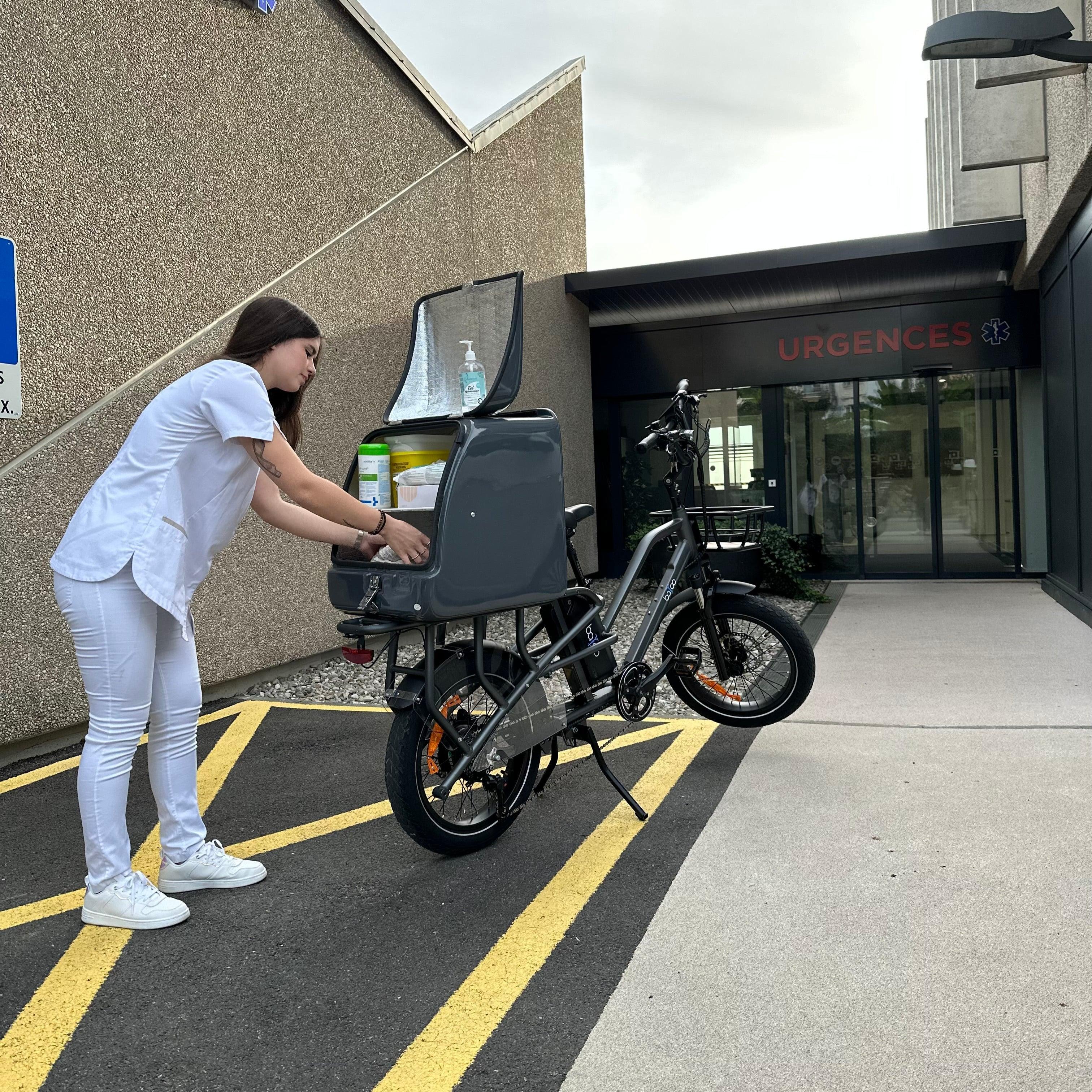
The longtail is often the easiest format to adopt when you're used to a classic bicycle. It remains versatile, maneuverable in the city, and less cumbersome than a two-wheeled or three-wheeled cargo bike. It's also the easiest to park among the larger cargo formats.
Its strengths are clear:
- more natural riding
- easier format to store
- good solution for the city
- often very relevant for 1 to 2 children
Its limitations are also clear:
- less useful volume than a box cargo bike
- less practical if you often carry a lot of bags
- less protective for children than a two-wheeled cargo bike with a cabin
For many households, the longtail is the best choice when you want to replace some car journeys without switching to an overly bulky bike. It's also the most forgiving format in terms of storage.
The two-wheeled cargo bike (biporteur): strengths and limitations
The two-wheeled cargo bike is often the most balanced format for a family that wants to transport children in front of them, with a real box, without opting for a three-wheeled cargo bike. It offers more volume than a longtail while maintaining good maneuverability in the city.
The example of the Urban Arrow Family helps understand why this format is so popular. It remains a two-wheeled family bike, still narrow enough for urban traffic, but with real capacity for children, bags, and groceries.
Its strengths:
- children visible at the front
- large, practical box for bags, school bags, and groceries
- best compromise between capacity and road behavior
- often very suitable for 2 children, sometimes more depending on the model
Its limitations:
- longer than a longtail
- requires a little more parking space
- more intimidating at first if you've never ridden a cargo bike
For an urban family that wants a very complete cargo format without going for a three-wheeler, the two-wheeled cargo bike is often the most convincing choice.
The three-wheeled cargo bike (triporteur): strengths and limitations
The three-wheeled cargo bike follows a different logic. Here, stability, volume, and capacity are the primary considerations. This format is particularly interesting for large families or very heavy uses.
The Nihola Family provides a good concrete reference. Its width changes everything in real life. It provides reassurance when stopped and during loading, but it also complicates storage, certain narrow passages, and parking in standard bike rooms.
Its strengths:
- very reassuring when stopped
- practical with several children
- good transport capacity
- suitable for heavy or very family-oriented uses
Its limitations:
- the widest of the three
- less agile in narrow streets
- more demanding in terms of storage and parking
The three-wheeled cargo bike is therefore not better in absolute terms. It is better for a very specific need: transporting a lot, often, with maximum stability.
Quick comparison of the three formats
| Criterion | Longtail | Two-wheeled cargo bike (Biporteur) | Three-wheeled cargo bike (Triporteur) |
|---|---|---|---|
| Riding | Closest to a classic bike | Good after getting used to it | Very stable but more specific |
| Children | Often 1 to 2 | Often 2 and more depending on the box | 2 to 4 depending on the models |
| Space taken | The smallest | Significant in length | Significant in width |
| Parking | The simplest | More demanding | The most restrictive |
| Dense city | Very suitable | Very good if you have the space | More limited in narrow streets |
| Feeling when stopped | Classic | Good | The most reassuring |
| Ideal use | Compact family, city, little space | Urban family, children, groceries | Large family, large volume, stability |
Which format according to your use

If your main use resembles school, daycare, small errands, city, and 1 to 2 children, the longtail often remains the simplest to live with.
If you want to transport your children in front of you, with a good level of comfort and real capacity for daily life, the two-wheeled cargo bike is often the best compromise. This is particularly true if you ride a lot in the city but still have the space to manage a bike over 2.5 m long.
If your priority is to transport more, with greater stability and an immediate feeling of security when stopped, the three-wheeled cargo bike has the advantage. It becomes more logical as the number of children, the volume, or the frequency of loading increases.
Which format according to your housing
Housing is often the deciding factor. A longtail or a compact cargo bike integrates more easily into a bike room, a garage, or a building's common area, while a two-wheeled or three-wheeled cargo bike requires more length or width. If this topic is important to you, the guide on where to park a cargo bike in the city really helps avoid unpleasant surprises.
Here's a simple guide:
- Apartment with standard bike room or narrow access: longtail
- Garage or courtyard with a little extra space: two-wheeled cargo bike (biporteur)
- Generous storage space and easy access: three-wheeled cargo bike (triporteur) possible
In other words, the best cargo bike isn't just the one that rides well. It's also the one you can take out and put away without making your life difficult every day.
Which format according to your budget
The budget varies greatly depending on the format, equipment, and brand. In practice, the most compact and simplest formats are often also the most affordable, although this obviously depends on the level of equipment.
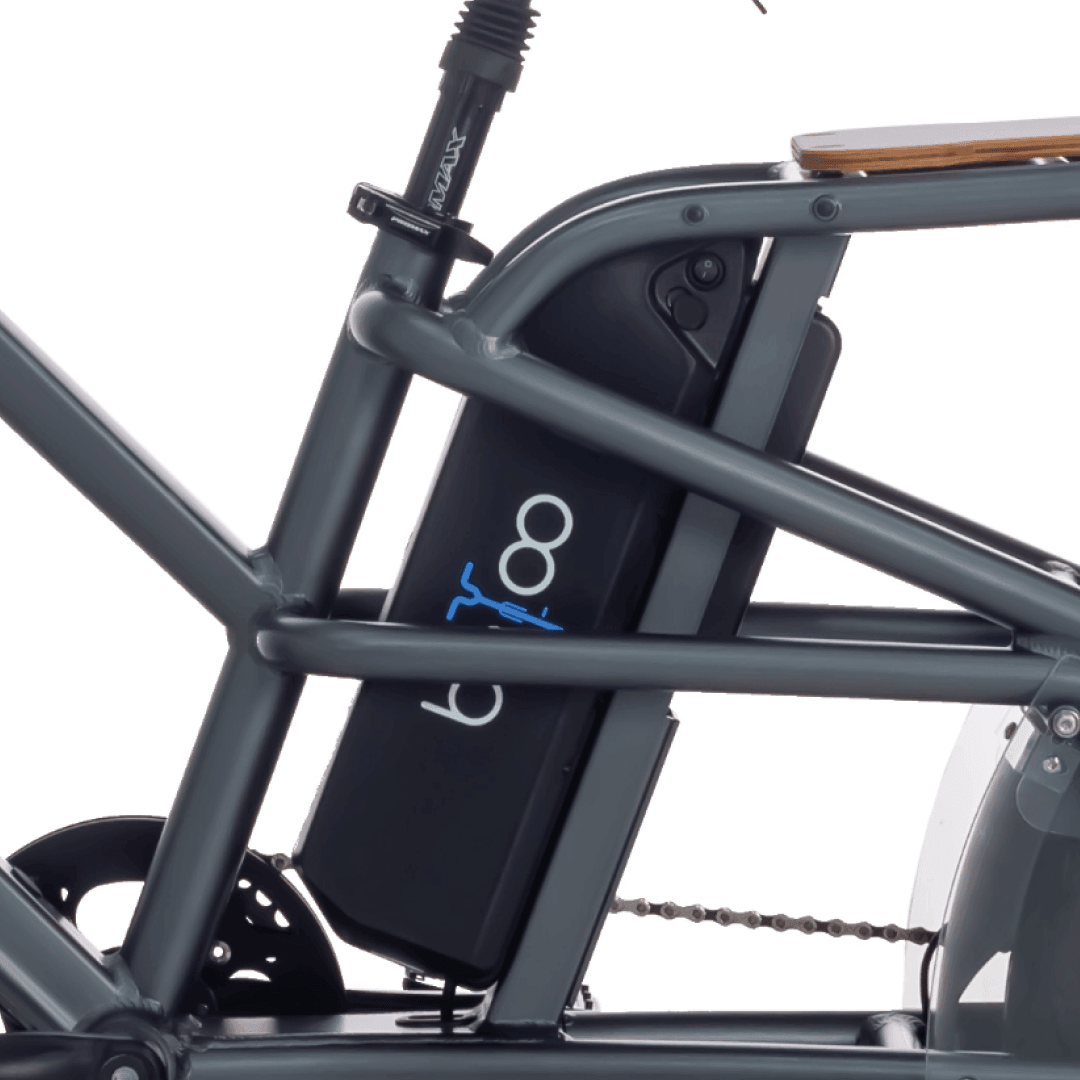
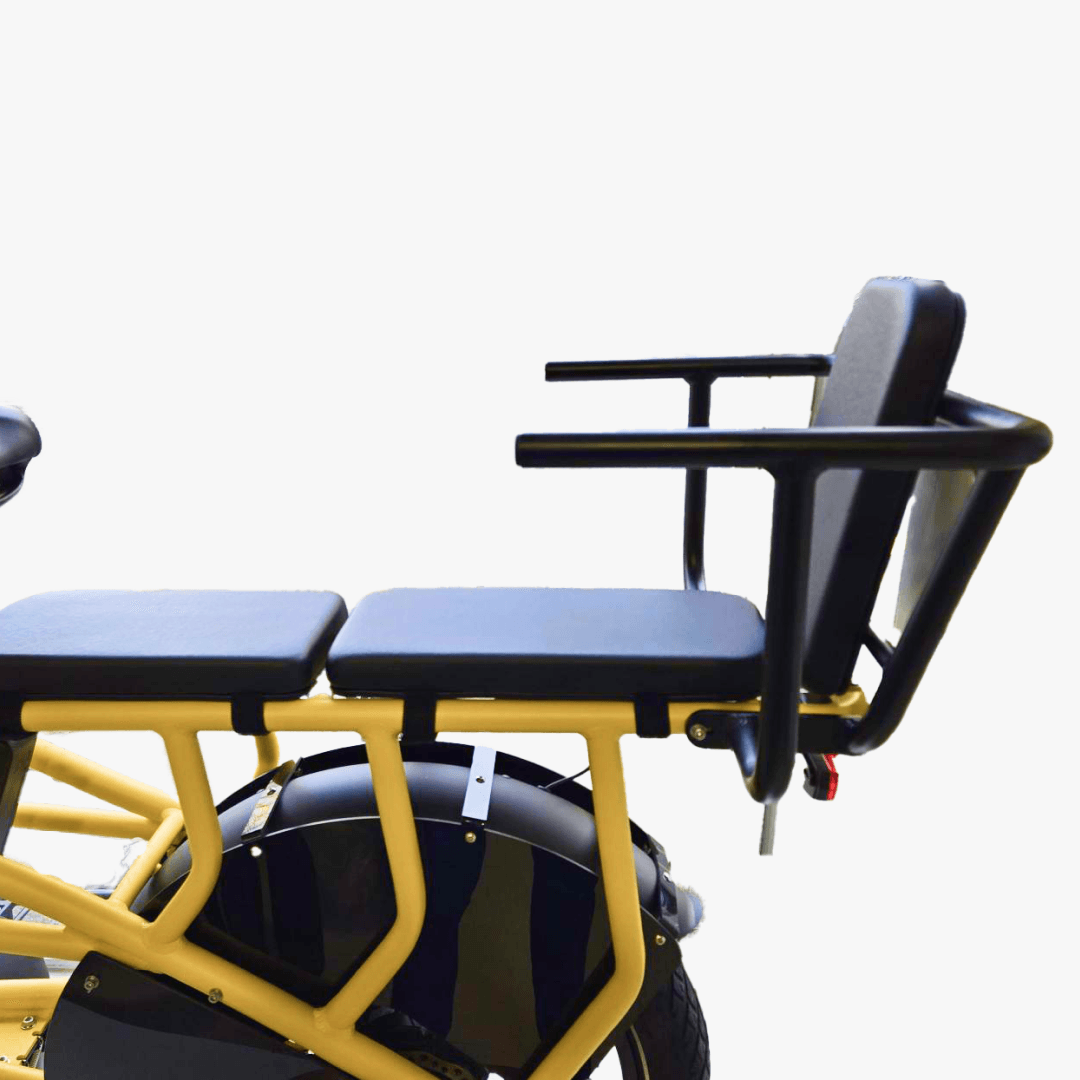
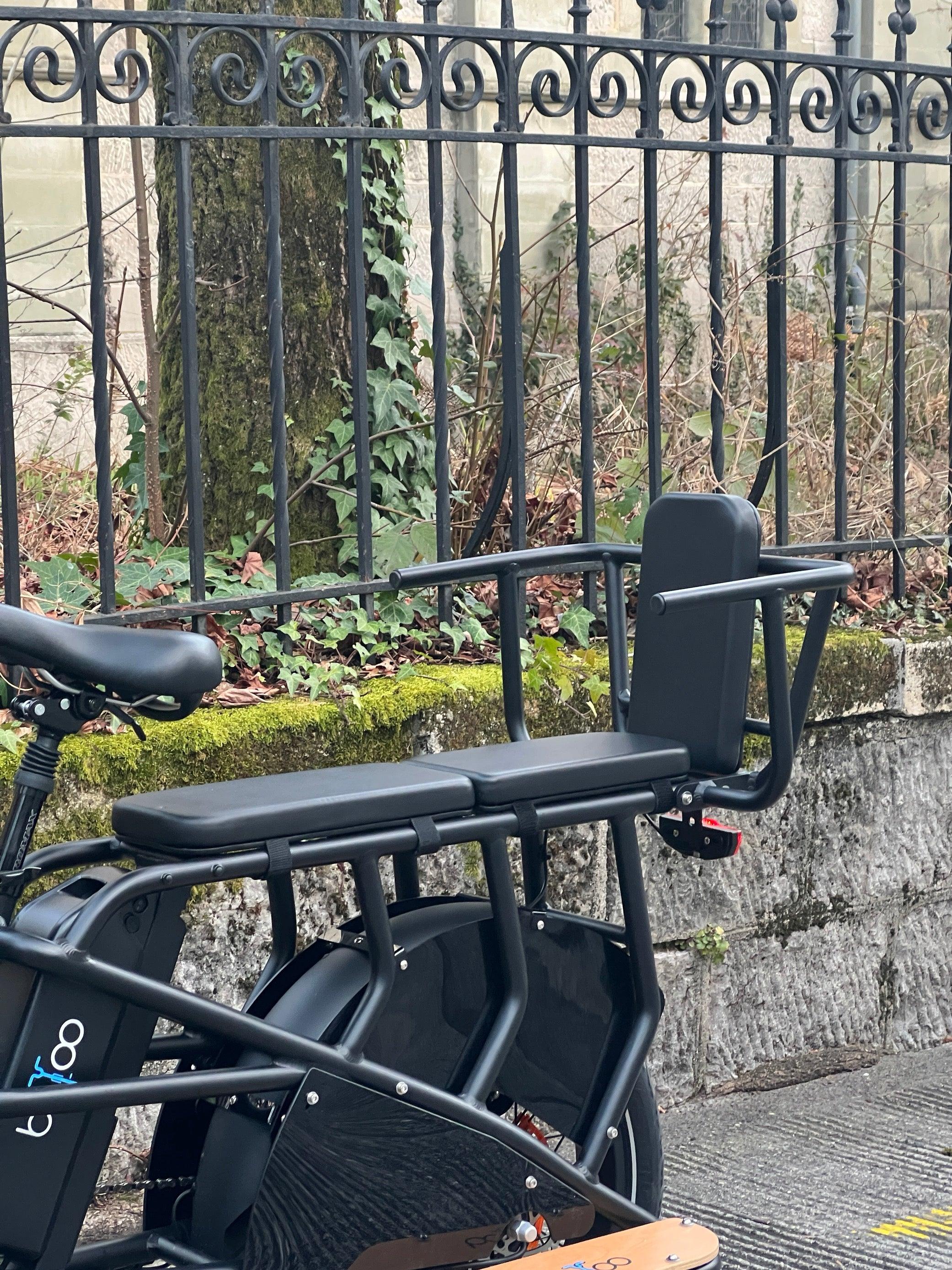
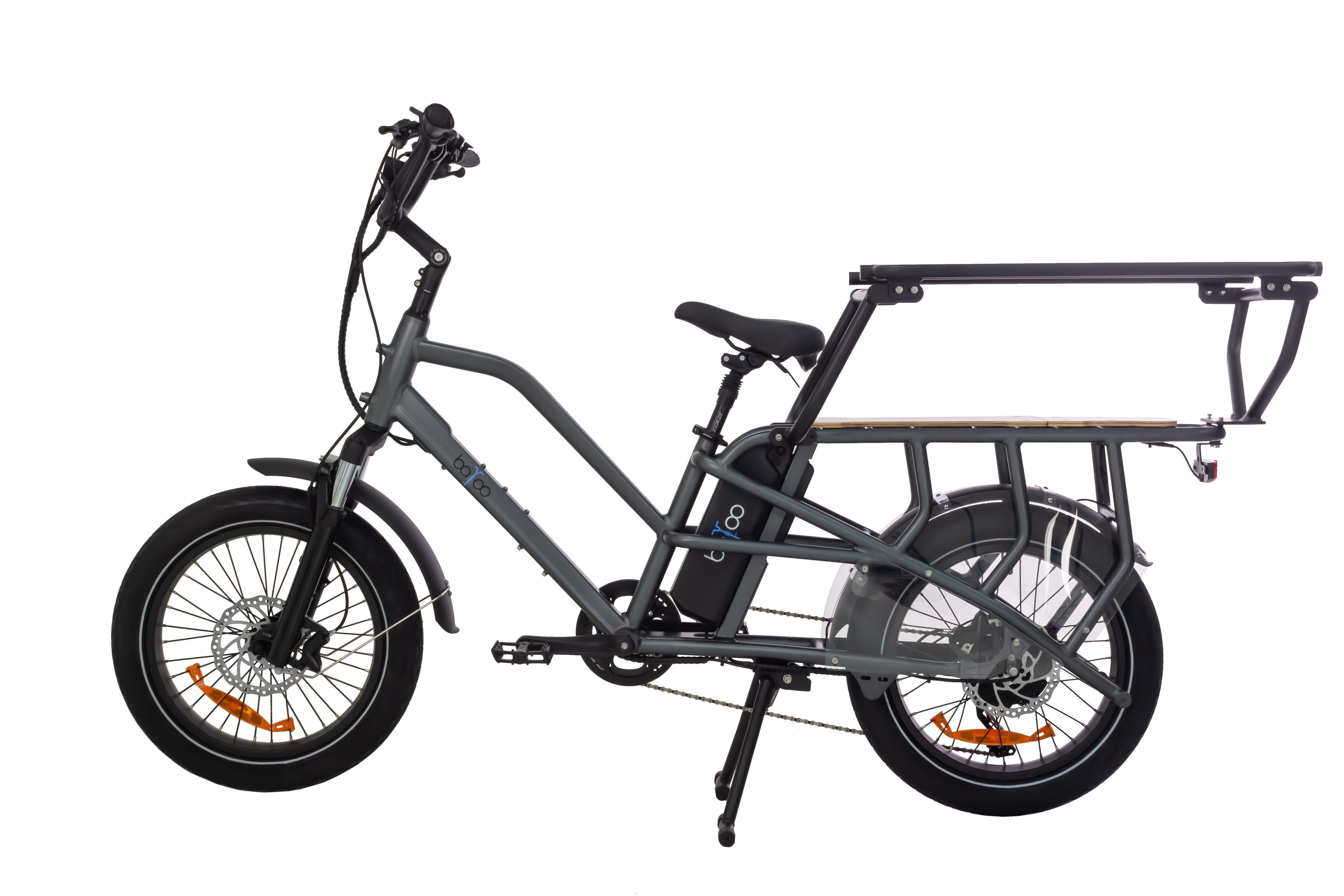
A compact model like the Colibri V2.0 clearly demonstrates this logic: a cargo bike designed for the city, with a more reasonable size, can be more than enough for some families without immediately opting for a much larger format.
Here's a simple guide:
| Budget | Most often accessible format |
|---|---|
| Tight budget | Longtail or compact cargo bike |
| Mid-range budget | Well-equipped longtail or two-wheeled cargo bike (biporteur) |
| Larger budget | High-end two-wheeled cargo bike (biporteur) or family three-wheeled cargo bike (triporteur) |
To refine this point, the BatooBike guide on the price of an electric cargo bike in Switzerland helps visualize the real differences according to uses and categories.
Conclusion with choice assistance table
Ultimately, there is no single best cargo bike. There is only the best format for your real life. The longtail wins on simplicity, compactness, and ease of handling. The two-wheeled cargo bike wins on the balance between family, comfort, and capacity. The three-wheeled cargo bike wins on stability and volume.
The table below helps to decide quickly:
| Your real life | Most logical format |
|---|---|
| 1 to 2 children, city, little space | Longtail |
| 2 children, school + shopping + city | Longtail or two-wheeled cargo bike (biporteur) |
| 2 to 3 children, need for a real front box | Two-wheeled cargo bike (biporteur) |
| 3 children or regular large volumes | Three-wheeled cargo bike (triporteur) |
| Apartment, tight bike room, complicated storage | Longtail |
| Garage, daily family use, mid-range budget or higher | Two-wheeled cargo bike (biporteur) |
| Absolute priority for stability when stopped | Three-wheeled cargo bike (triporteur) |
Final FAQ
What is the difference between longtail, two-wheeled cargo bike (biporteur), and three-wheeled cargo bike (triporteur)?
The longtail extends the rear of the bike to carry children or loads. The two-wheeled cargo bike retains two wheels and places a box at the front. The three-wheeled cargo bike adds a third wheel to prioritize stability and volume.
Which model is the easiest to ride?
In most cases, the longtail is the easiest to get used to, as it remains closest to a classic bicycle. The two-wheeled cargo bike requires a little adaptation time, and the three-wheeled cargo bike changes the riding experience more significantly.
Which cargo bike takes up the least space?
The longtail is generally the least cumbersome. It's the easiest format to park and the easiest to integrate into an urban daily life with limited space.
Which type to choose for 2 children?
For 2 children, a well-equipped longtail or a two-wheeled cargo bike are often the most sensible choices. The longtail is more compact, while the two-wheeled cargo bike offers more volume and a better family-oriented setup at the front.
Which model is best suited for the city?
For dense cities and narrow access, the longtail often retains the advantage. For city living with a real family need and sufficient space, the two-wheeled cargo bike is often the best compromise.
The best way to choose a cargo bike is to ride it.
Test the Batoo Colibri for free and experience its comfort, stability and electric assistance in real-world conditions.
Book my free test ride