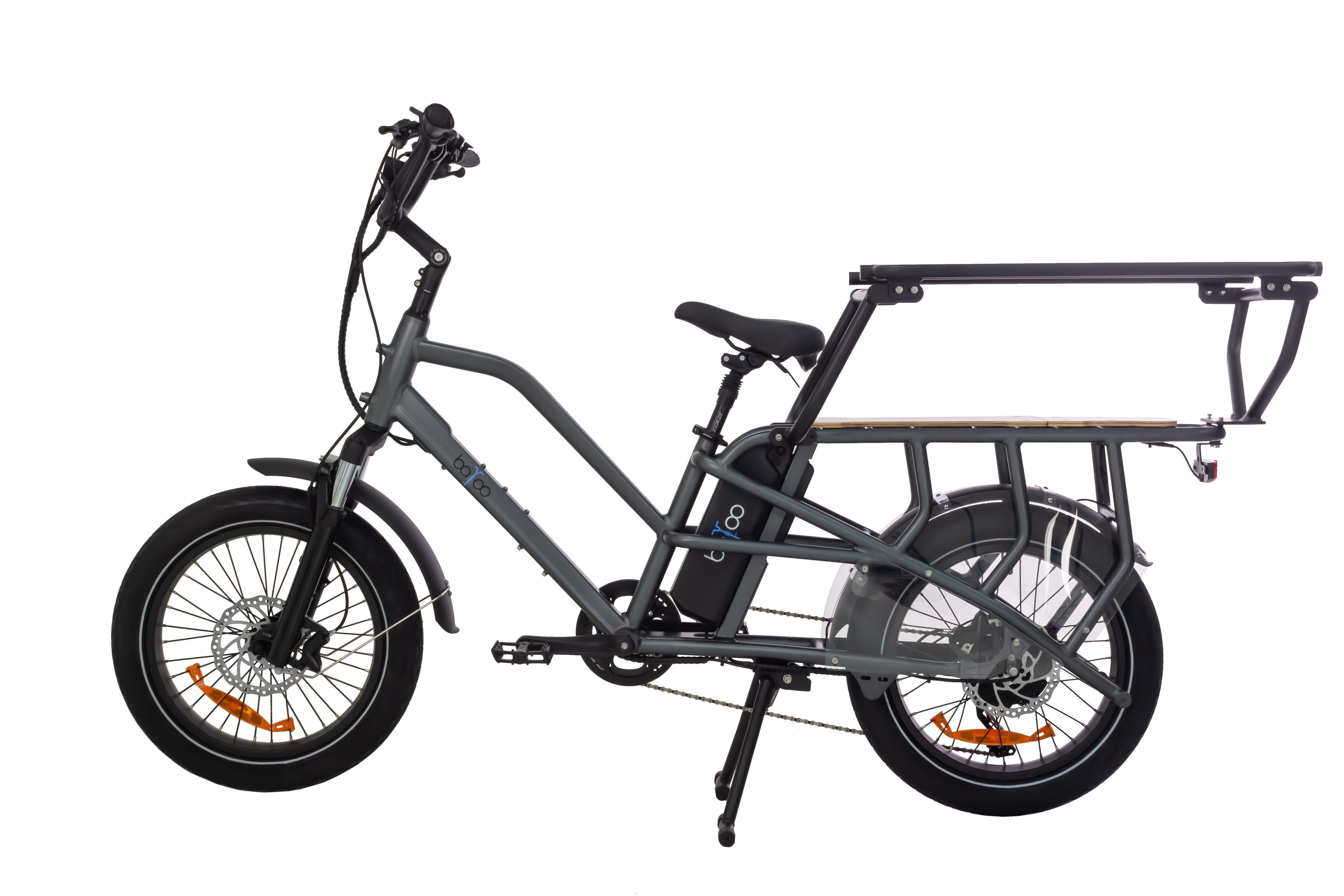
What truly reassures parents is not just seeing a large front bin or seatbelts on the bike. It's feeling that the entire journey is under control: how children get on, how they are secured, how to brake, what to do when it rains, and how to ride when traffic becomes denser. Family safety on a cargo bike relies precisely on this set of small, repeated reflexes.
The cargo bike also provides reassurance because it offers more integrated transportation than many other solutions. BatooBike explains this well in its comparison between cargo bike and trailer: when the frame, brakes, and format are designed for transporting children, the feeling is often more stable and natural in everyday life, especially on repeated trips like school, daycare, or quick errands.
What truly reassures parents
In practice, a child's safety on a cargo bike depends less on a miracle accessory than on a coherent system. It requires a suitable bike, well-secured children, more defensive riding than when cycling alone, and a simple but regular routine.
In other words, the right question isn't just "is my cargo bike equipped?", but rather "is the whole system safe in real life?". A child poorly secured in a very good cargo bike remains poorly protected. Conversely, a well-chosen bike, used with good habits, becomes very reassuring in everyday life. To delve deeper into choosing the right family format, the BatooBike guide on cargo bikes in Switzerland for school-daycare commutes already helps lay the right foundations.
Essential equipment

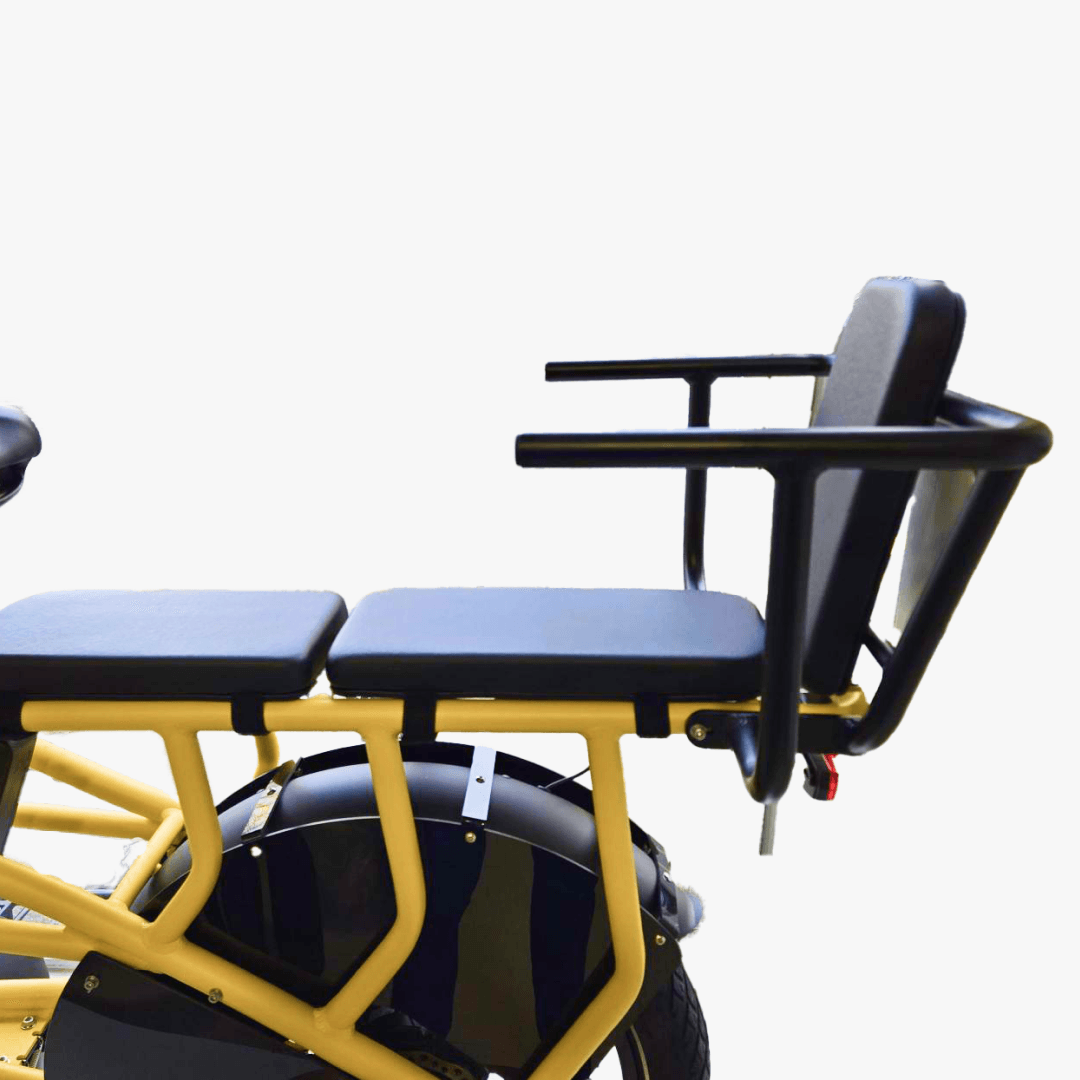
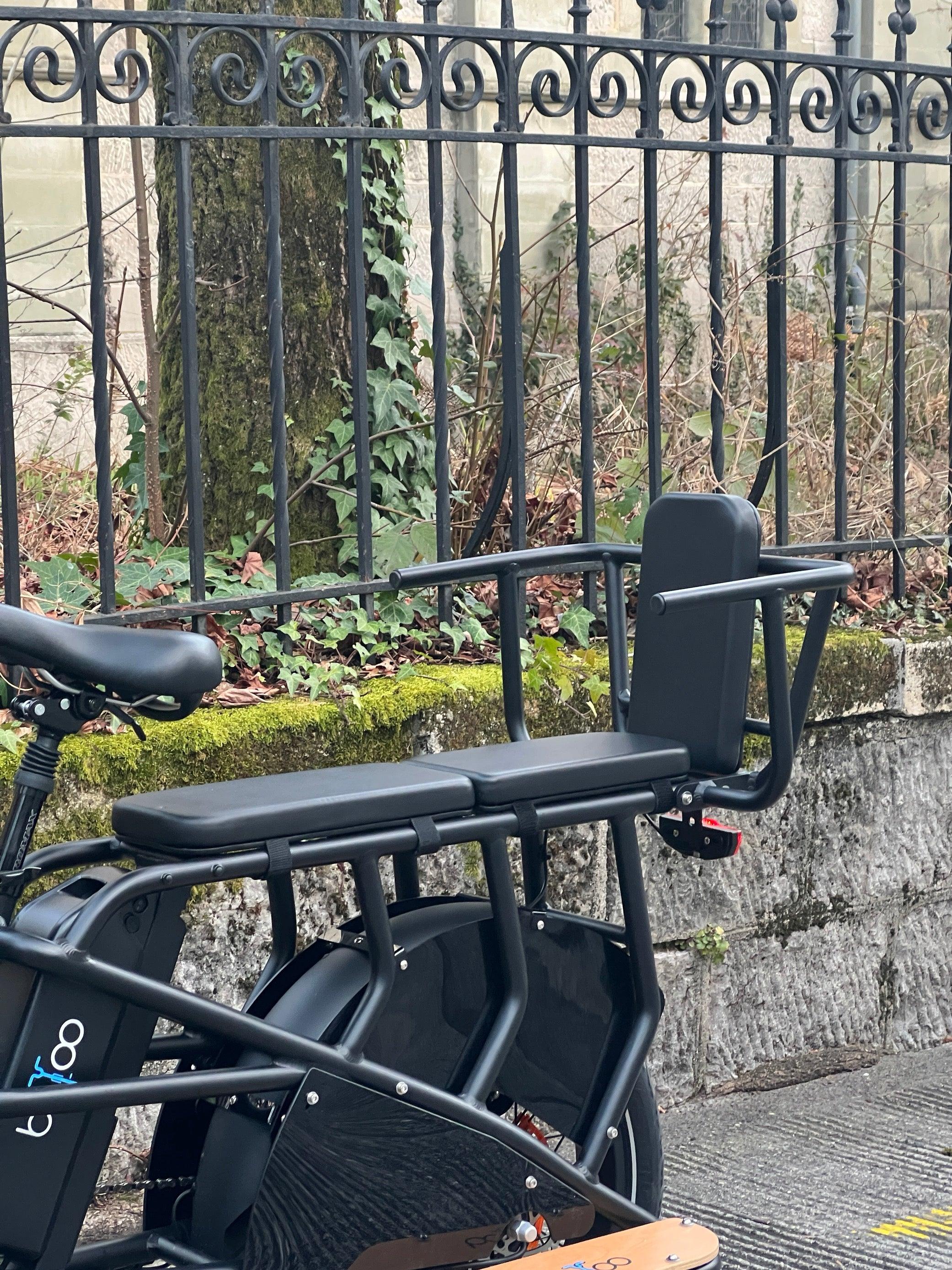
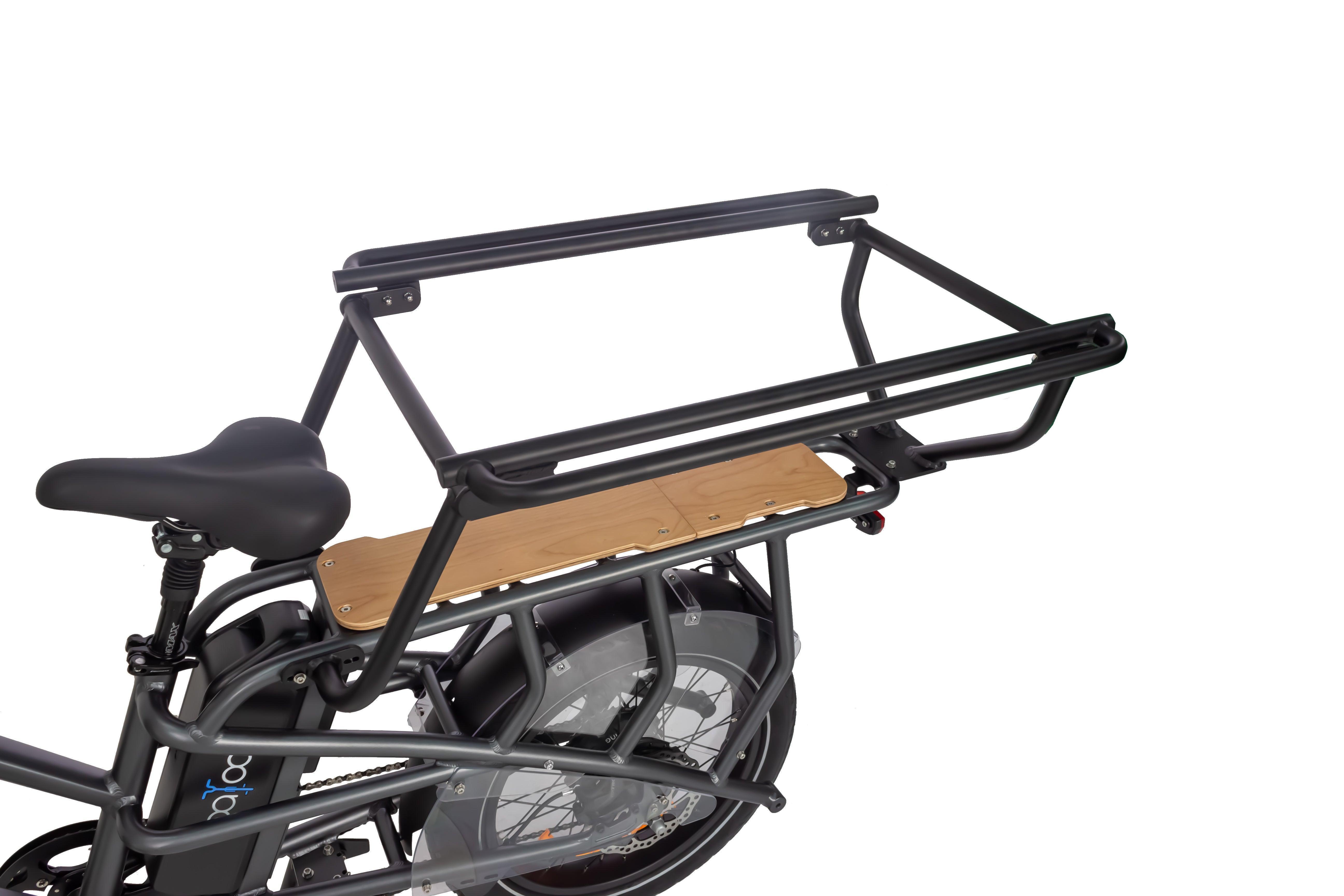
The first level is setup. To transport children, you need appropriate seating, a stable base, seatbelts or harnesses in good condition, footrests when necessary, and lateral protection or a structure that prevents unnecessary movement. BatooBike also highlights, in its collection of seats and child solutions, baby seats, child seats, pads, backrests, and rain covers as elements of daily safety and comfort.
Helmets are also fundamental. In practice, it's the right reflex to adopt for every journey. The most important thing is not just to have a helmet, but to have a well-fitting helmet that doesn't move and remains comfortable for the child.
The table below summarizes the elements to check before riding with children.
| Equipment | To check | Why it's important |
|---|---|---|
| Child helmet | Size, adjustment, chin strap | A poorly adjusted helmet offers poor protection |
| Harness or seatbelt | Tightness, fastening, general condition | The child must remain securely held |
| Seat | Compatibility with age and size | Support changes significantly with age |
| Rain cover | Ventilation, visibility, attachment | Comfort also influences safety |
| Footrests / bench | Stable position, no play | Prevents unnecessary movement |
| Lighting / visibility | Lights, reflective elements | Others need to see you early |
Getting on and off safely
Many incidents don't happen when riding fast. They happen when stopped, when loading or unloading children. That's why these moments should be taken seriously. The bike must be properly immobilized, on a stable surface, before the child gets on or off.
Whenever possible, it's always best to follow the same order: stabilize the bike, open, fasten or unfasten, then assist the child. It's simple, but this routine avoids many rushed mistakes.
With a young child, you also need to avoid half-hearted actions. A poorly clipped harness or a loosely placed seatbelt is not enough. BatooBike also reminds us in its content on rain protection for cargo bikes that even before closing the cabin, the child must be properly positioned and secured.
Visibility and defensive riding
When transporting children, you're not just riding for yourself. You're riding with more weight, more inertia, and less room for improvisation. Defensive riding therefore becomes even more important.
In practice, the most useful habits are often the simplest:
-
slow down before intersections and turns
-
maintain more distance than on a solo bike
-
avoid sudden movements with a child on board
-
make yourself very visible early in the morning, in the evening, and in overcast weather
For families who often ride in the city, these habits sometimes matter more than the choice between one accessory or another. A well-equipped cargo bike still depends on the parent's behavior at the handlebars.
Riding with a baby or young child
This is often the most delicate question, and there isn't one universal answer for all cargo bikes. The key point is that a baby is not transported like an older child on a simple bench. A device truly designed for their age, muscle tone, and support is needed.
The most cautious answer is therefore: for a baby, strictly follow the configuration provided by the bike and seat manufacturer, and do not automatically transpose a solution from another model. If you are unsure about a young child configuration, the BatooBike article on child seats for electric bikes already provides a good basis for understanding what changes between a baby, a young child, and a more independent child.
In bad weather
Cold, rain, and wind change many things when riding with children. Not just for comfort, but also for safety. A child who is wet, poorly protected, or bothered by the cold moves more, tolerates the journey less well, and can become more difficult to settle or calm during the ride.
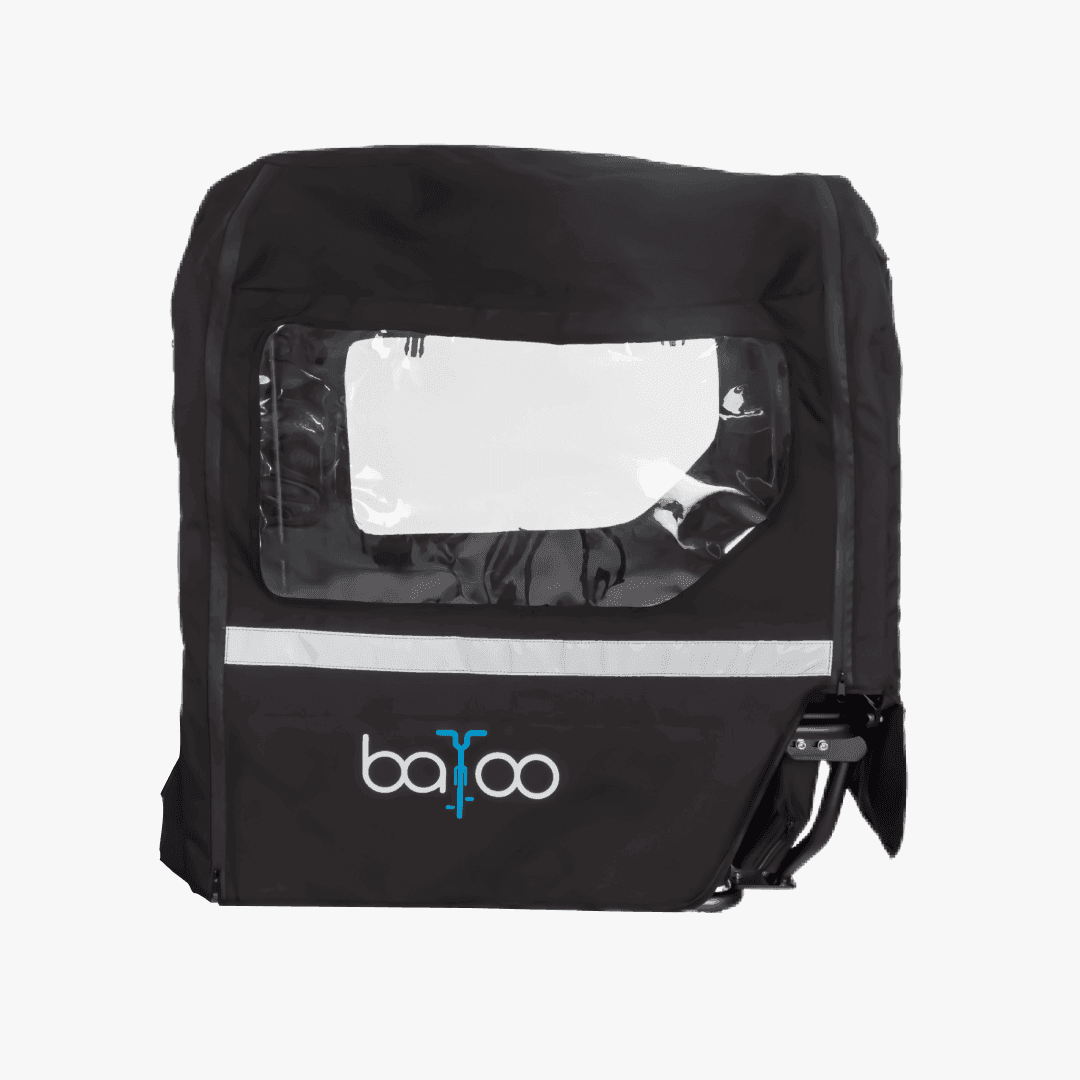
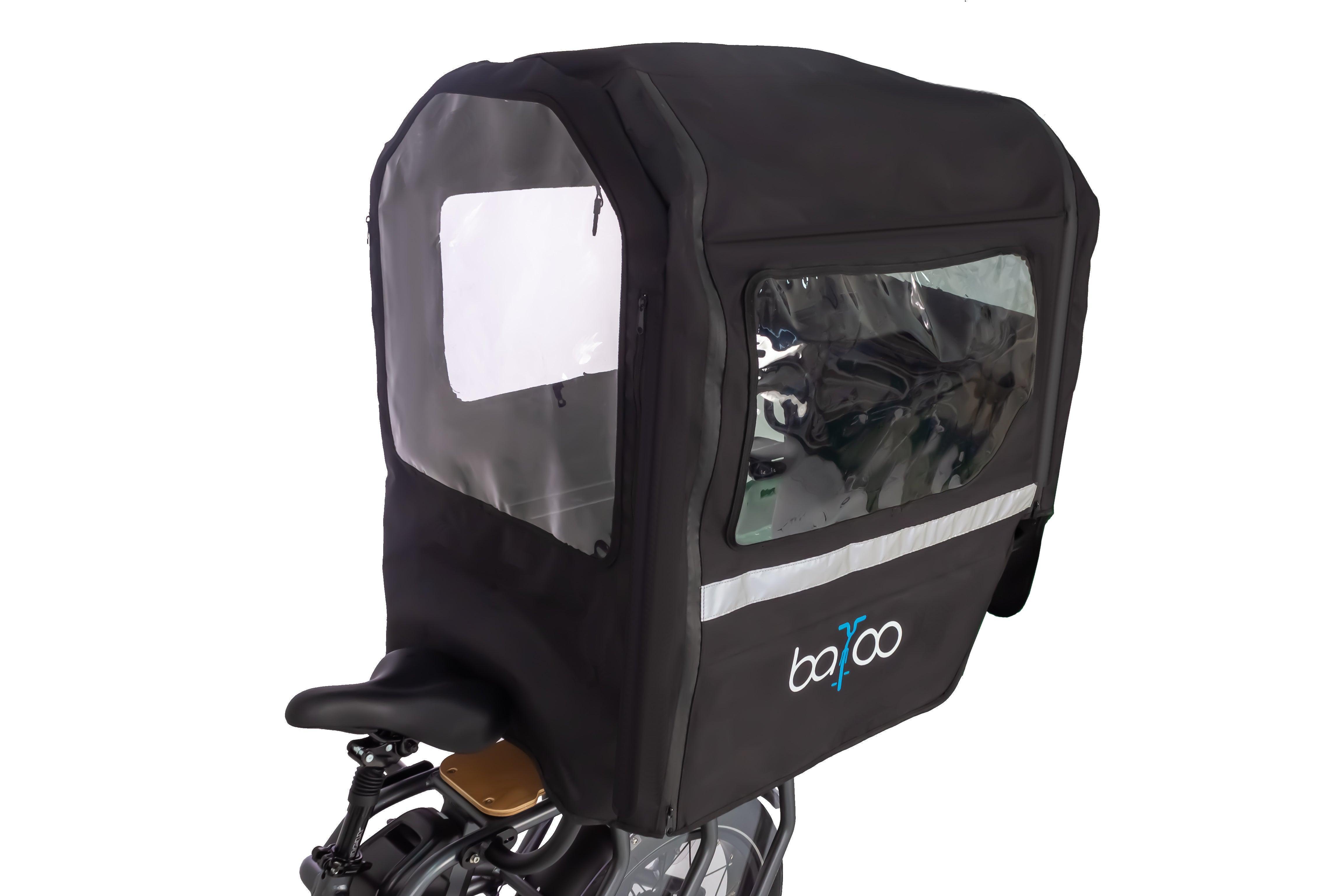
That's why a proper rain cover, well-ventilated and securely attached, is often one of the most useful accessories on a family cargo bike.
In bad weather, the good reflexes are as follows:
-
protect the child without trapping air
-
check visibility before leaving
-
anticipate braking even more
-
avoid sharp turns taken too quickly
-
maintain an extra margin when stopping and restarting
A well-installed rain cover for a cargo bike improves both comfort and safety during the journey.
Mistakes to avoid
The most frequent mistakes are rarely complicated. They are often shortcuts taken "just for today":
-
leaving without checking the harness
-
riding too fast because you know the route
-
underestimating rain or cold
-
leaving a helmet poorly adjusted
-
loading or unloading children on a poorly stabilized bike
-
assuming an older child can hold on without real instructions or proper support
Another common mistake is believing that the cargo bike solves everything on its own. In reality, it makes transporting children easier and often more reassuring, but it still requires a routine. This is precisely why families who use it well quickly develop automatic behaviors: the same order for fastening, the same check before departure, the same way of stopping.
Conclusion
Children's safety on a cargo bike primarily relies on very concrete things: a well-adjusted helmet, secure restraint, clean loading and unloading, good visibility, and more defensive riding. The real goal is not to eliminate all risk, but to make every journey predictable, calm, and controlled. That's what truly reassures parents.
The most important thing remains the consistency between the bike, the age of the children, the accessories used, and your habits. A good family cargo bike becomes very safe when used with a real routine. And if you already want to improve comfort on wet or cold journeys, the rain cover for cargo bikes and the cargo bike vs. trailer comparison are two very useful reads before going further.
Final FAQ
From what age can a child ride in a cargo bike?
There isn't a universal age valid for all models. For a baby, it's essential to use a configuration genuinely designed for that age by the bike and seat manufacturer. For an older child, the main criterion becomes the quality of support and compatibility with the intended seating.
Is a helmet always necessary?
In practice, it's the right reflex to adopt for every journey. The most important thing is to have a helmet that is well-adjusted, stable, and comfortable for the child.
How to properly secure children?
You must use the harness or seatbelt provided by the system, check the tightness before each departure, and avoid any approximate fastening. A properly secured child should be held without flopping, without being able to slip, or dangerously straighten up when braking.
What to do in cold or rainy weather?
You need to protect the child with an appropriate solution, maintain good ventilation, check visibility, and ride more smoothly. A well-installed rain cover improves both comfort and safety during the journey.
What are the most common safety mistakes?
The most frequent are a poorly adjusted helmet, a poorly checked harness, a poorly stabilized bike when loading or unloading, and riding too fast or too abruptly with children on board.