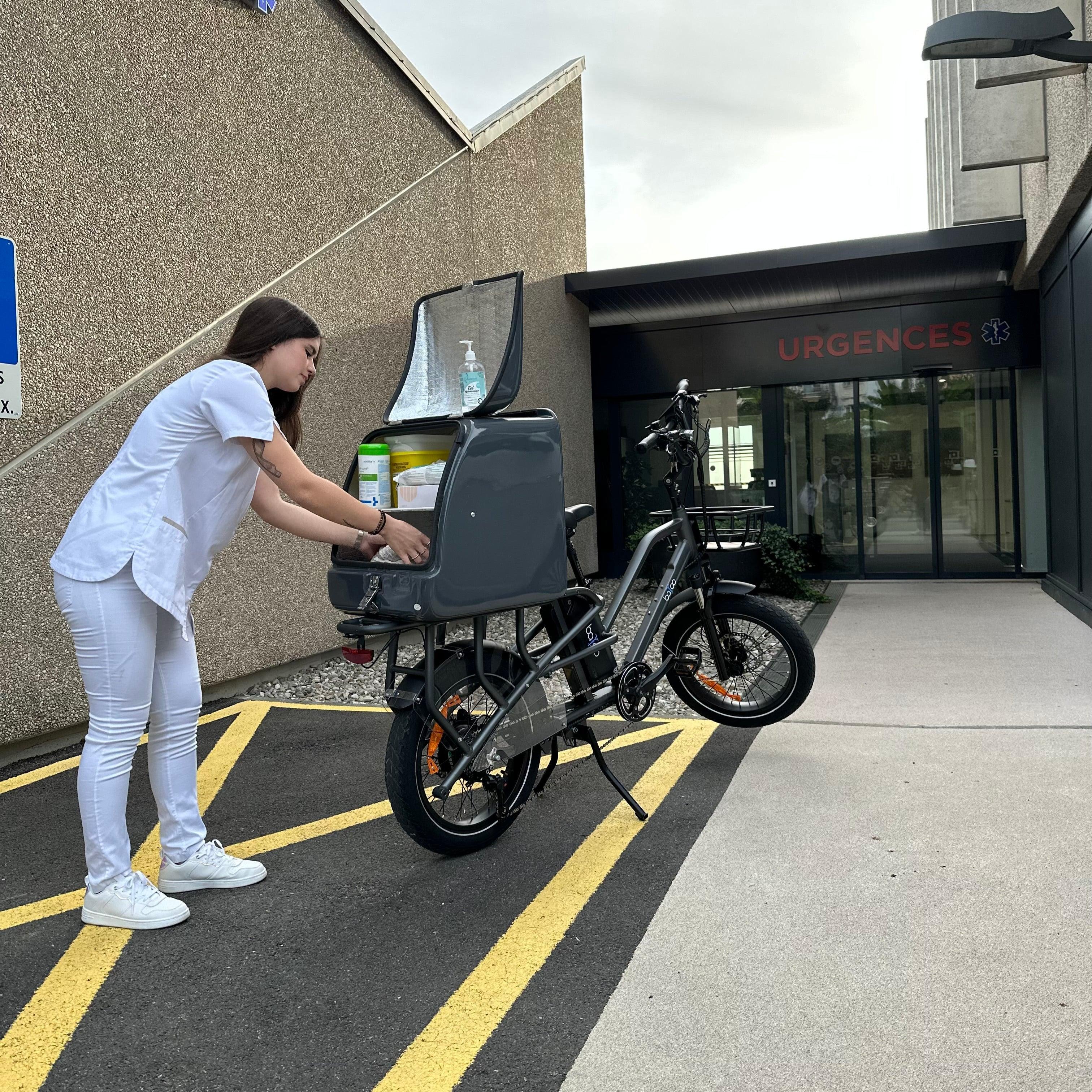
For a small business, a cargo bike is not just an eco-friendly gadget. Used correctly, it can become a real work tool. It can reduce certain car journeys, avoid some parking problems, facilitate deliveries in city centers, and give a more modern image to a local business.
But let's be clear from the start: a cargo bike does not replace a van in all cases. It works very well for certain professions, certain ranges of action, and certain transport volumes. It is much less effective if the loads are too heavy, the distances too long, or if the activity depends on a large stock of tools.
The real question is therefore not "can a cargo bike replace a car?", but rather "which of my company's journeys can be done more simply by cargo bike?". To discover the world of cargo mobility in Switzerland, the BatooBike homepage already gives a good idea of possible daily uses.
Why Professionals Are Increasingly Interested
Artisans, shopkeepers, and local services often make many short trips. A client meeting 2 km away. A delivery in the neighborhood. A visit to the workshop. An errand to a supplier. A quick intervention without heavy equipment. These are precisely the journeys that can be costly in terms of time, fuel, parking, and stress.
In the city, a cargo bike can be very efficient because it avoids many typical blockages: heavy traffic, searching for parking, limited access, narrow streets, pedestrian zones, or quick stops impossible by car.
It can also improve the company's image. For a local business, a repair service, or an artisanal activity, arriving by cargo bike shows an agile company, close to its neighborhood, and attentive to its impact.
Which Businesses Can Really Use a Cargo Bike?
Professional cargo bikes are particularly suitable for trades that transport light to medium equipment, over short to medium distances, with many local stops.
It can be very relevant for:
- mobile repair technicians
- plumbers or electricians for small interventions
- locksmiths with compact equipment
- florists
- light caterers
- neighborhood shops
- boutiques with local delivery
- cafes, bakeries, or delicatessens
- concierge services
- photographers or videographers with well-organized equipment
- associations and municipal services
- light maintenance companies
- couriers and urban deliveries
It is less suitable if the activity requires transporting very large volumes, very heavy loads, bulky machines, or a complete stock of tools every day. In this case, the cargo bike can still be useful as a complement, but not necessarily as the primary vehicle.
In Which Cases Does It Really Work?
A cargo bike works well when three conditions are met: the distance is reasonable, the load is manageable, and the journeys are frequent.
Here are the most favorable cases:
| Professional Situation | Cargo Bike Potential |
|---|---|
| Local deliveries within a 2 to 8 km radius | Very good |
| Quick interventions with small tools | Very good |
| Local business with regular orders | Very good |
| City center travel with difficult parking | Excellent |
| Transport of light to medium material | Good |
| Large heavy or bulky material | Limited |
| Long daily intercity trips | Less suitable |
| Mixed city + periphery activity | Useful as a complement |
A cargo bike works particularly well when it replaces "painful short trips" by car. These are often trips that seem trivial but take a lot of time in a workday.
Can a Cargo Bike Replace a Van?

Yes, but only on certain journeys. We must avoid presenting the cargo bike as a magic solution. A van remains essential for large construction sites, long distances, very heavy loads, or days when a lot of material needs to be transported.
However, a small business doesn't always use its van at full capacity. Many professional journeys are made with light loads. This is where the cargo bike becomes interesting.
It can replace a van for:
- delivery of small orders
- transport of light tools
- client appointments without heavy equipment
- trips between workshop, shop, and client
- quick after-sales service
- neighborhood rounds
- collection or drop-off of small parcels
It can also avoid using a car for 5 to 15-minute trips, especially when parking takes almost as long as the journey itself.
What Payload Should Be Planned For?
Payload is a key factor for professional use. One should not only look at the visible volume. It is important to know how much the bike can actually carry, without exceeding the manufacturer's specified limits.
For an artisan or a small business, you must first list what you truly transport:
- tools
- spare parts
- parcels
- insulated bags
- flowers
- documents
- delivery crate
- cleaning supplies
- computer or technical equipment
Then, estimate the usual weight, not just the maximum weight. The right professional cargo bike is not one that can carry a lot once a month. It's one that correctly carries your actual load every day.
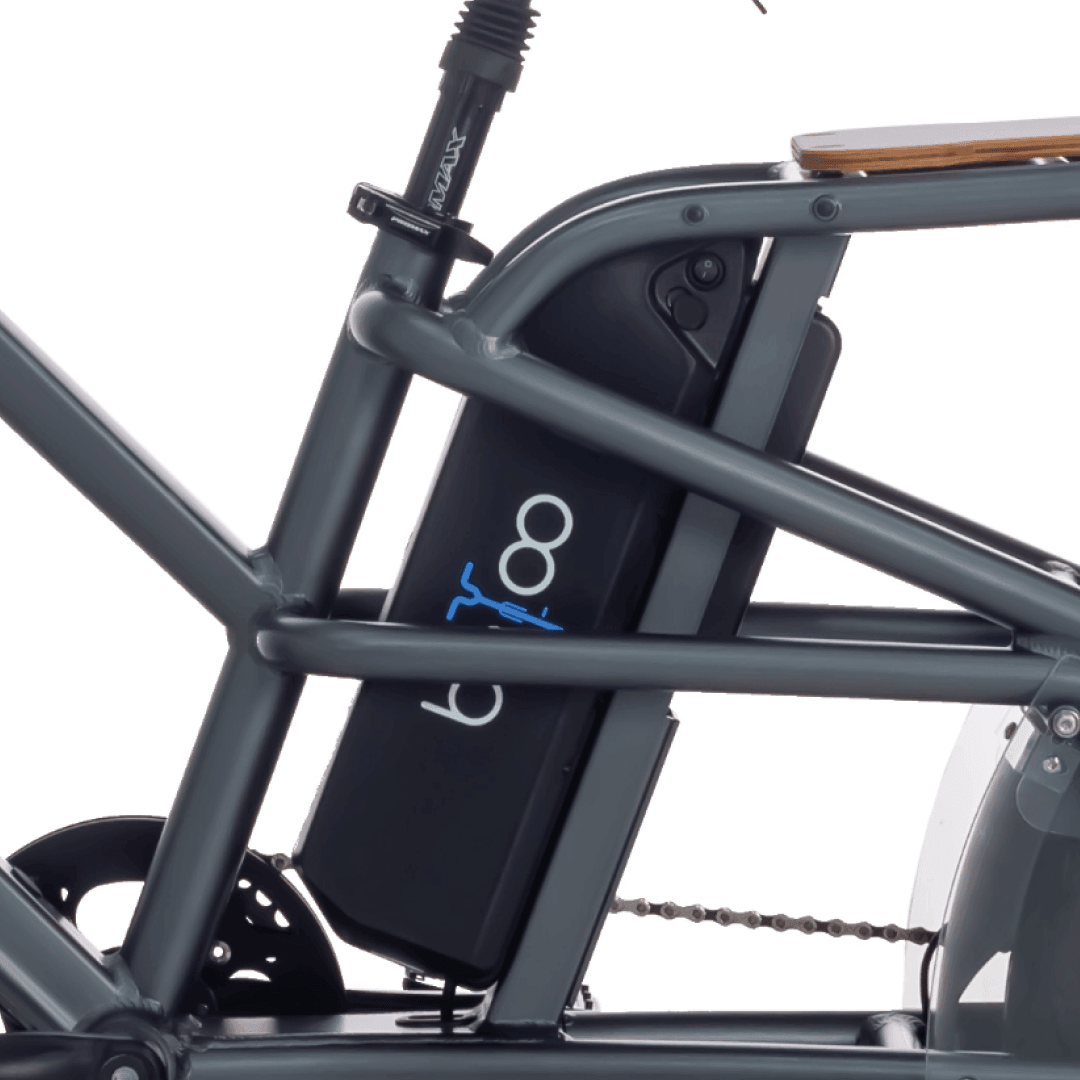
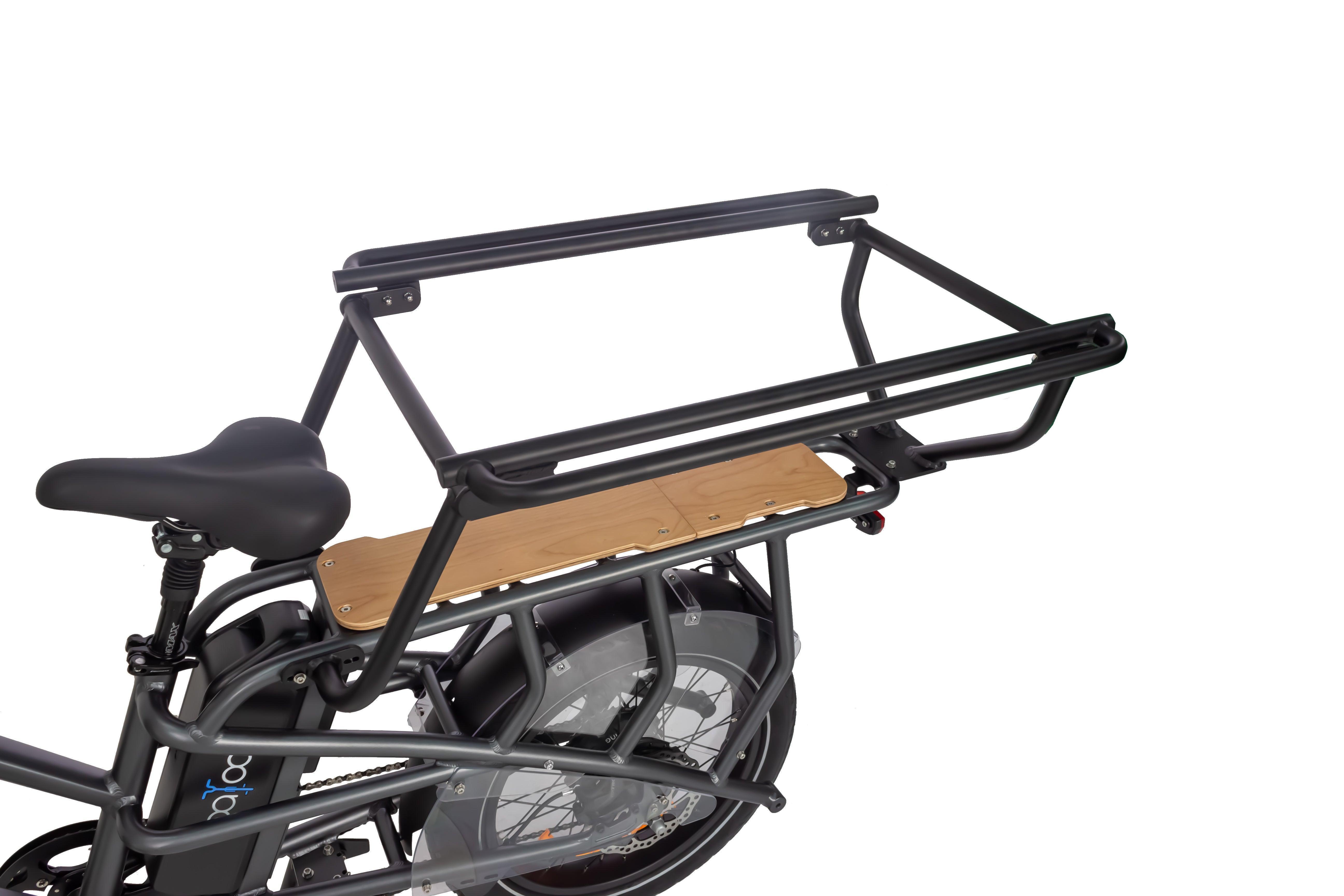
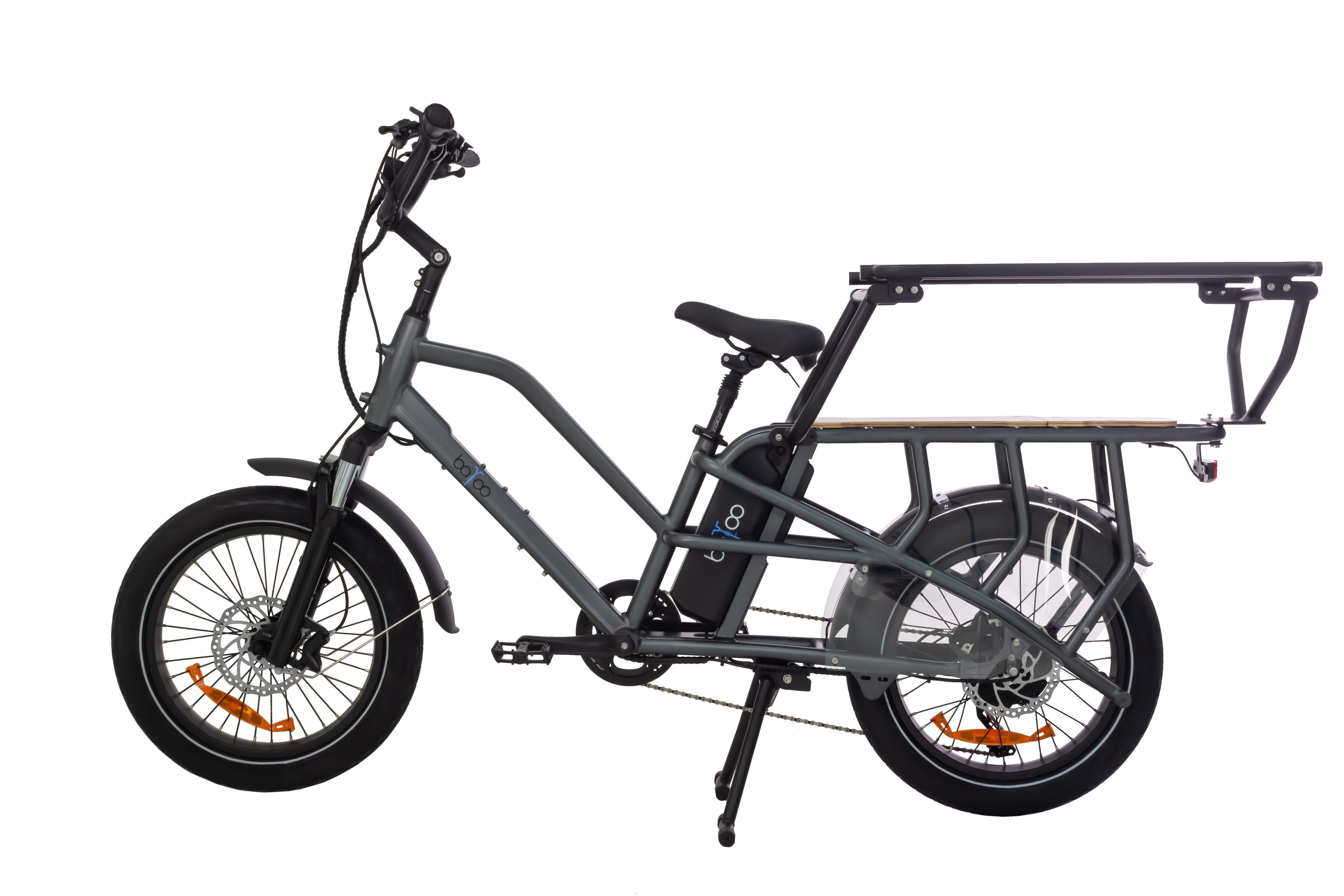
The Colibri V2.0 can be interesting for certain light to medium professional uses, notably due to its compact size, removable battery, announced range of up to 120 km, GPS and anti-theft/geofencing functions, and stated payload of up to 160 kg. For a local business, a service activity, or local deliveries, this type of format can be simpler to manage than a heavier utility vehicle.
Longtail, Biporteur (two-wheeled cargo bike) or Triporteur (three-wheeled cargo bike) for Professional Use?

Not all cargo bikes meet the same professional needs.
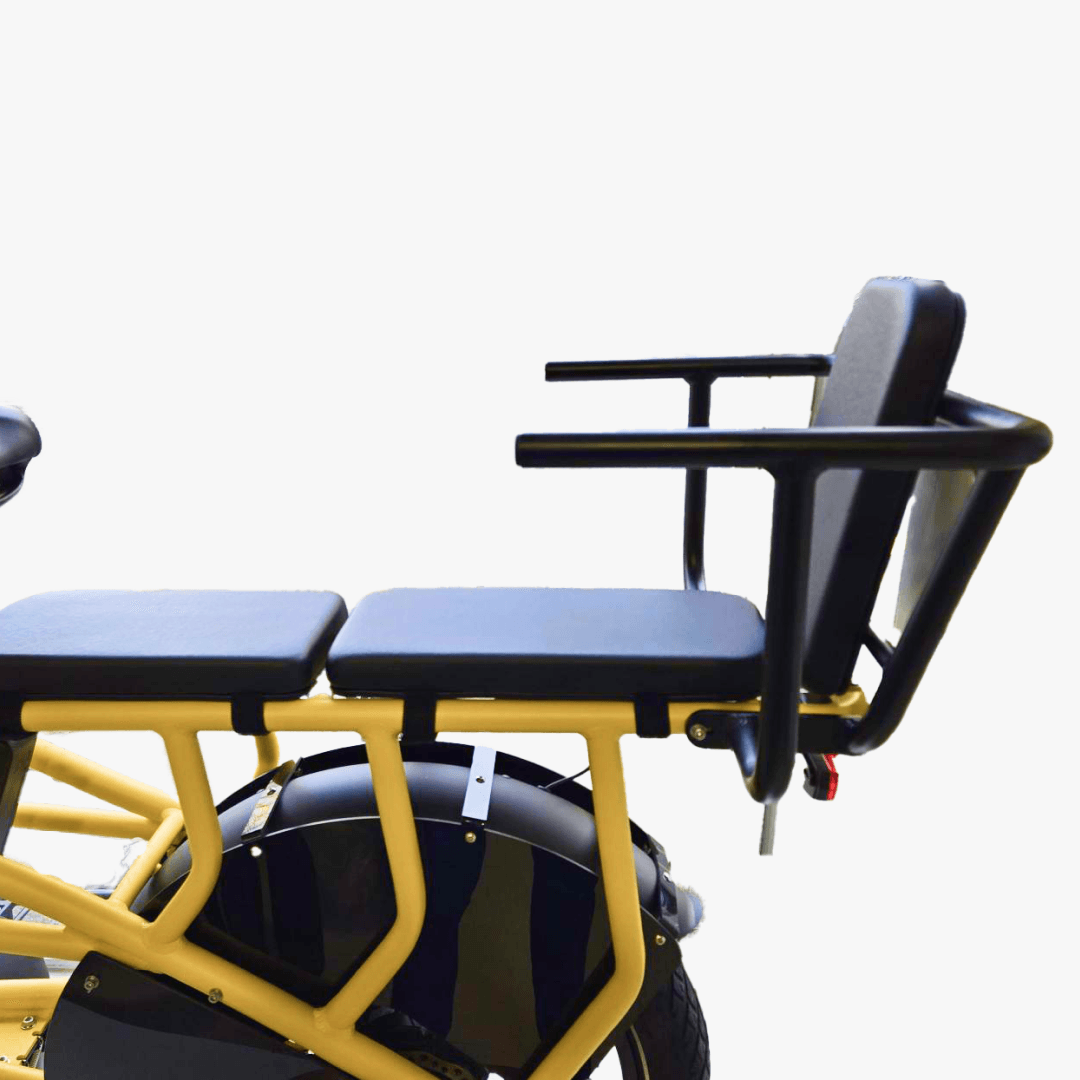
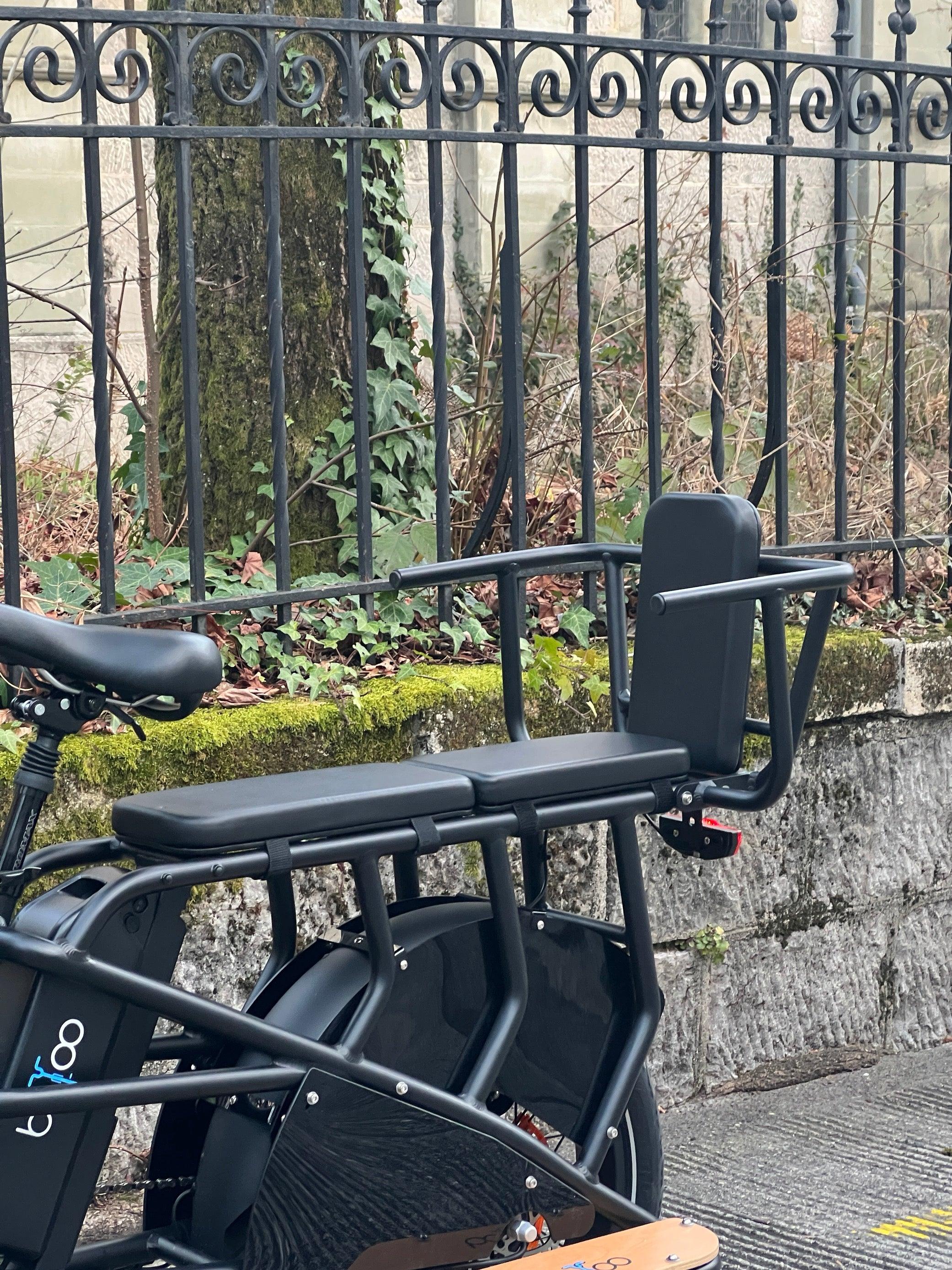
The longtail is practical if you are looking for a more compact bike, similar to a classic bike, with the possibility of adding panniers, crates, or accessories. It is well suited for light travel, urban rounds, and professionals who want to maintain good maneuverability.
The biporteur is more interesting if you transport volume at the front: parcels, crates, flowers, organized material, or bags. It has two wheels but offers real loading capacity.
The triporteur can be useful for larger loads and very stable uses, but it requires more space. In dense cities, it can be less agile and more complicated to park.
To compare formats before choosing, the BatooBike guide longtail, biporteur, triporteur: which to choose according to your real life can also serve as a basis for professionals, even if it primarily discusses daily uses.
Best B2B Uses
The Swiss business cargo bike is particularly relevant in the following uses.
| Trade or Activity | Suitable Use |
|---|---|
| Florist | Local delivery of bouquets and arrangements |
| Bakery / grocery store | Neighborhood orders, baskets, small deliveries |
| Café / light caterer | Short deliveries, nearby events |
| Mobile repair technician | Small tools, parts, quick troubleshooting |
| Locksmith | Urban interventions with compact equipment |
| Photographer | Local travel with protected equipment |
| Concierge service | Small errands, interventions, internal logistics |
| Municipality / association | Light transport, local actions, event material |
| Shop | Customer delivery, nearby supplier pickup |
The cargo bike is often best when it helps streamline activity, not when it tries to replace all vehicles at once.
What ROI for a Small Business?
Return on investment depends on your actual use. It should not be calculated solely on the purchase price. You must also look at savings in fuel, parking, lost time, car maintenance, and sometimes even the possibility of avoiding the purchase of a second vehicle.
The most common gains are:
- lower fuel costs
- lower parking fees
- less time lost searching for a parking spot
- faster travel on certain urban routes
- less dependence on a car or van
- improved local image
- ability to deliver more easily in certain areas
The ROI becomes interesting if the cargo bike is used several times a week, or even every day. Conversely, if the bike mostly stays in the garage, the investment will be harder to justify.
To better understand the purchase cost, the BatooBike guide on the price of an electric cargo bike in Switzerland helps compare budget levels according to formats and uses.
Simple Calculation Example
Imagine a small business that uses a car for 2 to 4 short local trips per day. Each trip seems short, but it adds time, parking, fuel, and wear and tear.
If a cargo bike can replace only some of these trips, the gain can quickly become visible. The most important thing is to measure:
| Element | Question to ask |
|---|---|
| Number of replaceable trips | How many car trips could be done by bike? |
| Average distance | Are the trips within a reasonable radius? |
| Parking time | How many minutes are lost per stop? |
| Load carried | Are the volume and weight compatible? |
| Frequency | Will the bike be used weekly or daily? |
| Client image | Does the bike reinforce your local positioning? |
A cargo bike becomes profitable when it is integrated into the organization, not when it remains a "nice" idea used occasionally.
Are There Aids or Benefits for Professionals?
Yes, but this depends heavily on the canton, municipality, and company profile. It is therefore always necessary to check the official conditions at the time of purchase.
In Geneva, for example, the official page on subsidies for buying a cargo bike indicates aid of up to 10% of the purchase price, with a maximum of CHF 500, particularly for eligible self-employed individuals and SMEs.
In Lausanne, the Equiwatt program also indicates aid for electrically assisted cargo bikes, with specific conditions and a possibility for companies to acquire multiple bikes. Official information should be checked on the Lausanne page dedicated to electric two-wheelers.
BatooBike also offers a guide on cargo bike subsidies in Switzerland, useful for understanding the general logic of aid, concerned municipalities, and points to check before purchase.
For a company, it is also necessary to discuss with their accountant. Depending on the structure, activity, and professional use, the bike can be considered an investment, expense, depreciation, or professional equipment. Tax rules depend on the specific case.
Limits Not to Underestimate
The professional cargo bike is not suitable for all situations. One must be honest about its limitations before integrating it into an activity.
The main limitations are:
- lower load capacity than a van
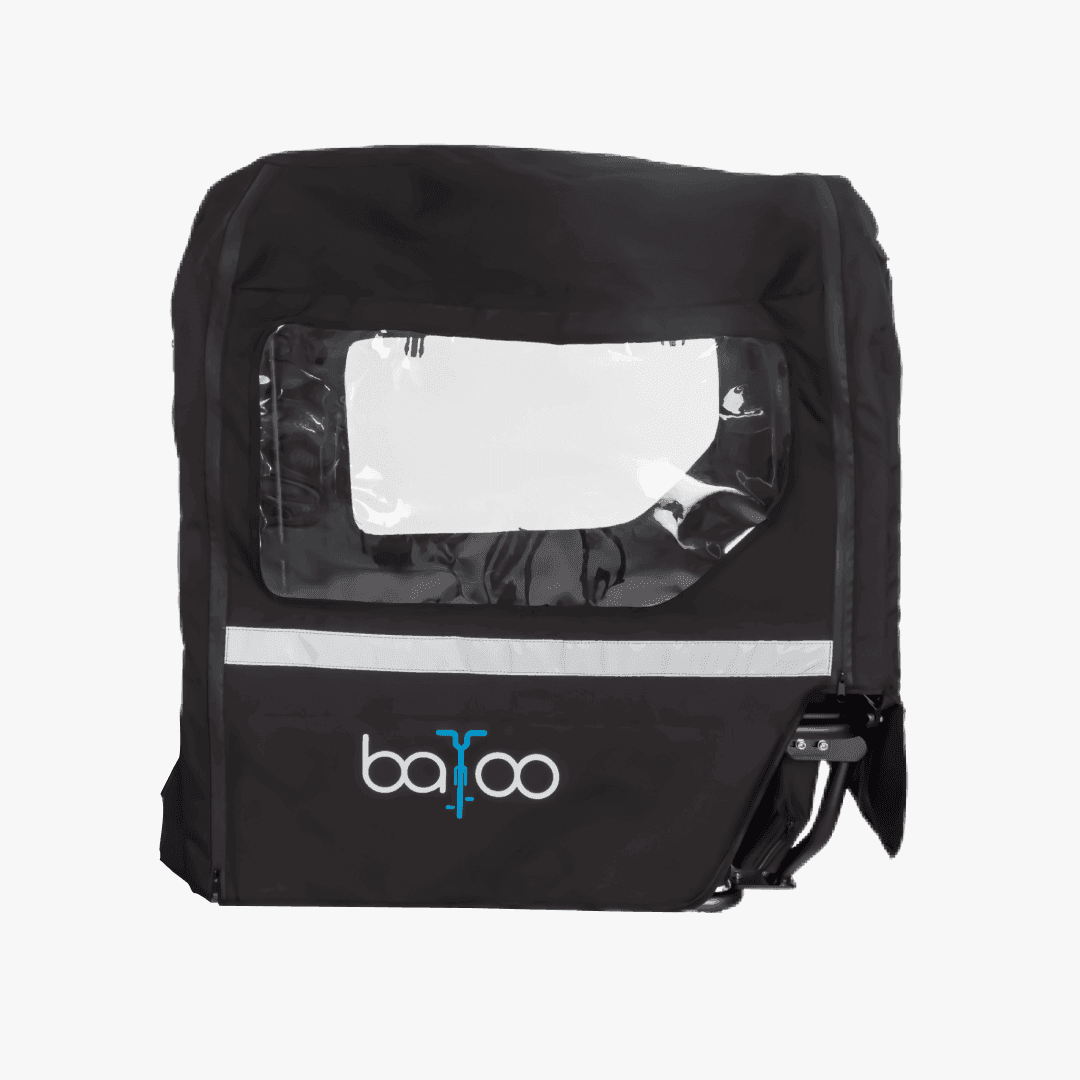
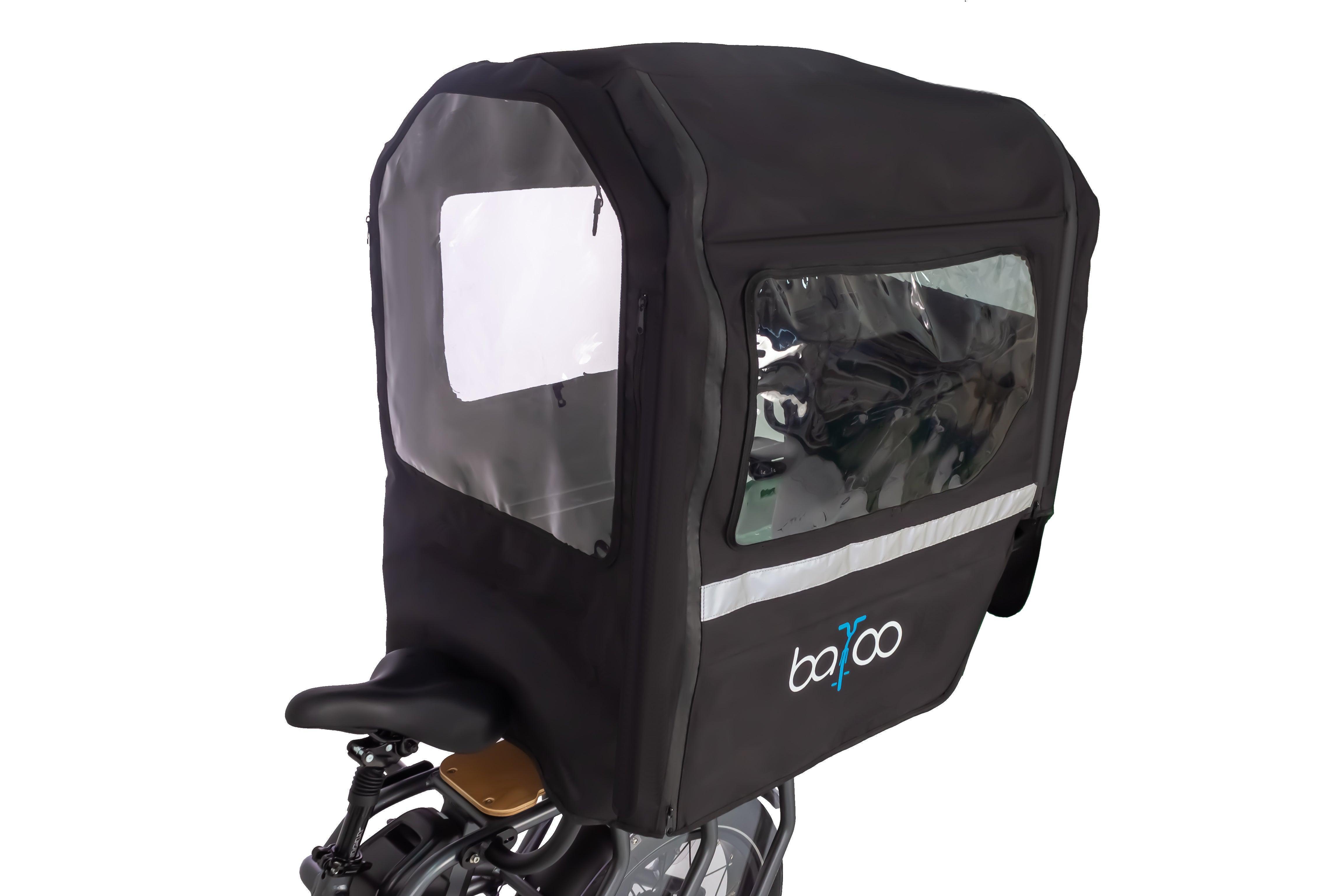
- exposure to rain, cold, and wind
- need for secure parking
- risk of theft if the bike is poorly protected
- need to train users
- limited range of action due to time, terrain, and battery
- different organization for routes
Parking is an important point. A cargo bike takes up more space than a classic bicycle. To avoid unpleasant surprises, the BatooBike guide on where to park a cargo bike in the city can help anticipate space in the premises, garage, street, or courtyard.
Security against theft must also be considered from the outset. For professional use, a good anti-theft device, a fixed point, and sometimes a tracker are essential. The BatooBike guide on which anti-theft device to choose for an electric bike or a cargo bike complements this topic very well.
How to Integrate it into a Small Business?
The best approach is to start with a testing phase. Before deciding that the cargo bike should replace a car, you need to identify the simplest trips to transfer.
Start by:
- noting professional trips over a week
- identifying trips less than 5 to 8 km
- identifying the loads actually transported
- calculating time lost in parking
- checking parking possibilities at the start and end points
- testing the bike with the actual load
- to train the people who will be using it
A test ride is particularly important for professional use. The handling with weight, braking, access to the cargo area, stability, and storage vary greatly from one model to another. You can book a test ride via the free electric cargo bike test ride at Batoo page or via the book a BatooBike test ride page.
Professional Pre-Purchase Checklist
Before purchasing a cargo bike for a business, you need to answer these questions:
| Question | Why it's important |
|---|---|
| Which trips do you want to replace? | Avoids buying for vague use |
| What load do you really transport? | Determines format and payload |
| How many kilometers per day? | Influences battery and range |
| Where will the bike be parked? | Conditions security and practicality |
| Who will use it? | Sometimes requires internal training |
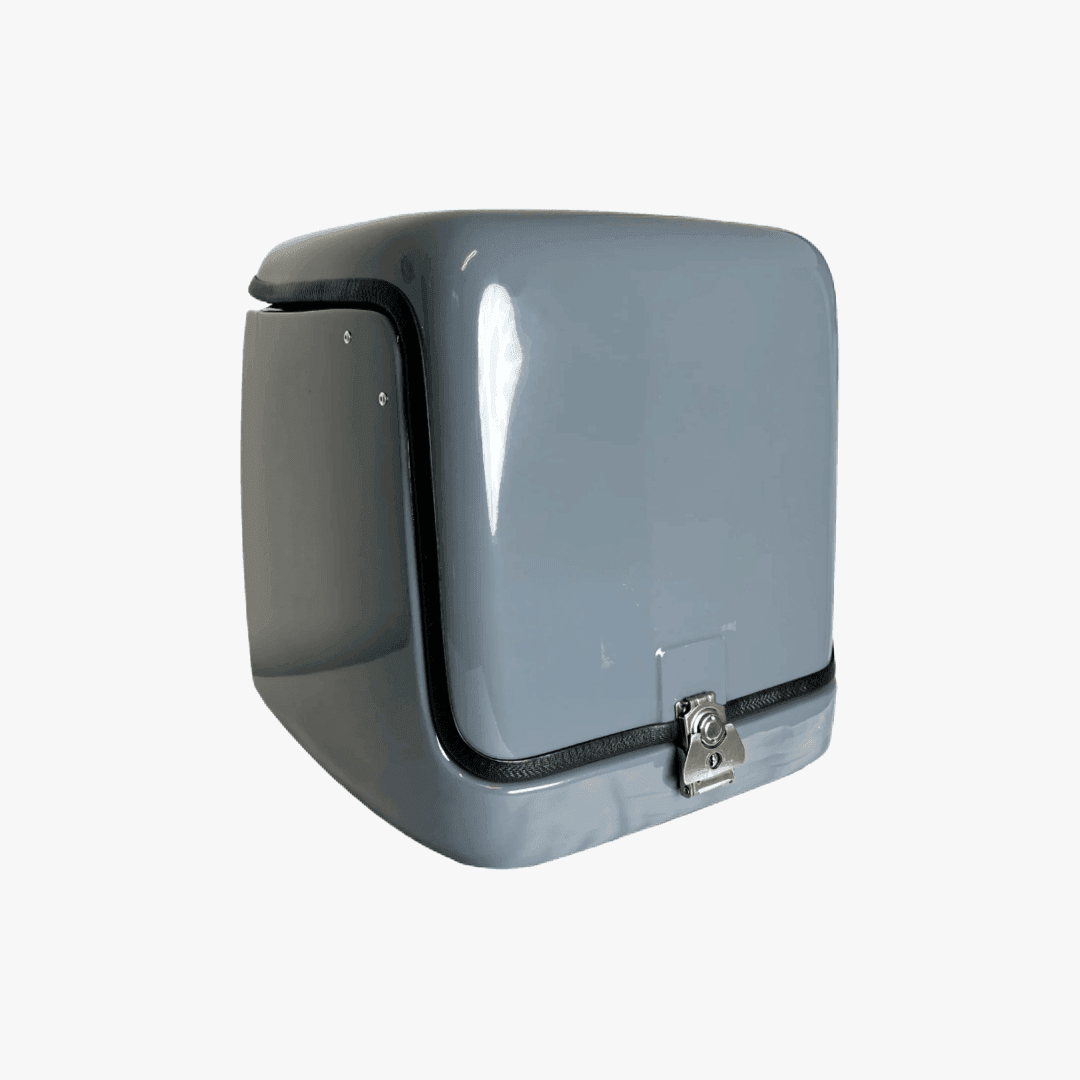
| Is a closed box necessary? | Important for equipment, rain, and theft |
| Is there a local subsidy? | Can improve ROI |
| Is brand image important? | The bike can become visible in the city |
| Will the bike be used often? | Main condition for profitability |
The right choice isn't necessarily the largest cargo bike. It's the one that matches your radius of action, your actual loads, and your daily organization.
Decision-Making Aid Table
| Your situation | Is a cargo bike relevant? |
|---|---|
| Regular local deliveries | Yes, very relevant |
| Light interventions in the city | Yes |
| Short trips between shop, workshop, and customers | Yes |
| Difficult car parking | Yes, strong advantage |
| Heavy loads every day | To be checked carefully |
| Long trips out of town | Not a priority |
| Need for a large mobile stock | Van often necessary |
| Occasional use only | Lower ROI |
| Company with a sustainable local image | Very interesting |
| Mixed activity with existing car | Very good complement |
The right choice isn't necessarily the largest cargo bike. It's the one that matches your radius of action, your actual loads, and your daily organization.
Conclusion
A cargo bike for artisans and small businesses truly works when it replaces short, frequent, local, and arduous car journeys. It is particularly relevant for local businesses, urban services, small deliveries, quick interventions, and companies that want to save time in the city.
It doesn't always replace a van, but it can replace some van trips. And that's often where the gain is most concrete: less parking, less fuel, more flexibility, a better local image, and a lighter organization.
The right decision therefore involves starting from your field reality: your distances, your loads, your customers, your premises, your weather, and your frequency of use. If several repetitive journeys can be made by cargo bike each week, then the investment clearly deserves to be studied. To compare models, starting with the Colibri V2.0, exploring solutions on BatooBike, and booking a real test ride with your workload are the best next steps.
Final FAQ
Which businesses can truly use a cargo bike?
The most concerned businesses are local shops, artisans with small tools, light repair services, florists, light caterers, grocery stores, couriers, associations, municipalities, and concierge services. The cargo bike works best for local, frequent trips with a reasonable load.
What payload should be planned for?
You should start from your actual daily load, not the theoretical maximum. List your tools, packages, boxes, or bags, then estimate their average weight. For professional use, it's better to keep a margin and strictly adhere to the limits indicated by the manufacturer.
Can a cargo bike replace a van for certain trips?
Yes, especially for short trips, local deliveries, quick interventions, and commutes where the van runs almost empty. It doesn't replace a van for large construction sites or very heavy loads, but it can significantly reduce its use in the city.
What ROI for a small business?
The ROI depends on the frequency of use. It becomes interesting if the bike replaces several car trips each week, reduces parking time, lowers fuel costs, and improves the efficiency of local routes. The more the bike is used, the more justified the investment.
Are there any aids or benefits for professionals?
Yes, some local or cantonal aids may concern self-employed individuals, SMEs, or businesses, depending on the conditions. Geneva and Lausanne, for example, offer schemes to check before purchasing. For tax or accounting aspects, it's best to validate with your fiduciary based on actual professional use.