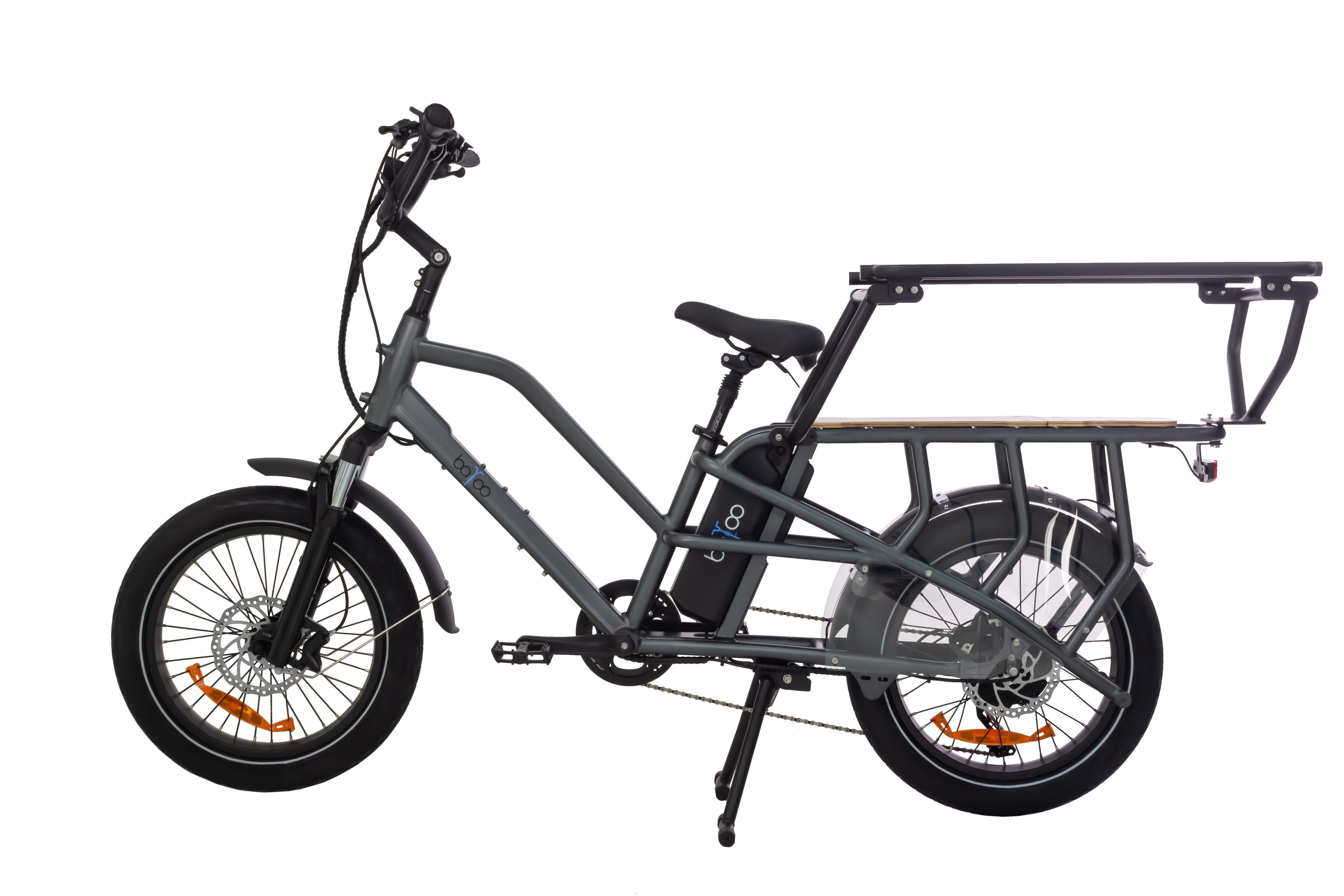
Riding a speed bike in winter is entirely possible. Many commuters do it every day in Switzerland, even when it's cold, wet, or dark in the morning. But let's be honest: winter really changes the conditions. The road offers less grip, visibility decreases, braking distances increase, and the battery range can be reduced.
The right approach, therefore, is not to automatically put your speed bike away in November. Instead, it's about adapting your equipment, riding style, tires, battery routine, and maintenance. A speed bike remains an excellent means of transport in winter, provided you don't ride it the same way you would in summer.
To lay the groundwork, the BatooBike guide on the essential equipment for riding a speed bike all year round is a good starting point. It helps distinguish what is mandatory, what truly improves safety, and what makes journeys more comfortable when it's raining, dark, or cold.
What winter really changes
In winter, the problem isn't just the temperature. It's the accumulation of small factors that make the journey more demanding: wet roads, leaves, gravel, reduced visibility, cold wind, light rain, less reactive hands, thicker clothing, and reduced battery performance.
On a speed bike, these elements matter even more than on a conventional bicycle. At 45 km/h, you need to anticipate more. Braking must be more progressive, turns should be smoother, and sudden swerves must be avoided.
In Switzerland, a speed bike is a fast electric bicycle subject to specific requirements: helmet, yellow license plate, speedometer, appropriate license, and insurance. The official ASTRA rules on fast electric bikes clearly outline this framework. In winter, simply complying with these obligations is not enough. You also need to adopt a true preventive riding approach.
Can you ride a speed bike in winter?
Yes, you can ride a speed bike in winter. But you need to adjust your expectations. Some days, you'll ride almost normally. On other days, especially with rain, ice, slush, or strong winds, you'll need to slow down, choose a different route, or temporarily give up.
The good reflex is to consider winter as a season that demands more margin. More margin for braking. More margin for turning. More margin for the battery. More margin to arrive on time.
A speed bike is very relevant in winter if:
- your commute is regular and well-known
- you can avoid very slippery roads
- you have good lighting
- your tires are in good condition
- you know where to charge or store the battery
- you accept riding slower when conditions deteriorate
The real goal isn't to prove that you can ride at 45 km/h all year round. The real goal is to continue moving efficiently, without putting yourself in a difficult situation.
Which tires to choose for winter?

Tires are one of the most important aspects for a speed bike in winter. A good motor and battery do not compensate for worn, overly smooth, or poorly adapted tires on wet roads.
For winter, three things need to be checked: the condition of the tire, its tread, and its grip on wet roads. Tires must have a clearly defined tread pattern, no cracks, no cuts, and appropriate pressure. The TCS notably recommends checking the condition of tires and their tread, especially when conditions become cold or wet.
For a speed bike, avoid overly sporty tires if you ride every day in the rain. A very fast-rolling tire can be pleasant on dry roads, but less reassuring when it's cold or wet. Conversely, a more secure tire, with good grip and reinforced protection, may be more relevant for commuter use.
Here's a simple guide:
| Situation | Recommended tire type |
|---|---|
| Wet urban commute | Reinforced tire with good wet tread |
| Fast suburban commute | Stable, rolling, but secure tire |
| Often dirty or gravelly roads | More robust tire with good puncture protection |
| Frequent risk of ice or snow | Maximum caution, adapted route, or even break depending on conditions |
| Year-round use | Quality versatile tire, regularly checked |
Pressure also matters. An over-inflated tire can lose comfort and grip on cold or wet roads. You should stick to the manufacturer's recommendations, but don't neglect this adjustment. In winter, a few minutes of checking can really make a difference in terms of safety.
How to manage the battery in cold weather?
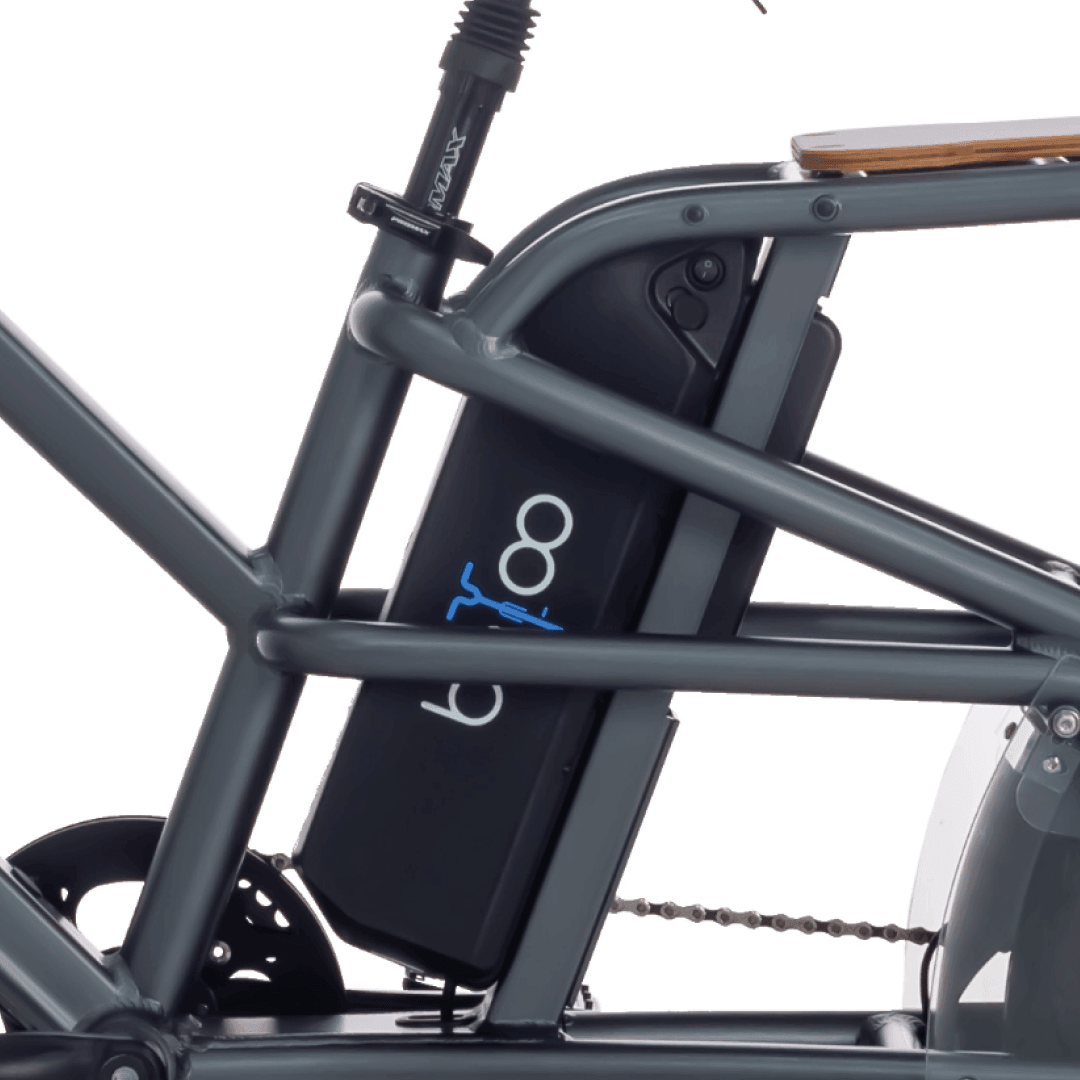
The battery is often the number one surprise in winter. It doesn't disappear overnight, but its actual range can decrease in cold weather. Bosch explains that eBike batteries can see their capacity reduced in freezing temperatures and recommends charging and storing them at room temperature before putting them back on the bike.
In practice, this means one simple thing: if your speed bike sleeps in a very cold garage, an unheated cellar, or outdoors, the battery will be less comfortable than a battery kept indoors. For daily use, it is therefore better to remove the battery when possible, store it in a temperate place, and then put it back just before leaving.
Good battery habits in winter:
- charge the battery in a temperate place
- avoid leaving it outside for long periods in very cold weather
- start with more range margin than in summer
- avoid excessively deep discharges
- put the battery back on the bike shortly before departure
- check that it is properly engaged before riding
To better understand this topic, the BatooBike guide on the daily range of a speed bike is very useful, as it explains why cold, wind, terrain, transported weight, and assistance level can all influence actual range.
Battery and speed: keep a margin
In winter, you should avoid calculating your journey down to the kilometer. A battery that is more than sufficient in September may become just enough in January if you ride in the cold, with heavier clothes, a headwind, and higher assistance.
On a speed bike, this margin is even more important because fast assistance consumes more. The faster you ride, the more air resistance increases, and the harder the battery works. If your journey is long, cold, and hilly, it's better to plan for plenty of margin.
Here is a simple logic:
| Winter use | Recommended margin |
|---|---|
| Short urban journey | Sufficient battery with comfortable reserve |
| Average commuter journey | Do not leave with too low a battery |
| Long daily journey | Plan for recharging or a generous battery |
| Hills + cold + wind | Maintain a significant margin |
| Outdoor parking | Protect or bring the battery inside if possible |
The BatooBike guide on the speed bike battery and motor complements this point well, especially if you are hesitating between a single battery, a large capacity, or a configuration more oriented towards long distances.
What clothes are truly useful?
In winter, the classic mistake is to overdress at the start, then sweat after ten minutes. Then, the cold returns as soon as you slow down or stop. It's better to think in breathable layers rather than just one thick jacket.
For riding a speed bike in winter, the most useful clothes are often:
- a breathable base layer
- a warm but not too thick mid-layer
- a windproof and waterproof jacket
- gloves truly adapted to the cold
- a neck warmer or buff
- warm socks
- overshoes if the journey is long or very wet
- visible reflective elements
Hands and feet are often the first to suffer. On a speed bike, the wind chill is stronger than on a classic bike. A comfortable temperature when walking can become very cold at 35 or 40 km/h. Too thin gloves can make braking less precise, which becomes a real safety issue.
You also need to think about visibility. A dark jacket in the rain, in morning traffic, is not ideal. In winter, being seen early is almost as important as seeing the road.
Riding in the rain or on wet roads
Rain requires a gentler riding style. This is even truer on a speed bike, where the average speed can be high. On wet roads, you need to brake earlier, avoid sudden changes, and maintain more distance from cars, other bikes, and obstacles.
Areas to pay particular attention to:
- white lines and road markings
- metal plates
- tram tracks
- dead leaves
- wet cobblestones
- gravel at the side of the road
- puddles hiding potholes
The BatooBike guide on electric bikes in the rain highlights an important idea: riding in the rain is not the problem itself. The real issue is anticipation, braking, visibility, and maintenance after the ride.
On a speed bike, the rule is simple: when the road is wet, you must accept riding slower. Maximum speed is not an objective. It is a capacity available when conditions allow.
Braking and defensive riding
In winter, braking must become more progressive. Avoid late or brutal braking. Even with good disc brakes, grip always depends on the contact between the tire and the road.
With a speed bike, it is advisable to:
- look further ahead
- slow down before turns
- avoid overly sharp angles
- keep both hands ready
- brake earlier than in summer
- do not tailgate vehicles
- anticipate opening car doors and crossings
Defensive driving is not slow driving. It is driving that keeps options open. In winter, this is often what makes the difference between a smooth journey and an unpleasant surprise.
Speed bike maintenance in winter
Winter accelerates wear and tear. Water, salt, mud, gravel, and cold put more strain on the drivetrain, brakes, tires, and electrical connections. A speed bike used daily in winter must therefore be checked more regularly than a leisure bike.
After a wet ride, it is useful to quickly dry exposed areas, especially around the drivetrain, brakes, screen, and visible connections. Avoid aggressive high-pressure washing, which can force water into sensitive areas.
Winter maintenance checklist:
| Item | To check |
|---|---|
| Tires | Wear, pressure, cuts, grip |
| Brakes | Power, noise, pad wear |
| Chain | Lubrication, dirt, corrosion |
| Lighting | Front and rear operation |
| Battery | Charge, storage, proper locking |
| Connections | Moisture, dirt, loose contacts |
| Mudguards | Attachment, actual protection |
| Screws | Noises, vibrations, loose elements |
If you ride almost every day, it's better to plan a workshop check before or during winter. On a speed bike, brakes and tires are not minor details. They are central safety elements.
Accessories that really make a difference in winter
Not all accessories are created equal. Some make the journey more pleasant, while others truly impact your safety.
The most useful are often:
- good mudguards with flaps
- powerful and reliable lighting
- winter gloves
- visible rain jacket
- suitable tires
- waterproof pannier/bag
- well-fitting helmet
- clean and well-adjusted rearview mirror
- cloth to wipe saddle, screen, or contacts
A winter speed bike should be thought of as a daily vehicle. It's not just a fast bike. It's a mobility tool that needs to remain reliable when the weather is bad.
When should you avoid riding?
Even well-equipped, there are days when you need to be cautious. Black ice, packed snow, strong gusts of wind, uncleared roads, or very poor visibility can make the journey too risky.
It's better to give up or adapt your route if:
- the road is icy
- bike paths are not cleared
- freezing rain is forecast
- visibility is very poor
- you don't feel stable
- your tires or brakes are not in good condition
Continuing to ride in winter doesn't mean riding at all costs. It means knowing when to ride, how to ride, and when to choose an alternative.
Summary table
| Topic | Good winter practice |
|---|---|
| Battery | Store and charge at room temperature, keep a margin |
| Tires | Check tread, pressure, and general condition |
| Braking | Anticipate, brake earlier, avoid sudden movements |
| Clothing | Layer up, protect hands and feet |
| Visibility | Lighting, visible clothing, reflective elements |
| Rain | Slow down, avoid slippery markings and metal plates |
| Maintenance | Dry, lubricate, check brakes and transmission |
| Risky routes | Adjust route or forego if ice/snow |
Conclusion
Riding a speed bike in winter is possible, useful, and even very enjoyable when you are well prepared. But winter demands more seriousness than fair weather. You need to think about battery, tires, visibility, clothing, braking, and maintenance as one complete system.
The right approach is simple: keep a margin. Speed margin, braking margin, battery margin, and time margin. A speed bike remains an excellent mobility tool in winter, especially for commuting, but it must be used with a smoother riding style and appropriate equipment.
In summary, the goal is not to ride fast in all circumstances. The goal is to continue riding regularly, comfortably, and safely, even when the weather becomes less straightforward.
FAQ
Can you ride a speed bike in winter?
Yes, it is possible to ride a speed bike in winter, provided you adapt your riding, equipment, and battery management. Above all, you must slow down on wet roads, maintain more distance, and avoid truly dangerous conditions like black ice.
What tires should I choose?
You should prioritize tires in very good condition, with a tread suitable for wet roads, good puncture protection, and reassuring grip. For a speed bike used all year round, overly smooth or overly sporty tires are rarely the most reassuring in winter.
How to manage the battery in cold weather?
It is best to charge and store the battery in a temperate place, then put it back on the bike just before leaving. You should also plan for a greater range than in summer, as cold weather can reduce actual range.
What clothing is useful?
The most useful items are a breathable base layer, a windproof and waterproof jacket, warm gloves, a neck warmer, suitable socks, and reflective elements. Hands, feet, and visibility are the priorities.
What precautions should be taken on wet roads?
You must slow down, brake earlier, avoid sudden movements, maintain more distance, and be wary of road markings, metal plates, fallen leaves, cobblestones, and tram tracks. On wet roads, the maximum speed of the speed bike should never be the goal.