A speed bike used daily doesn't get maintained like a bike taken out on Sundays. It rides faster, brakes harder, covers more miles, and is more exposed to rain, cold, dust, vibrations, and repeated journeys. The result: tires, brakes, transmission, and battery demand more attention.
The good news is that speed bike maintenance doesn't have to be complicated. The main thing is to adopt a simple routine: a few quick checks every week, regular cleaning, special attention to wear parts, and a visit to the workshop as soon as a noise, loss of braking, or unusual behavior appears.
The goal isn't to become a mechanic. The goal is to keep a reliable, safe, and enjoyable bike for daily riding. To discover the BatooBike universe and electric mobility solutions adapted to Switzerland, you can also consult the BatooBike homepage.
Why a speed bike wears out faster
A speed bike assists up to 45 km/h. This changes a lot of things. At higher speeds, braking is more significant, tires work harder, the transmission takes more strain, and the bike quickly accumulates kilometers.
A 20 km daily commute already represents about 100 km per week. Over a month, this can be 400 km or more. Over a year, the mileage becomes very serious. This is precisely why a speed bike must be maintained like a real daily vehicle.
The most stressed parts are generally:
- tires
- brake pads
- discs
- chain or belt
- cassette or sprockets
- cables or hoses
- battery
- connectors
- lighting
To better understand why the battery, motor, and actual use significantly change maintenance, the BatooBike guide on speed bike battery and motor complements this topic well.
How often should a speed bike be maintained?
The frequency depends on your usage. A cyclist who rides 10 km a day on a dry road does not have the same needs as a commuter who rides 40 km a day in the rain with elevation changes.
But for daily use, a simple logic can be applied:
| Frequency | What to check |
|---|---|
| Before or after rides | Braking, visual tire inspection, lighting, unusual noise |
| Every week | Tire pressure, chain, brakes, visible fasteners |
| Every month | Pad wear, tire condition, drivetrain, battery |
| Every 3 to 6 months | More comprehensive check depending on mileage |
| After winter or repeated heavy rain | Cleaning, drivetrain, brakes, connectors |
| As soon as a doubt arises | Visit to the workshop |
If you ride every day, it's better to check often and quickly rather than waiting for a major breakdown. A small noise dealt with early usually costs less than a completely worn part.
The quick routine before setting off
Before a daily commute, you don't need to spend ten minutes on the bike. A quick check is often enough to avoid unpleasant surprises.
Before you leave, check:
- the brakes respond well
- the tires are not visibly deflated
- the lighting works
- the battery is properly engaged
- no part is moving abnormally
- no unusual noise appears when starting
On a speed bike, braking is a priority. If the lever becomes soft, if the bike brakes less effectively, if a disc rubs abnormally, or if a metallic noise appears, it is better not to ignore the problem.
What to check every week?
Weekly checks are the foundation of good speed bike maintenance. They take little time but greatly improve the bike's reliability.
Here's a simple checklist:
| Item | Weekly check |
|---|---|
| Tires | Pressure, cuts, wear, lodged objects |
| Brakes | Power, noise, lever feel |
| Chain | Cleanliness, lubrication, noise |
| Battery | Charge, lock, clean connectors |
| Lighting | Front light, rear light, reflectors |
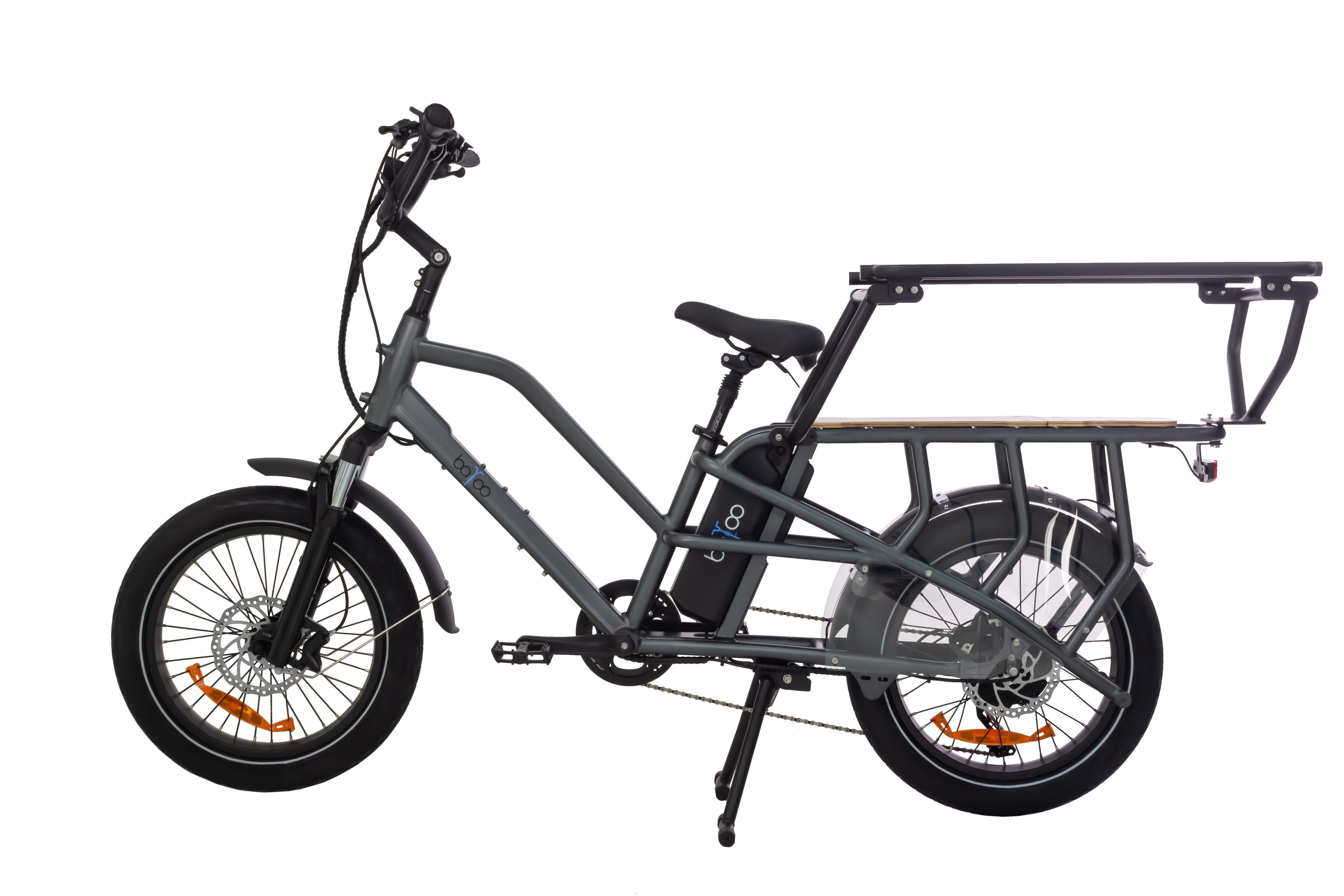
| Visible screws | Luggage rack, mudguards, kickstand, accessories |
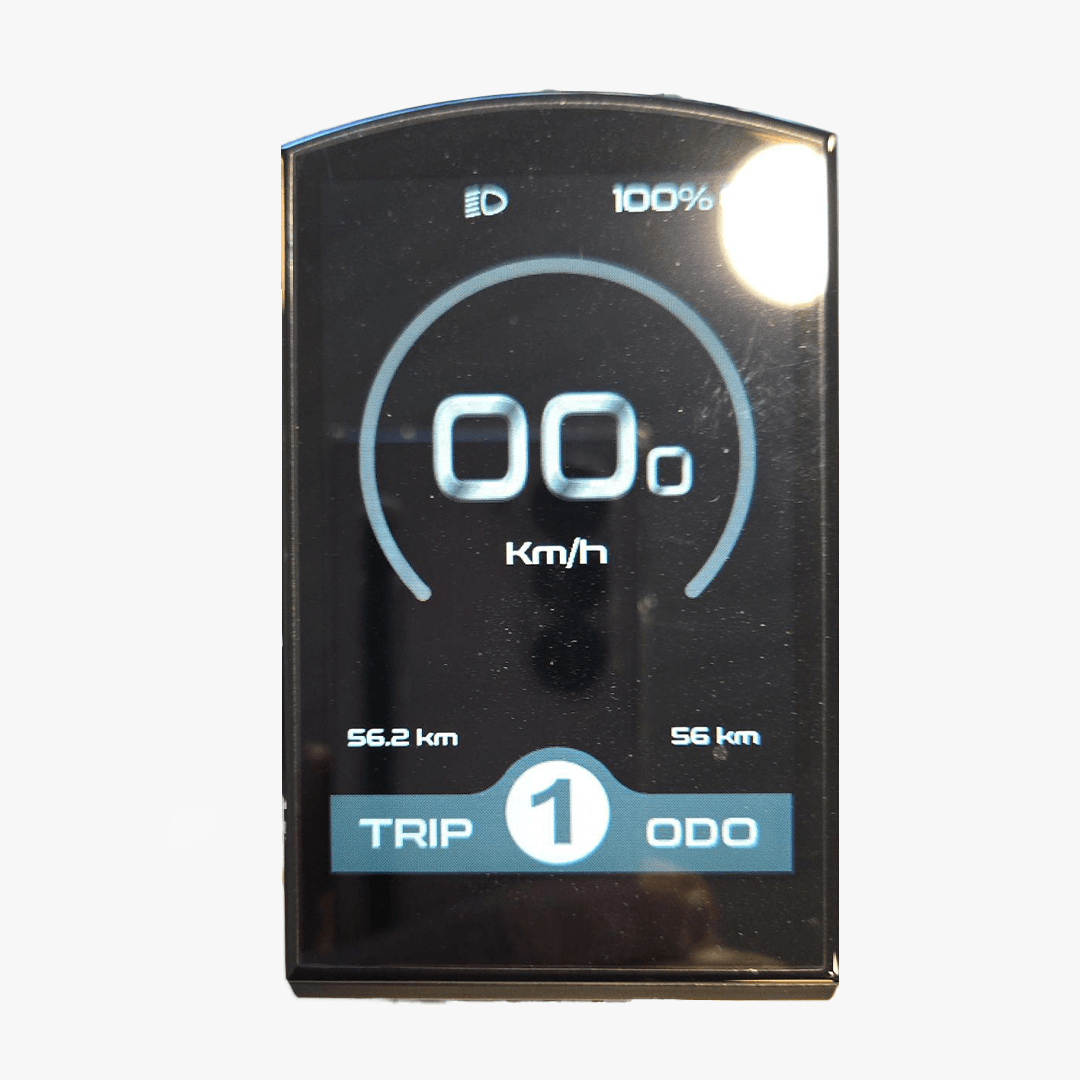
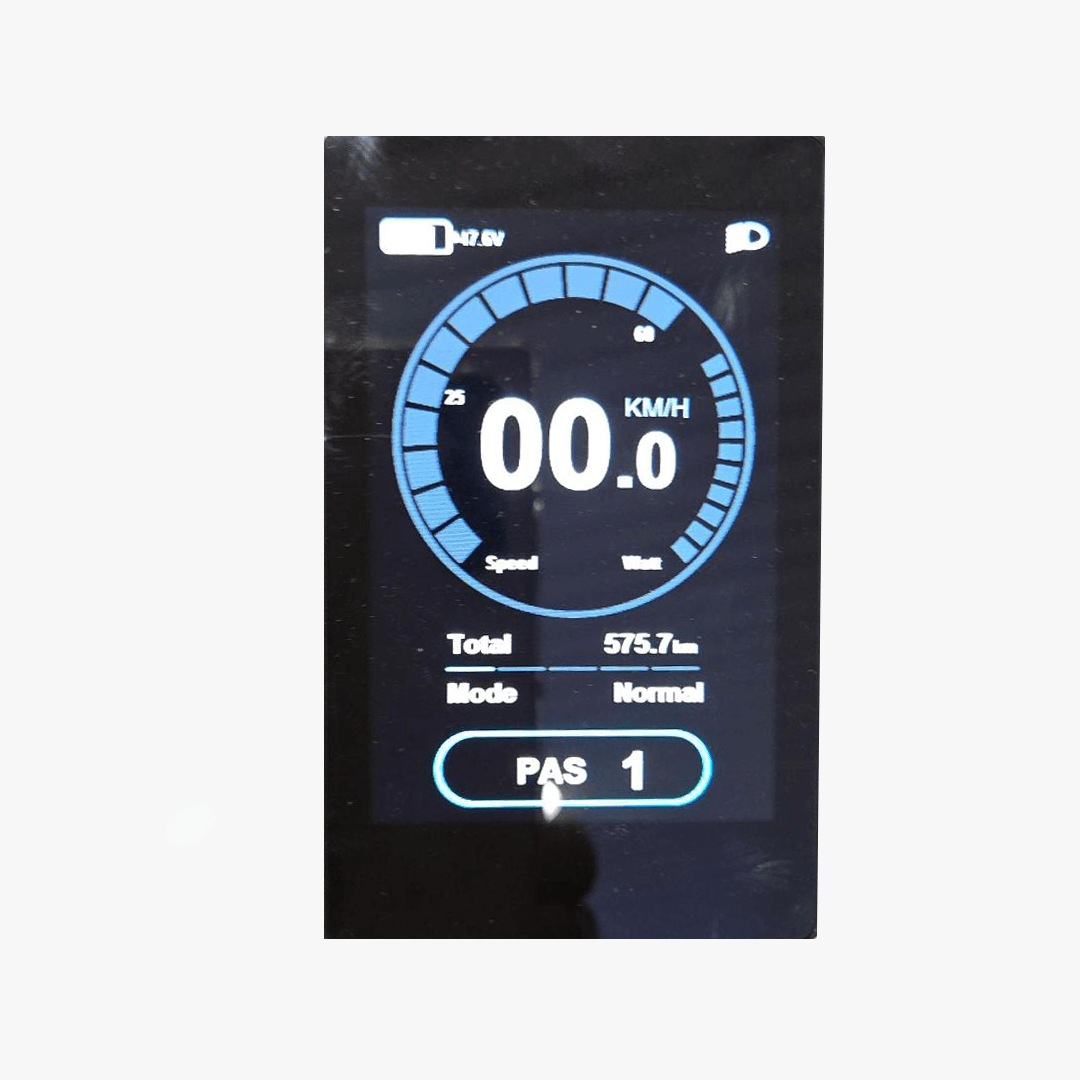
| Screen / control | Display, buttons, normal behavior |
The most often neglected point remains tire pressure. An under-inflated tire wears out faster, consumes more battery, makes the bike less precise, and increases the risk of punctures.
Brakes: the number one point on a speed bike
On a speed bike, the brakes are the most important safety element. At 45 km/h, a small loss of power can have real consequences. Brake pads also wear out faster than on a conventional bicycle, especially if you ride in the city, in the rain, or with a lot of elevation changes.
Signs to watch out for:
- lever becomes too soft
- metallic noise
- less powerful braking
- braking vibrations
- rubbing disc
- very thin pads
- feeling of irregular braking
If braking changes, it needs to be checked quickly. It could be worn pads, a contaminated disc, an adjustment needed, or a bleed required for hydraulic brakes.
For daily use, it's better to replace the pads a little too early than too late. Continuing with very worn pads can damage the discs and increase the bill.
Tires: safety, range, and comfort
Tires impact three things at once: safety, range, and comfort. On a speed bike, they must withstand higher speeds, harder braking, and sometimes wet or damaged roads.
Every week, check:
- the pressure
- the condition of the sidewalls
- cuts
- lodged objects
- tread wear
- grip on wet roads
A worn or too smooth tire becomes much less reassuring in the rain. If you ride all year round, tire choice is as important as the battery or motor. For cold and wet commutes, the BatooBike guide on speed biking in winter provides useful advice on tires, rain, cold, and defensive riding.
Drivetrain: chain, belt, and wear
A speed bike's drivetrain works hard. Every acceleration, every climb, and every burst of speed puts stress on the chain, cassette, or belt, depending on the model. A dirty or poorly lubricated drivetrain wears out faster, makes more noise, and can make pedaling less smooth.
If your speed bike has a chain, the right habits are simple:
- wipe the chain regularly
- lubricate with a suitable product
- remove excess lubricant
- avoid riding for long periods with a dry chain
- check chain stretch at the workshop
- replace before damaging the cassette and chainrings
If your bike uses a belt, maintenance is generally lighter, but it shouldn't be forgotten. You need to check the tension, alignment, condition of the teeth, and any unusual noises.
A well-maintained drivetrain extends the bike's lifespan and also improves range, as less friction means less wasted energy.
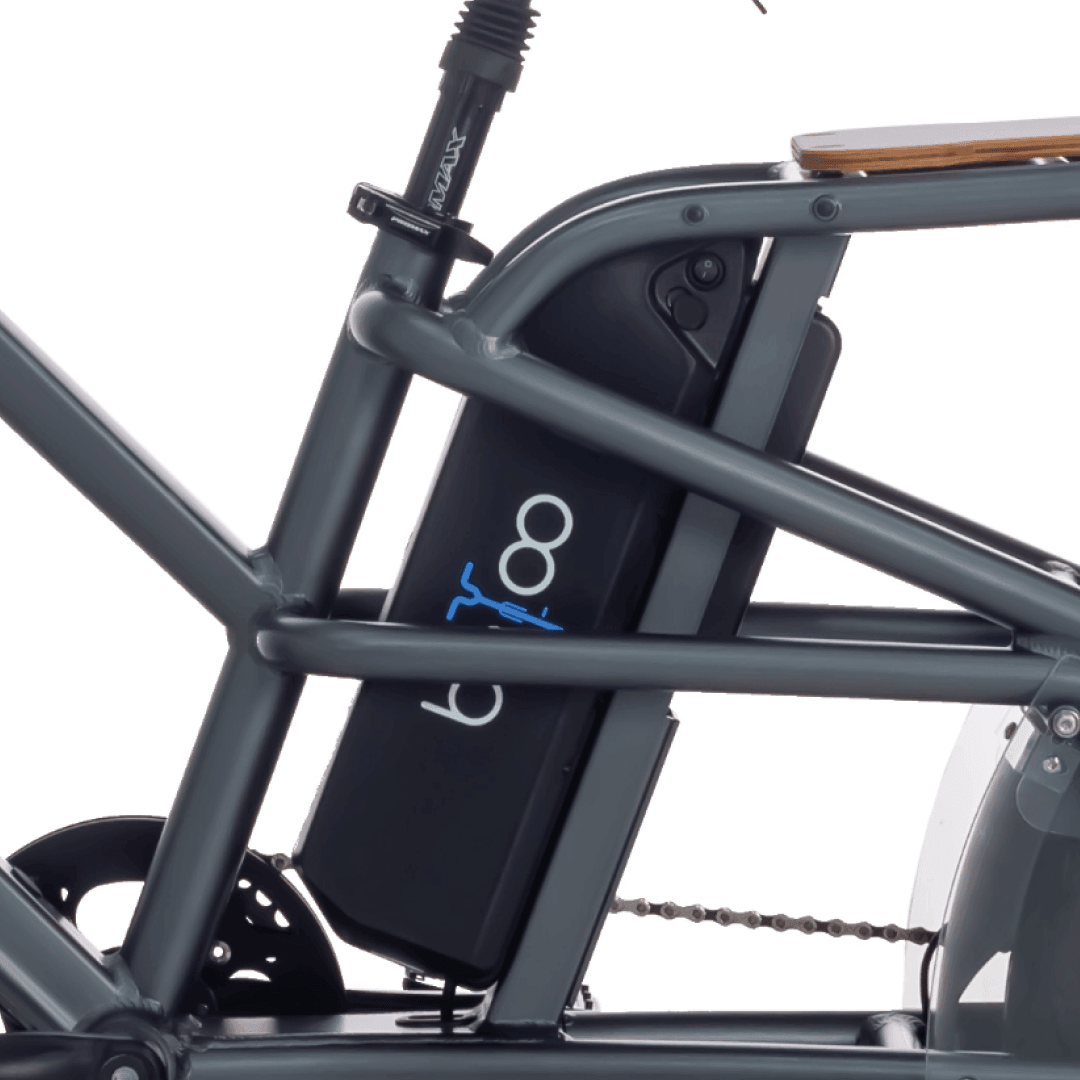
Battery and connectors: good practices
The battery is one of the most expensive components of the bike. It therefore deserves real attention, especially if you ride every day.
The good practices are:
- avoid leaving the battery completely empty for a long time
- avoid storing it at 100% for a long time if you are not riding
- charge it in a dry and temperate place
- avoid shocks
- check that it is properly locked before setting off
- keep the connectors clean and dry
- avoid aggressive cleaning around electrical areas
If your battery is removable, remove it when the bike is stored for a long time in a very cold or exposed place. If it has been impacted, heats up abnormally, discharges too quickly, or displays strange behavior, it is better to seek professional advice.
For good charging habits at home or in the office, you can consult the BatooBike guide on charging your electric bike at the office or in an apartment.
Cleaning: simple, but regular
A daily speed bike doesn't need to be shiny every day. But it must remain clean in important areas: drivetrain, brakes, tires, frame around the connectors, mudguards, and exposed areas.
After rain, quickly wipe down the bike if possible. After a ride with salt, mud, or dust, clean it more thoroughly. The goal is to prevent dirt from accumulating on wear parts.
To do:
- use a damp cloth
- gently clean the drivetrain
- dry sensitive areas
- lubricate the chain after cleaning if necessary
- check the brakes after washing
- avoid aggressive products
To avoid:
- high-pressure jet on motor, battery, or connectors
- lubricant on brake discs
- too aggressive degreaser near seals
- leaving the bike wet in a closed room for a long time
Gentle and regular cleaning is often more effective than a big, aggressive wash once every two months.
When to go to the workshop?
Even with a good routine, some checks must be done by a professional. This is even more true for a speed bike, because speed, weight, and constraints make the bike more demanding.
Go to the workshop if:
- braking changes
- pads seem very worn
- the chain skips
- the drivetrain creaks
- the motor displays an error
- the battery behaves abnormally
- a wheel has play
- the bike pulls to one side
- a new noise appears
- you have fallen or taken a big hit
- you ride a lot and haven't had a service for several months
To find a partner or service point, the BatooBike page find a store or service near you is useful, especially for repairs, after-sales service, and original parts.
Which parts wear out fastest?
On a speed bike used daily, the most common wear parts are the tires, brake pads, chain, and sometimes the cassette. Wear depends on your weight, terrain, weather, riding style, and the load carried.
| Part | Why it wears out |
|---|---|
| Brake pads | High speed, frequent braking, rain |
| Tires | Mileage, weight, pressure, wet road |
| Chain | Accelerations, dirt, lack of lubrication |
| Cassette / sprockets | Worn chain, high stress |
| Discs | Worn pads or contamination |
| Battery | Charge cycles, temperature, storage |
| Bearings | Rain, load, vibrations |
| Mudguards / kickstand | Daily use, vibrations, parking |
For small parts and daily accessories, the BatooBike spare parts collection can help identify useful items depending on your bike and usage.
Maintenance in rain and winter
Rain and winter accelerate maintenance. Water, salt, mud, and cold can stress the drivetrain, brakes, tires, and connectors. If you ride all year round, your routine needs to be a bit stricter.
After a very wet ride:
- wipe the bike
- check the brakes
- dry visible electrical areas
- clean the chain
- lubricate if necessary
- check the tires
- let it dry in a ventilated area
If you often ride in winter, you also need to allow more margin for the battery. Cold can reduce actual range, especially on a long journey with high assistance.
To complete this topic, you can reread the BatooBike guide on electric bikes in the rain, which explains good safety, braking, and maintenance practices when conditions become wet.
How to extend the bike's lifespan?
Extending the lifespan of a speed bike is based on a simple idea: don't wait for problems to become visible. A regularly maintained bike often costs less than a bike repaired late.
The best practices:
- keep tires at the correct pressure
- clean and lubricate the drivetrain
- replace pads in time
- avoid unnecessary sudden braking
- store the battery correctly
- avoid high-pressure jets
- have the bike checked after an impact
- listen for unusual noises
- have regular servicing based on mileage
- use compatible parts
The BatooBike guide on the lifespan of an electric bike complements this section well, especially for understanding the role of the battery, motor, and maintenance habits.
What if you're still hesitating before buying?
Maintenance is part of choosing a bike. A faster, heavier, or more powerful speed bike may require more rigorous maintenance than a 25 km/h e-bike. You should therefore choose based on your actual distance, your budget, your ability to maintain the bike, and your access to a workshop.
If your use is primarily urban, family, or daily with fewer speed constraints, a compact and well-equipped electric bike can sometimes be easier to live with than a speed bike. The Colibri V2.0, for example, features an integrated battery, an advertised range of up to 120 km, integrated GPS, usage statistics, and anti-theft/geofencing functions.
To compare uses before deciding, the BatooBike guide speed bike or 25 km/h electric bike helps determine if a speed bike is truly necessary for your commute.
Complete speed bike maintenance checklist
| Frequency | Checklist |
|---|---|
| Before each ride | Brakes, tires, lighting, battery engaged |
| Every week | Tire pressure, chain, noise, visible tightenings |
| Every month | Brake pads, tires, drivetrain, connectors |
| After heavy rain | Drying, chain cleaning, brake check |
| Before winter | Tires, battery, lighting, mudguards |
| After a fall or impact | Workshop inspection |
| Every few months for intensive use | Professional overhaul |
| As soon as a doubt arises | Workshop diagnosis |
Conclusion
Maintaining a speed bike properly when riding every day is not complicated. The key is to be consistent. Tires, brakes, drivetrain, battery, and connectors need to be monitored more often than on an occasional bike, because a speed bike goes fast and quickly accumulates mileage.
The best strategy is simple: quick weekly checks, cleaning after bad conditions, replacing wear parts before they damage other components, and going to a workshop as soon as a noise or sensation changes.
A well-maintained speed bike remains safer, more comfortable, and more economical in the long run. And if you want to ride every day with less stress, start by building a simple maintenance routine, then rely on a reliable workshop for more technical checks.
Final FAQ
How often should a speed bike be maintained?
For daily use, a quick check should be performed weekly, and more comprehensive checks should be scheduled based on mileage. If you ride a lot, a workshop visit every few months may be relevant, especially for brakes, tires, and drivetrain.
Which parts wear out fastest?
Brake pads, tires, chain, and drivetrain are generally the fastest-wearing parts. On a speed bike, wear can be faster than on a 25 km/h e-bike, as speed, braking, and mileage are higher.
What to check every week?
Every week, check tire pressure, braking power, chain condition, lighting, battery, unusual noises, and visible tightening of accessories. This simple routine prevents many breakdowns.
When to go to a workshop?
You should go to a workshop if braking changes, the drivetrain skips, an unusual noise appears, the battery behaves strangely, after an impact, or if you ride a lot without a recent overhaul. On a speed bike, it's better to check early than repair late.
How to extend the life of the bike?
Keep tires well-inflated, clean and lubricate the drivetrain, replace pads on time, protect the battery from extreme cold, avoid high-pressure washing, and perform regular overhauls. A simple routine significantly extends the life of the bike.