It's a topic that systematically comes up whenever maintenance is discussed: the electric bike battery price can be surprising, because a battery is a technical, secure, and expensive component to manufacture. And in 2026, with increasingly "connected" bikes and rising capacities, the gap between an entry-level battery and a premium battery becomes very visible.
In this article, we help you understand the price of an electric bike battery, what makes it vary, and how to avoid unpleasant surprises (compatibility, charger, safety), all while maintaining a simple and concrete approach.
What is the price of an electric bike battery in 2026?
Rather than giving "a single price," the most useful approach is to consider capacity (Wh) and range.
On a price comparison website that includes common references (Bosch, Shimano, Yamaha, etc.), in 2026, batteries are displayed starting at around €269 for certain models and formats, with prices that can exceed €1,000 for recent, high-capacity batteries.
A simple way to navigate this:
-
Entry-level (small capacity / simple format): often the cheapest entry point, but not necessarily the best deal if the range is too low or compatibility is uncertain.
-
Mid-range (around 500–630 Wh): the "standard" zone for many daily uses, with a good balance of range/price.
-
High-end (750–800 Wh and above, recent systems): more expensive, especially when integration, electronics, and "system" compatibility are stricter.
In Switzerland, similar magnitudes are generally found in CHF, with variations related to brands, availability, and services (advice, installation, warranty).
What is the cheapest electric bike battery on the market?
In practice, "the cheapest" often corresponds to one of these situations:
-
a battery of modest capacity (i.e., fewer cells, hence cheaper),
-
an older generation battery (clearance, end-of-series),
-
or a "compatible" battery sold at an aggressive price.
This logic is clearly visible in the 2026 listings: some prices start around €269, but the gap widens very quickly as you go up in Wh, or as you aim for a specific brand/system.
The important point: the cheapest battery is not always the least expensive "in the long run" if you have to replace it sooner, if it significantly reduces range, or if it causes a compatibility issue.
Which brands offer the best value for money?
There is no "magic" brand that wins everywhere, because value for money depends mainly on:
-
the capacity (Wh),
-
compatibility with your motor and frame,
-
the warranty and after-sales service network,
-
and the quality of the charger and onboard electronics (management, protections).
That said, widely available brands (Bosch, Shimano, Yamaha, etc.) are often sought after because they offer a stable ecosystem, available parts, and clearly documented compatibility. They are also massively present in price comparisons.
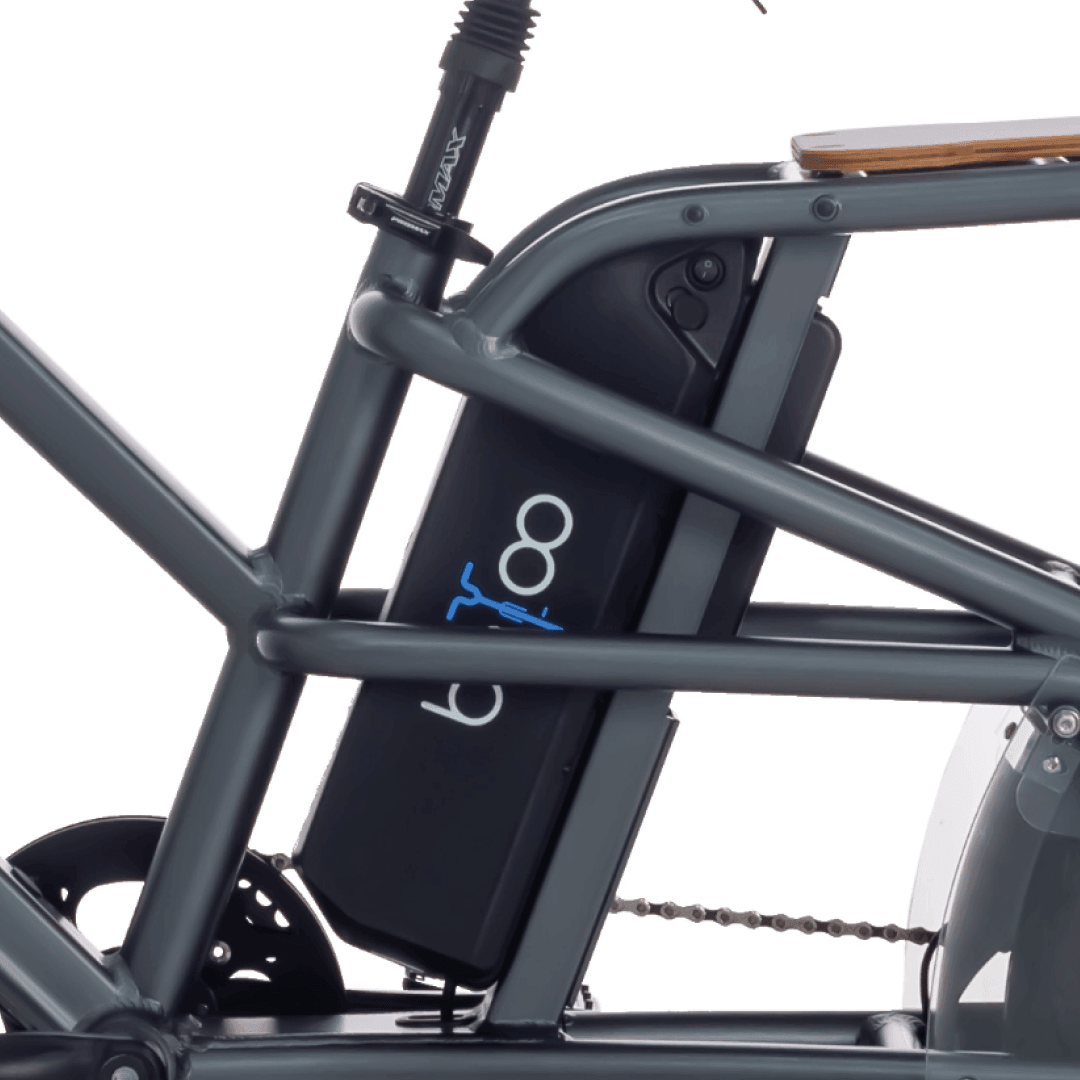
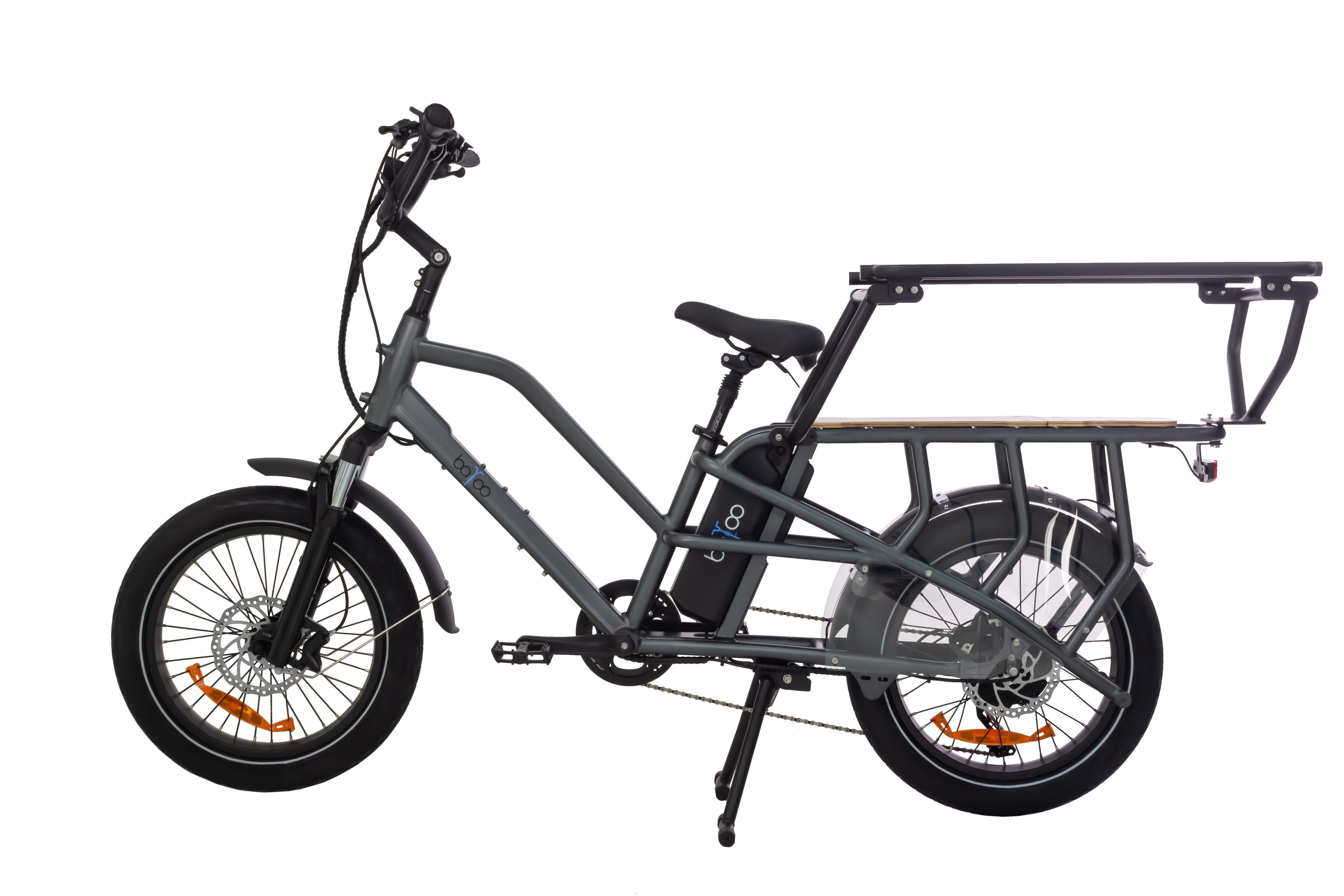
If your main goal is to extend range without changing your bike, a simple approach can be to opt for a second battery/extension solution when it is provided by the manufacturer. For example, at electric bike battery Batoo Bike, the brand emphasizes daily use and accessory solutions for its bikes.
Do high-end batteries offer a longer lifespan that justifies their price?

High-end often justifies its price by:
-
more Wh (thus more range),
-
cleaner integration (frame, connectors),
-
more advanced electronics and protections,
-
sometimes stronger warranty conditions.
But beware: the electric bike battery lifespan depends heavily on habits (temperature, storage, deep discharges, charger, use). A poorly treated premium battery will age quickly, while a well-maintained "standard" battery can last a long time.
Can compatible batteries be found that are cheaper than original batteries?
Yes, "compatible" batteries can be found that are cheaper. But this is also where you need to be most careful, because an ill-suited battery and charger can create a serious risk (overheating, material damage, fire).
Official UK recommendations on e-bike battery safety clearly emphasize that it is better to buy genuine/manufacturer-authorized batteries and chargers, as third-party products can be non-compatible and significantly increase the risk of fire, even if the price is more attractive.
This is particularly true for second-hand items, where a battery may have been damaged or "abused" without it being immediately apparent.
Should an electric bike charger have the same voltage and amperage as the battery?
In real life, remember this: the charger must be designed for your battery (same charging voltage and appropriate charging curve), and ideally be the original one or an explicitly authorized model.
The same GOV.UK guidance recommends only using the charger supplied with the bike, or a manufacturer-authorized replacement, and warns about the high risk in case of battery/charger incompatibility.
"Field" benchmark: a price example from Batoo Bike
If you ride a Colibri and are mainly looking to extend the range, the electric bike battery "Supplementary Battery – the Colibri" is listed at 400 CHF on the product page at the time of consultation.
FAQ
What is the price of an electric bike battery in 2026?
The differences are significant: prices start around €269 for listed references and can exceed €1,000 for very high-capacity and recent batteries.
What is the cheapest electric bike battery on the market?
Generally a low-capacity battery or a "simple"/older generation reference. The lowest price doesn't tell the whole story: check range, compatibility, and safety.
Which brands offer the best value for money in batteries?
Often those that combine clear compatibility, after-sales service availability, and capacities adapted to use. Major e-bike system brands frequently appear in price comparisons.
Do high-end batteries offer a better lifespan that justifies their price?
They often provide more Wh, better integration, and a more robust ecosystem, but longevity primarily depends on usage (temperature, charge, storage).
Can compatible batteries be found that are cheaper than original batteries?
Yes, but caution is advised: safety recommendations suggest prioritizing manufacturer-authorized batteries/chargers, as third-party products can be incompatible and increase the risk of fire.