For a long time, cargo bikes were seen as a niche solution. Today, they are attracting more and more Swiss families looking for a simpler way to manage school, daycare, errands, and sometimes even part of their commute. This trend is not just an impression: PRO VELO Switzerland relays a study by OUVEMA showing that 31.2% of cargo bike users have sold their car, 30.9% have decided not to buy one, and 26% have cancelled their public transport subscription. This clearly shows that it is no longer about occasional use, but about a real everyday family mobility logic.
In Switzerland, the subject is also of interest because the legal framework genuinely allows the transport of children on suitable bikes. The basic rules published by ASTA indicate that it is possible to transport up to four children on specially designed bikes. In other words, the cargo bike is not a clever DIY solution for motivated parents. It is a recognized solution, provided you choose an appropriate model and equip the bike properly.
The real question, therefore, is not whether the cargo bike "works" in theory, but whether it is practical for your family, your journeys, and your city. And the answer is often yes when trips are short to medium, repeated several times a week, and heavily penalized by traffic, parking, or the school-daycare-shopping sequence. To lay a good foundation before buying, a guide to choosing the right electric cargo bike is already a good starting point, especially for comparing capacity, bulk, range, and type of use.
Why this topic is attracting more and more families
What's changing the game isn't just the desire to cycle differently. It's the fact that short daily trips are often the most cumbersome by car: installing children, making two stops, looking for a parking space, taking out bags, leaving, then starting over in the evening. In this type of routine, a cargo bike can reduce a lot of friction, especially in the city or on the immediate outskirts. PRO VELO's report on cargo bikes also shows that many Swiss families adopt them precisely because they replace a significant portion of car journeys.
The Swiss context also favors cargo bikes. ASTA's official recommendations on bicycle parking remind us that many employees drop off their children at daycare or school before work, and therefore suitable spaces must be provided for special bicycles or trailers. This may seem secondary, but it is a very good indicator: if parking needs are integrated into planning recommendations, it is because this use truly exists in everyday life.
Journeys where the cargo bike truly changes lives

The cargo bike is not magical on all routes. However, it becomes very convincing on repetitive short-distance trips. Typically, it makes perfect sense when you have to go to school or daycare in the morning, continue to work, pick up some groceries on the way back, and then return home without multiplying parking stops and maneuvers. In this type of sequence, the gain comes not only from pure speed, but from the fact that everything becomes more fluid. ASTA also notes that special and electric bicycles should be able to benefit from convenient parking near entrances, which shows how much time lost before and after the journey counts in the real experience.
In practice, here are the cases where the cargo bike often becomes very interesting:
| Type of family trip | Relevance of the cargo bike | Why |
|---|---|---|
| Home → school/daycare → home | Very high | Frequent stops, easy loading, no parking to look for |
| Home → school/daycare → work | Very high | Smooth transition on a single vehicle |
| Home → shopping → home | High | Good loading capacity for bags and school bags |
| Long, very hilly journey with several children | Variable | Very good if the motor, battery and bike are well-dimensioned |
| Occasional use, once or twice a month | More debatable | The investment is less easy to make profitable |
What matters most is not so much the raw distance as the frequency. A family that rides 3 to 5 times a week on short but repeated routes can find the cargo bike much more cost-effective and practical than a family that only takes two long outings a month. This is also why comparing it to a trailer remains useful: for very frequent use, BatooBike explains that the cargo bike often becomes quicker to live with daily than a bike + trailer combination, especially for getting on, off, and restarting multiple times.
Front-loader, longtail or compact: which one for a family?
This is often where it all comes down to. A "practical" cargo bike isn't just practical because it carries children. It also needs to fit past your home, park easily, remain maneuverable with weight, and be suitable for the children's age.
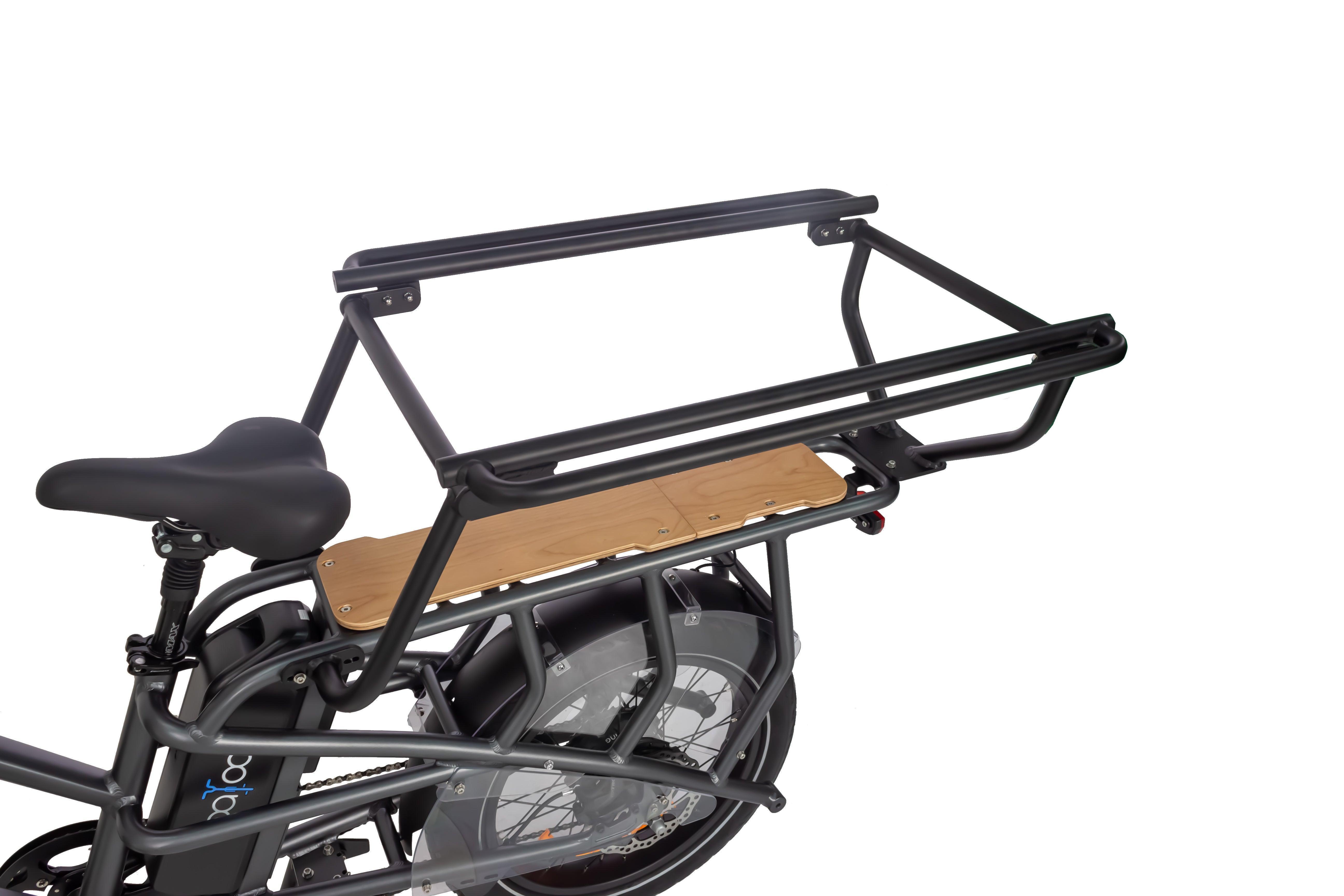
BatooBike summarizes the main profiles quite well. The longtail is compact, maneuverable, and very similar to a classic bicycle. It is ideal in the city for 1 to 2 children, especially when you want a model that is easy to park. The front-loader offers a large box at the front and can accommodate up to 3 children depending on the model. The tricycle offers a lot of stability and a very large capacity, but it takes up more space and requires a little more practice when turning. The compact cargo, on the other hand, sits between the classic bicycle and the family cargo, with good useful capacity and a more reasonable footprint.
Here's a simple guide:
| Family profile | Often the most logical type |
|---|---|
| 1 child, frequent urban travel, limited space | Longtail or compact cargo bike |
| 2 children, school + shopping + city | Well-equipped longtail or front-loader |
| 2 to 3 children, need for a large front box | Front-loader |
| 3 or more children, priority on capacity and stability | Tricycle depending on available space |
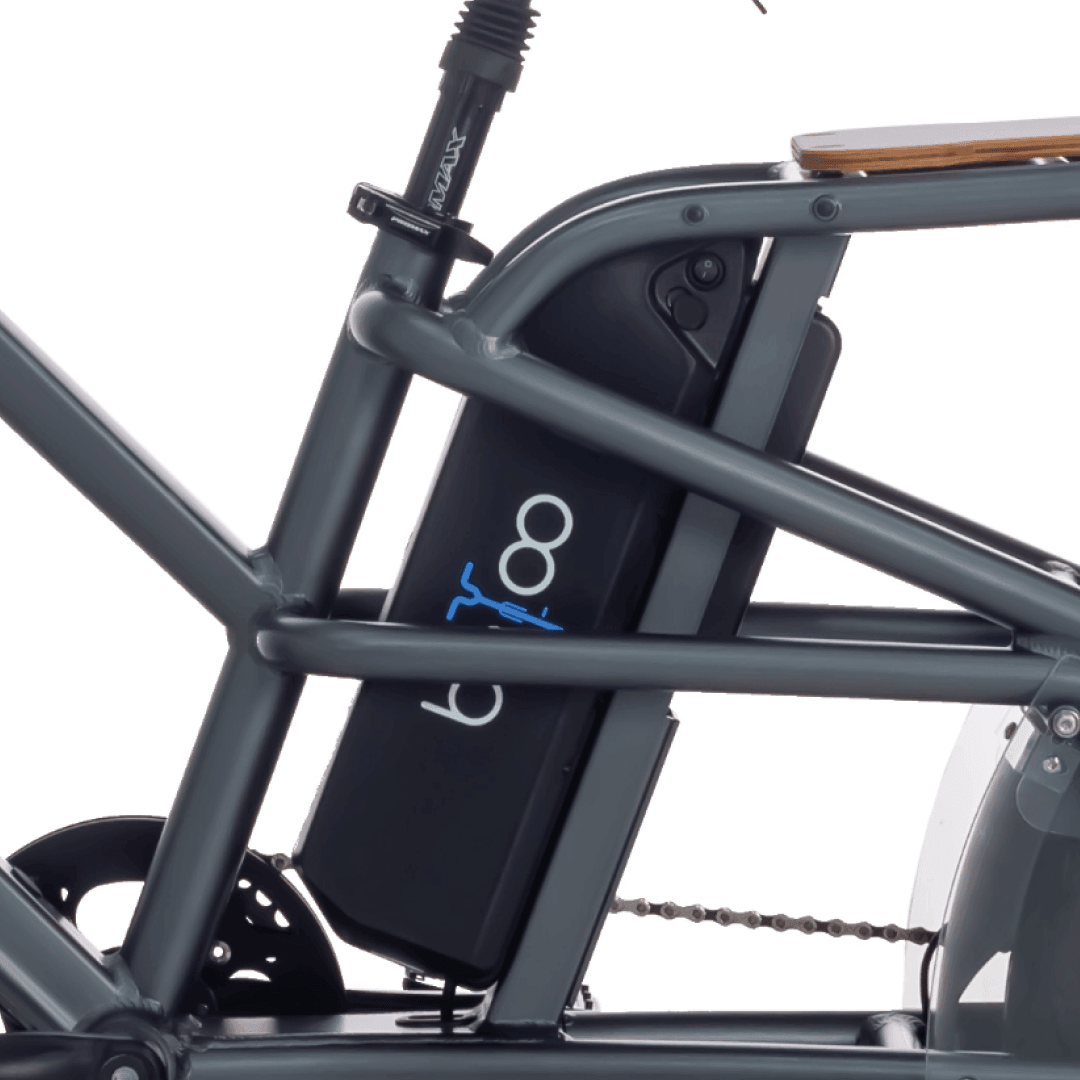
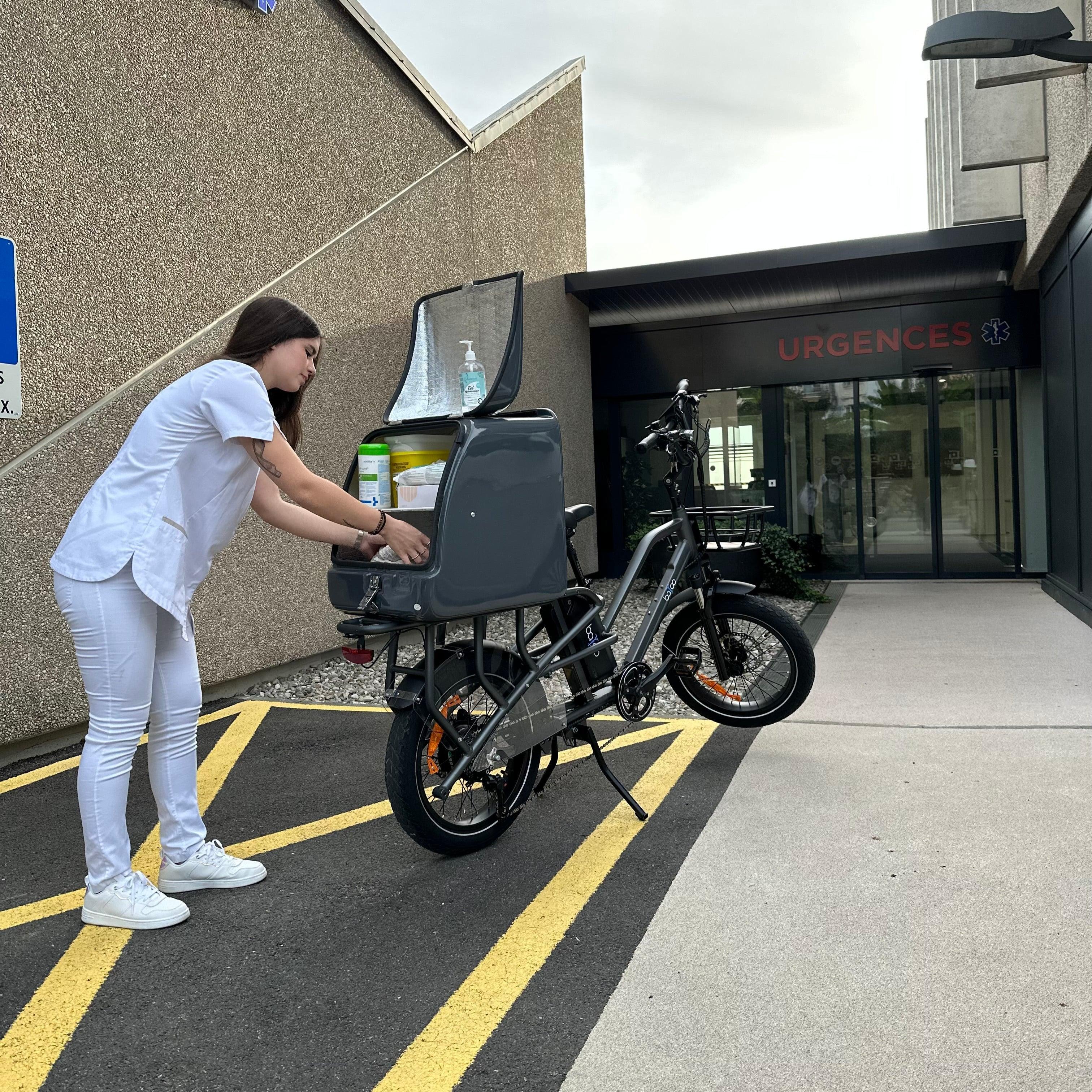
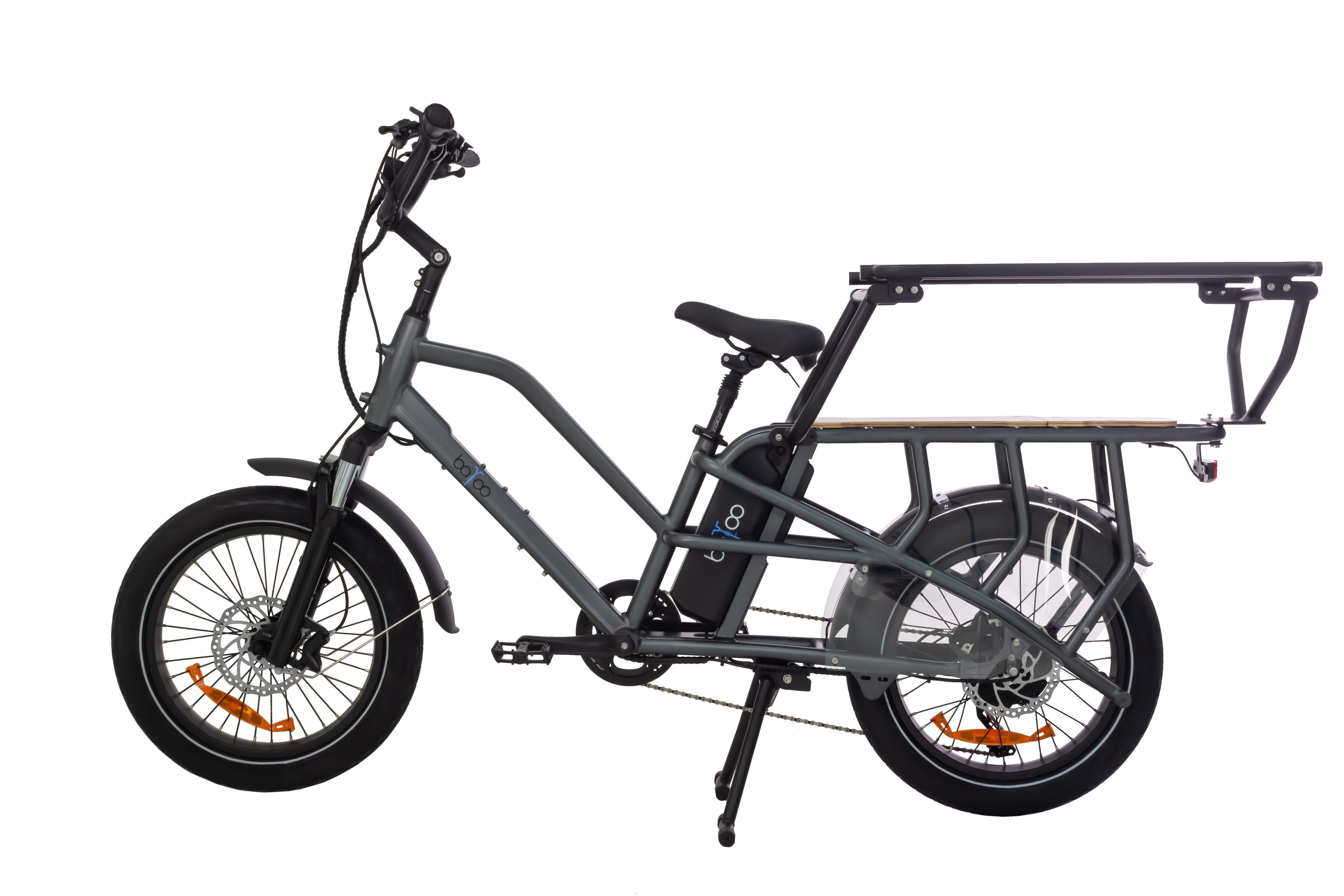
For an urban family looking for a versatile format, a model like the Colibri by Batoo Bike is interesting precisely because it was designed for Swiss slopes and journeys, with a 500 W motor delivering 85 Nm and a 720 Wh battery, expandable with an optional second battery. On the ground, this type of configuration can make a real difference when transporting children, bags, and groceries on a hilly route.
Child comfort, rain, bags, shopping, child seat
This is often the decisive point after a test ride. Parents are not just looking for a bike capable of carrying weight. They want a vehicle that is simple to load, comfortable for children, and manageable even when the weather isn't perfect.
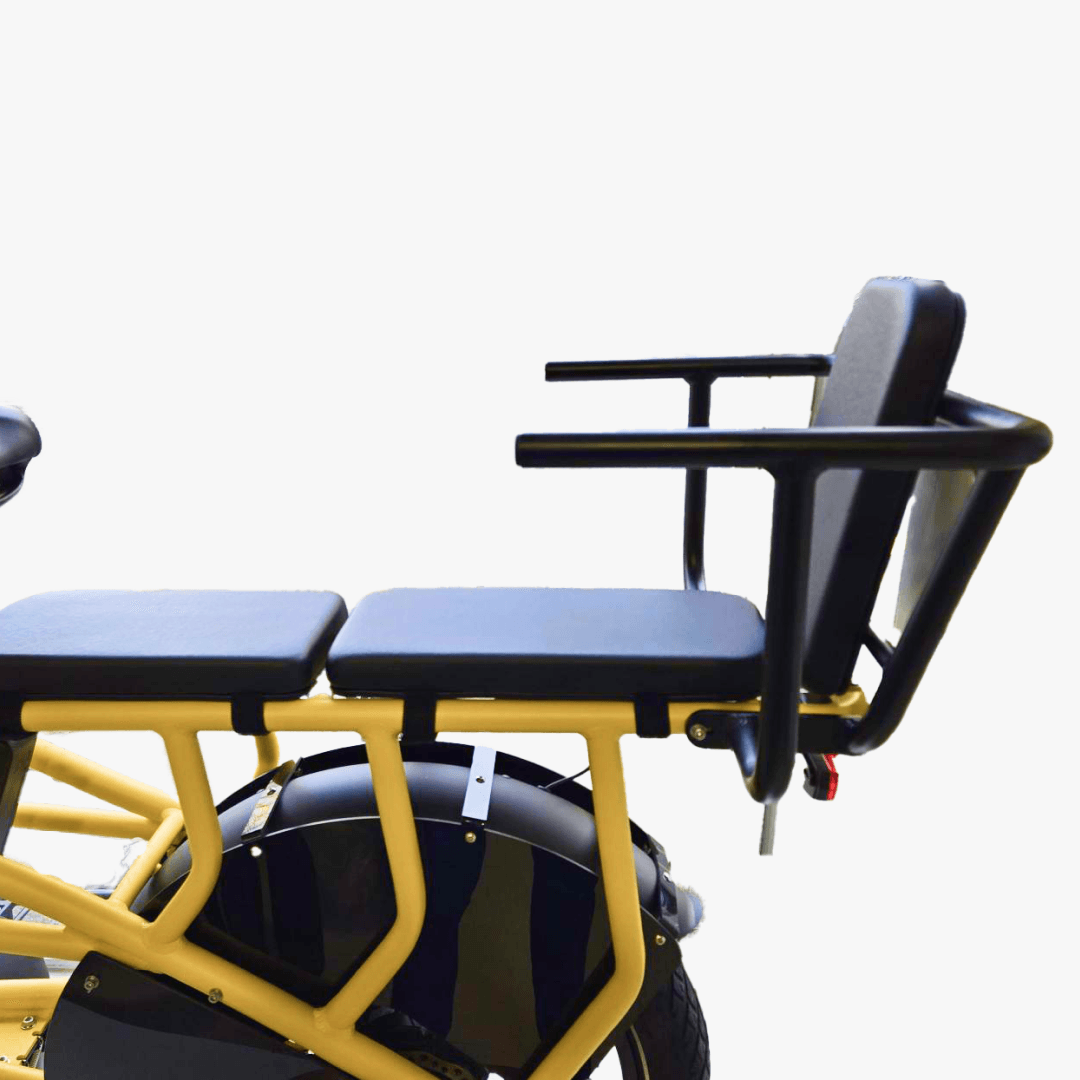
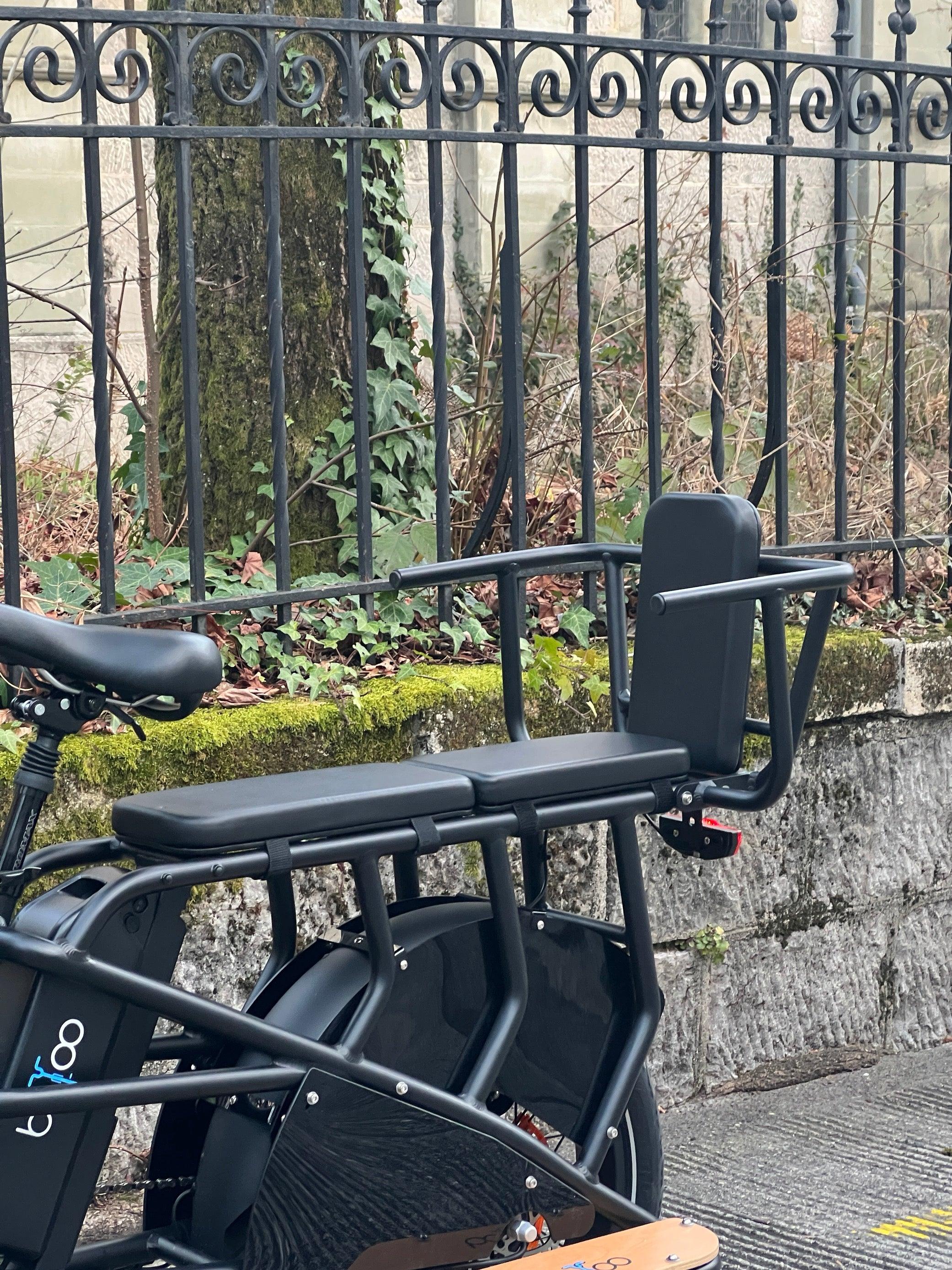
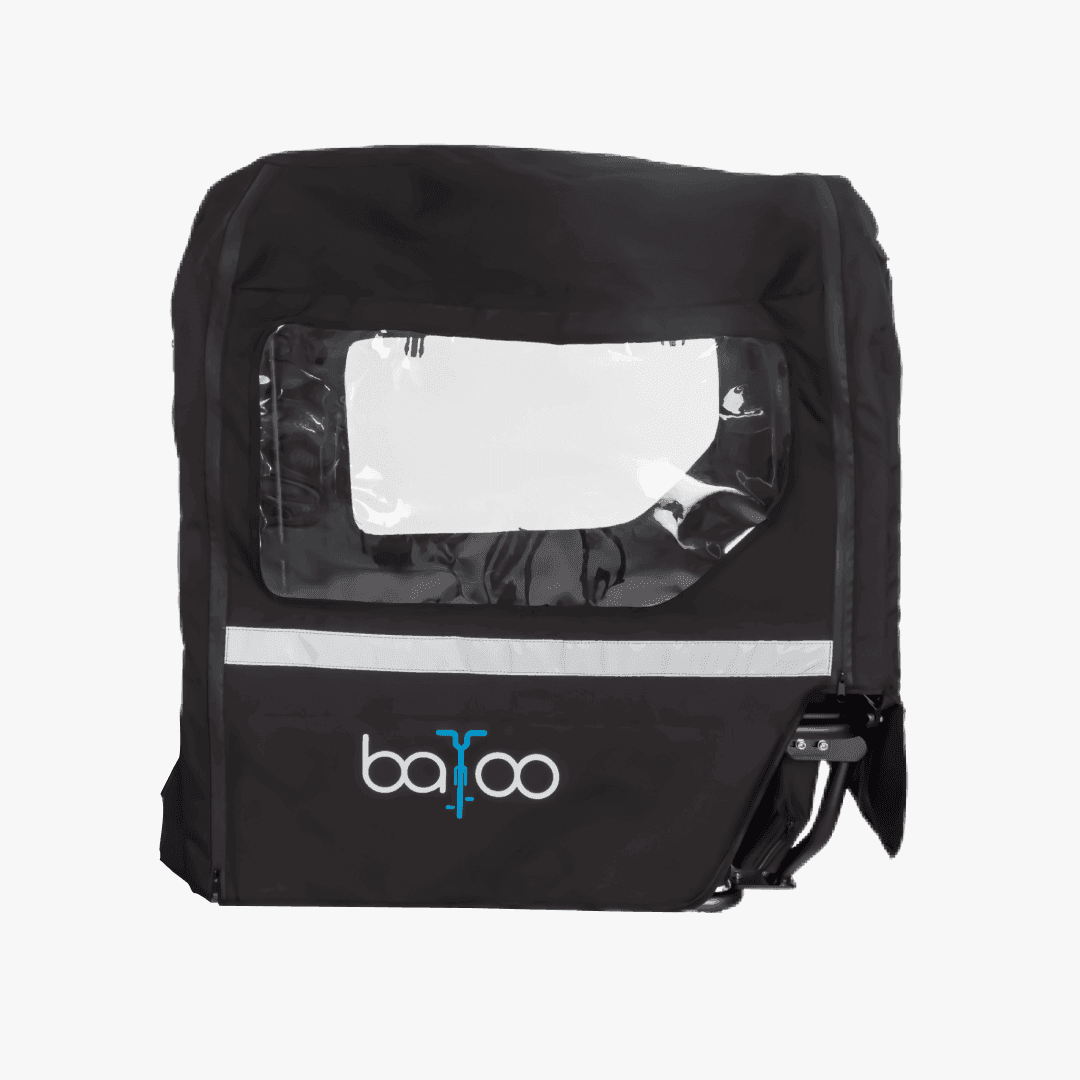
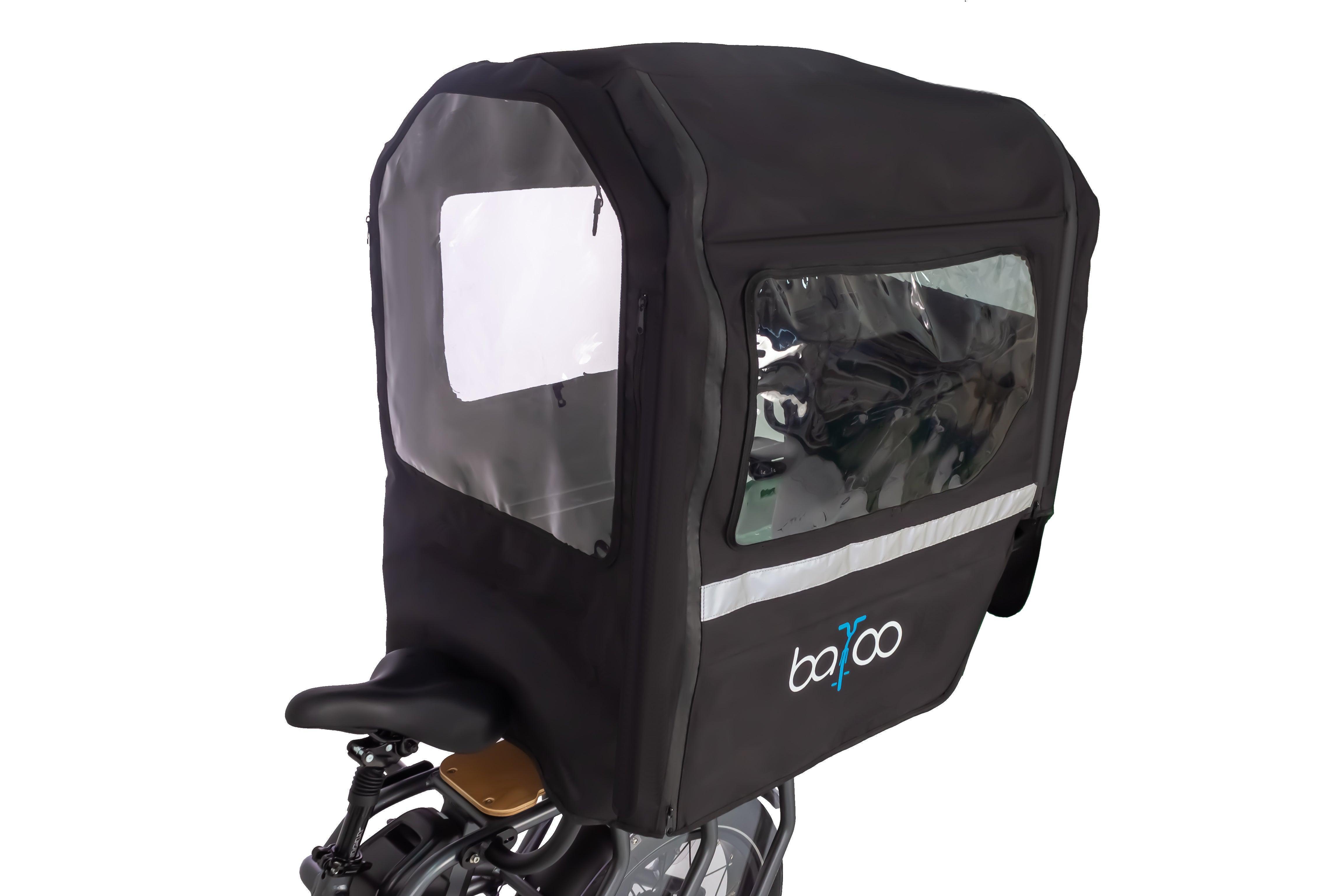
On this point, the format plays a big role. BatooBike reminds us that the longtail often transports 1 to 2 children with a reduced footprint, while the compact cargo frequently allows for two child seats to be installed and rain protection to be added. The same guide also specifies that these protections can be adapted to allow for comfortable transport even in all circumstances. For a Swiss family, this is obviously very important considering rain, mid-season weather, school bags, and spare clothes.
The front-loader offers another advantage: children are in front, in a dedicated box, with space for bags and often a more "integrated" feeling than with a trailer. It is precisely this practicality that also emerges in the BatooBike article on the choice between cargo bike and trailer: for school and daycare, the cargo bike is judged quicker to load and unload, more integrated, and simpler for intensive daily use.
Travel time vs. car in the city
A cargo bike is not necessarily faster than a car on paper if you only compare top speed. But in real urban life, you never just compare kilometers per hour. You also compare preparation time, stops, slow traffic, and parking.
This is where the cargo bike often excels. For a school or daycare in the city, the total door-to-door time can become very competitive, precisely because it avoids short but repeated traffic jams, the search for a parking space, and all the logistics that slow down a car on short journeys. ASTA's planning recommendations also emphasize the need for parking close to entrances and adapted for special bicycles, which clearly shows that proximity and ease of access are extremely important for everyday journeys.
In other words, on a school-daycare-home or school-daycare-work journey, the cargo bike doesn't just "win" because it rolls. It often wins because it reduces the friction around the journey.
Real budget and running costs
Budget obviously remains a central point. For a well-equipped family electric cargo bike, BatooBike generally places the sweet spot between CHF 4,000 and CHF 6,000, with entry-level models around CHF 2,500 to CHF 3,500 and higher-end models that can exceed CHF 6,500. So it's not a light purchase, but it's not just a classic bike with a few accessories either. You're paying for a reinforced frame, an adapted motor, a large battery, brakes sized for the load, and all the safety equipment related to transporting children.
The correct calculation, therefore, is not just about looking at the purchase price. You also need to think about the overall cost of use. If the cargo bike replaces a significant portion of car journeys, the comparison quickly becomes more interesting. This is also what the uses relayed by PRO VELO suggest: a significant proportion of cargo bike users drastically reduce their dependence on cars or opt out of owning an additional car. For many families, this is where real profitability emerges. To delve deeper into this point before buying, the BatooBike guide on the price of an electric cargo bike in Switzerland provides a very concrete basis.
Pre-purchase checklist
Before choosing a cargo bike for your family, ask yourself these questions:
-
How many children will you be transporting, and at what ages?
-
Are your journeys rather short and urban, or longer and hilly?
-
Do you also need to transport bags, groceries, and equipment?
-
Do you have a suitable storage room, garage, or parking space?
-
Have you properly anticipated rain, cold, and protective accessories?
-
Do you need a very compact bike or a truly large family cargo box?
-
Will the bike be used every day or only occasionally?
The most important thing is to start from your actual routine, not an idealized model. A family with one child and little space does not have the same needs as a family with three children, hills, and weekly grocery runs. This is also why a test ride is almost indispensable before purchase, especially on a loaded bike with children on board. BatooBike also emphasizes this point in its guide to 4-seater cargo bikes: trying the bike allows you to check maneuverability, stability, and the real feel before committing.
Conclusion
Yes, a cargo bike can be really practical in Switzerland for school-daycare journeys. And in many families, it is even more so than initially imagined. Its real strength is not just transporting children. It's simplifying a daily routine that quickly becomes tiring when everything relies on the car. For short to medium, frequent journeys with repeated stops, it can transform family organization.
However, there isn't one perfect cargo bike for everyone. The right choice depends on the number of children, the terrain, storage, budget, weather, and the actual level of use. If you often transport your children, regularly go to school, daycare, and do groceries, and want to reduce some car trips, a cargo bike clearly deserves serious consideration. And in many cases, it ends up replacing much more than just a bike.
Final FAQ
Is a cargo bike really practical for taking 2 children to school?
Yes, often very much so. Family models are designed precisely for this type of use, with enough space for two children, bags, and sometimes even groceries. For intensive use, the cargo bike is often more practical than a trailer, especially for frequent stops and daily loading.
What type of cargo bike should I choose for a family with 1, 2 or 3 children?
For 1 child, a longtail or compact cargo bike is often sufficient. For 2 children, a well-equipped longtail or a front-loader is often the best compromise. For 3 children, a front-loader or tricycle becomes more logical depending on the space, maneuverability desired and the volume to be transported.
Can a cargo bike be used all year round in Switzerland?
Yes, provided the equipment is anticipated. Rain protection, child-friendly accessories, the right tire choice, and practical storage capacity greatly enhance the experience. BatooBike also emphasizes that rain covers can be adapted to some compact cargo bikes to maintain comfortable daily use.
What range is needed for school-home-work journeys?
There isn't one single valid figure for everyone. The range depends on the terrain, the load, the weather, and the frequency of use. For a Swiss family with hilly journeys and children on board, it's better to aim for a seriously sized battery. On the Colibri, for example, BatooBike announces 720 Wh with the option of adding a second battery, which provides a more comfortable margin for heavily loaded uses.
Does a cargo bike replace a second car?
In many cases, yes. Data released by PRO VELO shows that a significant proportion of cargo bike users greatly reduce their dependence on cars, or even choose not to own one. This does not mean that it replaces all uses, but it can clearly replace a second car in a well-planned family organization.