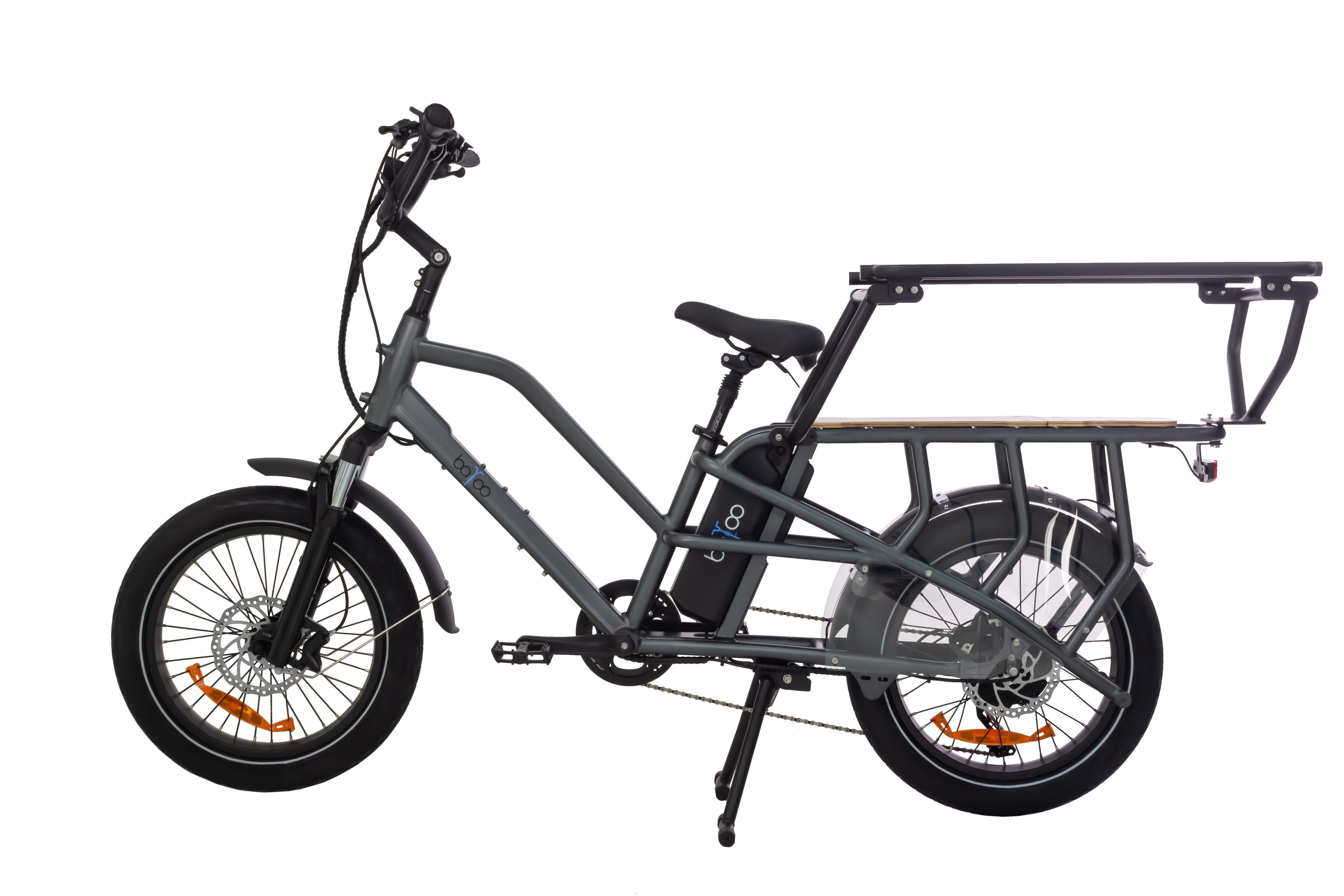
Choosing a speed pedelec isn't just about looking at the maximum speed. In Switzerland, almost all fast models advertise assistance up to 45 km/h. But in real life, the right choice depends primarily on your daily distance, the terrain, your expected comfort level, and the range margin you need.
A 20 km daily commute doesn't impose the same constraints as a 40 km commute with elevation. In the first case, simplicity, comfort, and maneuverability can be prioritized. In the second, the battery, posture, motor, and component quality become much more important.
Before choosing a model, you should therefore start with your actual use. Do you ride every day? Is your commute flat or hilly? Can you recharge at work? Do you carry a bag, a laptop, rain gear? These details make a much bigger difference than an overly general spec sheet.
To lay the technical groundwork, the BatooBike guide on speed pedelec batteries and motors already helps to understand the essential criteria: Wh capacity, motor torque, real range, and the choice between single or dual battery.
Main Criteria
The first criterion is daily distance. A speed pedelec becomes particularly interesting when the commute is long enough for 45 km/h assistance to save time, but not so long that every ride turns into a range calculation.
The second criterion is the terrain. A flat 30 km route doesn't require the same bike as a 30 km route with several climbs. In Switzerland, this is a serious consideration, especially around cities like Lausanne, Fribourg, Neuchâtel, Montreux, or in hilly suburban areas.
The third criterion is comfort. The longer the ride, the more important the riding position becomes. For 10 minutes, an average saddle or slightly low handlebars are still acceptable. For 40 km a day, these details can quickly become tiring.
Finally, you need to consider regulations. In Switzerland, a speed pedelec is a fast electric bicycle up to 45 km/h. It requires a yellow license plate, an appropriate license, a helmet, a speedometer, and insurance. The specific ASTRA rules for fast electric bicycles clearly state these obligations.
Here are the criteria to consider before comparing models:
| Criterion | Why it's important |
|---|---|
| Daily distance | Determines the necessary battery capacity |
| Terrain | Strongly influences consumption and motor choice |
| Battery | The larger it is, the more margin you have |
| Motor torque | Very important for climbing and starting |
| Position | Essential for long commutes |
| Braking | Critical at 45 km/h, especially in the city or in the rain |
| Tires | Impact on comfort, safety, and efficiency |
| Recharge possible | Changes the need for real range |
Case 20 km per day
For 20 km a day, a speed pedelec can be an excellent choice, especially if your commute is regular and fairly smooth. For example, 10 km in the morning and 10 km in the evening, or a relatively short round trip but long enough to justify fast assistance.
At this distance, you don't necessarily need the largest battery on the market. A battery of around 500 to 625 Wh can already be sufficient in many cases, especially if the commute is mostly flat or moderately hilly. The main objective isn't to have enormous range, but a pleasant, stable, and easy-to-use bike for everyday use.
For 20 km a day, the priorities are often:
- a comfortable riding position
- very reassuring braking
- sufficient battery with margin
- good visibility
- a bike that is easy to park and use daily
This is also the distance where you need to ask yourself a real question: do you really need a speed pedelec, or can a 25 km/h e-bike suffice? If the commute is very urban, with many traffic lights, stops, and slow zones, the benefit of 45 km/h might be less significant than you imagine. The BatooBike comparison speed pedelec or 25 km/h electric bicycle can help you decide.
However, if your 20 km commute is smooth, suburban, or has long rolling sections, the speed pedelec becomes very relevant. You save time, arrive less tired than on a conventional bike, and maintain good regularity from day to day.
Case 30 km per day
At 30 km a day, the speed pedelec truly starts to show its value. This is often the distance where a 25 km/h e-bike becomes a bit slow for daily use, while a car or public transport might lose flexibility.
For 30 km a day, you already need to look more seriously at the battery. A capacity of 625 to 800 Wh becomes a more comfortable zone, especially if you ride all year round or if your commute involves hills. A smaller battery can still work, but it will leave less margin in winter, in windy conditions, or if you often use a high assistance level.
The TCS test of S-Pedelecs indicates that these bikes are particularly suitable for commuting up to approximately 20 km per trip. This corresponds very well to people who ride 30 km a day round trip, or even a little more, provided the route is suitable.
For 30 km a day, the most important criteria become:
| Criterion | Importance level |
|---|---|
| Battery 625 to 800 Wh | Very important |
| Efficient motor for acceleration | Very important |
| Comfortable position | Very important |
| Rolling but secure tires | Important |
| Powerful and progressive brakes | Very important |
| Possibility of recharging at work | Useful but not always essential |
It is also from this distance that posture becomes decisive. A too sporty speed pedelec might seem pleasant at first, but become tiring over time if you ride every day. For commuting, it's often better to look for a dynamic but tolerable position, rather than an overly aggressive posture.
Case 40 km and more
From 40 km a day, you enter a demanding use case. The speed pedelec remains very relevant, but you need to choose a model with much more attention. Here, the battery, comfort, motor, and overall quality of the bike become central criteria.
For 40 km daily, an 800 Wh battery or more becomes very logical. If the commute is hilly, if you ride in winter, or if you don't always have the option to recharge easily, a dual battery can also be a real advantage. This is not necessarily a luxury: sometimes it's what allows you to ride stress-free.
Bosch, for example, offers a Range Assistant that clearly shows how much range varies depending on weight, assistance mode, terrain, cadence, tires, and weather conditions. This is exactly what you need to keep in mind for a long commute.
For 40 km and more, you should prioritize:
- a generous battery
- a motor with good torque
- a stable and comfortable riding position
- high-end brakes
- tires suitable for long distances
- good rain protection
- a clear charging solution
If your commute involves many climbs, the BatooBike guide on speed pedelecs and steep climbs in Switzerland is particularly useful. In hilly terrain, the choice of motor and battery becomes as important as the distance itself.
Battery, comfort, posture
The battery is often the first criterion buyers look at, and that's logical. But it shouldn't be the only one. A large battery on an uncomfortable bike won't turn a bad choice into a good purchase.
To choose correctly, you need to look at three elements together: battery, comfort, and posture.
| Daily distance | Recommended battery | Comfort priority |
|---|---|---|
| 20 km/day | 500 to 625 Wh | Urban comfort, maneuverability |
| 30 km/day | 625 to 800 Wh | Stable position, braking, saddle |
| 40 km/day and more | 800 Wh and more, or dual battery | Long-distance comfort, posture, tires |
Comfort depends on several details: saddle width, handlebar position, potential suspension, tire quality, stability at high speeds, and ease of maintaining a regular cadence. On a long commute, these small elements end up mattering as much as the motor.
Posture also deserves real attention. A too upright position can lack efficiency on a long, fast commute. A too sporty position can tire wrists, shoulders, or back. The right compromise depends on your body, your average speed, and your type of road.
Should you prioritize performance or range?
The answer depends on your distance. For 20 km a day, pure performance isn't always necessary. It's better to prioritize a pleasant, safe, and easy-to-use bike. For 30 km, you need to start looking for a good balance between range, motor, and comfort. For 40 km and more, range becomes a real pillar of the decision.
The trap would be to choose a very high-performance speed pedelec with too little battery. On paper, it will be fast. In real life, you risk riding with your eye on the remaining percentage, especially in winter or with hills. Conversely, a very generous battery on a bike ill-suited to your posture will not be pleasant either.
The right choice is therefore rarely "performance or range." It's rather: useful performance + realistic range + lasting comfort.
Pre-test checklist
Before testing a speed pedelec, prepare your typical route. This is the best way to avoid a purchase based solely on a good first impression.
Before the test, note:
- your actual daily distance
- the number of climbs or false flats
- your ability to recharge at work
- your need to carry a bag or equipment
- your expected comfort level
- your use in winter or in the rain
During the test, especially test:
- a hill start if possible
- firm braking
- acceleration after stopping
- the position for several minutes
- stability at higher speeds
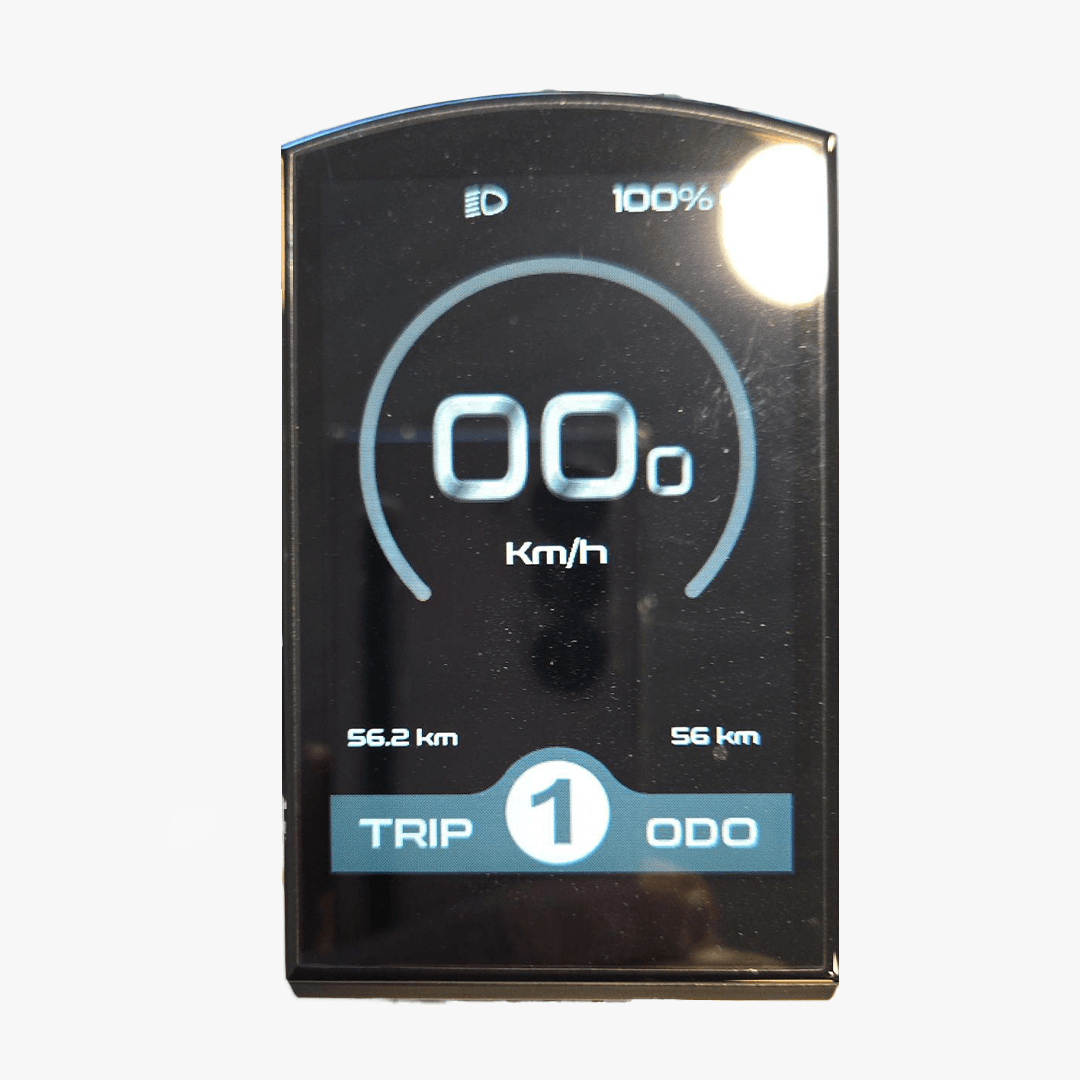
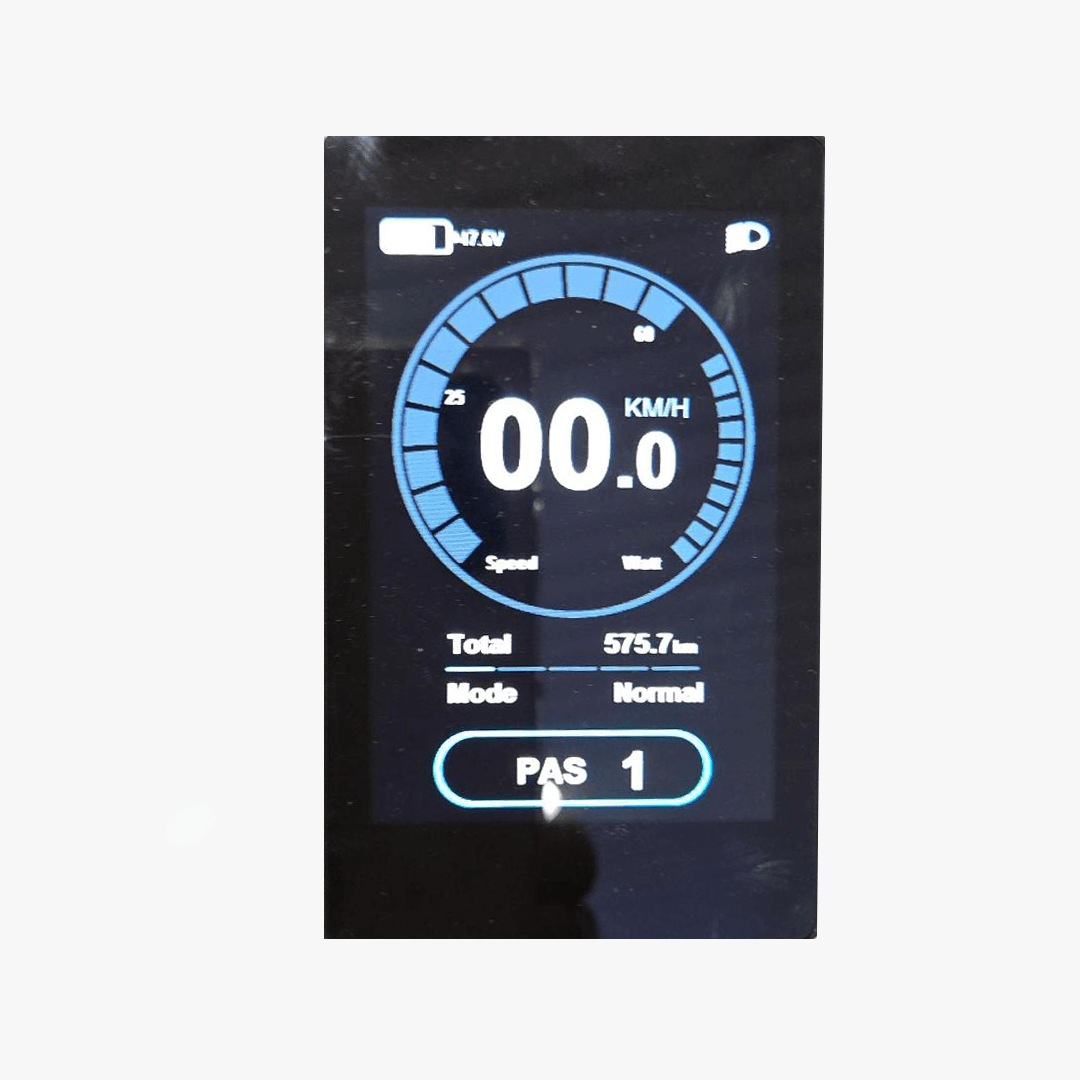
- screen readability
- ease of maneuvering the bike on foot
After the test, ask yourself a simple question: can I see myself doing this commute five days a week with this bike? If the answer isn't a clear yes, continue comparing.
Decision-making table
| Your use | Speed pedelec to prioritize |
|---|---|
| 20 km/day in city or near periphery | Comfortable, maneuverable model, 500 to 625 Wh battery |
| 30 km/day with rolling sections | Balanced commuter model, 625 to 800 Wh battery |
| 40 km/day and more | Long-distance model, 800 Wh or more battery |
| 40 km/day with significant elevation | Torquey motor, large battery or dual battery |
| Very urban and stop-and-go commute | Seriously compare with a 25 km/h e-bike |
| Fast, regular, suburban commute | Speed pedelec clearly relevant |
Conclusion
To choose a speed pedelec suitable for 20, 30, or 40 km per day, you need to start with your actual distance, not just the bike's maximum speed. For 20 km a day, a comfortable and easy-to-live-with model might suffice. For 30 km, you need to aim for a better balance between battery, motor, and posture. For 40 km and more, range, long-distance comfort, and motor quality become essential.
The best speed pedelec is therefore not necessarily the most powerful or the most expensive. It is the one that matches your commute, your terrain, your pace, and your desire to ride every day. For daily use, it's better to have a well-sized, comfortable, and reliable bike than a model that looks impressive on paper but is too demanding to live with.
Final FAQ
Which speed pedelec to choose based on distance?
For 20 km a day, a comfortable model with a 500 to 625 Wh battery may suffice. For 30 km, a 625 to 800 Wh battery is more appropriate. For 40 km and more, it's better to aim for 800 Wh or more, or even a dual battery if the commute is hilly.
Is a large battery always necessary?
No. It becomes particularly useful if you ride for a long time, with hills, in winter, or without the possibility of recharging. For a short, regular commute, a well-sized medium battery can be sufficient.
What comfort to look for in a long commute?
You should look for a stable position, a comfortable saddle, suitable tires, good braking, and a posture that doesn't tire your wrists or back. On a long commute, comfort becomes as important as speed.
Which criteria are most important?
The main criteria are daily distance, battery capacity, terrain, motor torque, comfort, braking quality, and the possibility of easy recharging.
Should I prioritize performance or range?
For daily use, it's better to prioritize balance. Performance is useful, but only if range, comfort, and reliability follow. A fast speed pedelec with too little battery will be less pleasant in the long run.