Why there isn't a single national subsidy
In Switzerland, there is no single large federal subsidy available everywhere for the purchase of an electric bicycle.
The aid comes mainly from:
-
municipalities ,
-
sometimes cities or cantons ,
-
from some private or corporate programs.
Result: 10 km away, one municipality can offer 300 CHF of aid, and the neighboring municipality… nothing at all.
Specialized websites like the Swiss electric bike subsidy comparator bicy.ch clearly illustrate this patchwork of local aid, with different percentages, ceilings and rules depending on the municipality.
How do electric bike subsidies work in practice?

Even if the forms change, the logic is almost always the same.
Local authorities often offer:
-
a percentage of the purchase price (for example 10 to 20%),
-
with a ceiling in CHF (200, 300, sometimes 500 CHF),
-
and rules on the type of bicycle eligible.
For example, some municipalities will subsidize:
-
a “classic” electric bike 25 km/h up to 300 CHF;
-
a cargo bike up to 800 or 1000 CHF;
-
Sometimes the battery too, if you replace it.
The exact amounts change from year to year, but the logic remains stable: the more the bicycle is used for daily mobility , the more likely the subsidy is to be worthwhile.
Who is eligible for a VAE subsidy?
In general, subsidies are reserved for:
-
to residents officially domiciled in the municipality,
-
sometimes to local businesses that want a fleet of bicycles for their employees.
Common conditions:
-
new bike, sometimes with an opening for second-hand bikes for cargo bikes;
-
minimum price , for example from 800 CHF;
-
purchase in a specialist store (and often, online purchase explicitly excluded);
-
a subsidy every X years (often 5 years) per person or per household.
That's why it's important to read the conditions before buying: some municipalities do not subsidize full-suspension "pure downhill" electric mountain bikes or racing bikes, considering them as sport rather than mobility.
What amounts can we expect in 2026?
Looking at the examples compiled by sites like bicy, Cyclable or Mobygo, we always find roughly the same orders of magnitude:
-
For an electric bike with a top speed of 25 km/h , subsidies often range from 10 to 30% of the price , with a ceiling of 200 to 500 CHF;
-
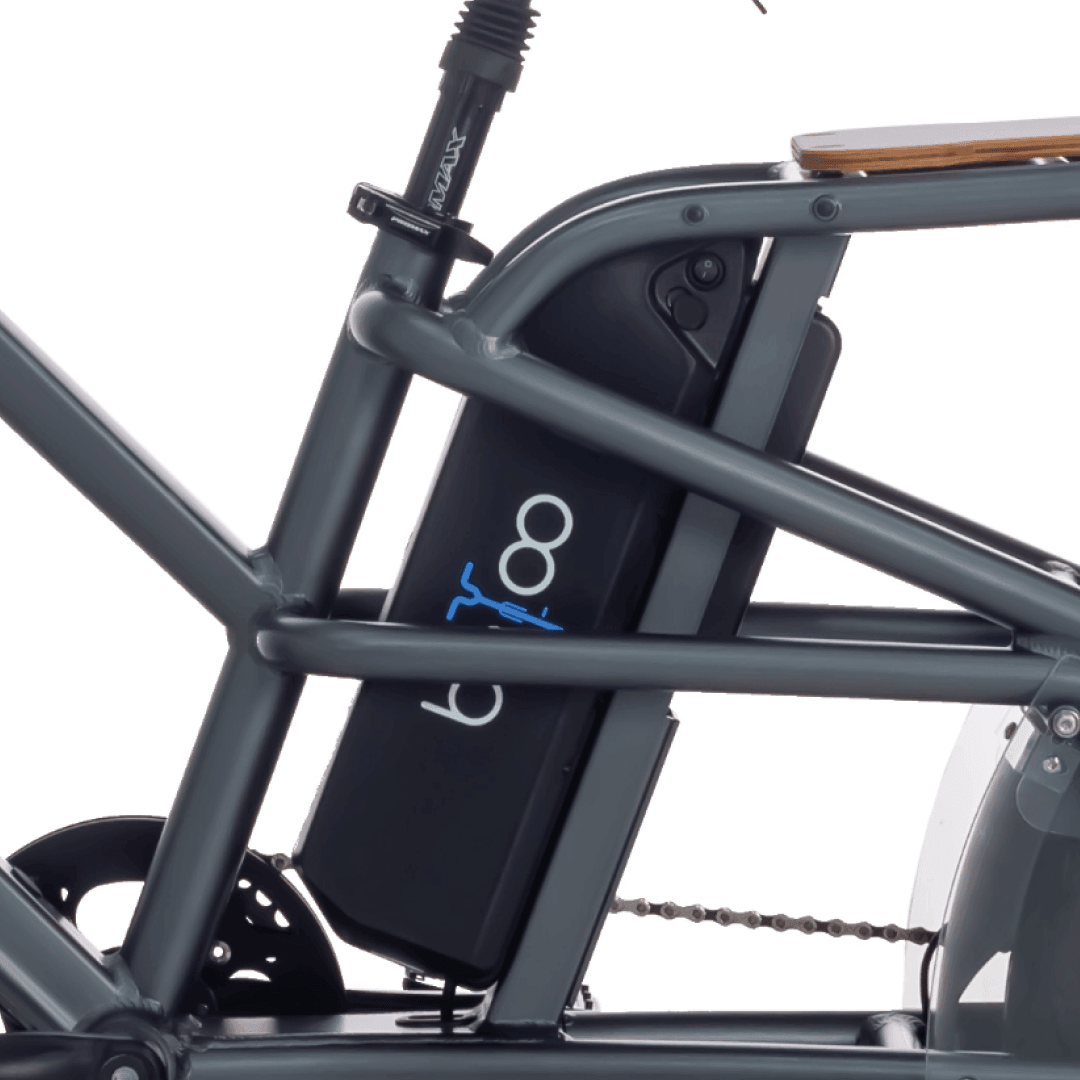
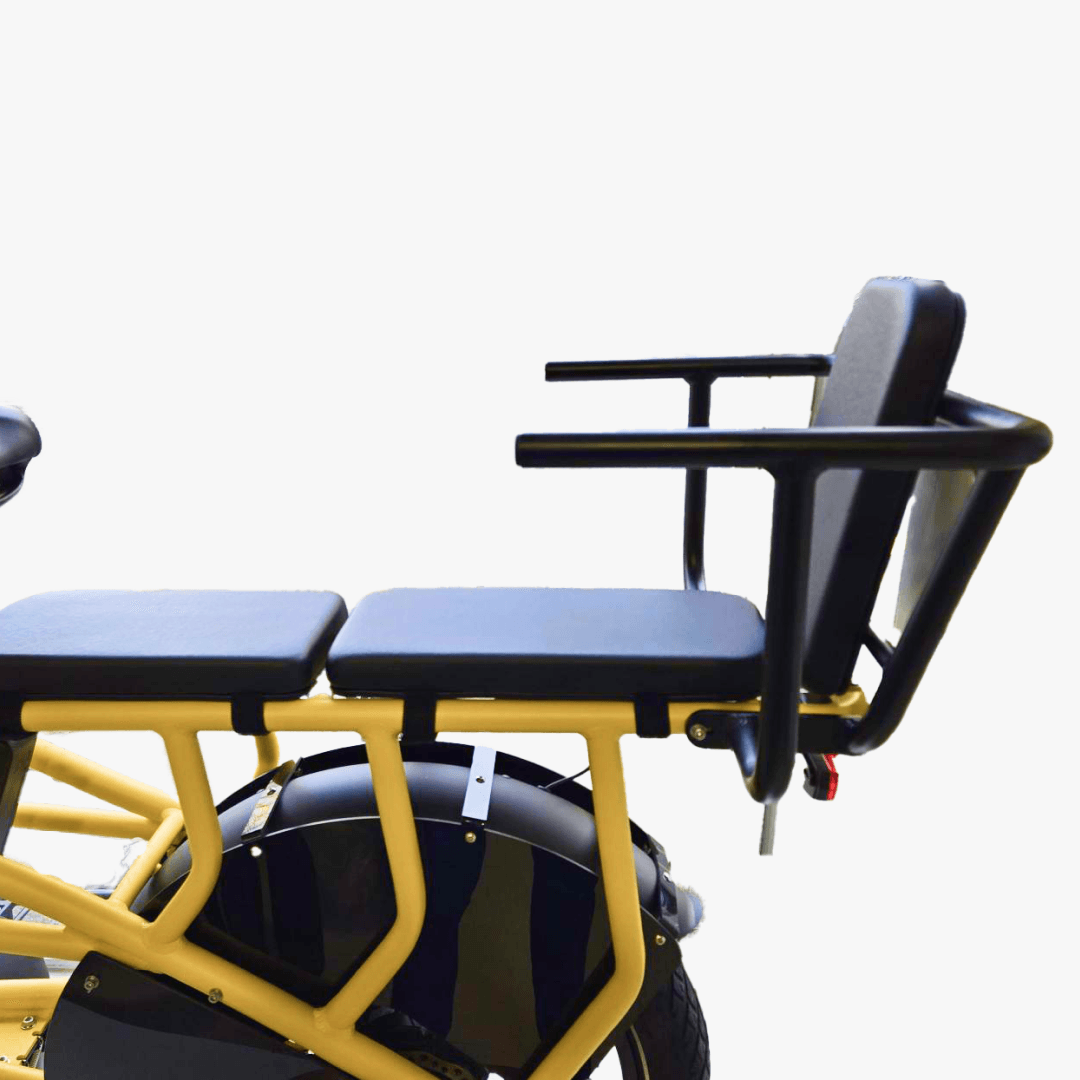
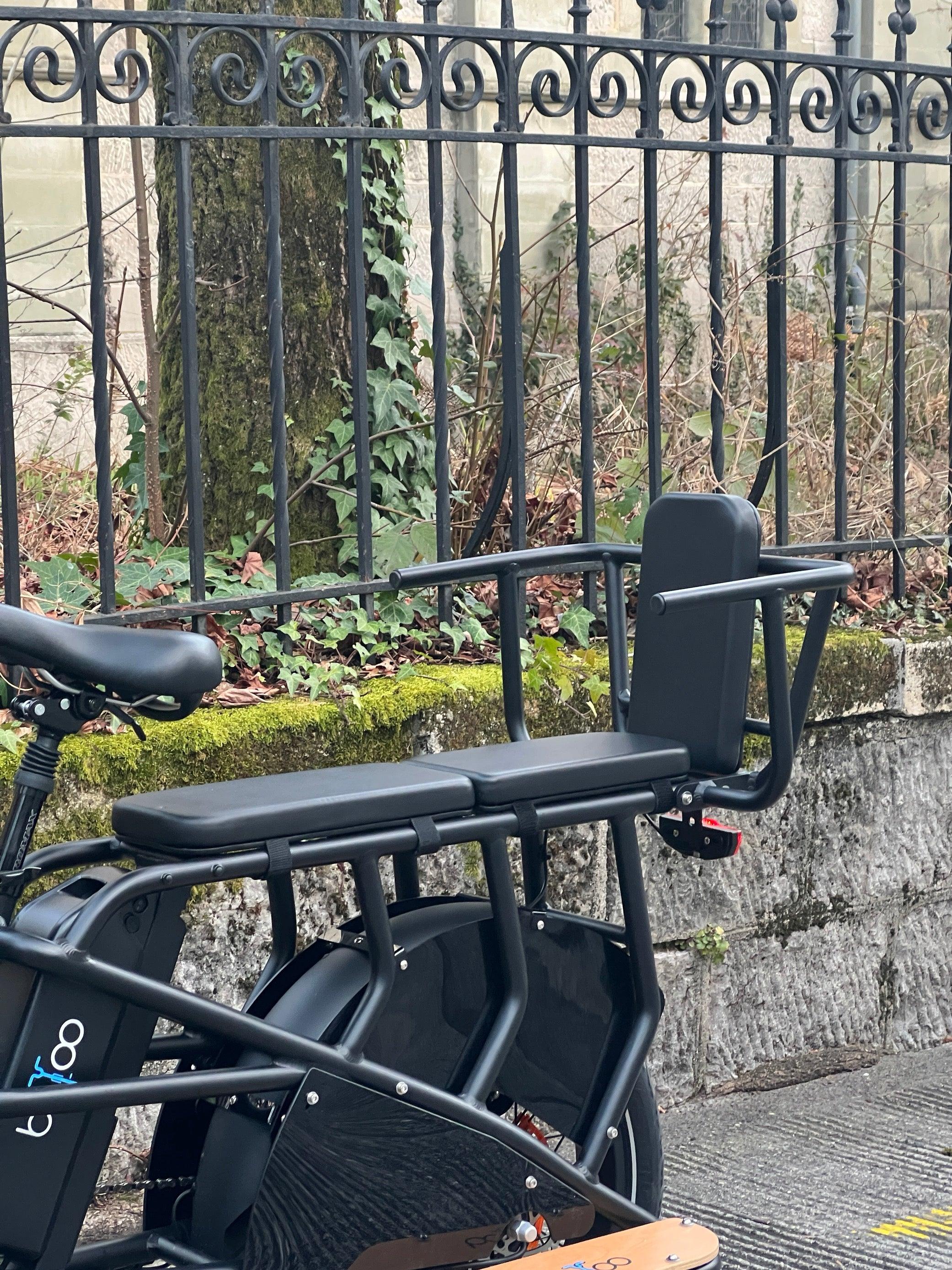
For an electric cargo bike , the amounts are more generous, with ceilings regularly reaching 800 or 1000 CHF ;
-
Some municipalities also offer assistance for the battery (for example 20% of the price with a small ceiling).
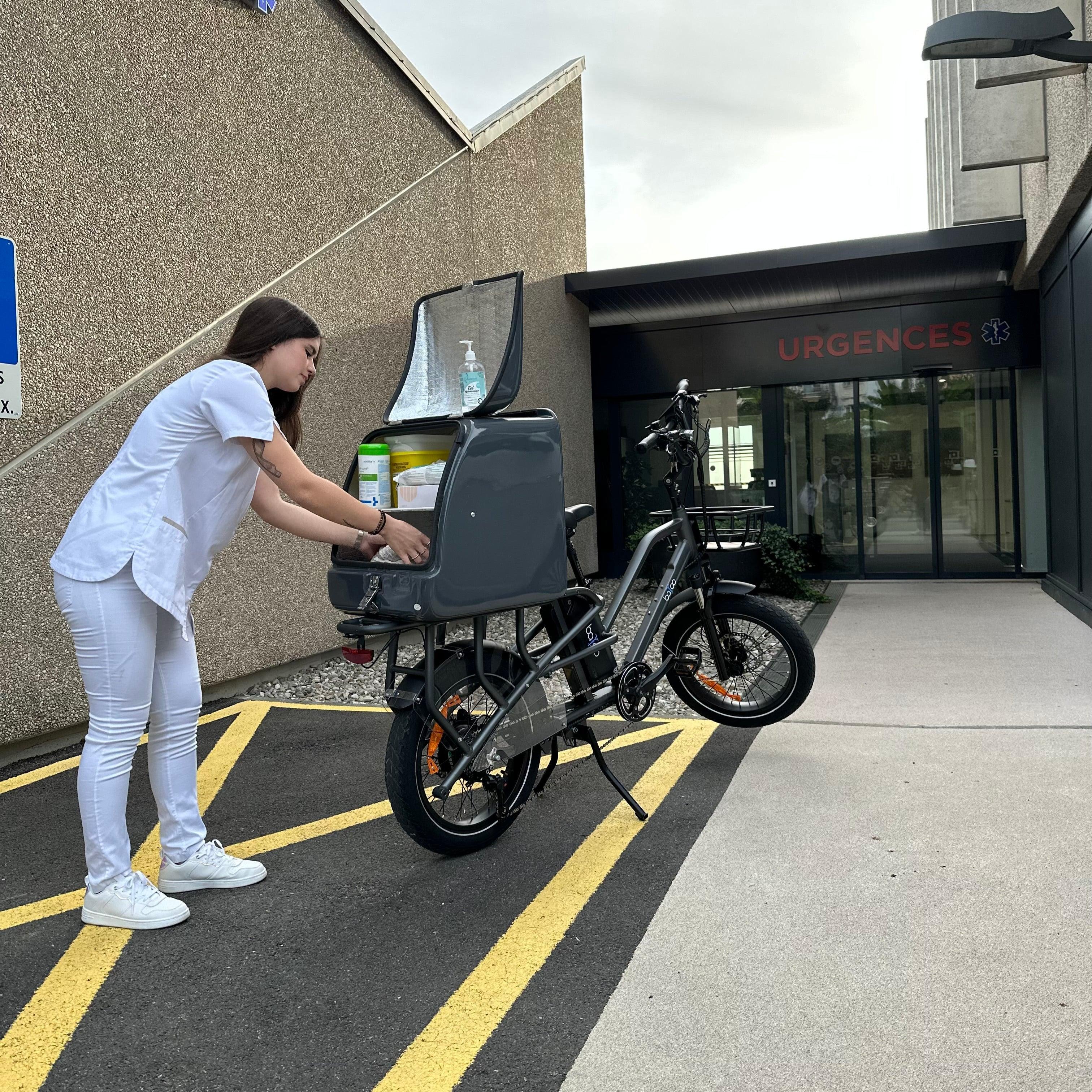
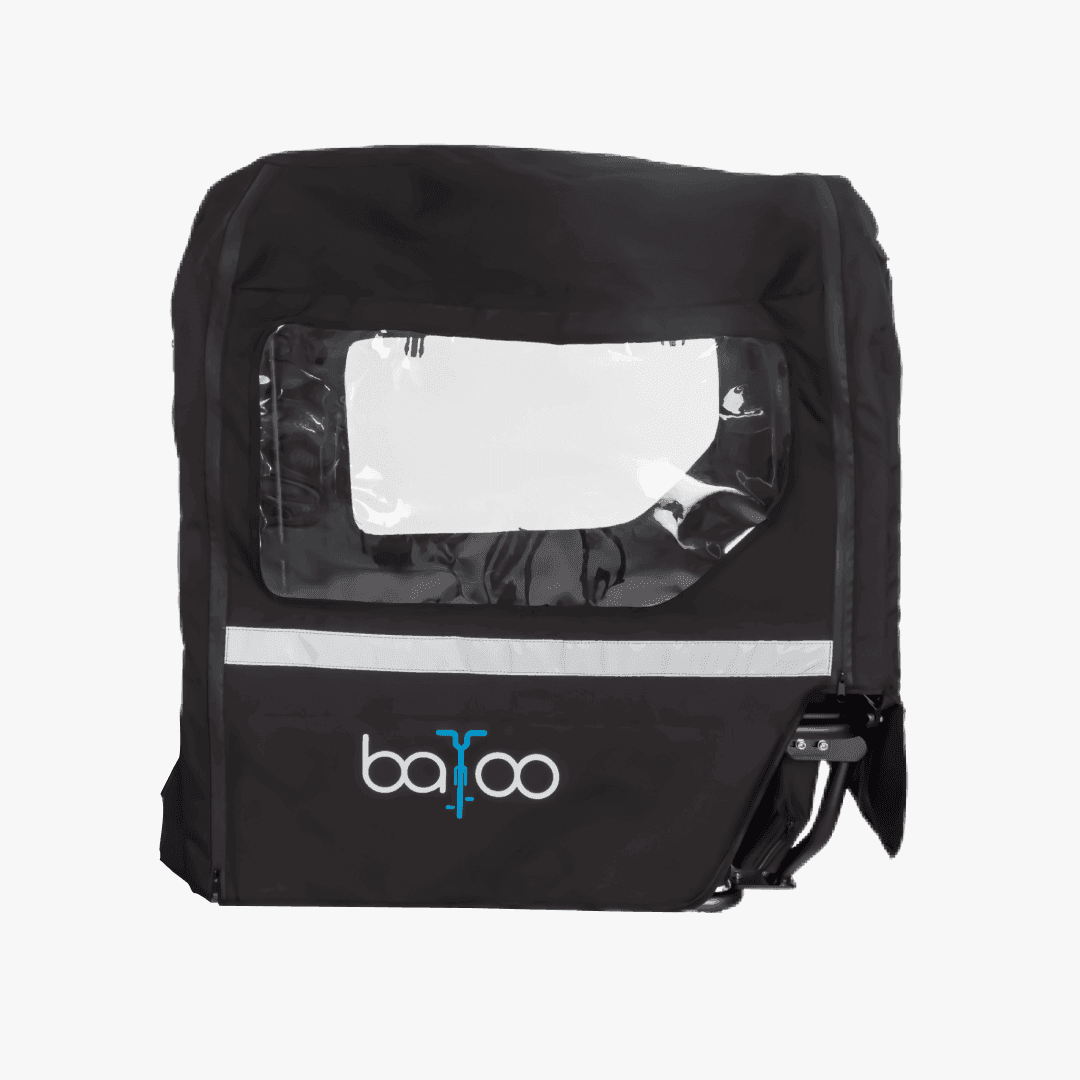
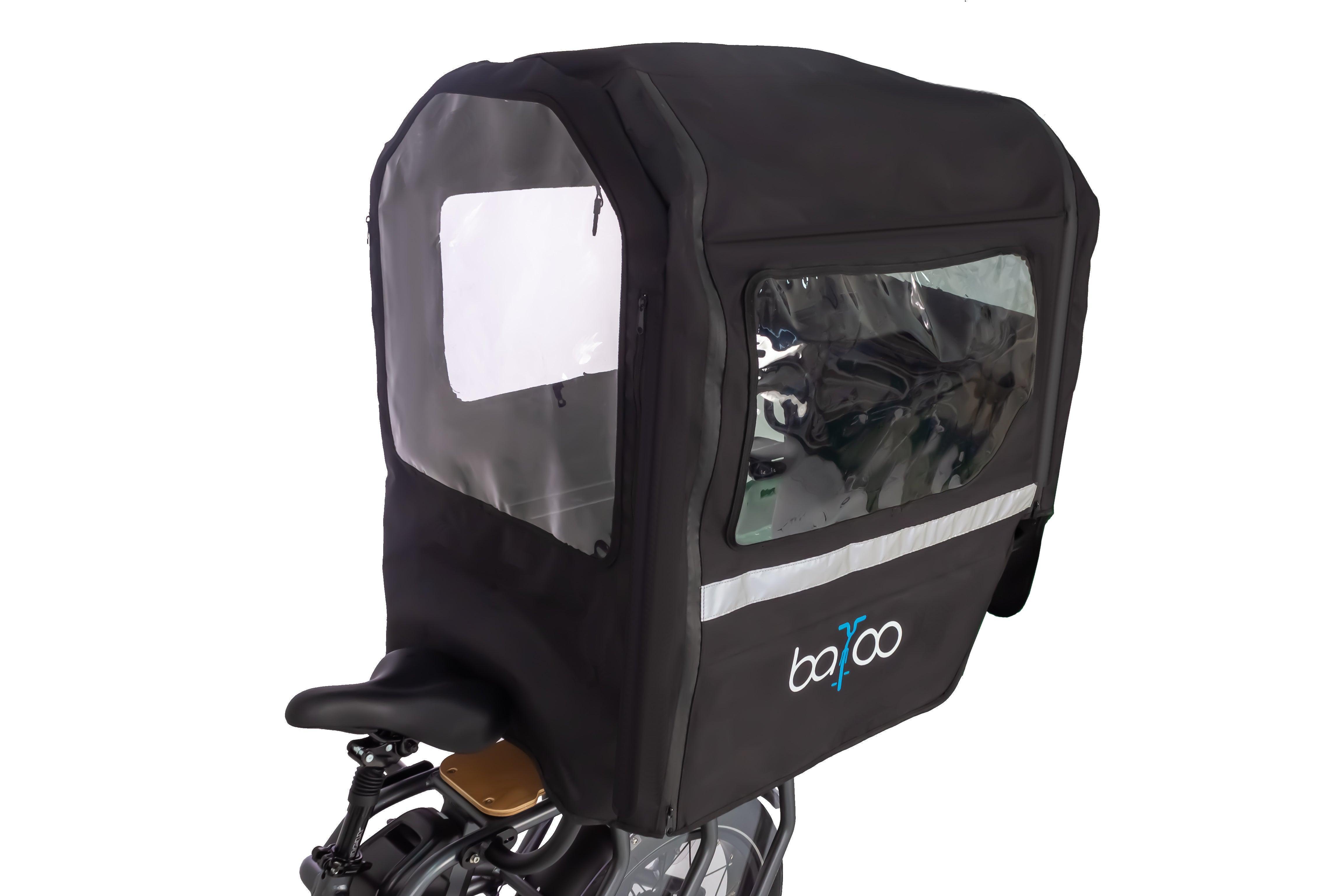
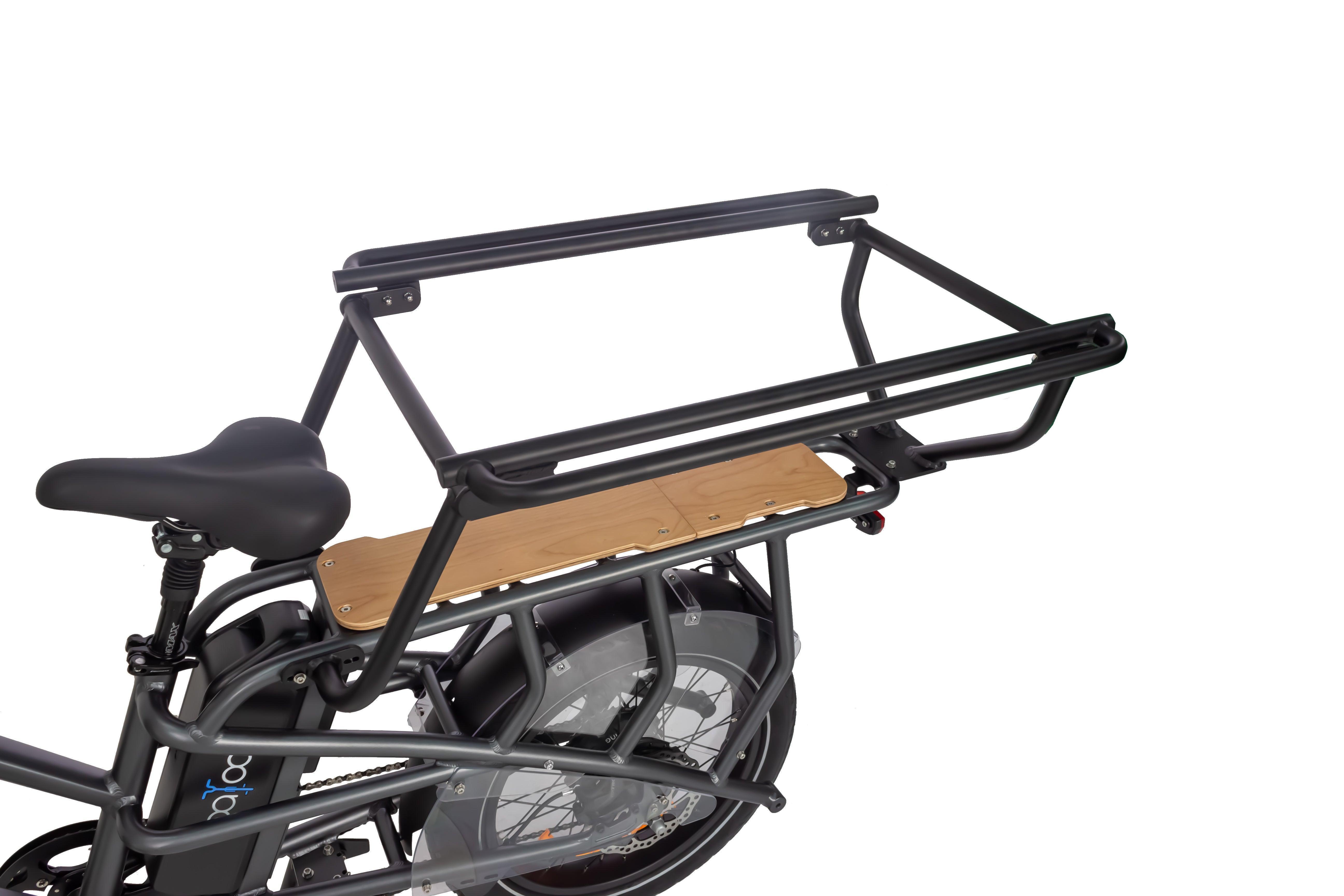
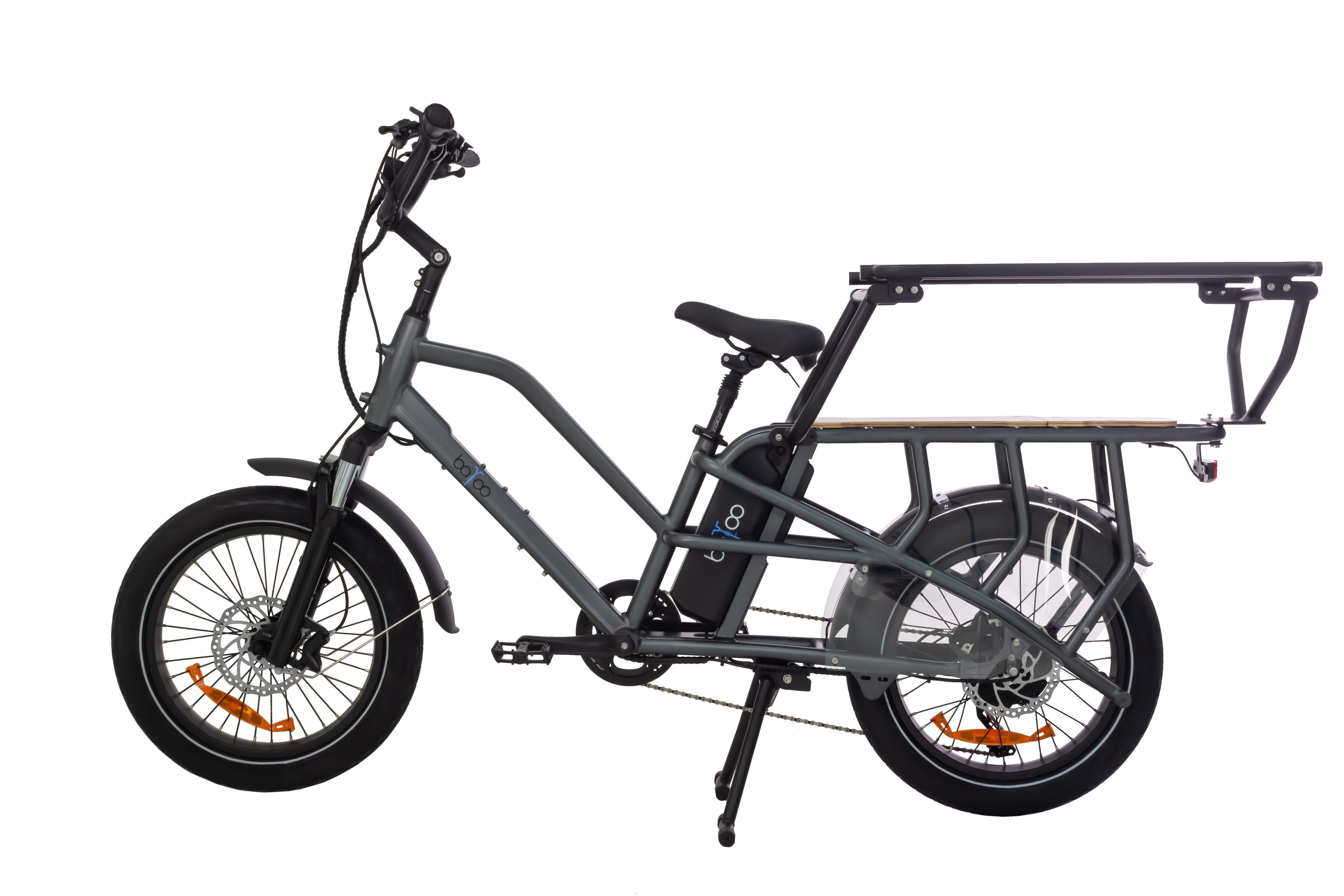
The “Swiss Electric Cargo Bike Subsidy” page of Batoo Bike also reminds us that, for a Batoo cargo bike, the rebate can reach CHF 1000 depending on the municipality, sometimes with additional company contributions to encourage green mobility.
How to find available subsidies in your municipality?
The best method is to combine two sources.
First, an aggregator like the Swiss electric bike subsidies page from bicy, which allows you to select your municipality and see at a glance: percentage, ceiling, types of bikes, frequency, form to download.
Next, check directly on your municipality's website or the local energy program website. For example, the City of Lausanne's Equiwatt program details the specific conditions:
type of e-bike, maximum amount, purchase in an approved store, and exclusions (such as online purchase).
It may seem a bit bureaucratic, but an hour of reading and filling out forms can represent a saving of 300 to 1000 CHF on your bicycle…
What type of bicycle should I buy to maximize the subsidy?

Not all municipalities subsidize bicycles in the same way.
What is most often encouraged:
-
city/trekking bikes for commuting to work;
-
electric cargo bikes (for families, tradespeople, deliveries);
-
sometimes longtails and extended ones.
If you are looking for a versatile bike for everyday use, a 25 km/h trekking e-bike like the NCM Milano Plus often meets the criteria: motor compliant with Swiss limits, luggage rack, comfort for daily commutes and rides.
For compact urban use (train + bike, apartment without large space), a folding electric bike like the NCM Paris may also be eligible for certain subsidies, while remaining easy to store and transport.
If your priority is replacing the car for children, shopping or equipment, a Batoo cargo bike can benefit from the specific aid described on the Batoo subsidies page, with support for the application process.
The important thing is to align three things :
-
your actual usage (journeys, elevation gain, load);
-
the subsidy criteria of your municipality;
-
a model that complies with Swiss regulations (25 km/h, engine power) and is well equipped.
FAQ – Electric bike subsidies in Switzerland
Are the subsidies the same throughout Switzerland?
No. Each municipality decides on the amount, conditions, type of bicycle, and frequency (every 3, 5 years, etc.). Some offer no assistance, while others provide up to 500 CHF for a standard e-bike and 800–1000 CHF for a cargo bike.
Can I receive multiple subsidies?
Sometimes yes (municipality + company, or municipality + cantonal program), sometimes no. Many regulations limit the subsidy to one grant per person or household over a given period . You should check the details in the municipal or cantonal regulations.
Are online purchases accepted?
Often not. Many programs require a purchase from a local specialist retailer and specify that "online purchases are excluded." This is the case, for example, with the Equiwatt program in Lausanne.
Are electric mountain bikes subsidized?
It depends. Some programs exclude full-suspension mountain bikes or road bikes, which are considered sport bikes rather than everyday commuting. Others allow mountain bikes if you genuinely use them as a means of transportation. Municipal regulations specify this (often: “Mountain bikes and road bikes excluded”).
How can I be sure not to miss out on help?
The simplest way is to:
-
Quickly check your municipality on a comparison site like bicy.ch ,
-
Review the conditions on your city's website or your energy program's website.
-
Ask at the time of purchase if the store or Batoo can help you fill out the form, especially for a cargo bike.