Buying an electric cargo bike in Switzerland often means replacing some (or all) of your car journeys. The good news is that by 2026, many municipalities (and sometimes cantons) will be offering a sustainable mobility subsidy that can significantly reduce the cost. The challenge is that the subsidies aren't centralized: the amounts, conditions, and deadlines vary depending on where you live (and whether you're an individual or a business).
In this guide, I show you where to look , what conditions come up most often , how to submit your application step by step , and how to calculate your actual cost after subsidy .
1) Where to find cargo bike subsidies in 2026 (without spending hours searching)
Most programs are managed by:
-
Your municipality (sustainability / energy / mobility / environment department)
-
Sometimes a partner structure (energy fund, local program, etc.)
-
Less frequently, a cantonal program (often with specific criteria)
The fastest method:
-
Search on your municipality's official website: “bike subsidy”, “cargo bike”, “soft mobility”.
-
If you can't find anything: type “cargo bike subsidy + name of your municipality”.
-
Before buying, check 3 points: amount , deposit time , and purchase conditions (partner stores, online purchase accepted or not, new/used, etc.).
2) 2026 Overview: Examples of aid (Romandie + cantonal program)
The exact rules depend on your municipality, but here are some concrete examples (useful for getting an idea of the orders of magnitude).
| Zone / program | Cargo bike price | Conditions that often recur | Typical delivery times |
|---|---|---|---|
| Lausanne program via Equiwatt in Lausanne | 15% of the price, max 1,000 CHF (cargo/longtail) | Purchase from an authorized Lausanne store, online purchase excluded, proof of purchase required (invoice + payment) | Deposit “quickly” after purchase (e.g., 2 months in some programs) |
| City of Yverdon-les-Bains – 2026 subsidies | 30% of the price, max 1,000 CHF | Often partner stores, complete application required | Applications for 2026 open in early January; processing may take several weeks. |
| Municipality of Vevey – cargo bike assistance | 20% of the price, max 1,000 CHF (and possible increase depending on the situation) | Home/Head Office in Vevey, Authorized Dealer, Used Cars Accepted in Store with Warranty | Deposit within a defined period after purchase (e.g., several months) |
| Canton of Geneva – buying a cargo bike | Up to 10% , max 500 CHF | Target primarily independent professionals/SMEs/associations (subject to rules), new bicycle, no leasing, supporting documents required | Filing within the year of the invoice, before an annual deadline |
Important note: even if your municipality doesn't display anything, it doesn't mean that no assistance is available. Some subsidies are listed under "energy" or "climate fund" headings rather than "mobility".
3) Individual vs. company: most common eligibility conditions
For individuals
Expect to see (often):
-
To be domiciled in the municipality (main residence)
-
A limit such as: 1 subsidy every 3 to 5 years per household
-
A purchase from an authorized dealer (sometimes mandatory)
-
A filing deadline (e.g., 2 months, 4 months, 6 months… depending on the city)
-
Limited annual budget: once the budget is exhausted, it's over.
For businesses / freelancers / associations
The programs exist, but are often more structured:
-
Headquarters/activity in the territory
-
File in the company's name (invoice in the company's name)
-
Maximum quantity (e.g., maximum number of subsidized bicycles)
-
Sometimes it's used in a business context (delivery, business trips, internal fleet).
4) Step-by-step approach (simple process, mistakes to avoid)
Step 1: Check the rules BEFORE buying
Before proceeding to checkout, please confirm:
-
Is online purchase accepted?
-
Is the opportunity accepted?
-
Is a pre-application (before purchase) or a post-purchase application required?
-
Which stores are partners ?
-
What is the filing deadline ?
Step 2: Choose the right cargo bike (and prepare the bill)
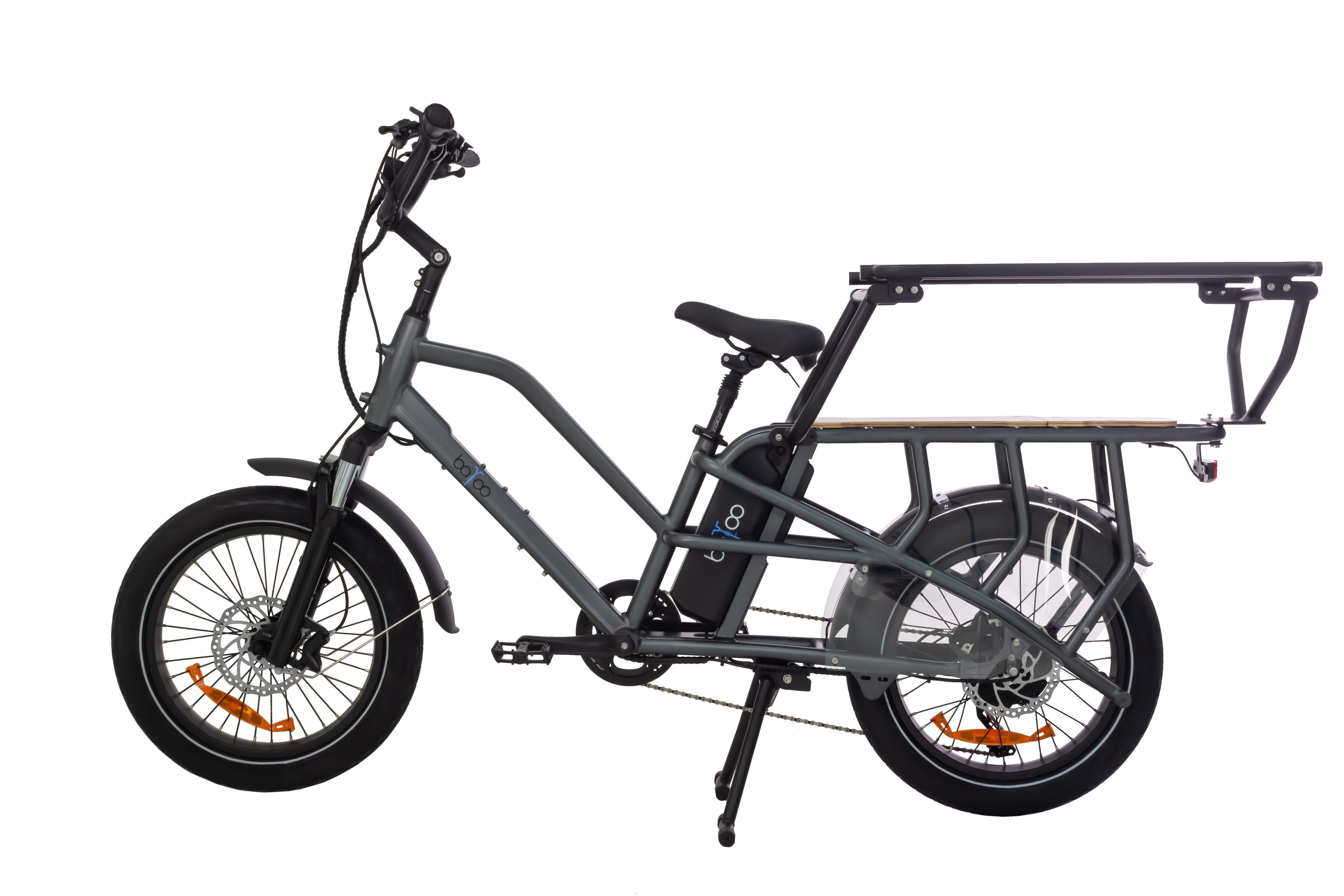
Choose your model based on your needs (children, shopping, deliveries, terrain, distance). If you're looking for a cargo bike designed for everyday travel in Switzerland, you can check out the range on BatooBike , and for example, a model like the Colibri .
At the time of purchase:
-
Request an invoice addressed to your name (first/last name or company name)
-
Check that the invoice includes: brand, model, date, amount, and ideally the serial number
Step 3: Prepare your file (checklist)
Most municipalities require:
-
Invoice in the name of the person
-
Proof of payment (receipt / bank statement)
-
Proof of address (or extract from the business register)
-
IBAN for payment
-
Sometimes: a photo of the bicycle, the serial number, or a signed form
Step 4: Submit the application on time
Submit the application via:
-
Online form (most common)
-
Or PDF file / letter (some municipalities)
Tip: Apply as early as possible . Programs are often “first come, first served”.
Step 5: Monitoring and payment
Depending on the city, treatment can take from a few weeks to a few months. In general:
-
If the application is incomplete: we will contact you to complete it.
-
If accepted: payment to your bank/postal account
5) Calculation of the actual cost after subsidy (clear example)
To estimate your “true” budget, use this formula:
Net cost = Bike price – min(Ceiling, Percentage × Bike price)
Example with a cargo bike at CHF 4,399 :
| Type of grant | Calculation | Estimated amount | Estimated net cost |
|---|---|---|---|
| 15% (max 1,000) | 0.15 × 4,399 = 659.85 | ~660 CHF | ~3,739 CHF |
| 20% (max 1,000) | 0.20 × 4,399 = 879.80 | ~880 CHF | ~3,519 CHF |
| 30% (max 1,000) | 0.30 × 4,399 = 1,319.70 → capped | 1,000 CHF | 3,399 CHF |
| 10% (max 500) | 0.10 × 4,399 = 439.90 | ~440 CHF | ~3,959 CHF |
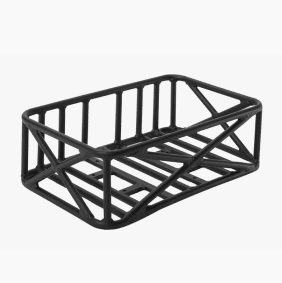
Important: some municipalities calculate the subsidy based solely on the price of the bicycle , and not necessarily on accessories (child seat, basket, rain cover, etc.). Check this before adding many options.
6) Tips to maximize your chances (and avoid rejection)
-
Don't wait : the envelopes can go fast, especially in the spring.
-
Respect the reseller's rule : if the municipality mandates approved stores, a purchase elsewhere may be refused.
-
Make sure the invoice is complete : exact name, address, clear format, date, amount.
-
Keep all evidence : payment, exchanges, supporting documents.
-
Call before buying if any point is unclear (second-hand, purchase outside the municipality, accessories, etc.).
-
If you are a company: prepare a mini summary of usage (deliveries, internal fleet, travel) if the program requires it.
FAQ – Subsidies for electric cargo bikes in Switzerland (2026)
Which Swiss municipalities subsidize cargo bikes?
Many municipalities offer assistance, especially in urban and suburban areas. The most reliable way to find out more is to check directly on your municipality's website (under the headings "Mobility," "Sustainability," and "Energy") or to contact the relevant department.
What amounts can be obtained and under what conditions?
The amounts often vary between 10% and 30% , with a common ceiling of around 500 to 1,000 CHF . The most common conditions are: residence in the municipality, invoice in the customer's name, purchase from a designated retailer, and submission of the application within a specific timeframe.
Are the subsidies available to businesses?
Yes, some forms of assistance are available to freelancers, SMEs, associations , and businesses, but with specific rules (professional use, annual limits, types of eligible organizations, etc.). Be sure to check the official website for your canton/municipality.
How to submit an application and what documents to provide?
Generally: form (often online) + invoice + proof of payment + proof of address/registered office + IBAN . Some municipalities also require a photo of the bicycle or technical information.
How long does it take to get the grant?
On average, allow a few weeks to a few months depending on the municipality and the time of year. In 2026, some cities reported processing times of up to three months when the volume of applications was high.