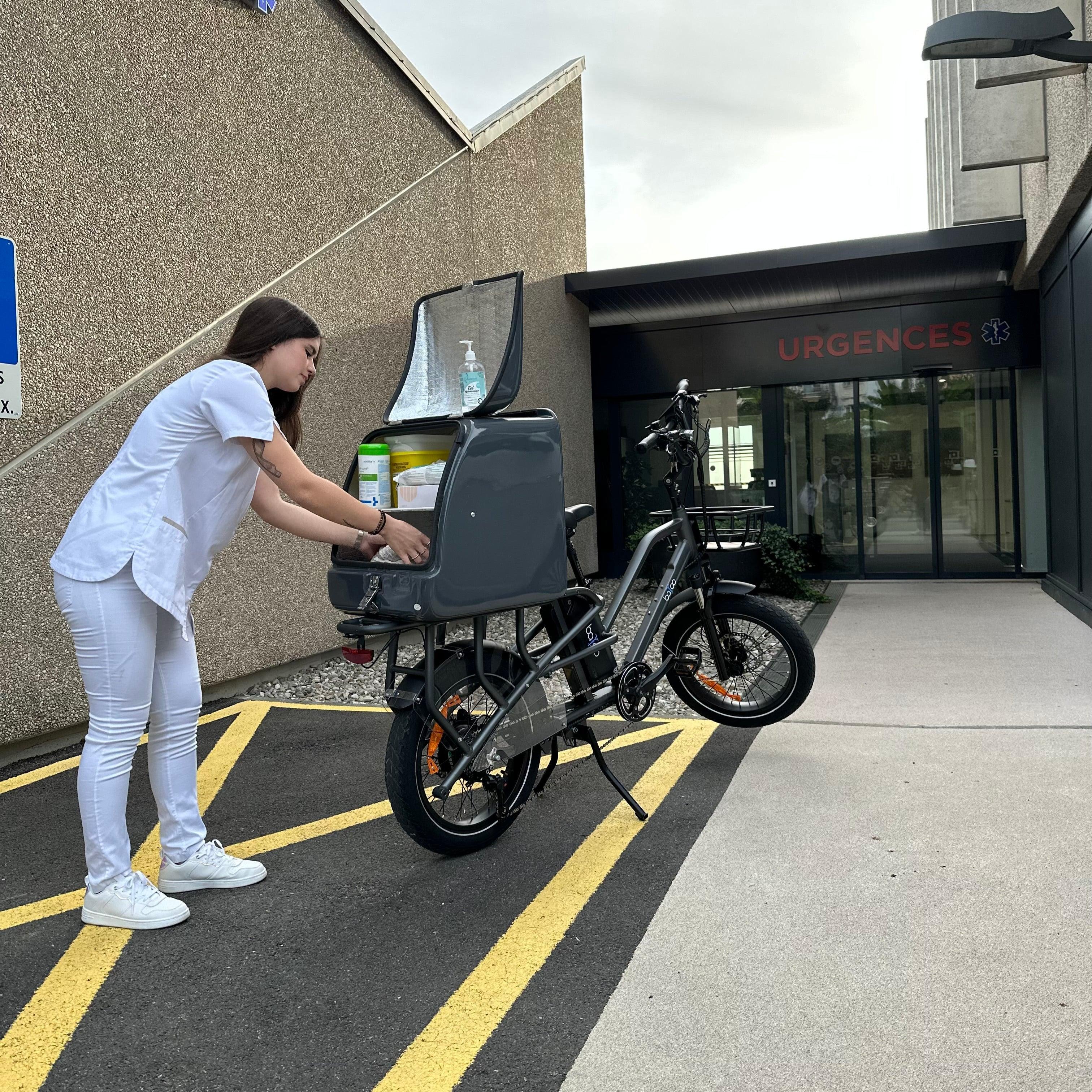
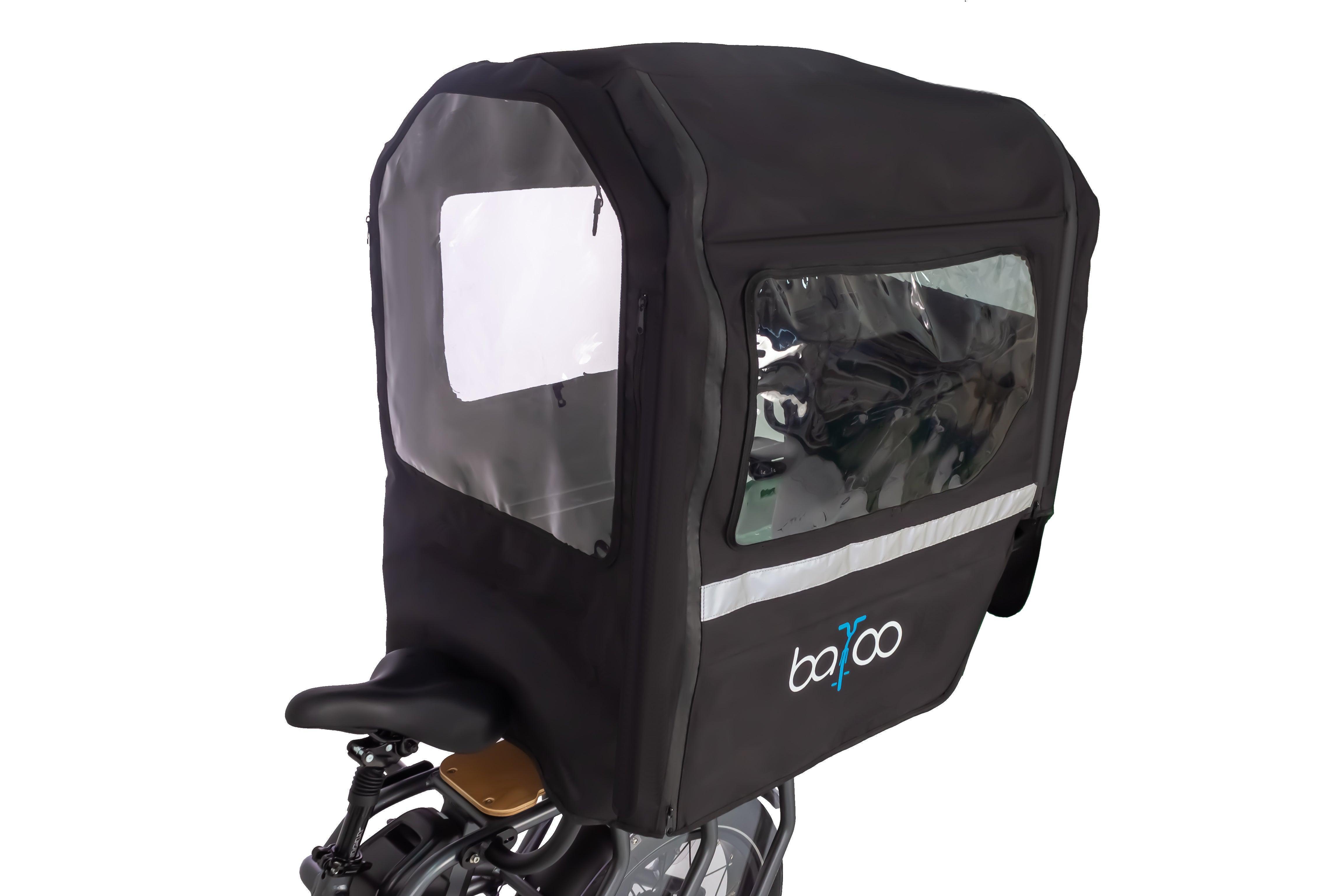
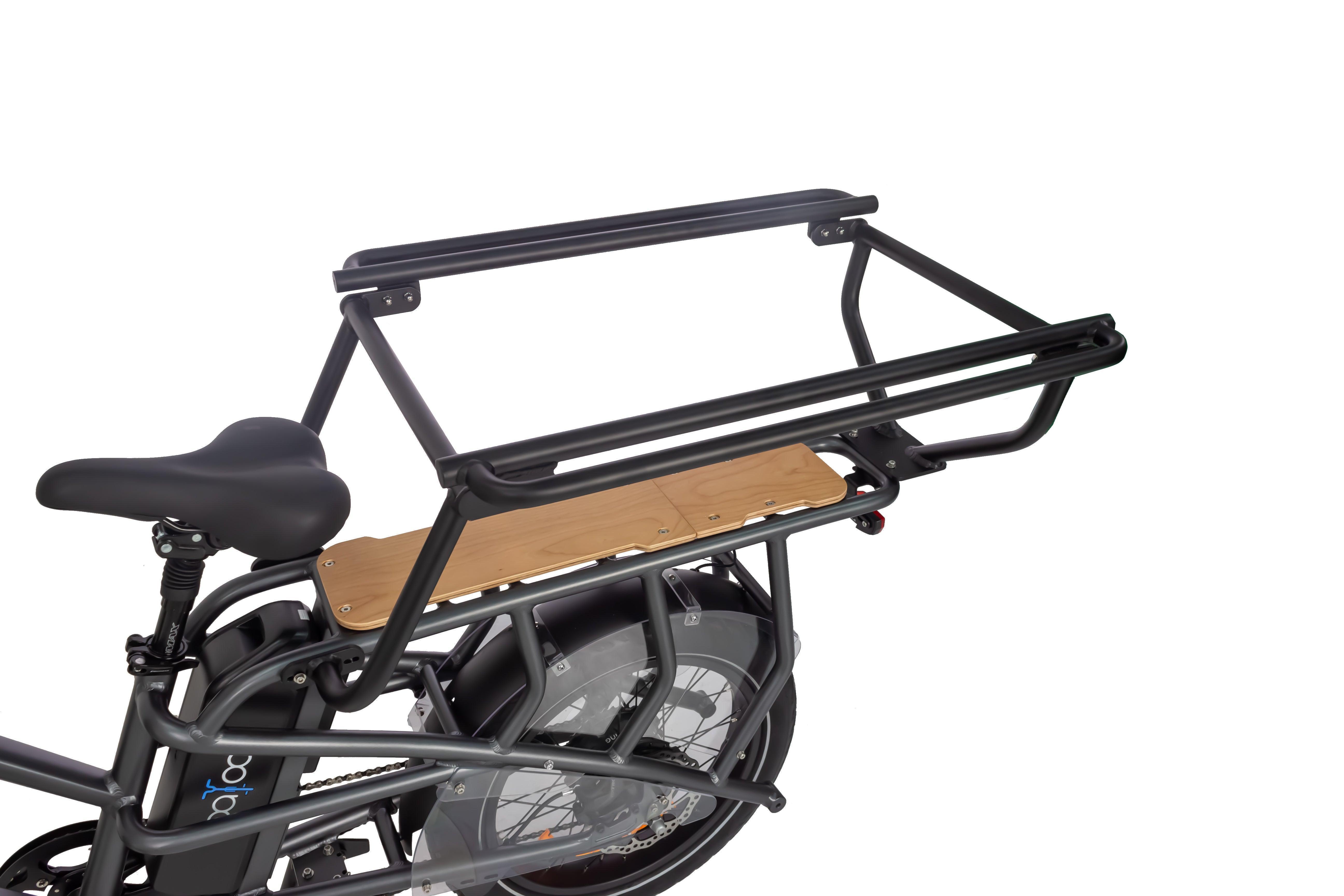
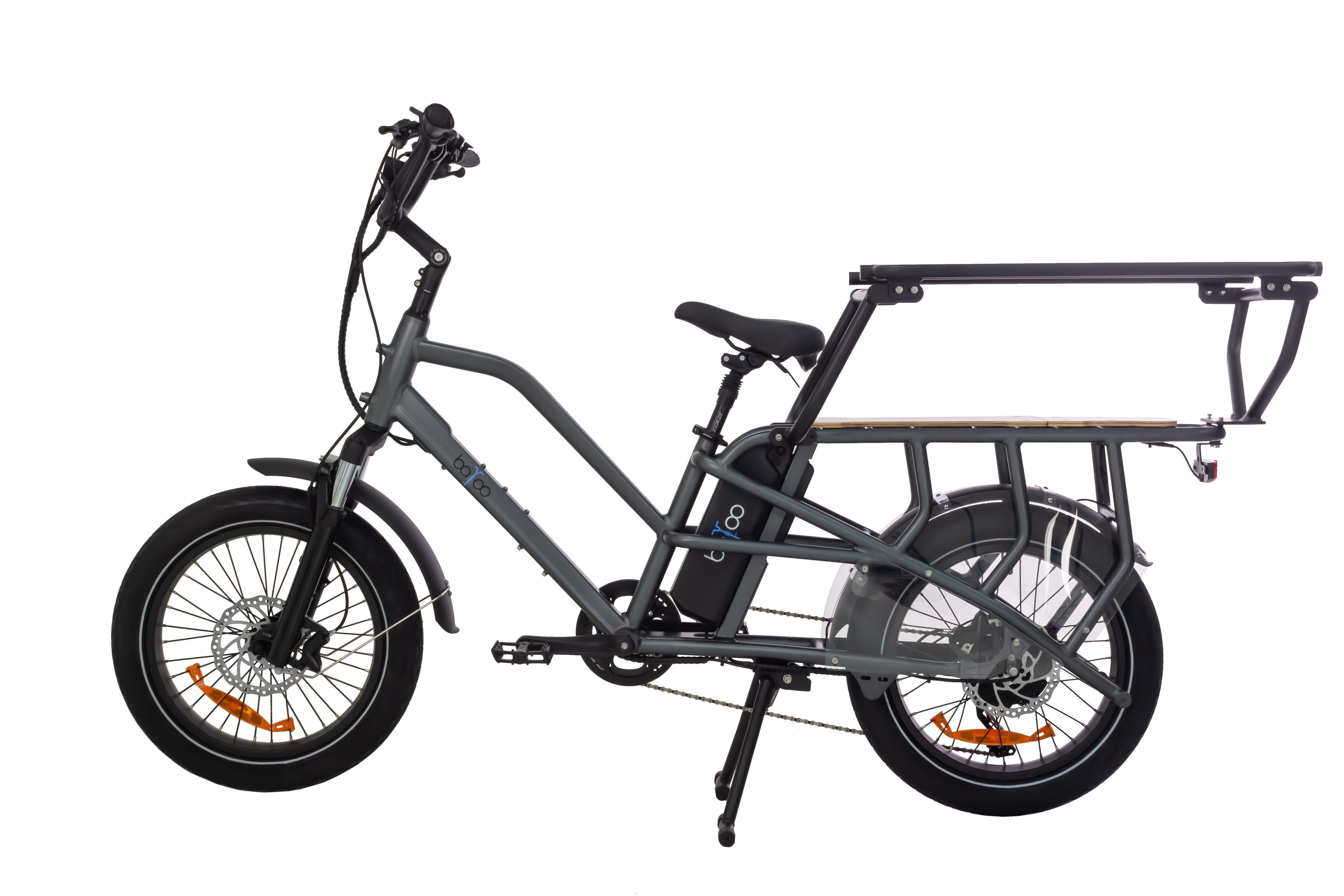
An electric cargo bike takes more of a beating than a regular bike: the bike's weight , the loads it carries , more powerful braking, greater inertia, and often a more utilitarian use (school runs, shopping, daily commutes). As a result, proper cargo bike maintenance isn't just a bonus; it's essential for safety , maintaining a stable range , and avoiding costly breakdowns.
This guide provides a comprehensive checklist (before each ride, weekly, monthly, and semi-annually), tips for cleaning your cargo bike without damaging the electric motor, and when to schedule a professional cargo bike service . The guidelines apply to most cargo bikes, including longtail models like the Colibri electric cargo bike , and more broadly, to everyday bikes from BatooBike .
Why maintenance is crucial (weight, loads, braking)
On a cargo ship, some components wear out faster:
-
Brakes : more mass = more heat = more stress on pads/discs.
-
Tires : pressure and wear become critical (especially when loaded).
-
Transmission : chain/cassette work harder, especially with frequent starts.
-
Wheels / spokes : the load puts the tension to the test (hence the importance of regular checks).
-
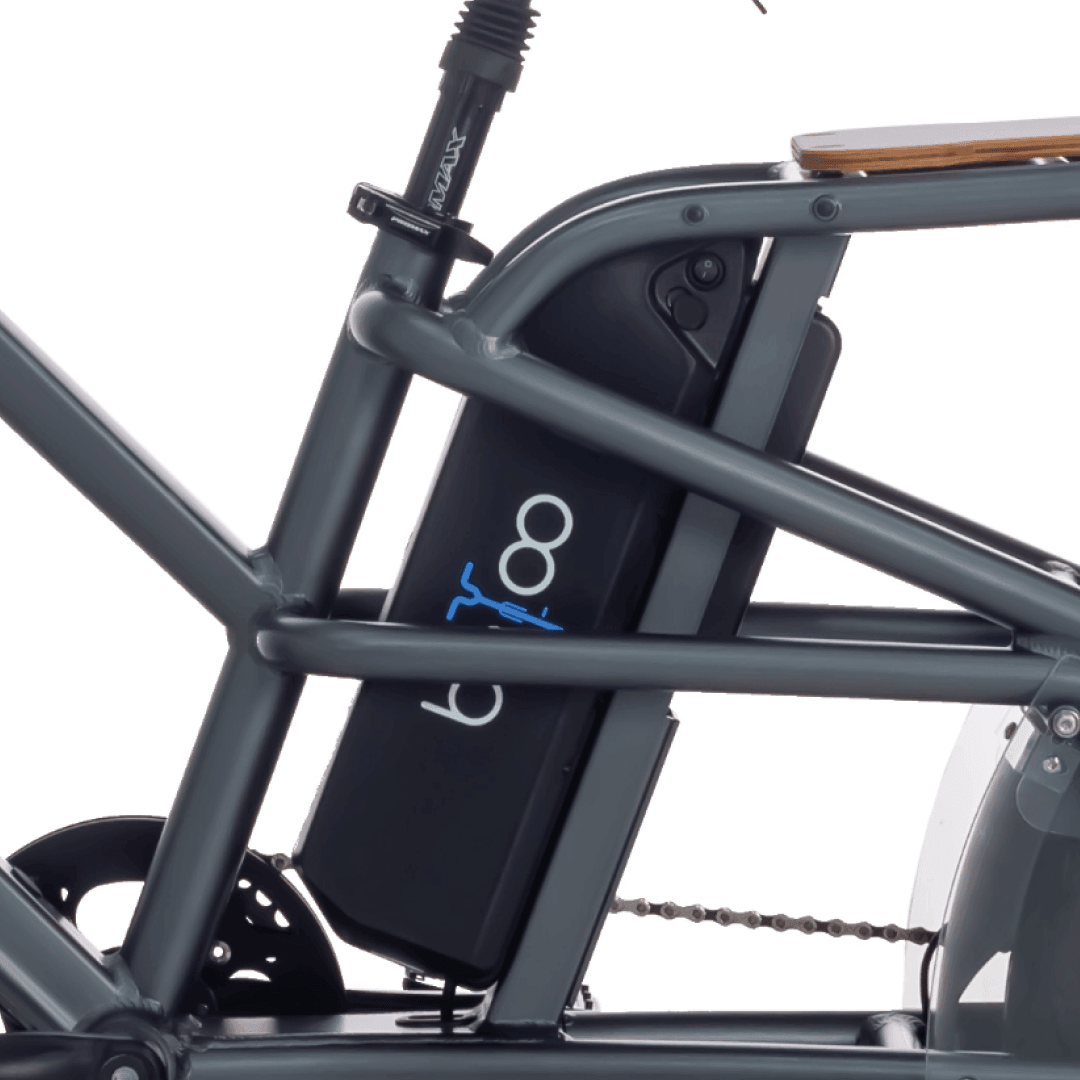
Electrical : connectors, battery, sensors… dirt and moisture can accelerate problems if cleaning is not done properly.
The "before each outing" checklist (2 minutes)
These quick checks reduce the majority of cargo bike security control problems.
| To be checked | How to do | Objective |
|---|---|---|
| Tires | Correct pressure + no cuts/hernias |
Stability, autonomy, puncture-resistant |
| Brakes | Test at standstill + short braking at low speed |
Power and progressiveness |
| Direction | No play in the handlebars/stem | Stable handling |
| Load/fixings | Nothing is moving (seat, crate, bag, luggage rack) |
Avoid imbalances |
| Lighting | Functional front/rear | Visibility |
| Battery | Battery securely locked. sufficient level |
Avoid breakdowns and outages |
Tip: On a cargo bike, if you feel a "spongy" brake, a metallic noise, loose handlebars, or a visibly underinflated tire, don't set off loaded. Correct it beforehand.
Weekly and monthly routine (tires, brakes, transmission)

Weekly (if used daily)
-
Tire pressure : it's the best lever for range + safety.
-
Quick cleaning : damp cloth on frame and exposed areas (without watering).
-
Transmission : wipe the chain and apply a suitable cargo chain lubrication (dry/wet).
-
Brakes : check noise, power, and presence of grease on the discs (if braking “slips”, it is often contamination).
Monthly (or every 200–400 km)
-
Chain : more thorough cleaning + lubrication.
-
Tire wear : rubber in the center, sidewalls, micro-cracks.
-
Tightening : stem, seat post, luggage rack, kickstand, cargo accessory screws.
-
Spokes/wheels : identify a wobble (wheel rubbing), or a loose spoke (its “dullness” when you pinch it lightly).
Practical routine table:
| Frequency | Cargo bike maintenance tasks | Duration |
|---|---|---|
| 1–2 times/week | Tire pressure, brake test, check tightening load |
2–5 min |
| 1x/week | Light cleaning + lubrication cargo chain |
10 min |
| 1x/month | Transmission cleaning + inspection tire/brake pad wear |
20–30 min |
Semi-annual checks (brake pads, cables, wheels): what not to skip
Every 6 months (or more often if you drive a lot, in hilly terrain, or with a heavy load):
-
Brake pads : if braking performance decreases or if you hear a "metallic" noise, check for wear.
-
Discs : check that they are not warped (from rubbing) and that they remain clean.
-
Cables/sheaths (if mechanical brakes) : no fraying, no hard spots.
-
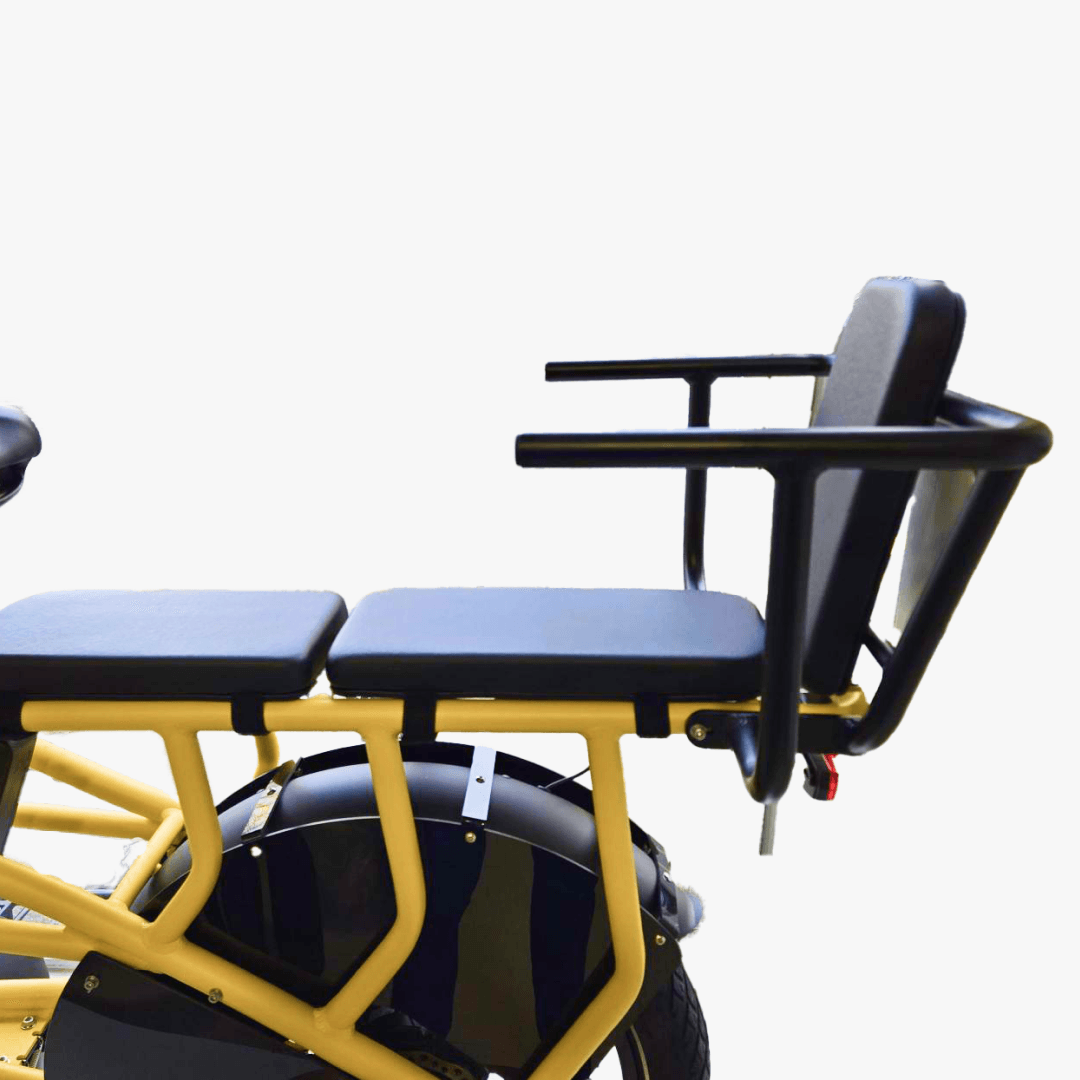
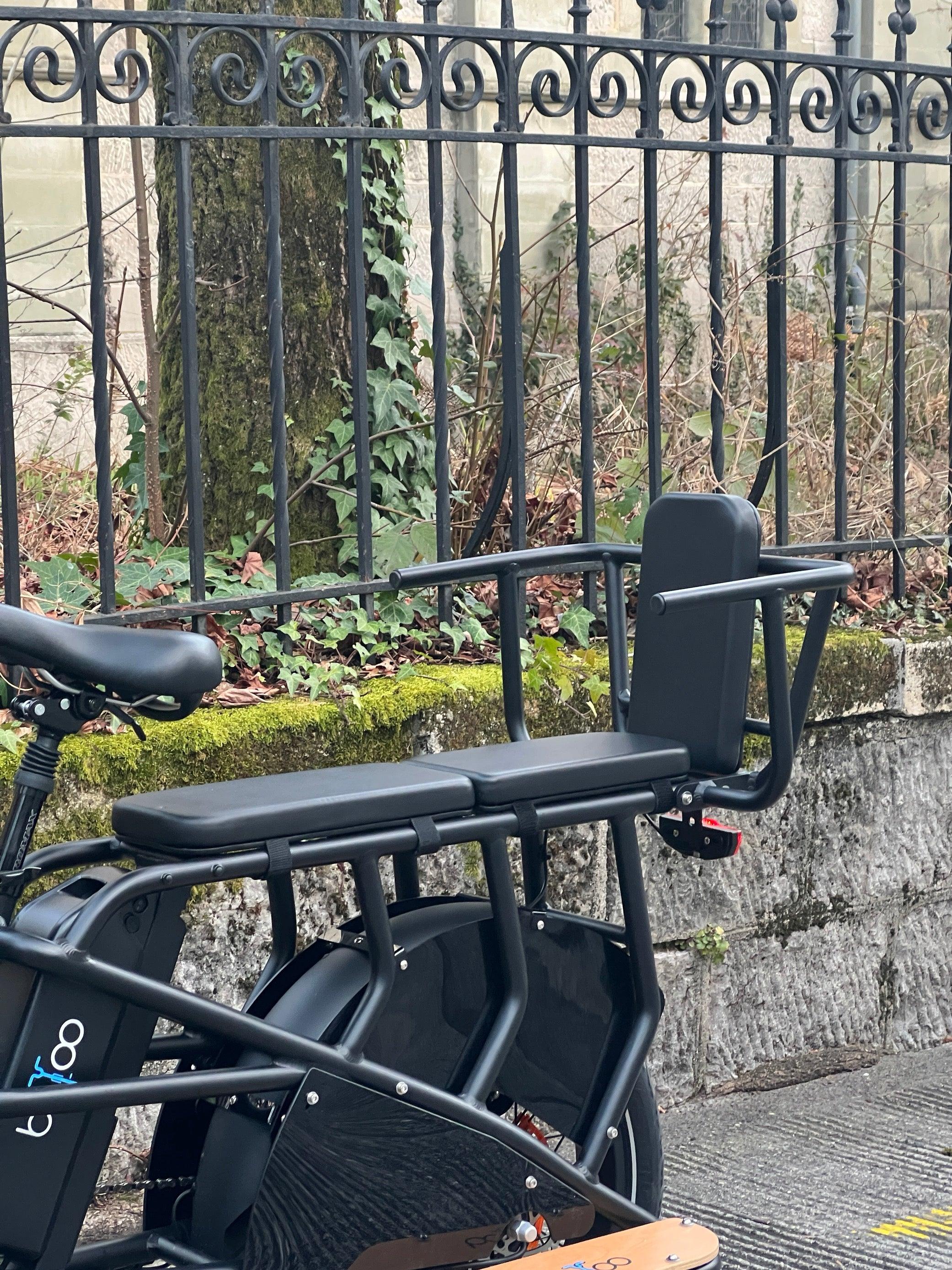
Cargo hardware : kickstand, load carrier, baby seat, crate/platform.
-
Wheels : spoke tension and absence of play in the hubs.
If you are transporting children or heavy loads: consider these checks as “priority”, not optional.
Cleaning: protect the electrical components (frame, motor, connectors)
The number one mistake is using a powerful jet of water. For electrical cleaning, the safest rule is simple: gentle and controlled cleaning.
Best practices:
-
Remove the battery if it is removable.
-
Use a damp cloth, a soft brush, and avoid soaking sensitive areas.
-
Dry thoroughly (especially around the connectors).
For battery cleaning rules and protection of electronic components, you can follow the official Bosch eBike recommendations (battery cleaning/care, avoid direct jet and high pressure) .
Battery and motor maintenance (range, lifespan, best practices)

Battery: what really changes battery life
-
Avoid complete discharge as much as possible.
-
Recharge regularly if you are not using the bike for a period of time.
-
In winter, the battery drains faster: plan your journeys in advance and store it in a temperate place if possible.
For simple advice adapted to the Swiss climate (recharging, storage, avoiding complete discharge, periodic recharging when not in use), you can rely on the TCS advice for battery maintenance in winter .
Engine: “smart” maintenance
Most modern engines do not require daily maintenance, but they hate:
-
pressurized water,
-
the mud that dries on the sensor areas
-
wet or oxidized connectors.
Gentle cleaning, drying, and regular visual inspection already make a big difference.
Storage and protection (weather, dust)
If your cargo bike is stored outdoors or in a damp location:
-
Use a breathable cover (to avoid the “condensation” effect).
-
Protect the transmission (use a suitable oil/lubricant).
-
Keep the battery dry and at a reasonable temperature if possible.
If you are not driving for several weeks: do a quick monthly check (tires, brakes, battery condition).
When should you call in a professional?
Certain situations require a workshop visit:
-
braking that loses a significant amount of power
-
metallic noises, constant rubbing
-
warped wheel, broken spoke or very uneven tension
-
play in the direction or transmission
-
recurring electrical error message
-
battery life that drops suddenly without explanation
For “family” or “professional” use, a cargo bike service 1 to 2 times a year is often a good rhythm (depending on mileage, terrain and loads).
FAQ - Electric Cargo Bike Maintenance
How often should I maintain my cargo bike?
Before each ride: 2-minute checks (tires, brakes, load, lights). Then, a weekly routine for the drivetrain and a more thorough monthly check. A six-monthly service is recommended if you ride frequently or carry a heavy load.
How to clean the frame and protect the electrical components?
Gentle cleaning: damp cloth, soft brush, no direct jet or high pressure. Remove the battery if possible and dry the areas near the connectors.
What checks should be done before each outing (tires, brakes)?
Tire pressure, brake test, steering without play, cargo accessories securely fastened, lights functional, battery locked.
How to maintain the battery and engine?
Recharge regularly, avoid complete discharge, store at a moderate temperature if possible (especially in winter). Clean gently and inspect the connectors, without using pressurized water.
When should you call in a professional?
As soon as there is a noticeable decrease in braking performance, abnormal noises, a warped wheel, play in the steering, or repeated electrical errors, it is best to intervene early, especially on a cargo ship.