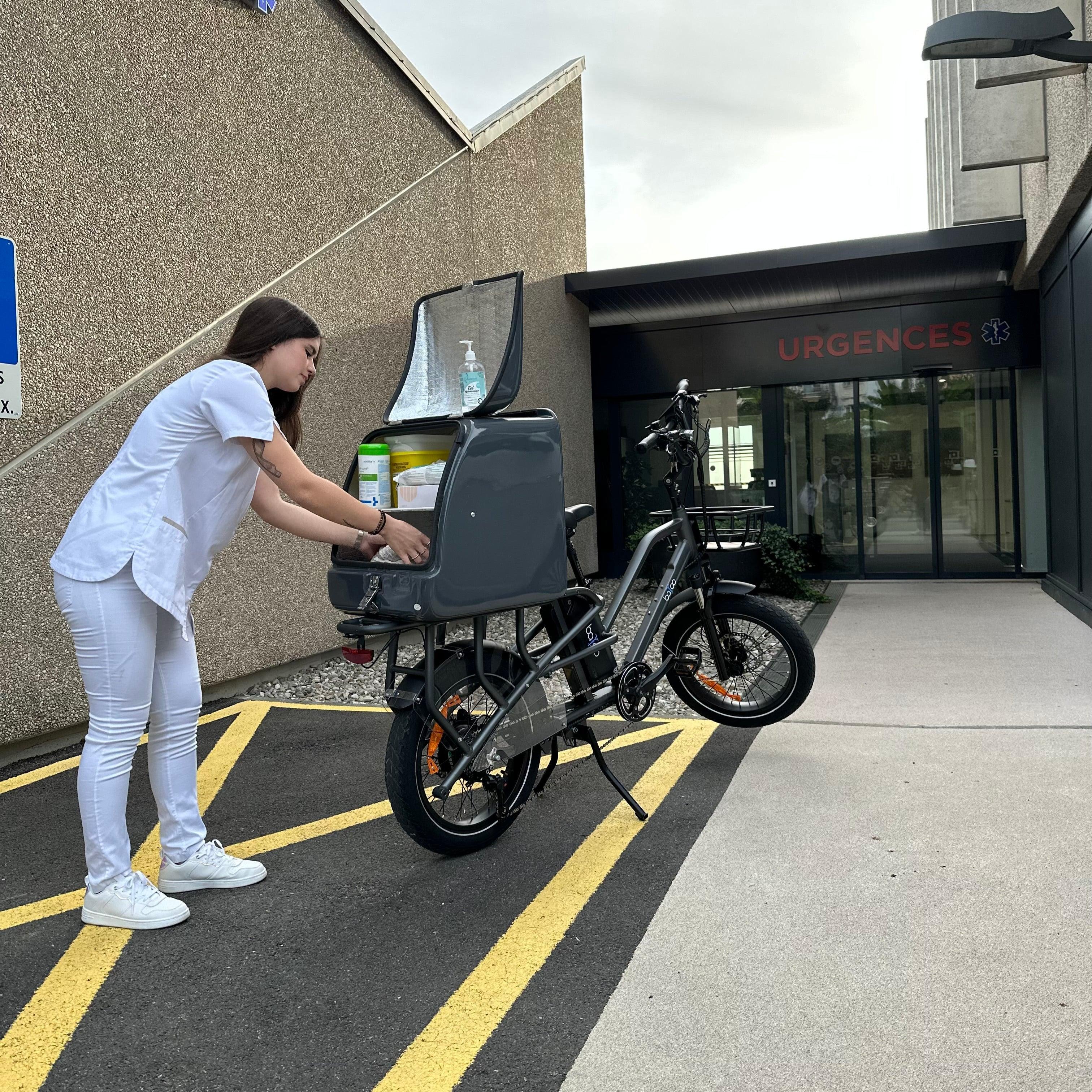
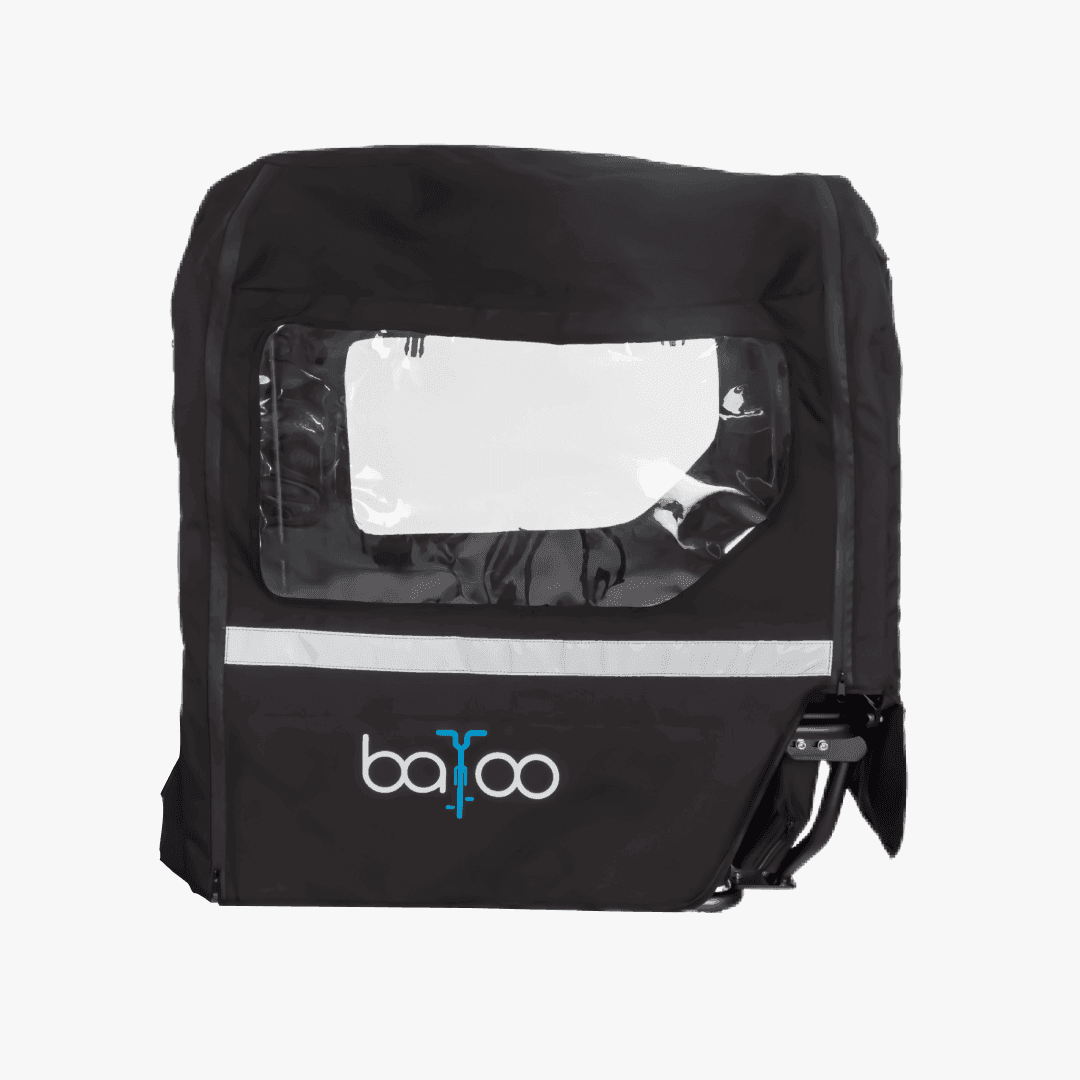
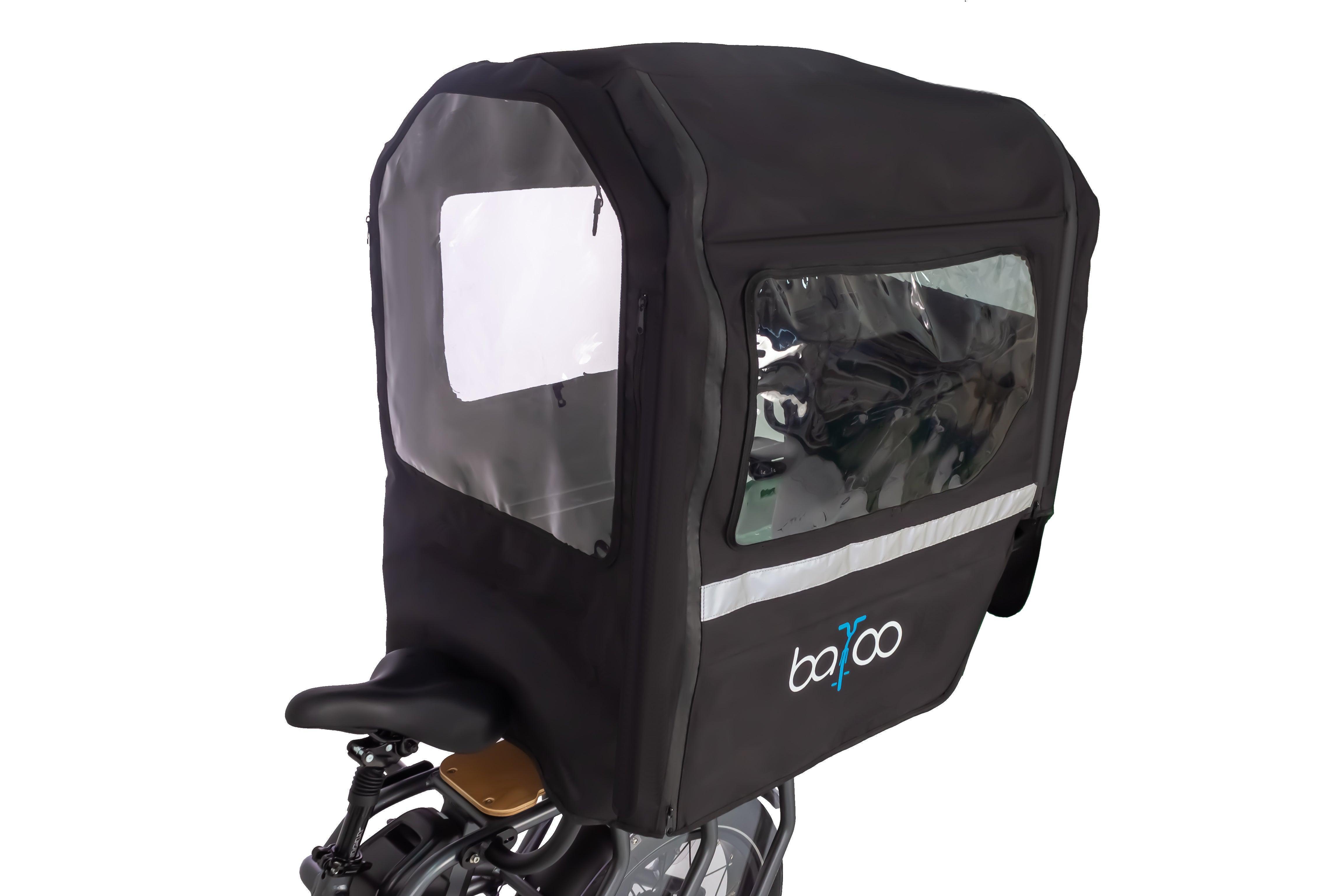
Between a cargo bike and a bike trailer , there's no single "best choice": it all depends on how often you'll use it, the types of journeys you'll be making (city, hilly terrain, trails), what you'll be carrying (1-2 children, groceries, equipment), and your budget. This guide helps you decide with a clear comparison of capacity , safety , size , and cost , followed by recommendations tailored to different user profiles.
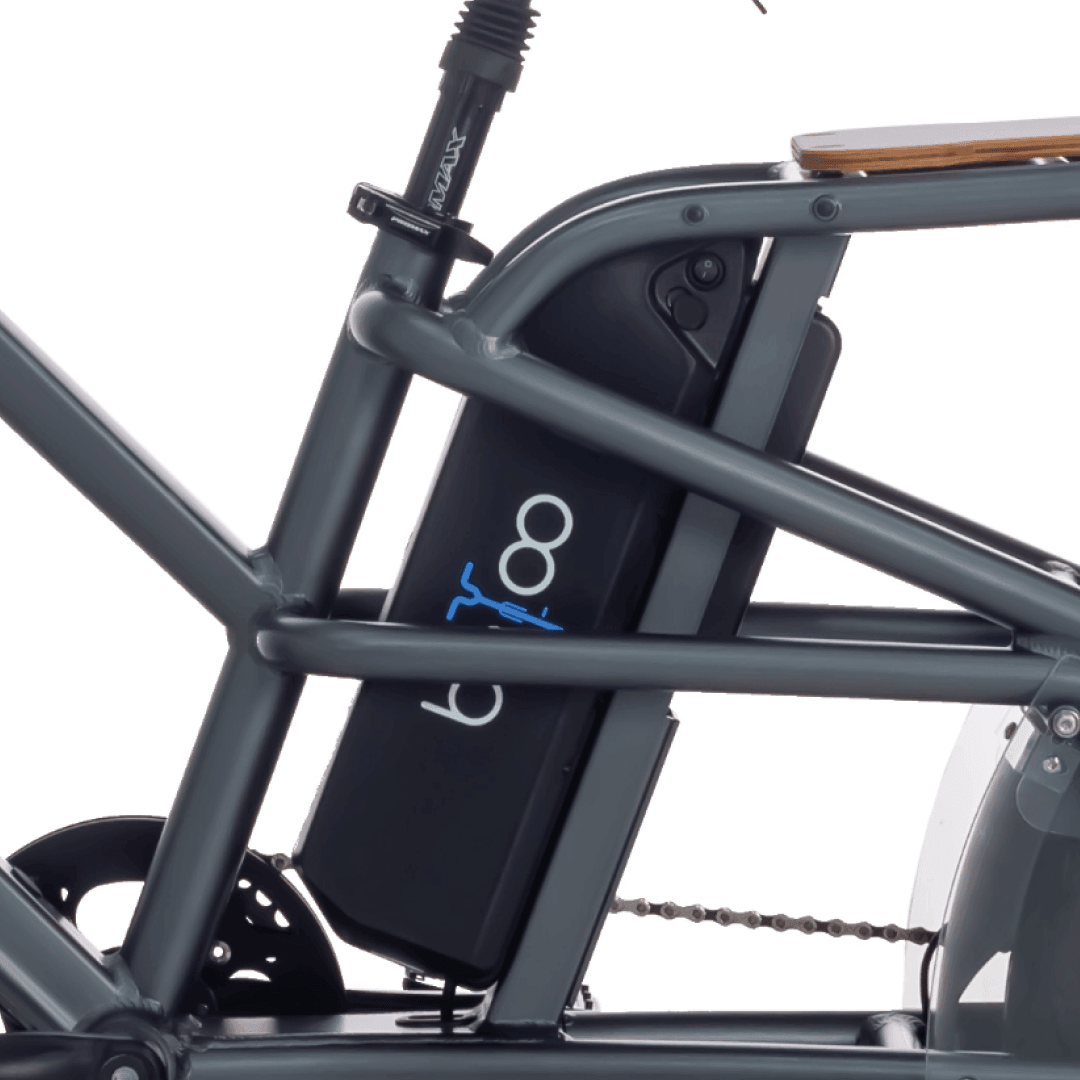
If you are considering a cargo bike for everyday use in Switzerland, you can also look at a model like the Colibri electric cargo bike , as well as the cargo and accessories section on BatooBike .
Capacity, comfort and safety: the key differences

1) Load capacity: cargo vs. trailer
-
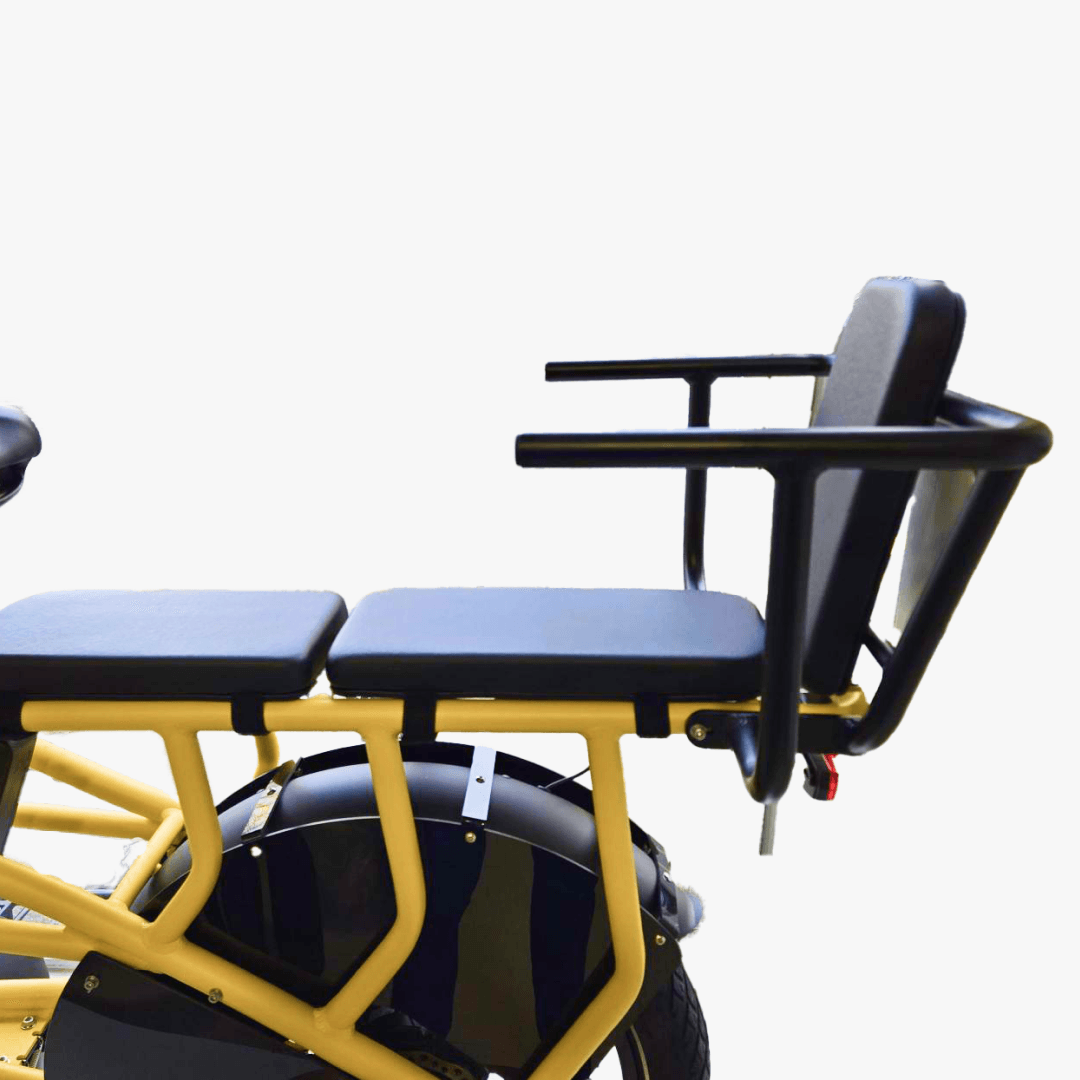
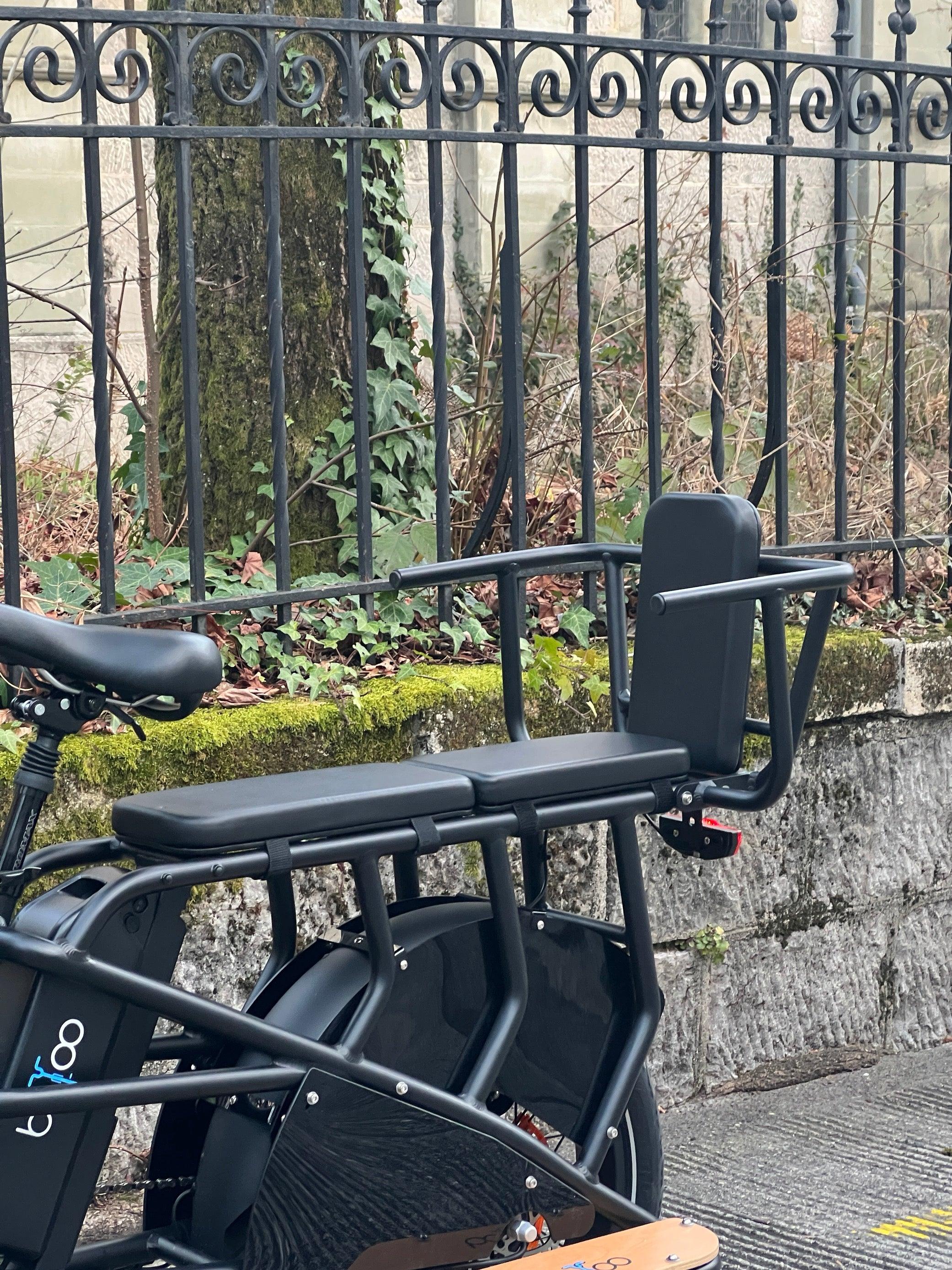
Cargo bike : designed to carry weight on the bike (platform, box, longtail). The feeling is more "integrated" and often more stable when heavily loaded, especially if the frame and brakes are designed for it.
-
Trailer : carries the load behind the bike. Very practical for bulky loads and for 1-2 children, but handling and braking require more anticipation (inertia).
Here is a simple comparison (to be adapted according to the models):
| Criteria | Cargo bike | Bicycle trailer |
|---|---|---|
| Load transported | Excellent capacity, designed for heavy use | Good capacity, but depends a lot on the model and the load |
| Children | Very practical for everyday use (getting on/off, stopping) | Very practical for 1-2 children, especially on quiet journeys. |
| Stability | Stable if properly sized, center of gravity controlled | Stable during smooth driving, but more sensitive to sudden braking and tight corners. |
| Comfort | Excellent with good equipment (seats, protective gear, etc.) | Variable comfort: suspension and interior make all the difference |
2) Safety: Is the trailer as safe as a cargo bike?
Regarding the safety of “transporting children”, two points often stand out:
-
The TCS (Touring Club Switzerland) states that trailers are a very safe way to transport children and recommends careful driving, particularly avoiding high speeds with a loaded trailer. You can refer to their analysis in their guide on child trailers .
-
The BPA (Swiss Council for Accident Prevention) also points out that trailers can be safer than some alternatives, particularly because the child sits lower and is better protected in many accident scenarios. Their page “In road traffic with children” effectively summarizes the principles of prevention.
What this means in practical terms:
-
When towing : priority should be given to a stable, highly visible model with a harness, and ideally suspension for comfort and road holding.
In cargo : priority is given to the quality of the brakes, stability (frame, wheels), and appropriate protections/seats (depending on configuration).
Maneuverability and size in the city

This is often THE deciding factor.
Cargo bike
Easier to maneuver “like a bicycle” (especially compact longtails), but can be longer and heavier to carry/store.
Easier to stop, start again, go up a curb gently, and weave through at low speed (depending on width).
Trailer
Very practical for transforming any bike into a “utility vehicle”, but you gain in overall length .
Beware of tight turns, bollards, chicanes, and narrow passages: the bike can get through... the trailer sometimes less so.
Simple rule:
Lots of city driving + complicated parking + short journeys = advantage of a compact cargo bike .
Easy journeys + occasional need + possible storage = trailer advantage.
Budget: purchase, maintenance and resale value
Purchase cost
Trailer : generally much cheaper than a cargo ship (but the difference depends heavily on the level of safety/quality).
Electric cargo bike : a larger investment, but designed to replace a car for daily commutes. For example, the Colibri is listed at around CHF 4,399 on BatooBike.
Interview
Trailer : little maintenance (wheels, tires, hitch), but it adds stress to the towing bike (braking, transmission, tires) if you ride loaded often.
-
Cargo bikes require more "bicycle-like" maintenance, but more frequent if used intensively (brakes, tires, transmission). The advantage: everything is designed to withstand the strain.
Resale value
A branded trailer in good condition resells quite well, but the market is very sensitive to the condition (canvas, chassis, wheels).
A well-maintained, branded cargo ship often retains good value if it is in local demand.
Typical uses: family, shopping, pets
| Use | The most logical | For what |
|---|---|---|
| Drop off the children every day (school/nursery) | Cargo bike | Faster to charge/discharge, more "integrated", more practical for everyday use |
| Weekend outings + holidays, occasional use | Trailer | Excellent value for money if you don't use it every day. |
| Heavy running 2–4 times/week | Cargo (or trailer depending on distance) | Cargo = practicality and stability; trailer = large volume but longer/more cumbersome |
| Transporting an animal | Trailer or cargo depending on size | Trailer: enclosed cabin possible; cargo: easy access with a suitable container |
| Significant elevation change | Electric cargo | Assistance + stability, especially when loaded |
Recommendations based on profiles
Choose a trailer if:
You want a limited budget,
You transport children/loads on an occasional basis,
You already have a good bike and you want to "transform" it.
You have space to store the trailer.
Choose a cargo bike if:
You transport children/loads very often (several times a week),
You want to replace some of your car journeys,
-
You need a stable and easy-to-drive vehicle (stops, starts, parking, maneuvers),
You drive in the city and you want a smooth daily experience.
Is it easy to convert a trailer into a cargo ship?
Yes, and it's actually a common trajectory:
Many families start with a trailer (budget + usage test).
If they are used daily (school, shopping, regular journeys), they switch to cargo for comfort and practicality.
What transfers well:
your routine (routes, rain gear, anti-theft devices, visibility),
your safety habits (checks, smooth driving, anticipation).
What's changing:
maneuverability (you will no longer have the “bike + trailer” length),
loading time (often faster on cargo ships),
the investment (higher, but often more profitable if used intensively).
FAQ
What are the load capacities: cargo vs trailer?
A cargo bike is designed to carry weight on the bicycle and remain stable, even under heavy use. A trailer can carry a significant volume, but it requires more anticipation when cornering and braking, especially when loaded.
Is the trailer as safe as the cargo bike?
A good quality trailer, when used correctly, is considered a very safe way to transport children. The TCS and BPA provide helpful guidelines on safety criteria and best practices.
What is the impact on space and cost?
A trailer is often cheaper but adds length and can be a hindrance in the city. A cargo bike costs more, but it's designed for simple and quick daily use (loading, maneuvering, parking).
In what cases should one be preferred over the other?
Trailer: occasional use, low budget, quiet journeys.
Cargo: frequent use, city, need for practicality and stability, partial replacement of the car.
Is it easy to convert a trailer into a cargo ship?
Yes. Starting with a trailer is a good way to test its suitability. If the journeys become daily, a cargo bike often becomes more comfortable and practical.