Why the equipment of a speed bike is a serious subject
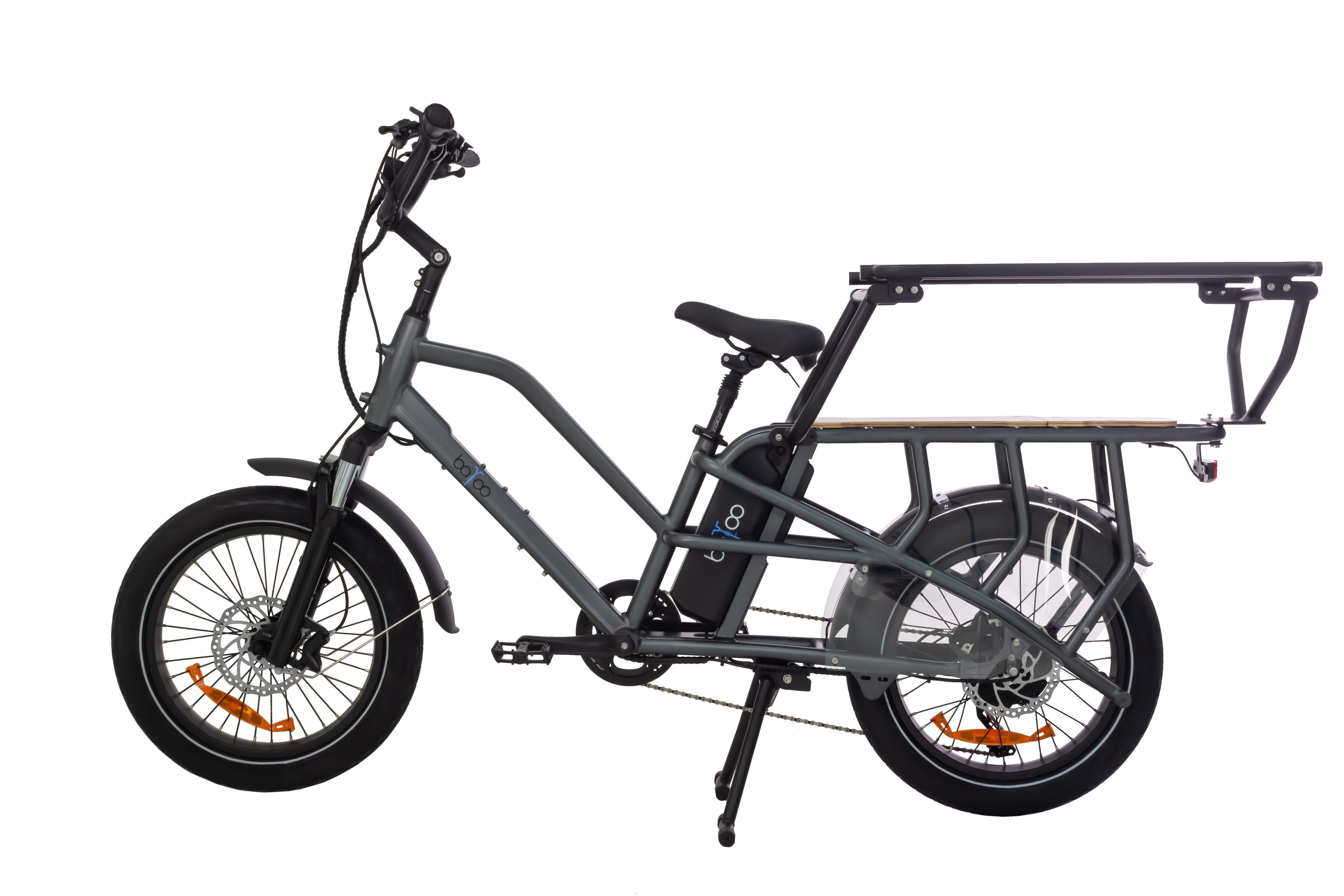
A 45 km/h speed bike is not simply a "slightly faster bicycle." In Switzerland, it is classified as a speed pedelec and therefore as a moped . It can reach 45 km/h with a motor power of up to 1 kW.
At that speed, the energy generated in the event of a fall is much closer to that of a scooter than a conventional bicycle. This is why the law mandates certain equipment (helmet, lights, speedometer for faster riders, license plate, etc.) and why safety organizations emphasize visibility and protective gear.
Even if you already ride a 25 km/h e-bike, switching to a speed bike requires reviewing your level of protection , your riding style and… your checklist before setting off.
Speed bike helmet: what the law requires, what it really protects

In Switzerland, helmets are mandatory for speed bikes. There's no room for discussion.
The Swiss Council for Accident Prevention (bpa/BFU) reminds users of speed pedelecs that they must wear a bicycle helmet approved according to standard EN 1078. This requirement also applies to a child transported in a seat attached to the speed pedelec.
In practice, several options exist:
-
EN 1078 bicycle helmet : this is the legal minimum.
-
NTA 8776 “speed pedelec” helmet : better enveloping, tested for higher speeds, it offers better protection at 45 km/h (even if the law does not yet explicitly require it in Switzerland).
-
ECE 22.05 / 22.06 motorcycle helmet : approved, very protective in case of a fall, but heavier and less ventilated.
The most important thing is a helmet:
-
well fitted,
-
which does not move when you shake your head,
-
replaced after an impact or if it is damaged.
Choosing a “high-end” helmet on a speed bike is not a luxury, it is simply consistent with the speed at which you ride.
Legal equipment for speed bikes: what the law requires
Beyond the helmet, the speed bike must comply with a set of technical requirements.
The Federal Roads Office (OFROU / ASTRA) reminds users that fast e-bikes must:
-
to be registered with a yellow license plate and RC sticker,
-
must be driven with a suitable license (category M minimum),
-
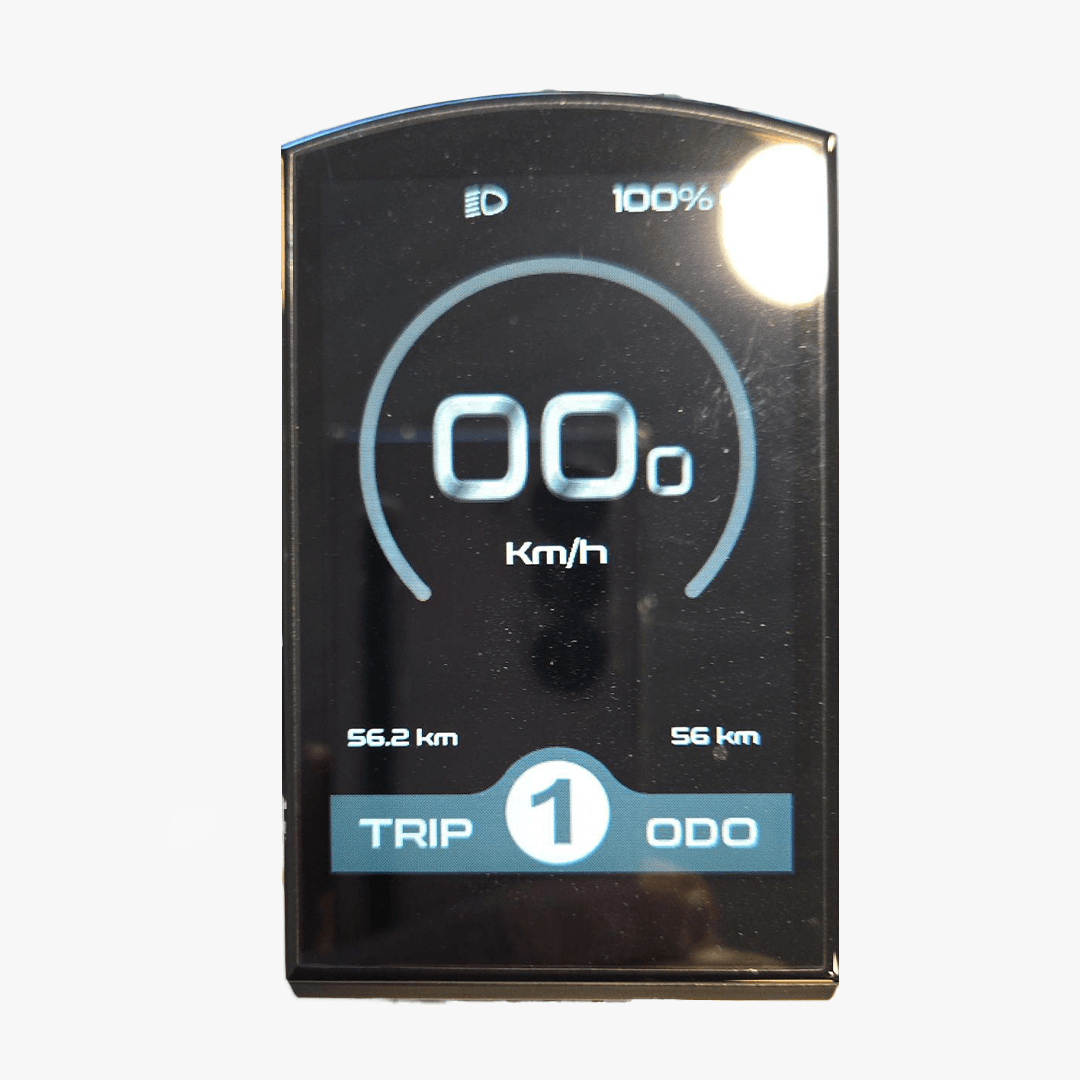
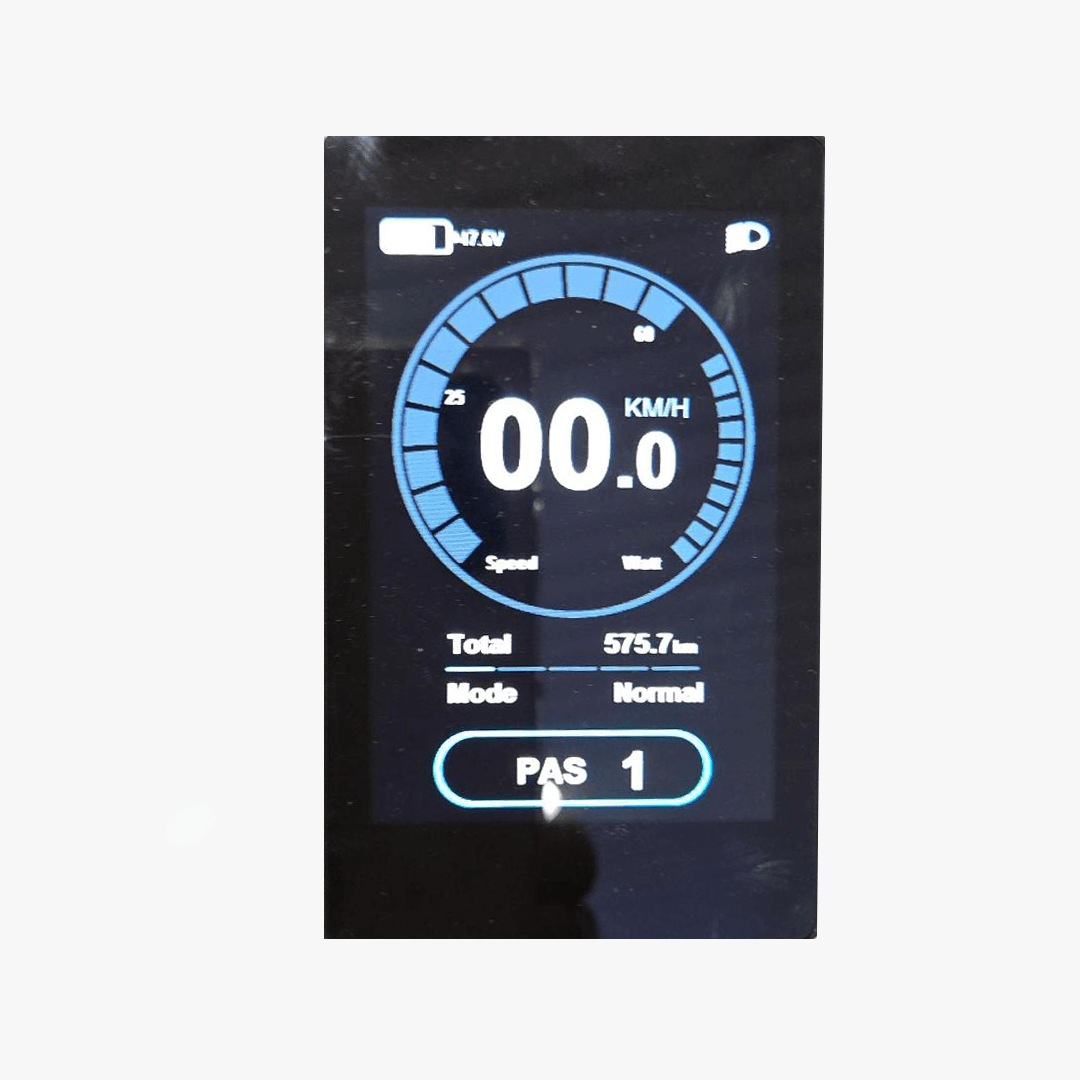
be equipped with a speedometer ,
-
driving with the lights on all the time .
Regarding the equipment for the bicycle itself, the main points are as follows:
-
Lighting : a non-flashing white headlight at the front, a red one at the rear. Additional lights are permitted provided they do not cause glare.
-
Reflectors / reflective elements : required on certain points (pedals, sometimes spokes, etc.), and strongly recommended to increase visibility.
-
Audible warning device : doorbell or horn.
-
Rearview mirror : mandatory on fast e-bikes in Switzerland, normally on the left, to keep an eye on traffic coming from behind.
Turn signals are not mandatory, but TCS reminds drivers that they are permitted if they are yellow and mounted in a symmetrical pair . They can improve visibility, but do not replace the need to signal direction with your arm, especially if the signal is not clearly visible.
In summary: if your speed bike comes from a reputable shop, it should already be compliant. But it's up to you to regularly check that everything is working: lights, brakes, speedometer, mirrors, reflectors.
Gloves, clothing and protective gear: what the experts recommend

Gloves are not legally required for speed bikes, but safety organizations strongly recommend wearing them. Hands often hit the ground first in a fall, and full-face gloves minimize the risk of burns and cuts.
For a speed bike, aim for gloves:
-
full sets (not just half-fingers),
-
with reinforced palms,
-
If possible , EN 13594 certified (motorcycle glove standard), for real abrasion resistance.
Regarding clothing, the recommendations from BPA and TCS are simple:
-
light or bright colors,
-
reflective elements (vest, strips, inserts),
-
possibly a lightweight motorcycle-type jacket for better protection of shoulders and elbows.
Remember that visibility is a key element: a cyclist with reflective elements can be seen up to 140 m , whereas with dark clothing he is often visible from less than 30–40 m only.
Speed bike lock: protecting your investment too

A speed pedelec capable of 45 km/h is expensive and attracts unwanted attention. While the law doesn't mandate a lock , in practice it's essential.
Basic recommendations:
-
Choose a U-lock or a very sturdy chain.
-
lock the frame to a fixed point (and not just the wheel),
-
If possible, add a frame lock to secure the rear wheel.
-
Avoid isolated parking lots, especially at night.
A good anti-theft device does not guarantee 100% protection against theft, but it makes the task difficult enough that thieves will prefer another target.
Can motorcycle equipment be used on a speed bike?
Yes, to some extent, it's actually a very good idea.
Motorcycle helmets approved to ECE 22.05/22.06 standards are permitted on speed pedelecs. They offer excellent protection, particularly around the jaw in full-face versions. However, they are heavier and less ventilated than bicycle or speed pedelec helmets, which can be less comfortable in summer.
EN 13594 certified motorcycle gloves , jackets with protection, reinforced shoes: all of this is perfectly compatible with speed bike use, provided you maintain good freedom of movement for pedaling.
Therefore, a "mix" is entirely conceivable:
-
Speed pedelec-type helmet for everyday use.
-
Full-face motorcycle helmet + reinforced jacket for long journeys on fast roads.
Speed bike or e-bike 25 km/h: the equipment also changes the choice of bicycle
The closer your equipment gets to that of a motorcyclist, the more the question arises: do you really need a 45 km/h for your journey?
For many cyclists in Switzerland, a well-powered 25 km/h e-bike is sufficient, allowing for a slightly lighter ride while still maintaining a high level of safety. An electric mountain bike like the NCM Moscow Plus or a comfortable touring bike like the NCM Milano Plus , offered by BatooBike, remain in the 25 km/h category, with simpler administrative requirements and a feel more like a bicycle than a motorcycle.
For longer commutes with many rolling sections, the speed bike remains an excellent choice, provided you accept more serious equipment, similar to that of a motorcyclist.
Quick checklist before hitting the road on a speed bike
A few points to check in a few seconds before each departure:
-
Helmet in good condition, securely fastened.
-
Full-face gloves and visible/reflective clothing.
-
Front and rear lights on, reflectors clean.
-
Brakes that respond well, tires properly inflated.
-
Rearview mirror clean and properly adjusted, odometer functional.
-
A good quality lock if you have to leave the bike outside.
This simple routine makes a real difference in emergencies, emergency braking, or poor visibility.
FAQ – Speed Bike Equipment and Protection
What equipment is strictly mandatory on a speed bike in Switzerland?
For a high-speed e-bike (45 km/h), the law requires, among other things: an approved helmet (EN 1078 standard), a yellow license plate with a registration sticker, a speedometer , fixed front (white) and rear (red) lights, a horn, and a rearview mirror. The bicycle must also comply with the OFROU's technical specifications for mopeds.
Which helmet should I choose for a speed bike?
The legal minimum is a bicycle helmet that meets EN 1078 standards. For better protection, many specialists recommend a specific speed-pedelec helmet (NTA 8776 standard) or an ECE motorcycle helmet, especially if you frequently ride at speeds close to 45 km/h. The important thing is that it fits well, is comfortable, and is replaced in case of impact.
Are gloves mandatory?
No, gloves are not mandated by law, but the BPA and other safety organizations recommend wearing full-face gloves to protect hands in case of a fall and to maintain a good grip on the handlebars, especially in cold or wet weather.
Are turn signals mandatory on a speed bike?
No. Turn signals are permitted if they are yellow and mounted in symmetrical pairs, but they do not replace arm signals, especially if the signal is not clearly visible. They are a useful addition for visibility, but not a legal requirement.
What locks are recommended for a speed bike?
A sturdy U-lock or a heavy-duty chain, secured to a fixed point, is essential. You can supplement this with a frame lock and, if possible, a tracking system or GPS. The goal isn't to be completely tamper-proof, but to become a less attractive target than a poorly locked bike parked nearby.