Would you like to make more journeys by bike, but cannot decide between a standard electric bike and a cargo bike? Start with what you carry. For solo riding with a few belongings, a standard model may meet your needs. When passengers or loads become a regular part of the journey, a cargo bike deserves a closer look. The right choice is the one that makes your actual week easier, with a setup you enjoy using.
Map out your usual week
For a few days, note your destinations, who travels with you and what you need to take. Separate frequent journeys from exceptions. Carrying a laptop bag five days a week and receiving a bulky delivery twice a year is a different situation from transporting children every day.
Include journeys with several stops: riding to work, doing the shopping and then collecting a child. The last stage should influence your choice as much as the first. Consider who will ride the bike, too. If several adults take turns, each needs a comfortable riding position and must be able to handle the chosen model.
When a standard electric bike is a good starting point
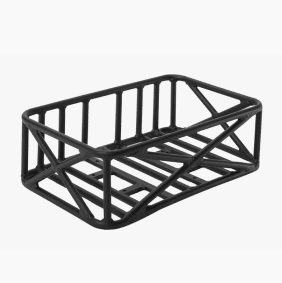
A standard bike primarily suits personal journeys: getting to work, meeting friends, running an errand or going for a ride. Consider where your bag will go. Compatible storage, properly secured, may be sufficient without moving to a vehicle designed to carry more.
The simplicity you want also depends on the transmission and equipment. An electric bike for solo journeys with a belt drive may appeal if you want to avoid lubricating a chain. Compare the whole bike: riding position, assistance, braking, storage and access to after-sales service. One feature alone does not determine comfort.
When a cargo bike adds a useful function
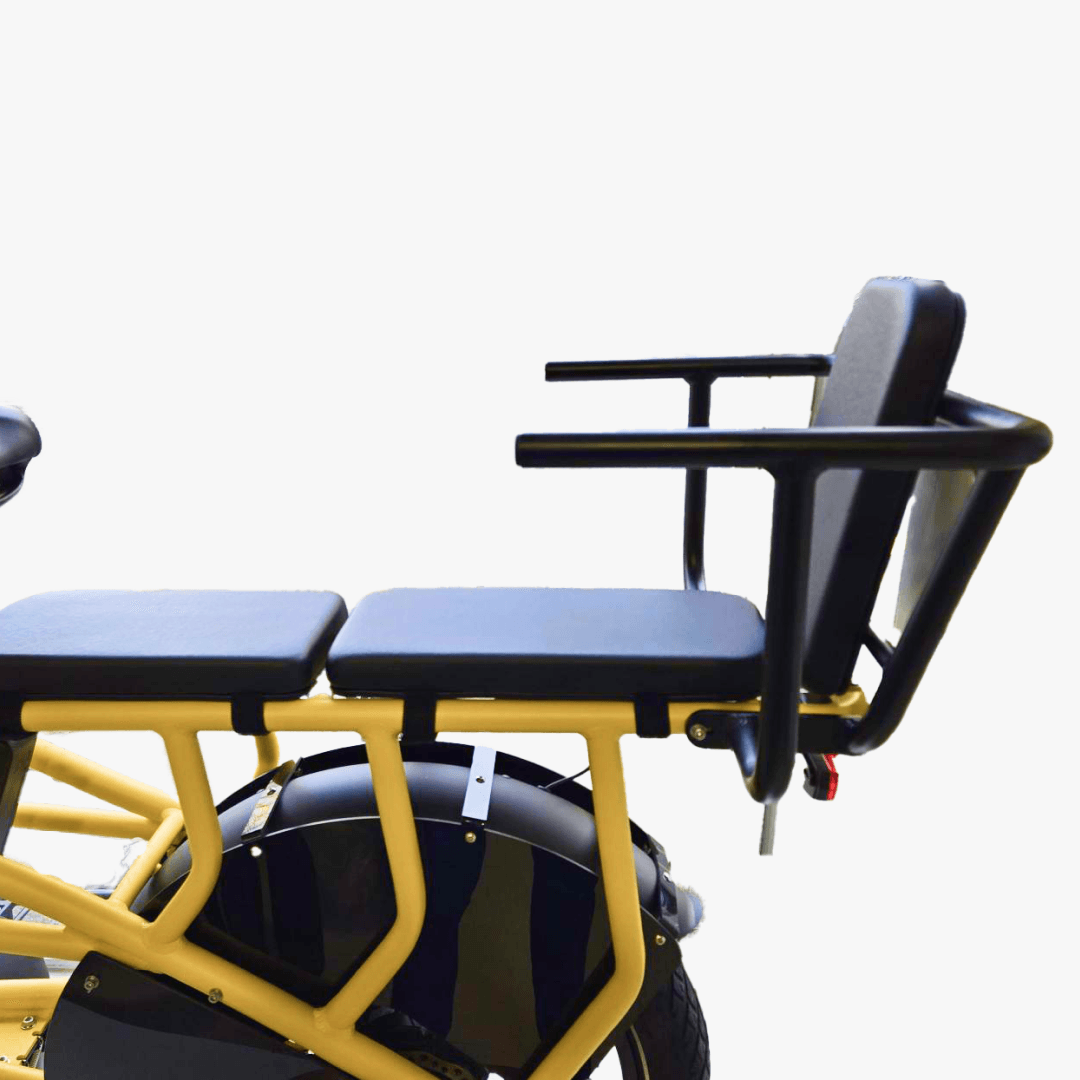
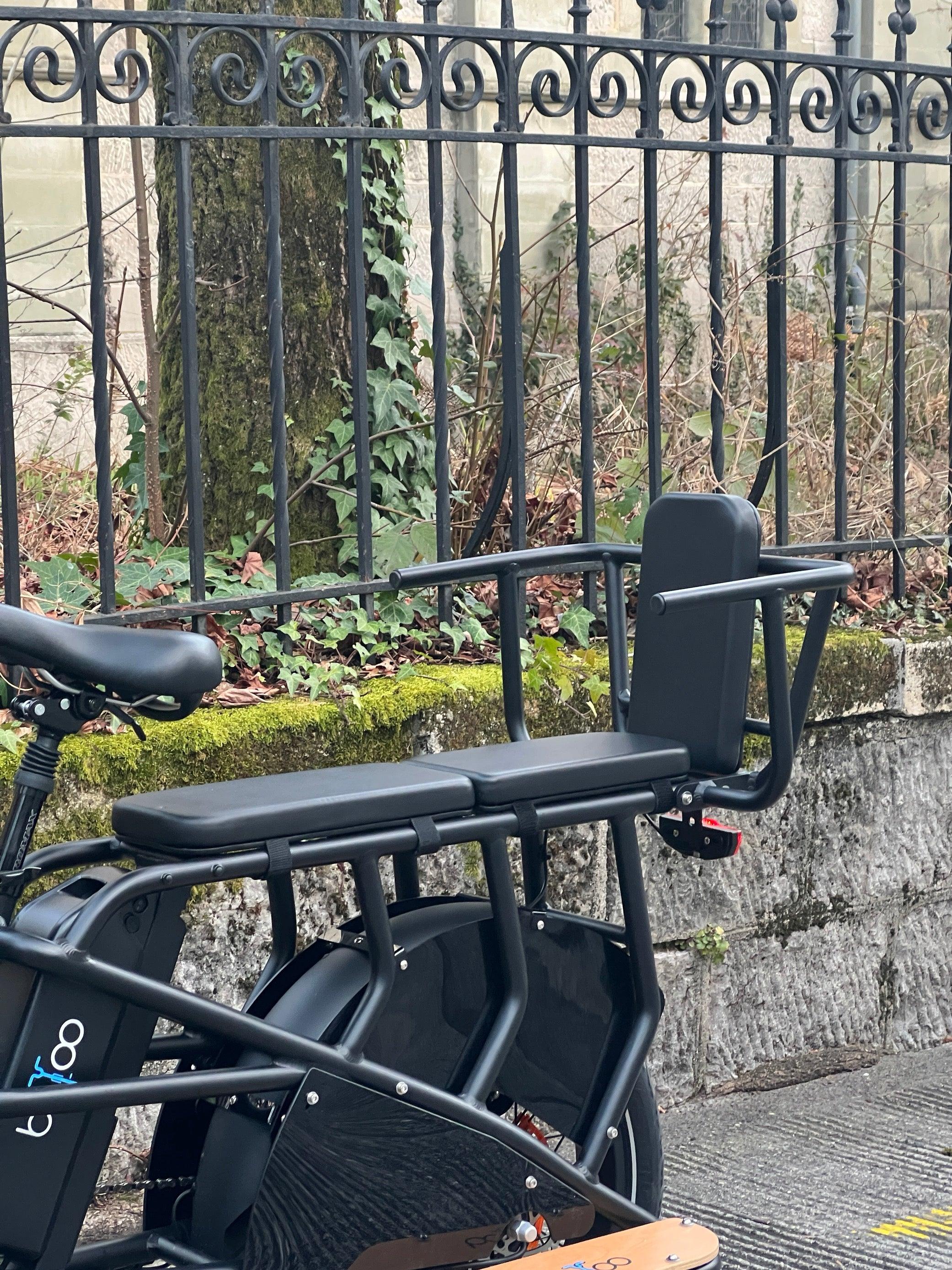
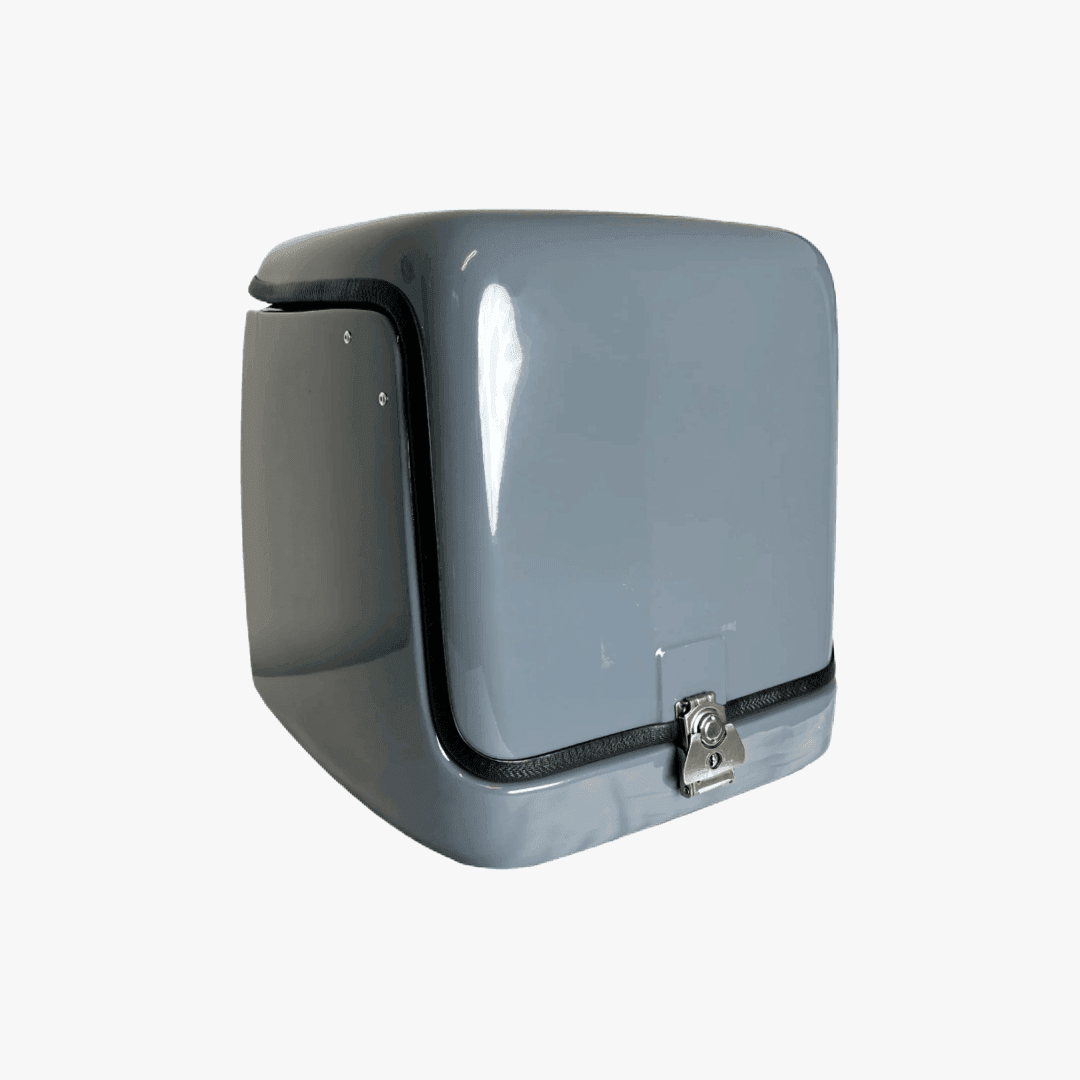
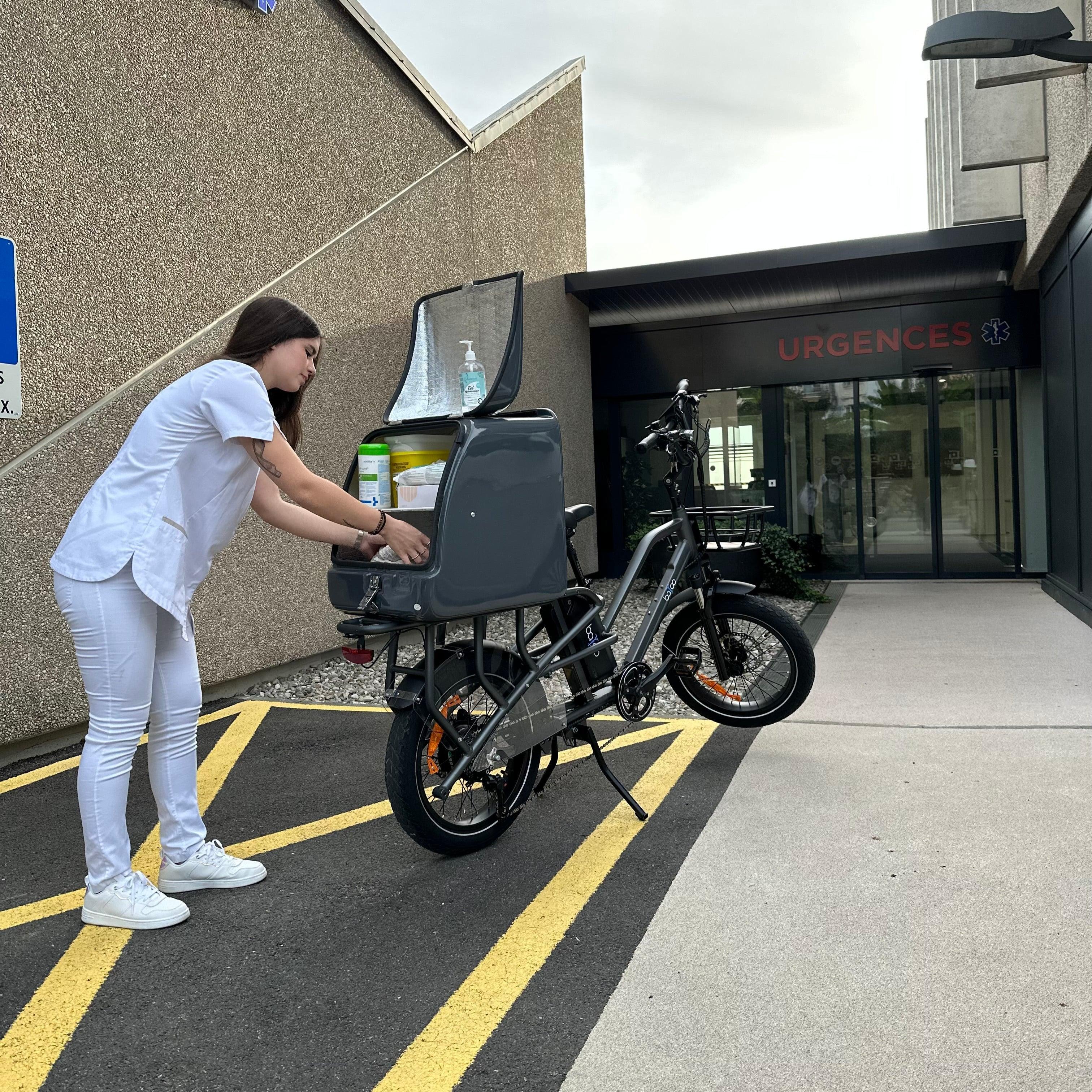
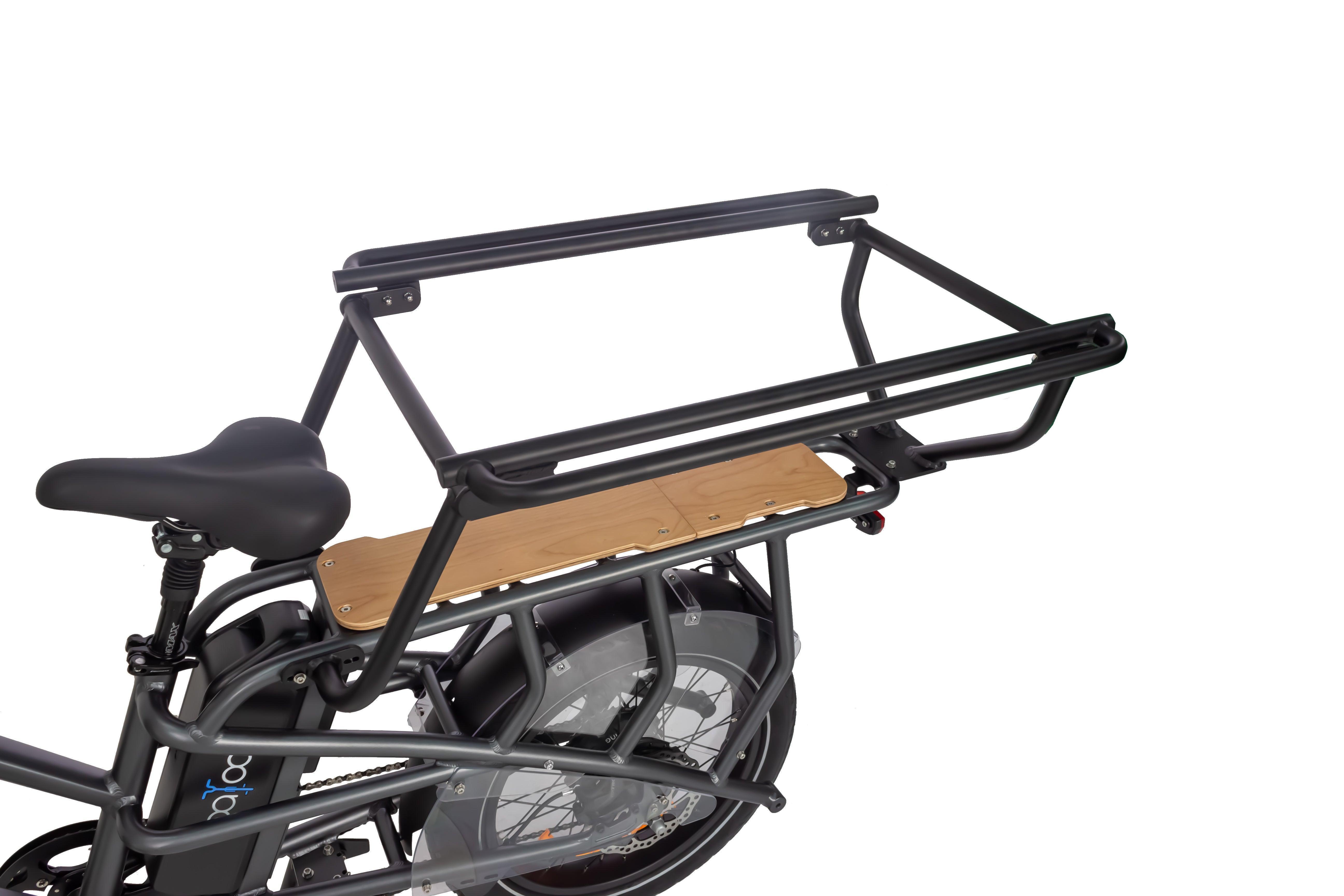
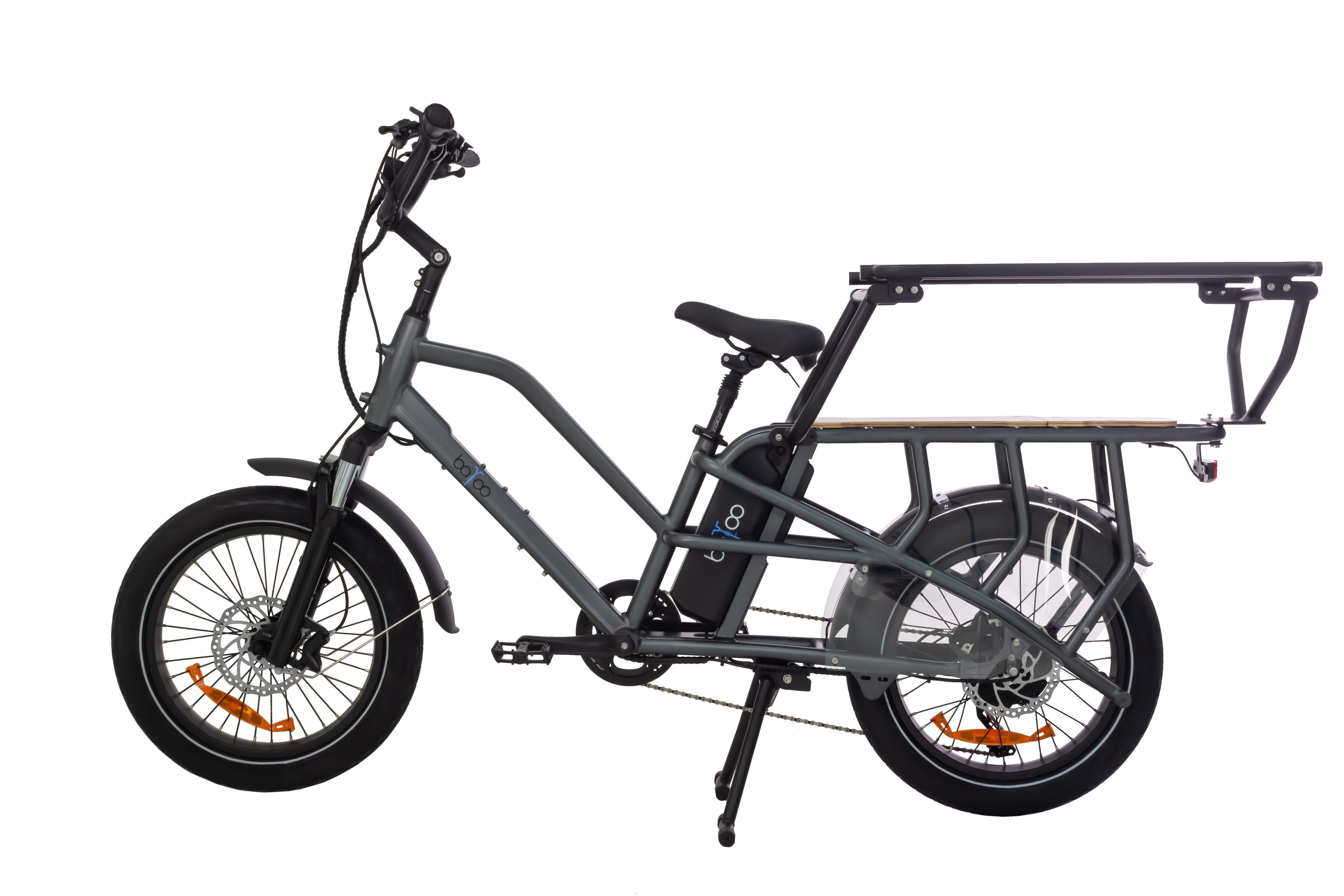
A cargo bike becomes relevant when carrying things or people is part of the journey itself. You might need to take children, leave room for bags or make several stops without returning home. Think in terms of a complete setup: bike, seats, protective equipment, supports and storage.
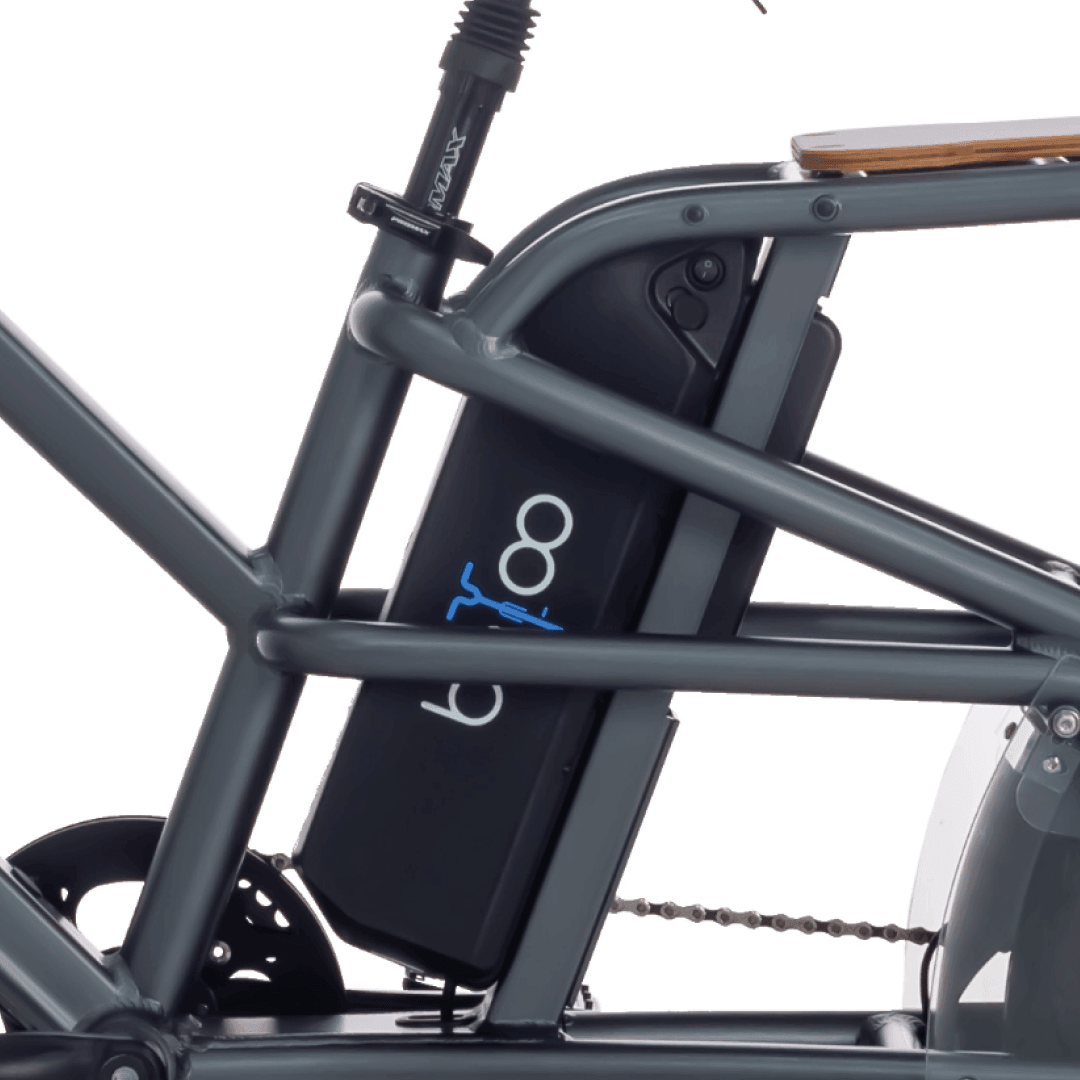
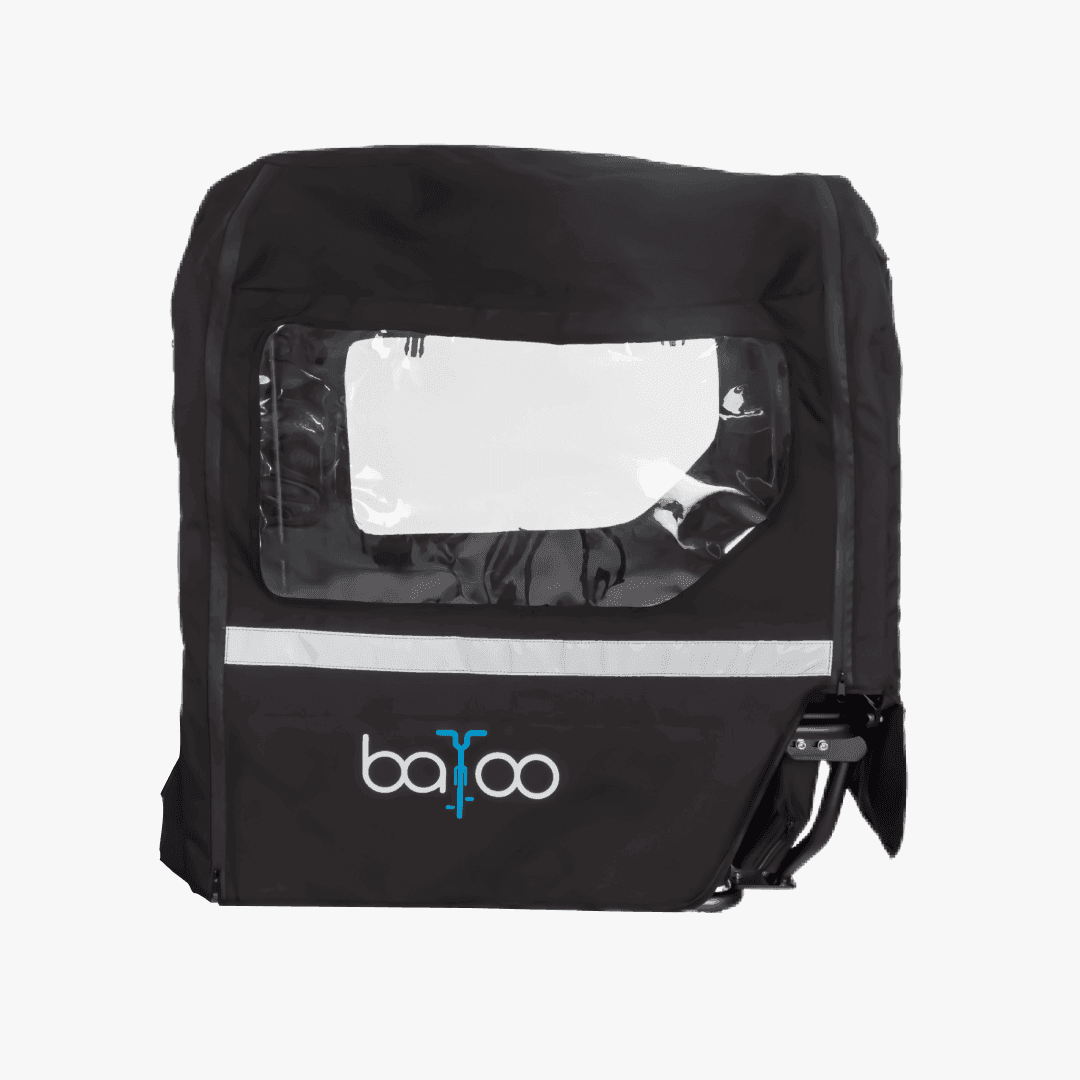
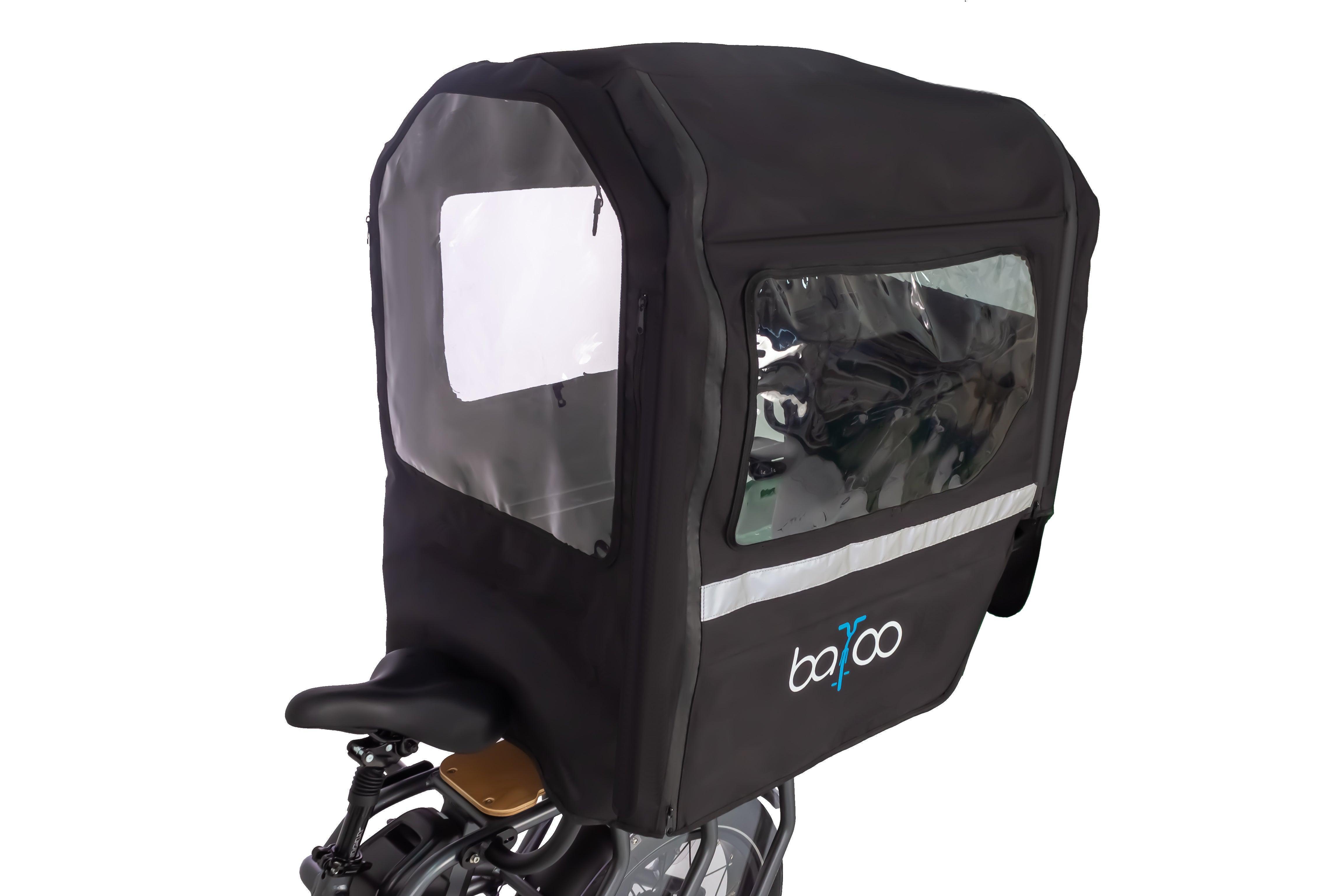
A family cargo bike with a low step-through frame is worth considering if getting on and off and everyday loading matter to you. Accessories must be selected separately for your intended use. Always check compatibility and the limits of the bike, carrier and each accessory: an available space alone does not authorise carrying a passenger.
Compare situations first, then models
| Your situation | First option to consider | Deciding factor |
|---|---|---|
| Solo journeys with a bag | Standard electric bike | Riding position and bag storage |
| Regular passengers | Cargo bike equipped for that purpose | Approved setup for each passenger |
| Frequent shopping and equipment transport | Compare both options | Actual volume and load limits |
| Several adults sharing the bike | Compare both options | Adjustments and each rider's confidence |
This table helps you make a shortlist; it does not replace a test ride. Two bikes in the same category can handle differently. Also consider the moments when you are not pedalling: taking the bike out, passing through a door, moving it backwards and holding it at a standstill.
Assess the bike with the equipment you need
Prepare a short list of equipment you need from day one. For solo use, that might mean somewhere to carry a bag. For a family, seats and protection suited to the children come before comfort accessories. Ask what is included with the bike shown and what needs to be added to the order.
Start your test ride in a quiet area with guidance from the person helping you. Check access to the controls, starting and stopping. Then have the setup for your needs assessed. Familiarity with an unloaded bike alone is not enough to judge using it with passengers.
Frequently asked questions
Is a cargo bike useful if I often ride alone?
It can be, if carrying passengers or equipment happens often enough to justify the choice. Consider your whole week: solo journeys matter, along with the journeys you need your bike to make possible.
Is a standard bike enough for shopping?
Sometimes, yes. It depends on the volume, weight and compatible supports. List your usual purchases and check how to secure them within the specified limits, rather than choosing solely by the category name.
Do I need to buy all the accessories immediately?
First order the equipment needed for your intended use, particularly anything required for carrying a child. Other items can wait if their availability and compatibility are confirmed. Buying gradually still requires a complete setup for every use.
Turn your shortlist into a specific setup
Choose your two most representative journeys and describe what you carry. You can then book a test ride and compare a solo option with a cargo bike equipped for your daily routine.
To learn more, you can compare the different cargo bike formats.